Redefining Luxury Marketing: How Olha Kotova, a Drone Videographer, Is Reshaping Hotel Storytelling in the U.S.

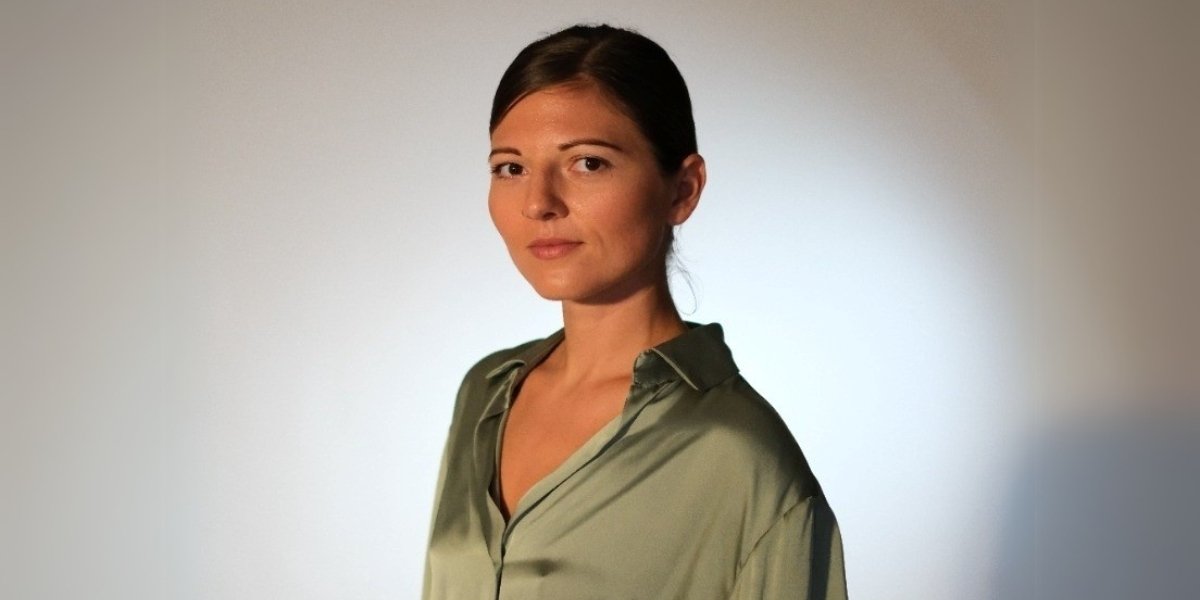
In today’s digital-first travel economy, visual storytelling has evolved from being a luxury to an essential tool. At the forefront of this shift is Olha Kotova, a drone videographer whose aerial hotel content is changing how luxury resorts engage with global audiences. Her work, combining cinematic drone footage with immersive social media storytelling, has been embraced by notable brands like Four Seasons, Marriott, and Hyatt, helping to enhance their brand presence and, in some cases, potentially drive more direct bookings.
Unlike traditional travel influencers, Olha works as a one-woman creative agency—scouting locations, piloting drones, filming cinematic Reels, editing, and implementing full-scale digital strategies. Upon entering the U.S. market, she identified a gap: while many hotels invested heavily in beautiful design and service, fewer showcased their uniqueness through modern visual storytelling. She saw an opportunity and brought her vision to life with a drone.
What began as a passion has gradually evolved into a strategic business model. Olha offers hotels tailored content packages in exchange for short-term stays, producing high-quality aerial videos, room walk-throughs, lifestyle footage, and engaging short-form videos. Her content has gained significant traction, with some Reels surpassing 1.7 million views, showcasing the potential of emotionally resonant hotel storytelling.
What sets her work apart is the thoughtful precision behind each shot. She analyzes daylight movement, selects angles that best highlight a property’s features, and adapts content formats based on the hotel’s target audience and marketing objectives. Every shot is designed not just to inspire, but also to encourage engagement.
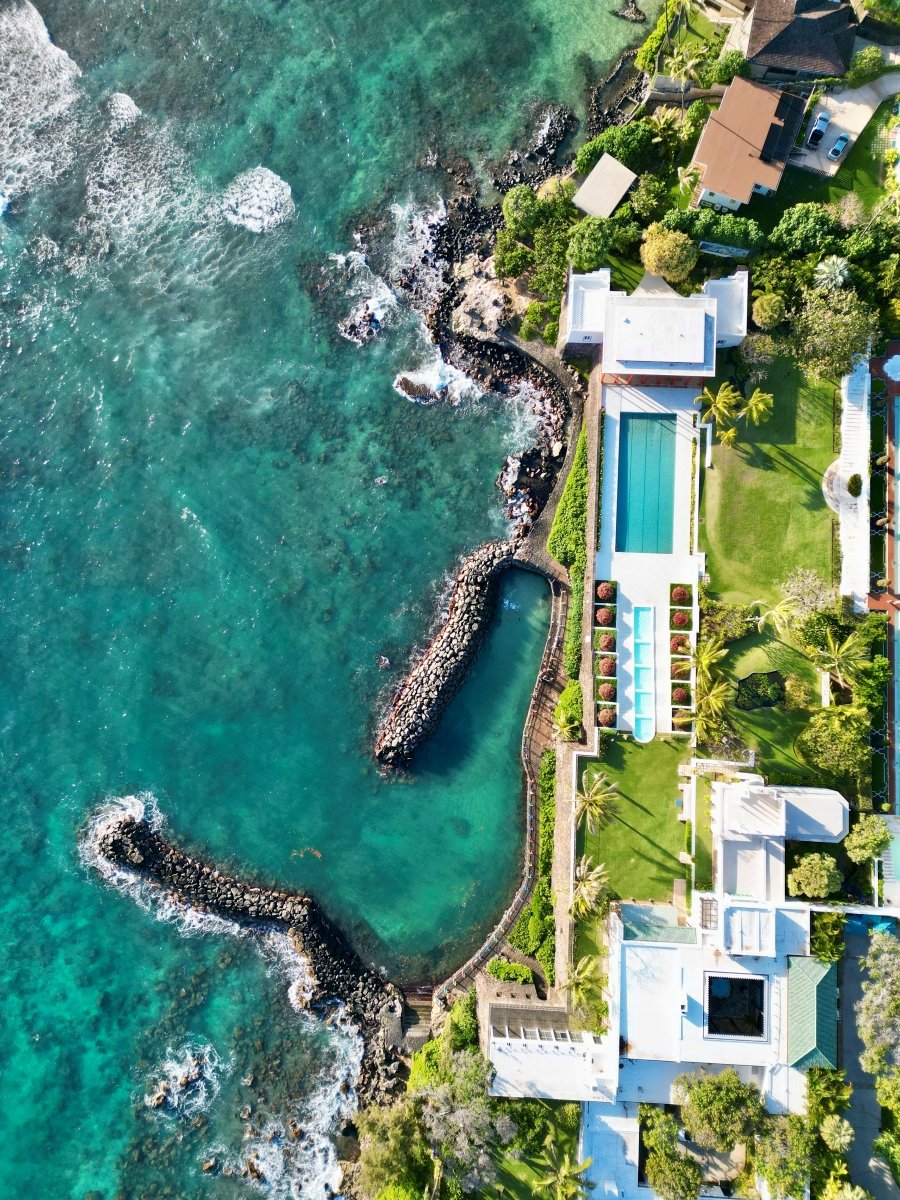
Photo Courtesy: Olha Kotova
Olha’s professional background further contributes to her credibility. With over seven years of experience in marketing and recruitment for top-tier tech firms, she brings an analytical, results-oriented mindset to the creative process. This combination of strategy and artistry has allowed numerous boutique and luxury hotels to enhance their online visibility, boost engagement, and better position themselves in competitive markets.
Since 2024, she has shared her expertise with hospitality publications. Her articles on drone-based hotel marketing have been featured in Hotel Speak, HospitalityNet, and New York Weekly, where she explored how cinematic visuals can trigger emotional responses and influence booking behavior. She has also served as a judge for tourism-related video competitions, solidifying her status as a respected voice in the field.
Her impact is noticeable. Hotels that have shared her content report stronger engagement metrics and increased interest across platforms. Her collaborations are often referenced during strategic marketing meetings, reflecting the growing influence of immersive video in hospitality branding.

Photo Courtesy: Olha Kotova
In an era where travelers often make split-second decisions based on visuals, Olha’s work provides hotels with a competitive edge. Instead of relying on conventional promotional material, her content captures the essence of a stay—sunlight streaming into a luxury suite, the tranquil ripple of a pool at golden hour, or the grandeur of a property viewed from above. These immersive moments engage audiences emotionally, sparking not just interest but a desire to experience the place firsthand.
Several hotels have reported increased engagement after sharing her videos. For instance, a boutique resort in California saw a 47% jump in Instagram reach following the release of her content, while another luxury property experienced a notable uptick in direct booking inquiries after publishing a drone-led video tour. These results underscore how data-driven storytelling can contribute to measurable outcomes in hospitality marketing.
What further distinguishes Olha’s work is her strategic use of short-form content. Understanding the algorithms behind platforms like Instagram and TikTok, she edits content with a focus on retention, emotional impact, and visual clarity. This blend of artistry and platform expertise provides her clients with an advantage in crowded digital spaces.
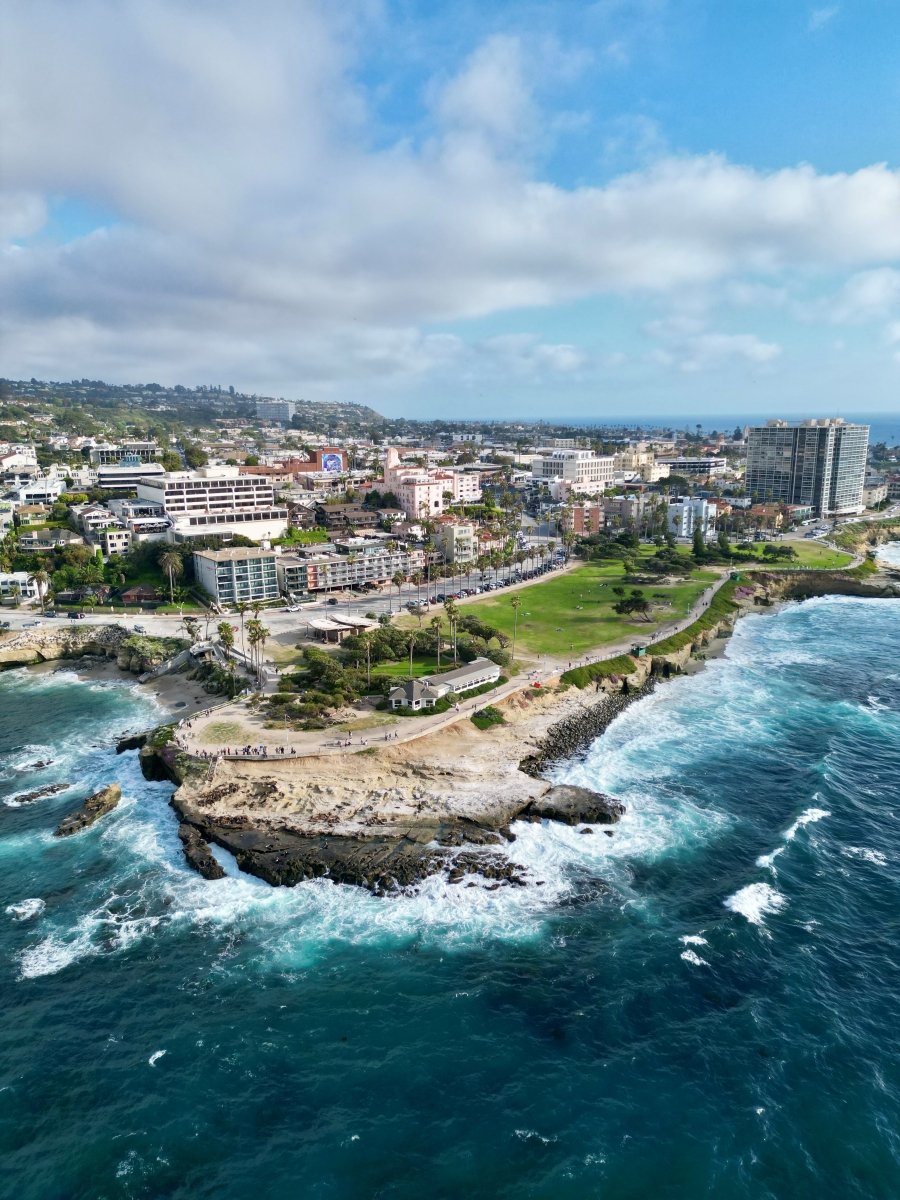
Photo Courtesy: Olha Kotova
Beyond her fieldwork, Olha has developed a practical methodology for hotels seeking to incorporate drone storytelling into their brand strategy. This includes guides on optimal lighting timing, best practices for filming amenities, and processes for repurposing footage across multiple platforms. Her content has also been featured by hotels in paid advertising campaigns, press releases, and investor materials, demonstrating its versatility and professional quality.
Looking forward, Olha plans to expand her influence by mentoring emerging content creators and continuing to share insights through industry publications. She is currently working on a guide for hospitality professionals on maximizing visual content for brand positioning, customer engagement, and booking conversion. Her ultimate goal is to transform how hotels communicate value, shifting from a focus on price and amenities to the creation of compelling stories, emotions, and unforgettable visual identities.
Through a unique combination of artistic vision, technical skill, and marketing strategy, Olha Kotova is setting a new standard for how hotels connect with the world.