

The Med Spa Boom: A $17 Billion Market Driven by Botox and Beyond

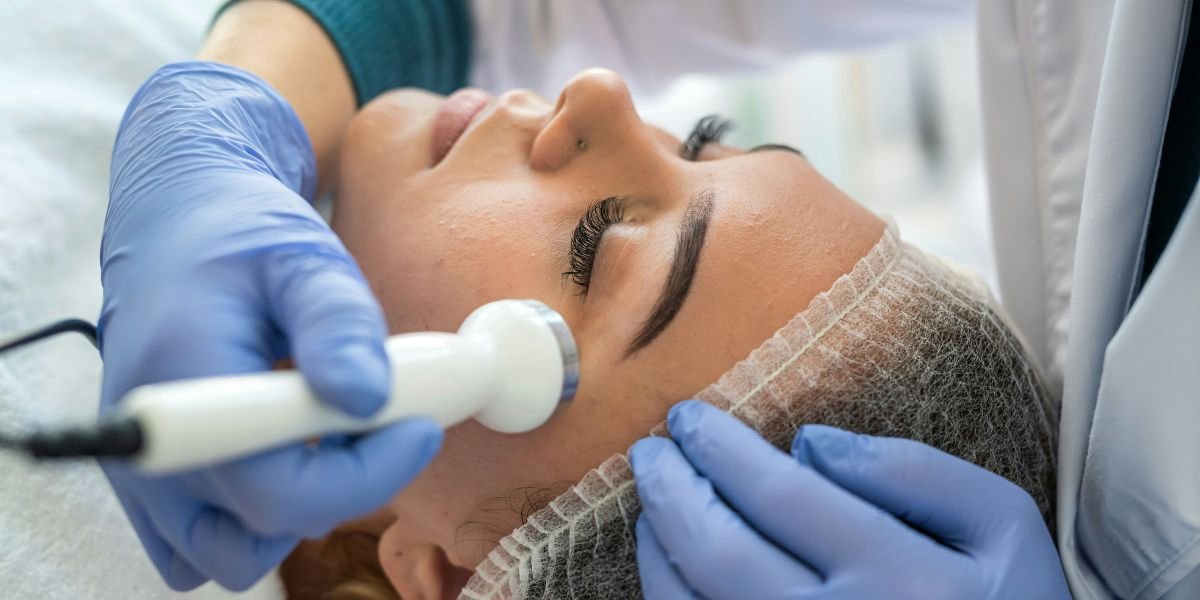
The medical aesthetics industry has entered a growth phase that appears to defy traditional healthcare economics. Revenue is increasing at double-digit rates, fueled by rising demand for Botox, lip fillers, and weight-loss drugs. This expansion reflects evolving consumer behavior and changes in healthcare delivery.
Market Fundamentals
The numbers provide a striking overview. According to the American Med Spa Association, the number of storefronts rose from around 1,600 in 2010 to over 10,000 in 2023. This represents a notable 525% increase in just over a decade—growth that outpaces many retail sectors.
The financial metrics are also noteworthy. The global medical aesthetics market, valued at $15.59B in 2023, grew to $17.16B in 2024, and is forecasted to expand at a solid 12.8% CAGR, potentially reaching $35.32B by 2030. This trajectory suggests that the industry has moved beyond short-lived cosmetic trends and is increasingly viewed as a key part of consumer services. The trend is also leaning towards non-invasive procedures and preventative maintenance, which have become central to many medical spa clinics across the United States.
Virtual Integration and Service Delivery
The sector’s evolution extends beyond traditional brick-and-mortar models. Virtual consultations have emerged as a standard part of the client journey, offering both clients and practitioners added flexibility. This hybrid approach addresses critical business challenges: client acquisition costs, geographic limitations, and operational efficiency.
Telemedicine integration offers more than just convenience. By providing virtual consultations and follow-ups, we can accommodate individual needs and schedules, promoting a stronger and more open patient-provider relationship. This model reduces overhead while increasing market reach—a combination that is likely to appeal to both operators and investors. This includes many artificial intelligence apps and tools that enhance the patient experience.
Regional Case Study: Long Island Market Dynamics
The Long Island market illustrates these broader trends. Virtual Skin Spa, operated by Theresa Pinson in Jericho, demonstrates how regional players are navigating this expansion. Virtual Skin Spa is a full-service medical spa based in Long Island, NY, with Owner/Director Theresa Pinson, NP, recognized among Long Island’s noteworthy medical spa operators.
Pinson’s operation highlights the industry’s professional evolution. Meet Theresa Pinson, a licensed NP in Jericho, NY, with over 14 years of experience specializing in aesthetics. Her background—transitioning from cardiovascular nursing to aesthetics—reflects the sector’s shift toward medical credentialing and clinical expertise.
The Virtual Skin Spa model integrates both traditional services and emerging technologies. Theresa Pinson’s over a decade of experience in wellness and anti-aging underscores the operational resilience and client retention, important factors for sustainable growth. Virtual Skin Spa also offers new products and services, including Body Rolling (the only center on the East Coast), EZ PRF Gel skin rejuvenation, and VAMP Salmon Sperm Facial.
Operational Realities
The industry’s expansion conceals underlying challenges. Regulatory compliance, staffing shortages, and capital requirements can present barriers to entry. Successful operators like Pinson overcome these challenges through specialized expertise and local market knowledge.
The integration of virtual services addresses some operational constraints while creating new ones. Technology platforms require investment and training. Client expectations for seamless digital experiences necessitate ongoing system updates and staff education.
Market Outlook
The medical aesthetics boom reflects broader demographic and cultural shifts. An aging population is increasingly seeking non-invasive solutions. Younger consumers are embracing cosmetic procedures. Social media has also played a significant role in amplifying aesthetic awareness and acceptance.
These trends indicate sustained growth beyond current projections. The industry’s challenge lies in maintaining service quality while scaling operations. Regional players like Virtual Skin Spa will likely face growing competition from national chains and private equity-backed consolidators.
The sector’s evolution from luxury service to healthcare necessity positions it for continued expansion. Success will likely depend on operators’ ability to balance accessibility with expertise, technology with personal service, and growth with sustainability.