US Business News

The Rise of Side Gigs: Young Professionals as Creators and Consultants


The concept of side gigs has gained notable traction among young professionals. In recent years, many individuals have sought to expand their careers by pursuing additional roles outside their full-time employment. Whether they are exploring consulting or becoming content creators, these side ventures provide opportunities for both financial growth and personal fulfillment. This rise reflects a shift in the traditional work model, with professionals finding ways to use their expertise or creativity in diverse and often more flexible ways.

Why Are Young Professionals Turning to Side Gigs?

The dynamics of the modern workforce are changing, and young professionals are increasingly seeking alternative paths to career satisfaction. The traditional idea of working solely in a 9-to-5 job is being replaced by a growing number of individuals pursuing side gigs in addition to their primary career. Several factors contribute to this trend, including financial needs, a desire for greater autonomy, and opportunities to pursue passions outside of their regular job.

As explored in this breakdown of how the gig economy transformed the landscape, the accessibility of various online platforms has empowered professionals to offer their expertise, build a following, or create new income streams. This flexibility has made side gigs an appealing option for many people looking to diversify their income or explore new interests. Side gigs offer an escape from the rigid structures that often accompany traditional employment, offering individuals more control over how they spend their time.

How Are Young Professionals Managing Their Full-Time Jobs Alongside Side Gigs?

Successfully balancing a full-time job and a side gig requires careful planning and time management. Many professionals are discovering that while the demand for both jobs can sometimes feel overwhelming, they can be managed effectively with the right strategies. Young professionals often rely on methods such as time-blocking, where specific hours are dedicated to each role, or by ensuring that their side ventures complement their main job.

Some choose side gigs that align with their primary career, helping them hone related skills. Someone working as a graphic designer may take on freelance projects that allow them to experiment with different styles or industries. Similarly, those who work in consulting can leverage their expertise to advise smaller companies or individuals, helping them build a more extensive network and gain exposure to new challenges.

The flexibility offered by side gigs allows many professionals to work at their own pace. Some are able to work remotely, further easing the pressure of juggling multiple commitments. By setting boundaries and managing their time well, these individuals can avoid burnout and ensure that both their primary and side roles remain productive.

Why Do So Many Choose to Be Creators or Consultants?

The shift towards side gigs is often driven by a desire for creative expression and the ability to work independently. Many young professionals are finding that being a creator or consultant allows them to tap into skills and passions that might not be fully realized in their primary job. Social media platforms allow individuals to create content that resonates with a particular audience, whether through video tutorials, photography, or written articles. This creative outlet not only provides personal satisfaction but can also become a revenue stream over time.

Consulting has also become an attractive option for professionals who want to share their expertise with others. Whether it’s in business strategy, marketing, or technology, offering consulting services allows young professionals to apply their skills in real-world scenarios, helping businesses tackle specific challenges. This type of work often offers greater flexibility, with professionals able to choose when and how they take on projects.

Both paths give professionals the chance to develop new skills that enhance their overall career profile. By exploring multiple roles, they broaden their knowledge base and may even bring fresh perspectives into their primary jobs, helping them to stand out in their chosen fields.

What Impact Are Side Gigs Having on Traditional Work Structures?

The rise of side gigs is causing a shift in how employers and employees perceive work. As more professionals pursue additional income or creative projects, there is growing concern about the potential effects on job loyalty and company dynamics. In some cases, employers may worry that side gigs could lead to divided attention, reduced productivity, or even talent retention challenges. However, some companies are beginning to view this trend differently.

The Rise of Side Gigs Young Professionals as Creators and Consultants

Photo Credit: Unsplash.com

Rather than seeing side gigs as a potential threat, certain businesses are embracing the idea that employees who are engaged in side projects are often more motivated and innovative. Employees involved in side gigs may bring valuable insights or new ideas to their full-time job, contributing to the company’s overall growth. Moreover, the entrepreneurial skills developed in side gigs can translate to stronger problem-solving abilities, creativity, and adaptability within an organization.

Still, the rise of side gigs presents challenges for businesses to adjust to this new work dynamic. Some organizations are offering more flexible work schedules, allowing employees to pursue side projects without compromising their primary roles. This flexibility can help retain top talent by offering a work environment that supports personal growth while ensuring employees can focus on their core responsibilities.

How Do Side Gigs Help Professionals Build Their Skills?

Side gigs provide young professionals with the opportunity to develop a variety of valuable skills that may not be part of their day-to-day job. These gigs give them the chance to experiment with different work scenarios, whether that involves managing clients, handling finances, or learning new technologies.

Consulting, for instance, requires professionals to continually adapt to new clients, which enhances their ability to problem-solve and think strategically. Creators, on the other hand, are often required to master a range of tools, including those for editing videos, managing websites, or analyzing social media engagement. These additional skills can make professionals more competitive and adaptable, both in their side gigs and full-time jobs.

Moreover, these ventures allow young professionals to demonstrate their entrepreneurial mindset. As highlighted in this feature on modern entrepreneurship as a career path, the ability to manage and grow a side project is an important stepping stone toward future opportunities, whether that means scaling the side gig into a full-time business or using the experience to enhance their careers.

Are Side Gigs a Sustainable Career Path?

While the growth of side gigs is undeniable, many professionals are left wondering about their long-term sustainability. The gig economy, while offering great flexibility, also comes with inherent risks, particularly regarding job security and income instability.

For young professionals pursuing side gigs, financial stability may depend on several factors, such as the demand for their services, the platform they use to advertise, and how well they manage their time. It’s important for individuals to weigh the financial uncertainties that come with side gigs and consider whether they are sustainable in the long run. Additionally, some side gigs may not provide the same benefits as traditional employment, such as health insurance, paid time off, or retirement contributions.

Ultimately, whether side gigs are sustainable depends on the individual’s ability to manage risk and prioritize well-being. Balancing the demands of multiple roles requires clear goal-setting and the ability to adapt to changing circumstances.

What Does the Future Hold for Side Gigs?

The future of side gigs appears promising, with many young professionals continuing to explore ways to incorporate multiple roles into their lives. As technology continues to advance, new opportunities will emerge, providing even more avenues for individuals to share their expertise or creativity.

Employers may also shift to accommodate this new way of working, creating environments that allow for more work-life integration. With the growing popularity of remote work, companies may be able to offer more flexible arrangements that cater to professionals looking to balance a full-time career with a side project.

While challenges do exist, the side gig economy seems likely to continue evolving, providing young professionals with opportunities to shape their careers according to their personal and professional needs.

Pinterest Layoffs Cut 15% of Staff Amid AI Strategy Shift

Pinterest has disclosed plans to reduce its workforce by approximately 15%, which translates to about 700 employees globally. This reduction is part of the company’s larger restructuring effort to better align its resources with its growing focus on artificial intelligence (AI). Pinterest’s leadership explained that these changes will be completed by September 2026.

The decision to reduce the workforce comes as Pinterest seeks to shift its resources toward AI-driven initiatives, particularly in areas like personalized search, shopping experiences, and advertising optimization. Pinterest sees this as a necessary step to ensure the company’s long-term viability and competitiveness in an increasingly AI-centric digital marketplace.

AI Strategy Becomes a Key Focus for Pinterest

Artificial intelligence has become a major part of the strategy for many leading digital platforms. Companies like Meta, Google, and TikTok have already made significant strides in integrating AI into their systems, particularly in their recommendation engines, which have set new standards for personalization. Pinterest’s decision to prioritize AI is seen as an effort to keep pace with these changes in the industry.

By reallocating resources to AI initiatives, Pinterest aims to deliver improved search capabilities, more efficient shopping experiences, and more effective advertising products driven by machine learning. The company’s leadership believes this strategy will not only improve user engagement but also strengthen Pinterest’s position in a crowded and competitive market.

This shift is consistent with broader trends in the tech industry, where companies are increasingly focusing on automation, personalization, and machine learning to enhance user experiences and drive growth. Pinterest’s leadership emphasized that AI will be central to the company’s future, ensuring that it continues to meet the evolving demands of its user base.

Financial Considerations of Pinterest’s Restructuring

While the restructuring efforts are designed to better align Pinterest with its strategic goals, the company expects to incur some financial costs in the process. Pinterest has estimated that it will face between $35 million and $45 million in charges, mainly related to severance packages and downsizing office space. The company is also looking to consolidate office facilities as part of its broader move toward hybrid and remote work models.

This move to reduce office space reflects the growing trend among tech companies to shift to more flexible work environments. Pinterest is following suit, adapting its office space to meet the changing demands of its workforce and creating a more agile environment for its teams.

The market responded cautiously to the announcement, with Pinterest shares falling by approximately 3% in premarket trading. Investors expressed concern over the immediate costs associated with the restructuring, but analysts believe that Pinterest’s long-term strategy to focus on AI could position it for future success, as personalization becomes a more important feature across digital platforms.

Impact on Pinterest’s Workforce

For Pinterest’s employees, the reduction in workforce is a significant change. While the company has stated that severance packages and transition support will be provided to those affected, the magnitude of the job cuts will likely create disruption for many. Teams that are not directly tied to AI development are expected to face the greatest impact from the layoffs.

While the company’s approach focuses on minimizing disruption for employees, the broader shift to AI-driven functions highlights how quickly the tech industry is evolving. As Pinterest reorients itself toward AI and machine learning, traditional roles and functions within the company are changing, and some positions may no longer be as relevant or necessary.

This shift raises broader questions about how companies can balance innovation with workforce stability. As AI becomes more central to operations, companies must navigate the tension between adopting new technologies and maintaining a stable, skilled workforce. This challenge is not unique to Pinterest, as many tech companies are facing similar dilemmas in the rapidly changing digital landscape.

Pinterest’s Strategic Direction and Industry Context

Pinterest’s decision to focus on AI reflects broader shifts in the tech industry. In recent years, other major technology companies have made similar moves to reorganize and prioritize AI as part of their business strategies. This trend highlights the growing importance of artificial intelligence and machine learning in shaping digital products and services.

For Pinterest, this shift is particularly important, as the company’s core business model revolves around personalized content discovery. Pinterest’s success depends on its ability to provide relevant and engaging content to users, and AI can play a central role in improving those experiences. By focusing more heavily on AI, Pinterest is positioning itself to compete more effectively with platforms like Meta and Google, which have already made significant investments in AI to enhance their products.

Pinterest’s Path Forward Amid AI and Workforce Changes

Pinterest’s decision to reduce its workforce by 15% and invest in AI-driven initiatives marks a significant moment in the company’s history. While the restructuring may cause short-term disruption, Pinterest believes this strategic pivot is necessary for its long-term growth. AI is seen as a key factor in enhancing user experience and helping Pinterest compete with other platforms that have already embraced machine learning and automation.

The company’s transition to a more AI-focused model is in line with broader trends in the tech industry, where many firms are shifting resources to meet the growing demand for personalized content and more efficient automation. Pinterest’s ability to successfully execute its AI strategy, however, will depend on the development of new products, user adoption, and how well the company can balance innovation with workforce changes.

Pinterest will complete its workforce adjustments by September 2026, and as the company moves forward with its strategic initiatives, it will be interesting to see how these efforts shape its future in an increasingly AI-driven digital world.

Paul Davis Restoration of NJ Delaware Valley Brings Start-to-Finish Property Recovery to Haddonfield, Sewell, and Glassboro

By: Sophia Turner

Restoring Homes and Businesses with Confidence After Water, Fire, Mold, and Storm Damage

Property damage is never just about materials. A flooded basement, a kitchen fire, or a sudden mold discovery quickly becomes a high-pressure situation filled with questions: What needs to happen first? Who documents the loss correctly? How does the insurance process work? How soon can a home or business feel normal again?

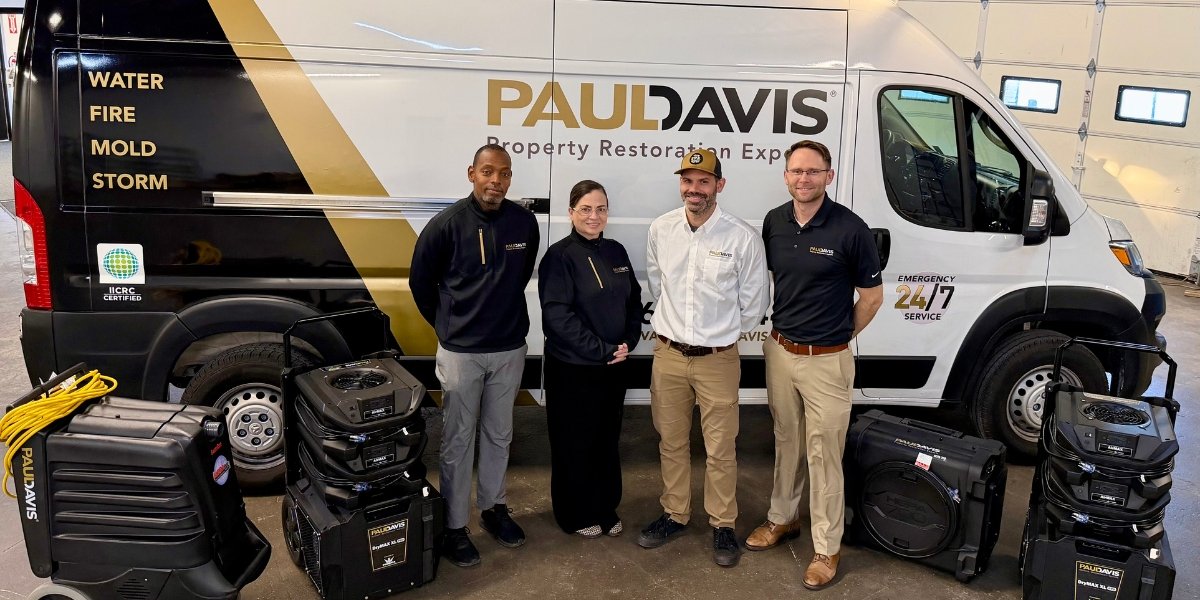
Paul Davis Restoration of NJ Delaware Valley, led locally by Scott Wenger, helps property owners across Gloucester, Salem, and Camden Counties move from disruption to recovery with a clear, guided process. The team provides 24/7 emergency service, Institute of Inspection, Cleaning, and Restoration Certification (IICRC) expertise, and reconstruction support under one coordinated plan, backed by a one-year warranty. The result is a restoration experience designed to reduce stress, protect the property, and bring stability back to the people who rely on it.

A Local, Family-Run Team Backed by a Trusted Name

Paul Davis is widely known for property damage restoration, but the NJ Delaware Valley operation is built around local ownership and a neighbor-first mindset. That combination matters when restoration work enters someone’s home, disrupts a workplace, or affects a historic property that requires extra care.

The company serves both residential and commercial clients and supports projects that range from a single room water loss to complex, large-loss recovery. Services commonly include:

  • Water extraction, structural drying, and moisture monitoring

  • Fire and smoke damage cleanup, odor control, and content support

  • Mold remediation and air quality-focused containment

  • Storm damage response and rebuild coordination

  • Full reconstruction and repair

What Concierge-Style Restoration Looks Like in Real Life

Many restoration providers focus on mitigation only, while others concentrate on reconstruction. Paul Davis Restoration of NJ Delaware Valley addresses a major market gap by coordinating the full process, including emergency response, documentation, insurance communication, and repair. This allows clients to avoid juggling multiple contractors, repeating the same story, or chasing updates at the exact moment they need clarity most.

Emergency Response Within 60 to 90 Minutes

Speed matters in water, fire, and mold-related losses. The NJ Delaware Valley team typically responds within 60 to 90 minutes of a call, day or night. Rapid arrival can limit secondary damage such as warping, microbial growth, and structural deterioration, which helps protect both the property and the timeline.

Daily Updates and Transparent Project Management

One of the biggest pain points in restoration is feeling left in the dark. Paul Davis Restoration of NJ Delaware Valley addresses that head-on through consistent communication and clear ownership of next steps. Clients receive frequent progress updates and direct access to a project manager, helping reduce uncertainty and avoid surprises.

The company’s approach is rooted in respect: clear estimates, ongoing updates, and practical guidance that helps property owners understand what is happening, why it is happening, and what will happen next.

Insurance Coordination That Reduces Stress

Insurance claims can stall when documentation is incomplete or when separate vendors submit conflicting information. Paul Davis Restoration of NJ Delaware Valley works directly with major insurance carriers and communicates with adjusters to help keep claims accurate and efficient. By managing mitigation and reconstruction in a coordinated way, the team helps minimize delays that often occur during handoffs between multiple contractors.

Built for the Details, Including Historic Homes and Small Businesses

Every property has its own complexities, but historic homes and small businesses often require an extra level of care. Older structures can hide moisture in wall cavities, contain specialty materials, or need careful restoration methods to preserve character. Small businesses may need staging plans that limit downtime and protect customers, staff, and inventory.

Paul Davis Restoration of NJ Delaware Valley specializes in serving residential and commercial properties throughout Gloucester, Salem, and Camden Counties, including projects where meticulous restoration and seamless insurance handling are essential. The team’s ability to scale from smaller jobs to large commercial or municipal losses gives property owners a dependable partner regardless of the size of the incident.

Certified Expertise and Modern Equipment

Restoration quality is measured by what remains after the visible damage is gone. Proper drying, safe removal, and thorough documentation are what prevent lingering issues.

Credentials That Reflect Real-World Capability

The NJ Delaware Valley team maintains IICRC certifications across core restoration categories, including water, fire, and mold. Specialized training and credentials include ASD, WRT, FSRT, CRMR, and Lead Safety Renovator. Combined with licensed, bonded, and fully insured operations, these standards help ensure each project is completed with safety, accountability, and industry-aligned best practices.

A One-Year Warranty and Safety-Focused Practices

A one-year warranty adds another layer of confidence for clients who want reassurance that restoration and rebuild work is being completed carefully. The team uses state-of-the-art drying and air quality equipment and emphasizes safe, correct procedures, including containment strategies and verification steps that help protect occupants and building materials during and after the restoration process.

Customer Experience That Earns Five-Star Reviews

In restoration, trust is built through communication and follow-through, not marketing promises. Feedback from clients and partners consistently highlights professionalism, responsiveness, and a calm, organized approach.

One customer, Kyle Heuer, praised Scott Wenger for “a level of communication, organization, and follow-through that is rare to find,” adding that he takes ownership of details, explains next steps patiently, and handles the work with transparency. Another reviewer, Alex Boland, described the team as extremely knowledgeable and personable, noting how well they communicated both in person and by phone.

These experiences reflect the company’s stated priority: restore peace of mind alongside the property itself.

Serving Haddonfield (08033), Sewell (08080), and Glassboro (08028)

Paul Davis Restoration of NJ Delaware Valley is focused on supporting property owners in key local communities including Haddonfield (08033), Sewell (08080), and Glassboro (08028). These areas include a mix of historic neighborhoods, growing residential communities, and busy commercial corridors where downtime can be costly.

No matter the zip code, the most important needs remain the same after a loss: fast stabilization, reliable documentation, clear communication, and a rebuild plan that is handled correctly the first time. By providing a coordinated, start-to-finish restoration model, the team helps reduce friction and get properties back to a safe, functional state as efficiently as possible.

Accessibility and a Welcoming Experience

During stressful situations, service should feel straightforward and respectful. The NJ Delaware Valley location supports practical accessibility, including wheelchair accessible entry, parking, and restroom accommodations, along with a gender-neutral restroom. English language assistance is available, and on-site parking plus a free parking lot make in-person meetings easier when clients want to review documentation, scope of work, or reconstruction planning face to face.

How to Learn More and Follow Along

To explore services, understand what to do immediately after water or fire damage, or request next-step guidance, visit the Paul Davis Restoration of NJ Delaware Valley website. Property owners and facility teams can also follow restoration education and project updates on the company’s YouTube channel and connect with the team through its Facebook page.