US Business News

Where Influence Meets Intention at The Luxury Network USA and Hamptons Polo House in Palm Beach


Luxury today is no longer defined solely by exclusivity or aesthetics. It is defined by access, alignment, and the ability to create environments where meaningful relationships naturally emerge. This philosophy was fully realized this past Saturday at Triángulo Polo Farm in Palm Beach, where The Luxury Network USA and Hamptons Polo House presented an experience that blended sport, culture, and high-level connection.

Set against the refined backdrop of one of Palm Beach’s most elegant polo venues, the event unfolded as a carefully curated journey, one that moved beyond traditional hospitality into the territory of strategic experiential design. Every element, from guest arrival to the closing moments of the evening, was orchestrated to create not only atmosphere, but purpose.

The experience began in the late afternoon, as guests arrived to a setting that immediately established the tone: sophisticated yet effortless. Champagne receptions, thoughtfully arranged lounge spaces, and an atmosphere of understated luxury created the ideal environment for introductions and conversation. There was no rush, no pressure, only a natural flow that allowed guests to engage at their own pace.

This initial stage of the event played a critical role. It set the foundation for what followed, encouraging organic interaction among a highly curated audience. Networking is often transactional, but this approach stood out for a different reason. Here, connections were not forced, they were cultivated.

At the heart of the afternoon was The Gentleman’s Game, a high-goal polo match that brought together elite players in a display of precision, strategy, and timeless elegance. Polo, often associated with heritage and prestige, served as more than entertainment. It became a shared language, a focal point around which conversations, impressions, and connections were formed.

The energy of the game mirrored the dynamic of the audience: composed, refined, yet undeniably powerful. It reinforced a key aspect of the experience, that luxury today is not static, but active. It moves, evolves, and engages.

As daylight softened into evening, the event transitioned into what could be described as its most immersive phase, the Starlit Salon. This shift was not merely a change in lighting, but a transformation of mood. The space became more intimate, more expressive, inviting guests to move deeper into conversation and connection.

Cocktails and seasonal dining elevated the sensory experience, while music provided a subtle rhythm that carried the atmosphere forward. One of the defining elements of this phase was the integration of art. Rather than serving as decoration, curated installations became part of the environment’s narrative, sparking dialogue and adding layers of meaning to the space.

The culinary centerpiece, an authentic Argentinian BBQ, anchored the evening with warmth and authenticity. It reflected the cultural roots of polo while creating a communal moment that brought guests together in a natural, unstructured way. Around the table, conversations extended beyond introductions, evolving into discussions of ideas, opportunities, and future collaborations.

A significant force behind the success of this carefully balanced environment was Alba De Simone, Business Development and High-End Client Experience Director of The Luxury Network USA. Her expertise lies not only in creating access but in curating alignment.

The Luxury Network USA operates as an invitation-only international platform that connects luxury brands with a global network of ultra-high-net-worth individuals. Through this ecosystem, Alba brought together a guest list that reflected both influence and intention, a group of individuals whose presence added depth and value to the experience.

This is where the distinction becomes clear.

The event was not designed for visibility alone. It was designed for impact.

Rather than assembling a large audience, the focus was on quality, on creating a space where every interaction had the potential to evolve into something meaningful. Investors, brand leaders, tastemakers, and entrepreneurs engaged not as spectators, but as participants in a shared environment of opportunity.

The collaboration between Hamptons Polo House and The Luxury Network USA continues to stand out for precisely this reason. It represents a fusion of two powerful concepts: experiential excellence and strategic networking.

Hamptons Polo House brings with it an established platform rooted in lifestyle, sport, and cultural relevance. The Luxury Network USA contributes a highly curated ecosystem of global influence and access. Together, they create an environment that goes beyond traditional events, positioning itself as a catalyst for long-term value.

As the summer season in the Hamptons approaches, this collaboration is gaining momentum as a standout platform for brands seeking authentic engagement with an elevated audience. In an era where digital exposure is abundant but genuine connection is rare, the ability to facilitate meaningful interaction has become a distinct advantage.

Looking ahead, the vision remains clear: to continue building spaces where relationships are not only formed but strengthened over time. Spaces where brands can align with individuals who share their values, and where conversations lead to tangible outcomes.

What took place at Triángulo Polo Farm was not simply an event. It was a reflection of a broader shift in luxury, a movement away from visibility toward intentionality, away from scale toward precision.

The most powerful experiences are not the ones that are seen by many.

They are the ones that are felt by the right people.
Transformational Mentor Christine Dickson Expands Business Model with New Online Programs

By: Megan Parker 

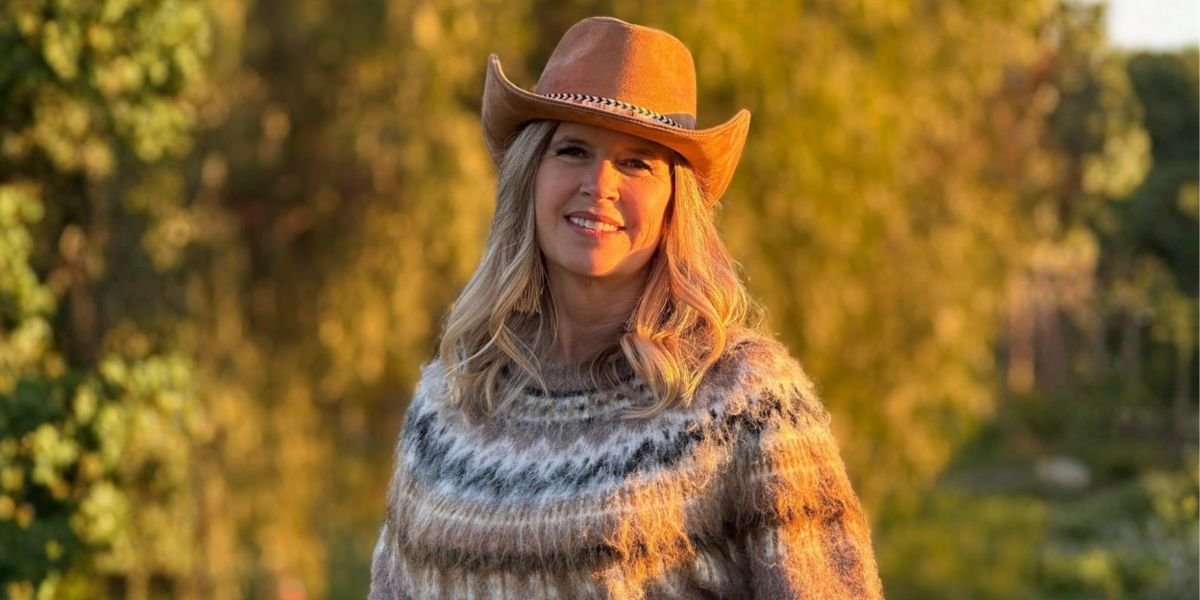
Christine Dickson, founder of the mentoring practice On The Path with Christine Dickson, is expanding her business with the launch of new online programs designed to help adults break patterns formed in unstable or toxic family environments. The new offerings mark a strategic shift in Dickson’s business model, moving her work beyond private mentorship and retreats into a more scalable online format.

For more than a decade, Dickson has mentored adults who grew up in environments shaped by instability, addiction or emotional unpredictability. Many of her clients appear successful and dependable externally while privately experiencing chronic stress, burnout or disconnection in their personal and professional lives.

Through her mentoring practice, Dickson helps clients identify survival strategies developed earlier in life and understand how those patterns influence present-day decision-making, relationships and career dynamics.

“Many people who grew up in chaotic environments learned to adapt in ways that helped them survive. But those same patterns can quietly follow them into adulthood and affect how they lead their lives, build relationships and navigate work,” Dickson says.

How Are the New Online Programs Structured?

Dickson’s newly launched online programs, The Foundational Path and The Guided Path, are designed to make her methodology accessible to a broader audience while allowing participants to continue balancing careers and family responsibilities.

Both programs are built around Dickson’s proprietary Path to Freedom Method, a framework she developed through years of mentoring work with clients navigating complex personal histories. The programs provide structured modules that guide participants through the process of identifying ingrained behavioral patterns and developing new approaches to personal leadership.

The Foundational Path offers participants access to the full curriculum along with monthly live group calls that allow participants to explore the work within a supportive community environment.

The Guided Path includes the same core curriculum but adds monthly one-on-one mentoring sessions with Dickson, allowing for deeper personalization and integration of the program’s concepts.

Enrollment for the programs opens March 25, with the official launch scheduled for March 31.

How Does Dickson Integrate Hypnotherapy and IEMT Into Her Work?

Dickson’s approach blends elements from several therapeutic and coaching disciplines. She is trained in Clinical Hypnotherapy and Integral Eye Movement Technique (IEMT), both of which she integrates into her broader mentoring model. These modalities are often used to address emotional imprints and behavioral patterns linked to earlier life experiences.

Earlier in her career, Dickson worked as a hypnotherapist, spiritual counselor and lead equine-assisted therapy clinician at a luxury residential treatment facility in Malibu. That experience helped shape the mentoring model she later developed independently.

Equine-assisted work, which involves facilitated interactions with horses, is widely used in certain therapeutic and leadership development settings to help participants build emotional awareness and communication skills.

Although her current online programs do not include the equine component directly, Dickson continues to incorporate the principles she developed during that period into her mentoring approach.

What Clients Say About the Work

Clients frequently describe Dickson’s work as meaningful and personally significant.

One client shared that working with Dickson helped them recognize long-standing patterns that had shaped their relationships and career decisions. “Christine has a rare ability to help you see yourself clearly without shame. With her support, I began to understand the old family dynamics that were quietly influencing my life,” the client said.

Another client described how the work influenced their marriage. Initially concerned that personal development work might create conflict, the client said the experience ultimately strengthened the relationship.

“When my wife began working with Christine, I was afraid. I worried it meant the end, that she’d see me as the problem and leave. But what actually happened was meaningful for both of us,” the client explained.

Media Recognition and Growing Interest in Personal Transformation Work

Dickson’s insights on personal transformation and relational dynamics have also gained attention in media and podcast spaces. She has appeared on The Journey On Podcast, where her 2022 episode ranked as the show’s third-most-downloaded episode that year, with more than 27,000 listens.

Her work has also been featured in The Elle Russ Show, Equine Assisted World, Creative Spirits Unleashed, and Voyage LA Magazine.

For Dickson, the expansion into structured online programs reflects both growing interest and a desire to make the work more widely accessible.

“Real transformation begins with clarity. When people can see the patterns shaping their lives, they gain the ability to change them. My goal is to help people move from survival into self-leadership so they can build relationships, careers, and lives that actually reflect who they are,” she says.

Through On The Path with Christine Dickson, Dickson continues to offer group programs, private mentorship, retreats and experiential workshops designed to support adults who want to move beyond inherited relational patterns and build lives rooted in self-trust and emotional freedom.

U.S. Markets Rattle as Geopolitical Risk Sends Oil Above $105

Oil prices surged above $105 per barrel this week amid escalating geopolitical tensions, especially in the Middle East. This sharp increase has created waves across global markets, with U.S. equities reacting negatively as concerns grow over inflation and economic stability. The surge has prompted analysts to revisit inflationary pressures, while energy-sensitive sectors, like airlines and logistics, are facing immediate challenges. At the same time, energy stocks have experienced growth, reflecting investor optimism in the short term.

Oil Price Surge and Its Global Impact

In recent days, oil prices have climbed significantly, reaching levels not seen in several years. As of this week, Brent crude prices surpassed $105 per barrel, driven largely by uncertainties surrounding the Middle East. Shipping routes and production hubs in the region are at heightened risk, creating instability in global oil markets.

With oil being a major input in numerous industries, this price spike has triggered concerns about rising costs for businesses and consumers. The volatility in oil prices could fuel inflation in the coming months, potentially complicating economic conditions for the U.S. and other global markets. Economists caution that if prices remain above $100 for an extended period, the ripple effects could be felt across various sectors, from transportation to consumer goods.

Market Reactions to Rising Oil Prices

The surge in oil prices has had a significant impact on U.S. markets, particularly in sectors that rely heavily on energy inputs. Equity markets, especially those tied to energy-sensitive industries, have experienced declines as rising fuel costs directly affect operational expenses. The airline and logistics sectors, in particular, have raised alarms about increased operational costs, which could reduce profitability in the short term.

In contrast, the energy sector has seen gains, as higher oil prices tend to benefit energy producers. Investors have shown confidence in these companies, expecting them to benefit from the elevated prices in the coming months. However, analysts warn that a prolonged period of high oil prices could have a broader economic impact, especially if consumer spending slows and corporate margins are squeezed.

Inflation Concerns Resurface as Energy Costs Rise

The spike in oil prices has reignited inflation fears across the U.S. As fuel costs rise, so do the prices of goods and services that depend on energy, from food to housing to retail products. Inflationary pressures are a central concern for U.S. consumers, as prices for everyday items increase due to higher energy costs.

The Federal Reserve has been closely monitoring the situation, as persistent price increases could complicate the central bank’s efforts to manage inflation and stabilize economic growth. Though the Fed has previously raised interest rates to curb inflation, higher energy costs could undermine those efforts, potentially leading to further tightening of monetary policy.

Disruptions in Global Supply Chains Exacerbate Price Pressures

The surge in oil prices is compounded by ongoing disruptions in global supply chains. Key shipping chokepoints, particularly in the Middle East, have faced significant delays due to geopolitical instability. This has left refiners and importers scrambling to secure alternative energy supplies. While U.S. energy production remains strong, the instability of global markets means that domestic prices are still subject to international fluctuations.

In the longer term, these disruptions may lead to tighter supplies and higher costs, particularly if the geopolitical situation in the Middle East worsens. As global demand for oil remains high, U.S. consumers and businesses could face sustained price hikes for fuel and goods.

Investor Sentiment in the Midst of Geopolitical Uncertainty

The current geopolitical climate has heightened uncertainty in financial markets. Investors are showing caution, shifting their focus to safer assets like U.S. Treasury bonds and gold. The demand for these assets has risen as risk sentiment grows amid the instability in global energy flows.

Market strategists indicate that the current market environment is one of heightened risk, with investors closely watching for any developments that could further disrupt oil supplies. Geopolitical risks are now a key factor driving asset performance, as traders react to news from the Middle East and its potential impact on the global economy.

U.S. Markets Face Broader Economic Challenges

As oil prices push toward triple-digit levels, U.S. markets are confronting a number of economic challenges. Economists warn that sustained disruptions to oil supply chains and prolonged inflationary pressures could undermine economic growth.

A combination of factors, including rising energy costs and the threat of further geopolitical instability, may put a strain on U.S. households and businesses. In particular, sectors dependent on transportation and manufacturing could face mounting pressure to maintain margins. Moreover, if inflation continues to rise, consumer confidence could falter, leading to a slowdown in economic activity.

Ultimately, the surge in oil prices serves as a reminder of the vulnerability of U.S. markets to external shocks. As the situation unfolds, policymakers may need to take targeted actions to mitigate the potential long-term economic impact of these disruptions.