

Dr. Jacqueline Mohair Is Advancing a Scalable Leadership Model for Business and Organizational Growth


As organizations navigate an increasingly complex and competitive landscape, leadership development is undergoing a significant transformation. Traditional models centered on individual coaching and personal branding are being supplemented and, in some cases, replaced by structured, systems-driven approaches designed for scalability and long-term impact.
Dr. Jacqueline Mohair is contributing to this shift by developing a leadership framework that integrates education, visibility, and organizational infrastructure.
As the founder of Trinity International University of Ambassadors, she has introduced The Bridge Builder Leadership Ecosystem™, a model designed to support both individual leadership advancement and broader organizational growth.
A Systems-Based Response to Modern Leadership Challenges
In recent years, leadership development has expanded rapidly, driven by digital learning platforms, entrepreneurial growth, and increased emphasis on personal positioning. While these developments have created new opportunities, they have also exposed challenges related to consistency, scalability, and measurable outcomes.
Dr. Mohair’s approach addresses these challenges by focusing on systems.
Her model connects key components, including:
- Education and structured training programs
- Media visibility and brand positioning
- Recognition and leadership validation systems
- Access to national and global leadership networks
By integrating these elements, the framework creates a repeatable and scalable pathway for leadership development.
Connecting Leadership Development to Business Outcomes
A distinguishing feature of Dr. Mohair’s model is its alignment with business outcomes.
Through her institutions and affiliated platforms, participants are not only trained in leadership principles but are also positioned to expand their visibility, credibility, and professional opportunities.
This approach supports individuals operating across multiple sectors, including entrepreneurship, corporate leadership, nonprofit management, and global initiatives.
In an environment where credibility and positioning often influence opportunity, this integration provides a strategic advantage.
Expanding Opportunities Through Visibility and Recognition
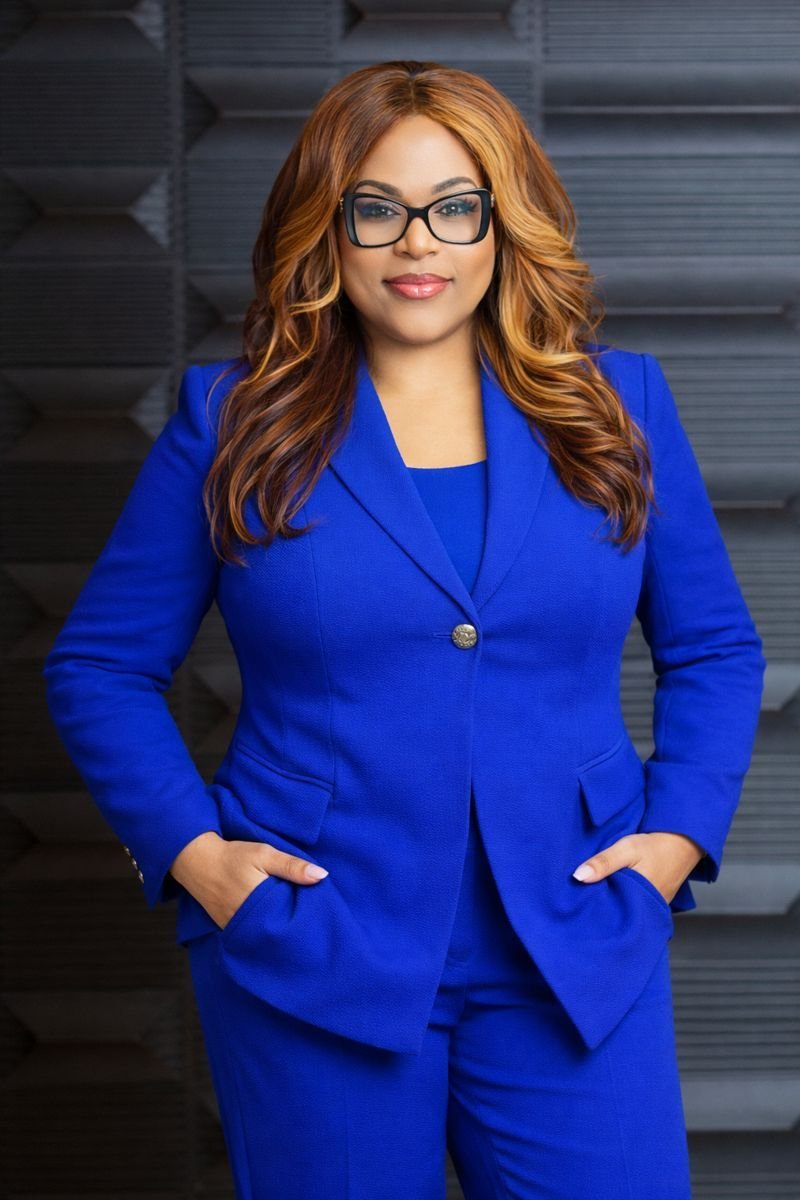
Photo Courtesy: Dr. Jacqueline Mohair
Dr. Mohair’s ecosystem extends beyond traditional education by incorporating visibility and recognition as core components of leadership development.
Participants gain access to:
- Media and publication opportunities
- Leadership recognition platforms
- Speaking engagements and brand exposure
- Strategic positioning within professional networks
This expanded model reflects a growing demand for leadership programs that combine capability development with market visibility.
Institutional Recognition and Community Impact
Her organizations have received formal recognition at the state level for contributions to education, entrepreneurship, and community leadership.
These acknowledgments highlight the role of structured leadership initiatives in supporting workforce development, economic participation, and community-based impact.
They also reflect the increasing importance of alternative education and leadership models within the broader business ecosystem.
Values-Based Leadership Within Structured Systems
An additional dimension of Dr. Mohair’s framework is the integration of values-based leadership within operational systems.
Her approach reflects a model in which purpose-driven leadership is aligned with structured execution, particularly in contexts involving ministry, community engagement, and entrepreneurship.
By connecting these areas within a scalable framework, the ecosystem supports leaders and organizations seeking to balance mission, economic opportunity, and measurable outcomes.
Positioning Within Global Leadership Frameworks
In addition to domestic impact, Dr. Mohair’s work aligns with international leadership and development efforts.
Through partnerships with organizations affiliated with the United Nations Economic and Social Council (ECOSOC), her initiatives contribute to discussions on education, economic empowerment, and inclusive leadership.
This alignment positions her model within a broader global framework focused on sustainable growth and cross-sector collaboration.
Built for Scale and Market Expansion
A core strength of The Bridge Builder Leadership Ecosystem™ is its scalability.
Through structured roles such as ambassadors and regional leadership networks, the framework is designed to expand across markets while maintaining consistency in delivery and operational standards.
This reflects a broader trend in business strategy, where systems-based models are increasingly used to support growth, replication, and long-term sustainability.
The Future of Leadership and Organizational Growth
As leadership development continues to evolve, there is a growing demand for models that integrate structure, visibility, and scalability.
Dr. Jacqueline Mohair’s work represents a systems-driven approach to meeting this demand, offering a framework that supports both individual leadership development and broader organizational growth.
Her model highlights the role of infrastructure in shaping the next generation of leaders and organizations operating in a global, interconnected economy.
About Dr. Jacqueline Mohair
Dr. Jacqueline Mohair is a leadership strategist, educator, and founder of Trinity International University of Ambassadors. Her work focuses on building scalable leadership systems that integrate education, visibility, and global engagement, with a focus on values-based leadership, community impact, and entrepreneurship.
Learn more:
