US Business News

New Siri Update Brings Apple Intelligence Into Daily iPhone Use

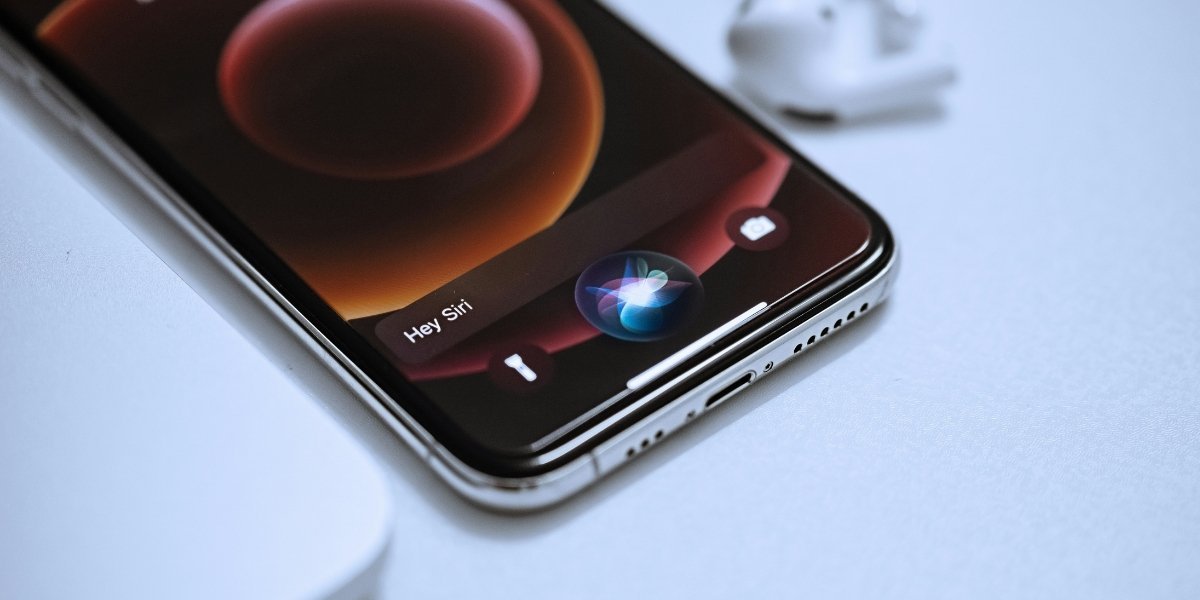
Apple is giving Siri a larger role on the iPhone as the company connects its voice assistant with Apple Intelligence features built for common daily tasks, communication, visual search, and app actions.

The update, announced as part of Apple’s latest software plans, places Siri closer to the center of the iPhone experience instead of keeping it mainly as a tool for simple voice commands. Apple says the next generation of Apple Intelligence supports a new Siri experience across its platforms, with features designed to help users manage messages, emails, photos, calls, notes, and app-based requests with fewer steps.

For U.S. iPhone users, the change is less about one attention-grabbing feature and more about how often Siri may appear during ordinary phone use. Apple’s public materials describe a system that can respond to typed or spoken requests, summarize information, help with device settings, support visual intelligence, and, through future software updates, understand more about what is on screen and what is stored on a user’s device.

Siri Moves Beyond Basic Voice Commands

The biggest change is the way Apple is presenting Siri as a more context-aware assistant. Instead of relying only on direct commands, the upgraded Siri experience is tied to Apple Intelligence features that can interpret written content, visual information, and user activity across Apple apps.

Apple says users can type to Siri from anywhere in the system with a double tap at the bottom of the iPhone or iPad screen. That detail matters because it makes Siri less dependent on voice use in public spaces, offices, classrooms, or late-night settings where speaking out loud may not be convenient.

The company is also positioning Siri as a guide for Apple products. Users can ask how to complete tasks on an iPhone, iPad, or Mac, and Siri can provide step-by-step directions for device features and settings. That could make the update more visible to users who rarely open Settings menus or search online for basic how-to instructions.

Apple’s broader Apple Intelligence page also describes Siri as being able to connect with ChatGPT when appropriate, with users asked before information is shared. That connection gives Siri another route for broader knowledge requests while keeping Apple’s privacy messaging central to the experience.

Apple Intelligence Reaches Messages, Mail, Photos, and Calls

The Siri update arrives with a wider set of Apple Intelligence tools built into routine iPhone use. Apple describes features that can summarize long emails, shorten lengthy voicemails, identify key questions in Mail, suggest Smart Reply options, and prioritize time-sensitive messages in the inbox.

Those functions are central to Apple’s approach: reduce friction around common phone tasks without asking users to open a separate AI app. A user sorting through email, checking a voicemail, or replying to a message may see Apple Intelligence appear inside the app already being used.

Visual intelligence is another major part of the update. Apple says iPhone users can learn more about what is in front of them or what is on their screen, including turning a poster into a Calendar event, summarizing visible content, asking questions about items in the physical environment, or searching across supported apps for similar products or information.

Photos also has a larger role. Apple says users can search for photos and videos by describing what they want to find, including specific moments inside video clips. The company also highlights custom memory movies, Genmoji, Image Playground, and Clean Up in Photos, though some features depend on region, language, and device availability.

The Most Watched Siri Features Are Still Carefully Framed

Apple’s most closely watched Siri features are being described with caution. The company says onscreen awareness, personal context understanding, and deeper in-app actions are in development and will arrive with a future software update.

Those features could make Siri more useful in practical situations. Apple gives examples such as asking Siri to add a texted address to a contact card, find information from notes, messages, or email, or complete a task across apps after a user references something already on the device.

The careful wording matters. Apple is not presenting every Siri capability as fully available to all users at once. Some features are active now, some are in beta, and others are still listed as future updates. That distinction may matter for consumers deciding whether the new Siri experience is available on their current device or tied to newer hardware.

Apple also lists Apple Intelligence as compatible with newer iPhone models, including iPhone 15 Pro models and later Apple Intelligence-enabled devices. That leaves many older iPhones outside the complete feature set, even though they may still receive other software improvements.

Choosing the Right Lawyer for an Out-of-State Las Vegas Injury Claim

A trip to Las Vegas is often planned around entertainment, dining, and time away from daily routines. When an accident happens, the experience can quickly become overshadowed by uncertainty. A tourist injury claim Las Vegas visitors pursue may continue for months after the accident, especially when medical treatment and insurance negotiations remain ongoing after returning home.

For visitors injured while traveling, one of the first practical concerns is: Do you need to return to Nevada to handle a legal claim?

In most cases, the answer is no. Understanding how a tourist injury claim in Las Vegas works can help you move forward without disrupting your life back home. It can also help you understand what to look for in a car accident lawyer, including experience with Nevada injury claims, clear communication with out-of-state clients, and familiarity with handling cases remotely.

Filing a Claim Without Returning to Nevada

Handling injury claims as a visitor has become more manageable, especially with legal teams equipped to work with out-of-state clients. The process typically begins shortly after the incident, when you or your representative gathers documentation such as medical records, accident reports, and witness information.

From there, your personal injury attorney communicates directly with insurance companies, negotiates on your behalf, and prepares any necessary legal filings. Much of this work can be completed remotely via phone, email, and secure document sharing. For a client handling injury claims as a tourist in Las Vegas, the process unfolds without the need to physically return.

If a case proceeds to litigation, your legal team can often represent your interests in court appearances, limiting your involvement to key moments when your participation is required.

What to Expect During the Process

While every case differs, the general steps remain the same. After the initial consultation, your attorney evaluates liability and damages, then submits a claim to the responsible party’s insurance provider. Negotiations may follow, and many cases are resolved through settlement rather than trial.

For out-of-state clients, communication is especially important. Regular updates, clear explanations, and timely responses can make a significant difference in how manageable the process feels. This is where working with an attorney experienced in the out-of-state personal injury claim process in Nevada is particularly valuable.

Experience That Shapes Strategy

Adam S. Kutner has spent more than 35 years representing personal injury victims across Las Vegas and Nevada. Over that time, he has resolved more than 40,000 cases, developing a practical understanding of how claims are evaluated and negotiated.

His early career as an insurance defense attorney provides insight into how insurance companies assess risk and defend claims. That background informs how cases are prepared and positioned, particularly when working toward favorable settlements.

Kutner’s approach also emphasizes consistent communication and client support, which can be especially important for those managing a claim in another state.

Recognition and Community Connection

Kutner and his firm have received multiple honors, including 2025 Best of Las Vegas Gold Awards for Best Law Firm, Best Personal Injury Lawyer, Best Accident Lawyer, and Best Law Customer Service. Additional recognitions include Martindale-Hubbell Client Champion Gold and AVVO Clients’ Choice distinctions.

His educational background includes a Bachelor of Arts from the University of Pennsylvania and a Juris Doctor from the University of Miami School of Law.

Beyond his legal work, Kutner remains active in the Las Vegas community through initiatives such as Adam Kutner Cares. His involvement includes support for organizations such as Three Square Food Bank, Opportunity Village, Make-A-Wish Southern Nevada, and Communities in Schools of Nevada, as well as local youth programs. Community efforts have also included scholarships, toy drives, and recognition programs for local contributors.

Moving Forward After an Injury

For visitors, the idea of managing a legal claim from another state can feel overwhelming at first. In practice, the process is structured to allow you to focus on recovery while your legal team handles the details.

With support and a clear understanding of each step, pursuing a claim after a Las Vegas accident can be handled from wherever you call home.

Disclaimer: The content in this article is provided for general knowledge. It does not constitute legal advice, and readers should seek advice from qualified legal professionals regarding particular cases or situations.

Buying a Lake Home in the Adirondacks, NY? Avoid These Costly Mistakes First

By KeyCrew Media

Buying a waterfront property in the Adirondacks is not like buying one anywhere else in the country. The land is regulated by the Adirondack Park Agency (APA), a state body whose rules override local zoning boards and determine what every buyer can and cannot do with a property for as long as they own it. Chase Jermano, a luxury and waterfront specialist at Tina Leonard Real Estate, has worked this market for years, and the mistakes he sees first-time lake home buyers make are consistent, costly, and almost always avoidable.

Here are the ones that come up most often.

Falling in Love Before Doing Due Diligence

Emotional attachment is the most common mistake and the most expensive. A buyer stands on a dock at golden hour, looking out over the water, and mentally moves in. From that point on, the inspection becomes an afterthought. The septic is ignored because the camp has been in the same family for 50 years. The shoreline classification is never checked. The dock that forms the centerpiece of every mental image may be unpermitted.

The Adirondacks are genuinely beautiful, and that attachment is understandable. But the same APA regulations that protect the landscape mean a failed inspection can end a deal. A buyer who is already emotionally committed is in a much weaker position to walk away or negotiate.

Assuming Every Waterfront Property Comes with the Same Rights

Properties on the same lake can have dramatically different rights, setbacks, and development potential. Lake Placid spans two towns, and the rules on one side are not the rules on the other. The APA classifies land on a spectrum from resource management to hamlet designation, and that classification determines what you can build, expand, or change on a property.

Two camps that look identical from the water can have completely different development futures. A buyer who does not check the APA classification on a specific parcel before making an offer is buying without the most basic information.

Getting Blindsided by the Septic

In most markets, a septic issue is a repair cost. In the Adirondacks, it can stop a deal entirely. Replacement options are constrained by lot size, setbacks from the water, and APA requirements. Some properties have no straightforward replacement option under current regulations. The deal falls apart not because of the cost of repair but because current regulations may not allow a new system to be installed at all.

Lake Placid now requires every septic system to be inspected. When a system fails that inspection with no viable replacement, neither the seller nor the buyer has a path forward that money can solve.

Not Asking About the Dock

The dock in the listing photos may be unpermitted. If it needs replacing or significant repair, the permit to do so may not be available, depending on the shoreline designation. Some properties cannot have a new dock installed under the current APA or municipal rules. The dock that is there is the dock you are getting, and its permit status needs to be confirmed before closing.

On certain shoreline designations, a damaged dock cannot be replaced outright. Repairs are possible, but each one requires a permit, and what you are allowed to do is strictly defined. This is not information that surfaces automatically in a standard inspection.

Overlooking Water Rights and Shared Access

Not every waterfront deed conveys full rights to the water. Shared deeded rights of way and seasonal easements are more common in the Adirondacks than buyers expect, and they affect both how you use the property today and what it is worth when you sell.

In some cases, a buyer may not even own the trees directly in front of the property. After a few years of growth, those trees can block the view that drove the purchase decision, with no clear recourse available because the trees sit on someone else’s land.

Not Asking About Year-Round Access

A property that is perfect in July may sit on a road that is not maintained in winter, or may be accessible only by water. The active season on many Adirondack waterfront properties runs roughly four to five months. If year-round use is the plan, that question needs to be answered before the offer, not after closing.

For buyers considering a purchase in the Adirondack region, a current market snapshot is available at tinaleonardrealestate.com/snapshot.

Chase Jermano is a luxury and waterfront real estate specialist at Tina Leonard Real Estate, serving the Adirondacks, Lake Placid, Keene, and Saranac Lake markets in New York. A three-time consecutive winner of the Best Real Estate Agent of the Mountains award from the Adirondack Daily Enterprise, Chase specializes in waterfront properties, second homes, and high-end buyer and seller transactions throughout the region.

Disclaimer: This article is based on information provided by the expert source cited above. It is intended for general informational purposes only and does not constitute legal, financial, or real estate advice. Readers should conduct their own research and consult qualified professionals before making any real estate or financial decisions.

Backed by Y Combinator, Saudara AI Modernizes Manufacturing

Global sourcing has long depended on fragmented networks, middlemen, spreadsheets, and instant messaging apps. For many U.S. brands searching for reliable manufacturers across Asia, finding the right supplier can take months of outreach, vetting, negotiation, and back-and-forth coordination.

Saudara AI believes artificial intelligence can change that.

The startup, founded by Edward Haryono and Jennifer Prasetyo, is building what it describes as an AI-native sourcing broker that connects U.S. brands with vetted Asian manufacturers across industries, including apparel, textiles, home goods, furniture, hardware, footwear, and bags. By combining AI agents with human oversight, the company aims to compress sourcing timelines from months into days while reducing reliance on traditional sourcing intermediaries that often take between 5% and 15% commissions.

That vision recently earned Saudara AI one of its biggest milestones to date: acceptance into Y Combinator’s Spring 2026 batch, joining a network known for backing companies such as Airbnb and DoorDash.

Photo Courtesy: Saudara AI

For the co-founders, the company represents more than a business opportunity. It is also deeply connected to family history and personal experience inside manufacturing.

Both Haryono and Prasetyo come from multi-generational entrepreneurial families rooted in Indonesia’s manufacturing sector. Prasetyo grew up around factories in East Java operated by her family across multiple generations, producing yarn for international buyers. Haryono, meanwhile, spent years working around supply chain operations and studying how global sourcing shaped commerce.

Photo Courtesy: Saudara AI

The pair said they had discussed entrepreneurship for years before deciding to launch Saudara AI.

Before starting the company, they experimented with multiple ideas, including AI developer tools and e-commerce businesses. Yet the concept of modernizing sourcing relationships continued to resurface.

Prasetyo had often observed how sourcing agents based in Hong Kong or the United States would bring orders to her family’s factory, sometimes discovering suppliers through little more than chance connections. She believed there was an opportunity to build a more scalable and transparent system around those relationships.

At the same time, broader shifts in global trade were creating new sourcing demand. Haryono noted that changing tariff dynamics and supply chain disruptions prompted an increasing number of businesses to look beyond traditional manufacturing hubs.

As inbound requests for Indonesian factory connections grew, advances in generative AI also changed what the founders believed was operationally possible.

According to the company, AI agents now help automate supplier discovery, qualification, sample tracking, and ongoing factory management tasks that historically required large teams and extensive manual coordination. Humans remain involved where relationship-building and trust are essential, but automation allows the platform to scale far more efficiently than traditional sourcing broker models.

The company describes its long-term ambition as building a global manufacturing infrastructure platform, beginning with Indonesia and eventually expanding across broader Asian manufacturing networks.

Indonesia, in particular, represents a strategic focus for the founders. Despite being the world’s fourth most populous country, the nation remains underrepresented in global sourcing conversations compared to manufacturing giants such as China and Vietnam.

Saudara AI hopes to help elevate Indonesian manufacturing capabilities while also giving international brands access to a broader and more diversified supplier base.

The founders also bring technical and operational backgrounds that complement the company’s mission.

Before launching Saudara AI, Prasetyo worked as an engineer at Microsoft and Meta, where she gained experience building large-scale systems. At Saudara AI, she now leads engineering efforts focused on supplier intelligence systems, AI agents, and data infrastructure designed to turn relationship-driven sourcing processes traditionally into scalable workflows.

Haryono brings more than six years of product management experience, with a focus on cross-functional product development and supply chain operations. His background includes work involving sourcing and manufacturing systems, as well as a growing interest in how generative AI can improve procurement and operational efficiency.

Industry observers have increasingly pointed to sourcing and procurement as sectors ripe for AI-driven transformation. While generative AI has largely captured public attention through consumer-facing applications, many startups are now racing to apply the technology to logistics, operations, and industrial workflows where inefficiencies remain deeply entrenched.

Saudara AI is positioning itself within that shift by targeting one of the most manual areas of global commerce: cross-border manufacturing relationships.

The company argues that sourcing today still relies heavily on disconnected communication channels and opaque broker networks, even as brands demand faster production timelines and more resilient supply chains.

By blending AI automation with human relationship management, Saudara AI believes it can modernize how brands and manufacturers connect while preserving the trust-based dynamics that remain critical to global manufacturing.

For now, the company’s entry into Y Combinator marks an early but significant validation point. As the startup accelerator’s Spring 2026 batch concludes, Saudara AI joins a growing wave of startups seeking to apply AI beyond consumer software and into the infrastructure that powers global trade itself.