
US Business News

Can DACA Recipients Qualify for Green Cards Without Marriage?


For many DACA recipients, adulthood has been measured in two-year permits. They work, pay taxes, build careers, and renew again. The legal status that helped them enter the workforce never afforded them the permanence that careers, families, and long-term plans require.

Hillary Walsh, founder and CEO of New Frontier Immigration Law, has been pushing a more specific question: whether some DACA recipients have been told too narrow a story about their options. Walsh has taught immigration law to attorneys through the State Bar of Arizona, has handled appellate immigration matters, and has built part of her practice around helping immigrants move from temporary protection to lawful stability. And recently, she has turned her focus to helping DACA recipients get their green card through their professional experience.

Why Marriage Became the Default Answer

DACA began in 2012 as deferred action for certain people brought to the United States as children. It offered protection from deportation and work authorization. It did not create a direct path to a green card, citizenship, or permanent residence.

Because of that gap, many DACA recipients have been told that marriage to a U.S. citizen is their most realistic option. For some, family-based immigration may work. For others, it may not fit their lives, immigration histories, or personal circumstances.

That narrow framing has left many professionals stuck. Hundreds of thousands of people have lived under DACA. Many are now doctors, lawyers, engineers, researchers, journalists, founders, teachers, and managers. Their careers have grown, while their status has stayed temporary.

“DACA gave people permission to work, but it never gave them permission to stay,” Walsh has said.

That distinction matters. A two-year work permit may allow employment, but it can make long-term planning difficult. Promotions, licensing, travel, mortgages, and family planning can all be affected by uncertainty.

The Employment-Based Paths Some People Miss

DACA itself does not bar someone from examining employment-based green card options. The harder questions involve eligibility, lawful entry, unlawful presence, travel history, prior filings, and whether the person can complete the process inside or outside the United States.

PERM is one possible route. It involves employer sponsorship and labor certification through the Department of Labor. The employer must test the labor market and demonstrate that no qualified, willing, and available U.S. worker meets the role’s requirements under the required standard. For a DACA recipient in a specialized position with a committed employer, PERM may be worth reviewing.

The National Interest Waiver, often called NIW, may apply to people whose work has substantial merit and national importance. Doctors serving underserved areas, researchers, engineers, public health workers, AI professionals, and some entrepreneurs may have evidence that supports this kind of case.

EB-1 is narrower but important. It may fit people with extraordinary ability, major awards, original contributions, published work, press recognition, judging roles, or leadership in a field. Some DACA recipients may assume they could never qualify. Walsh’s argument is that the evidence should be reviewed before that conclusion is reached.

Why Employers Matter

Employers often treat DACA as a private matter for the worker. That can be a mistake. If a DACA recipient is essential to a company, hospital, newsroom, lab, or school, the employer may have a role in creating a permanent solution.

Walsh’s broader legal work has included policy advocacy and complex immigration litigation, including matters before federal appellate courts and the Board of Immigration Appeals. That background shapes how she evaluates these cases. She is not simply asking whether someone has DACA. She is asking what the person has built while living under DACA.

The first step is a careful screening. A lawyer must review immigration history, entries, parole, education, achievements, employer support, possible waivers, and risks of consular processing. Some people will not qualify. Others may discover that their work record has created options they never heard about.

The marriage-only narrative is incomplete. For high-achieving DACA recipients, the more useful question is whether their professional lives have become strong enough to support a green card strategy of their own.

To learn more, Walsh’s book, From DACA to Green Card: No Marriage Required, is available now.

Disclaimer: The information provided in this article is for general informational purposes only and is not intended as legal, financial, or professional advice. While we strive for accuracy, we make no representations or warranties, express or implied, about the completeness, accuracy, reliability, suitability, or availability of this information. Use of this information is at your own risk.
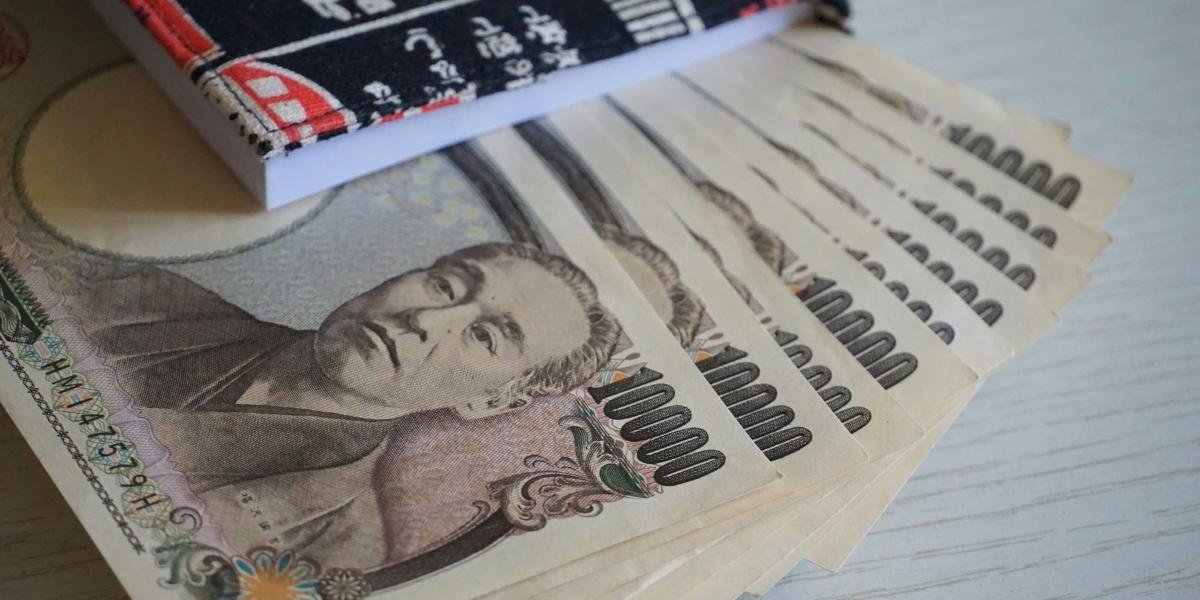

U.S.-Japan Yen Intervention Targets Sharp Currency Decline

The United States and Japan confirmed a coordinated intervention to support the Japanese yen after it weakened to a multi-decade low. The action marks the first joint currency intervention by the two countries since 2011 and carries implications for global financial markets, trade, and exchange rate stability.

Key Takeaways

  • The United States and Japan confirmed a joint intervention to support the Japanese yen.
  • The coordinated action is the first between the two countries since 2011.
  • Japanese authorities acted after the yen fell to a multi-decade low against the U.S. dollar.
  • U.S. Treasury participation was confirmed following the market intervention.
  • Officials stated they remain prepared to conduct additional coordinated actions if necessary.

The U.S.-Japan yen intervention was confirmed after the United States and Japan coordinated action in foreign exchange markets to support the Japanese yen following its decline to a multi-decade low against the U.S. dollar. The move marked the first joint currency intervention by the two governments since 2011 and signaled a coordinated effort to address disorderly movements in the foreign exchange market.

Japanese authorities confirmed they entered currency markets after the yen weakened sharply, while the U.S. Treasury acknowledged its participation in the coordinated operation. Officials from both countries stated they remain prepared to conduct additional interventions if market conditions warrant further action.

The coordinated effort followed sustained pressure on the Japanese currency, which had fallen to its weakest level in decades. The decline increased concerns about excessive volatility in currency markets and its potential effects on trade, financial stability, and cross-border business activity.

U.S.-Japan Yen Intervention Marks Rare Coordinated Action

The intervention represents the first coordinated currency operation between the United States and Japan since 2011, when both governments joined other Group of Seven economies following Japan’s earthquake and tsunami.

The latest operation involved coordinated purchases of the Japanese yen intended to slow its depreciation against the U.S. dollar. Japanese officials confirmed that domestic authorities entered the market before the United States participated in the joint effort.

U.S. Treasury Secretary Scott Bessent confirmed the United States took part in the coordinated intervention. Japanese officials stated that the operation was designed to counter excessive volatility and disorderly movements in the yen.

Officials from both governments also indicated they would not rule out additional coordinated action if market conditions require further intervention.

The confirmation followed market attention surrounding the Treasury’s involvement after reports indicated preparations had been made for participation in foreign exchange operations. Businesses monitoring Federal Reserve rate outlook developments may also view the intervention alongside broader monetary policy conditions that influence global currency valuations. 

Currency Market Operations Follow Sharp Yen Decline

Interest Rate Differences Continue to Influence the Yen

The Japanese yen has remained under pressure primarily because interest rates in Japan continue to be substantially lower than those in the United States. Higher U.S. interest rates have supported demand for dollar-denominated assets, making the dollar relatively more attractive to international investors.

Although the Bank of Japan has raised interest rates in recent months, the gap between Japanese and U.S. benchmark rates remains significant. That difference has continued to influence capital flows and exchange rate movements.

Additional economic factors have also weighed on the Japanese currency, including Japan’s dependence on imported energy, which is largely priced in U.S. dollars, and longer-term demographic and productivity challenges affecting economic growth.

Official Market Operations Target Exchange Rate Stability

U.S.-Japan Yen Intervention Targets Sharp Currency Decline (1)

Photo Credit: Unsplash.com

Currency intervention differs from monetary policy because it involves governments buying or selling currencies directly in foreign exchange markets rather than changing benchmark interest rates.

In this case, Japanese authorities purchased yen while selling foreign currency reserves. The United States confirmed its participation through coordinated market operations designed to reinforce Japan’s efforts.

Officials described the intervention as a response to excessive currency volatility rather than an attempt to establish a fixed exchange rate. Such operations are generally intended to restore orderly market conditions during periods of unusually rapid currency movements.

The coordinated approach also demonstrated policy alignment between Washington and Tokyo regarding financial market stability, alongside ongoing Treasury supply chain stability efforts affecting international commerce. 

Treasury and Japanese Officials Confirm Joint Participation

Japanese government officials stated that coordinated action with the United States was intended to address disorderly movements affecting the yen.

Scott Bessent confirmed the Treasury’s participation and stated that the United States supports Japan’s efforts to correct substantial undervaluation of its currency.

President Donald Trump also acknowledged the coordinated action, stating that the United States assisted Japan after Japanese authorities requested support for their currency stabilization efforts.

The intervention followed reports that U.S. officials had informed financial institutions that Treasury participation in foreign exchange operations could occur.

The coordinated operation also drew attention after information visible during a Cabinet meeting suggested Treasury preparations involving purchases of Japanese yen. Treasury officials did not provide additional public details regarding operational amounts beyond confirming participation in the intervention.

The Federal Reserve Bank of New York also participated in executing Treasury foreign exchange operations conducted on behalf of the U.S. government. The coordinated response also aligns with broader discussions surrounding trade flows and the wider U.S. deficit, where exchange rates can influence import costs and export competitiveness. 

Market Response Reflects Immediate Currency Stabilization

Currency Trading Responds to Coordinated Action

Foreign exchange markets reacted quickly following the intervention.

The Japanese yen strengthened against the U.S. dollar after Japanese authorities entered the market, with additional gains following confirmation of U.S. participation.

Trading activity reflected reduced downward pressure on the yen during the hours following the coordinated operation. Currency markets responded to both the intervention itself and official confirmation from Washington and Tokyo.

Financial market participants also monitored movements in Japanese government bonds alongside exchange rate developments, as both markets have experienced heightened volatility.

A stronger yen can influence import and export pricing, corporate earnings translated across currencies, and international purchasing costs for businesses operating between Japan and the United States. These considerations often form part of broader U.S. supply chain strategy for manufacturers, importers, and exporters. 

Officials Signal Readiness for Additional Measures

Officials from both governments stated they remain prepared to conduct additional coordinated interventions if necessary.

The statements were intended to reinforce market confidence that authorities are prepared to respond should excessive currency volatility continue.

Economists have noted that official intervention can influence market expectations by discouraging speculative trading during periods of unusual exchange rate pressure.

While intervention alone does not change underlying monetary policy, coordinated action between major economies can affect short-term currency movements by demonstrating unified government support for market stability.

Frequently Asked Questions

What is the U.S.-Japan yen intervention?

The U.S.-Japan yen intervention is a coordinated foreign exchange operation in which the United States and Japan acted together to support the Japanese yen after it weakened to a multi-decade low.

Why did the United States and Japan intervene in the currency market?

Officials stated the intervention was intended to counter excessive volatility and disorderly movements in the Japanese yen.

When was the last coordinated U.S.-Japan currency intervention?

The previous coordinated intervention between the United States and Japan occurred in 2011 following the earthquake and tsunami in eastern Japan.

What caused the Japanese yen to weaken?

The yen has been pressured by the gap between Japanese and U.S. interest rates, along with additional economic factors including Japan’s reliance on imported energy priced in U.S. dollars.

How did currency markets respond to the intervention?

The Japanese yen strengthened against the U.S. dollar following intervention by Japanese authorities and additional confirmation of coordinated participation by the United States.