U.S.–Canada Tariff Talks Move Toward a Critical Deadline

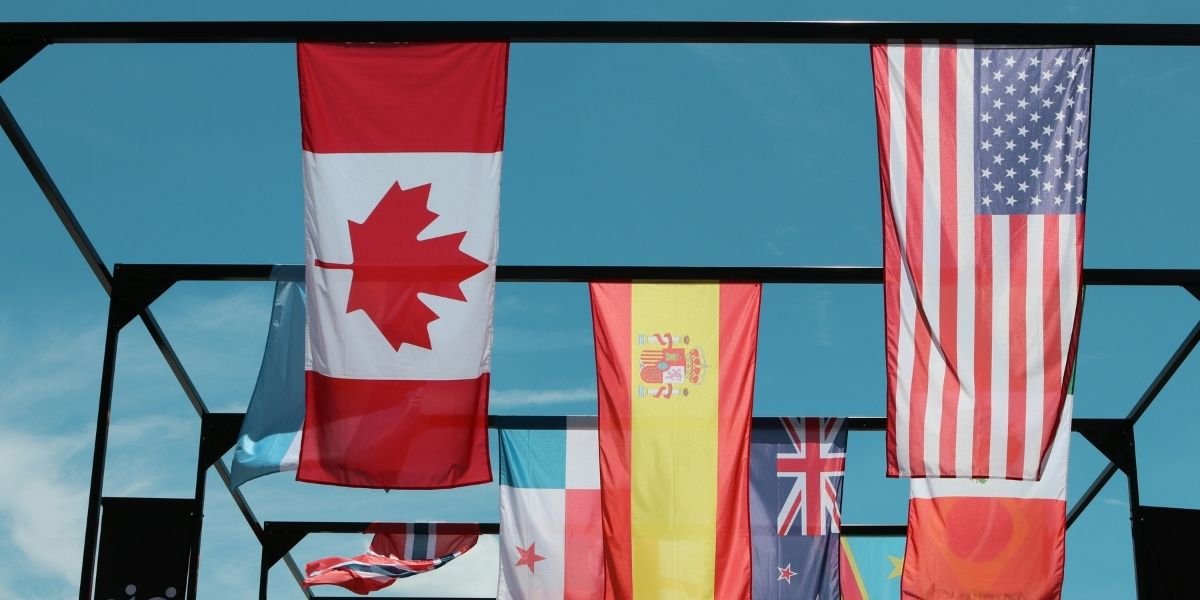
U.S.–Canada tariff talks are entering their final days before an Aug. 19 deadline for new 50% duties on nearly $20 billion in Canadian imports. Negotiators remain in discussions over autos, dairy, alcohol and existing trade measures, while U.S. companies are assessing how any agreement, or the absence of one, could affect cross-border costs and supply chains.
U.S. and Canadian officials are continuing negotiations in Washington with less than a week remaining before the scheduled tariff takes effect. A Canadian government source familiar with the discussions told Reuters on Aug. 13 that talks were progressing well and that Washington also wanted an agreement before the deadline.
That positive assessment followed a more cautious signal one day earlier. Reuters reported on Aug. 12 that Canadian officials were dissatisfied with the latest U.S. proposal because it offered less tariff relief than Canada had sought. Together, the developments show negotiations are active but unresolved.
Key Takeaways
- The new 50% tariff is scheduled to take effect at 12:01 a.m. Eastern time on Aug. 19, 2026, unless the policy changes before then.
- The U.S. Trade Representative said the measures cover nearly $20 billion in Canadian imports.
- Covered products will not receive an exemption simply because they otherwise qualify under the U.S.-Mexico-Canada Agreement.
- Energy, potash, fish, critical minerals and products already subject to Section 232 measures are among the stated exclusions.
- Negotiators have discussed issues involving autos, dairy, alcohol and existing U.S. tariffs on Canadian steel and aluminum.
The tariff scheduled for Aug. 19 differs from some earlier U.S. measures because covered Canadian goods will remain subject to the additional duty even when they would otherwise qualify for preferential treatment under USMCA. The White House said the actions cover products ranging from wine and cement to hockey sticks.
The U.S. Trade Representative said the 50% tariff applies to nearly $20 billion in Canadian imports. Reuters reported that the amount represents roughly 5.2% of the goods the United States imported from Canada in 2025.
The measure covers only part of a much larger commercial relationship. U.S. Census Bureau data show that through June 2026, the United States had exported approximately $175.8 billion in goods to Canada and imported about $200.2 billion, bringing two-way goods trade to roughly $376 billion during the first six months of the year.
That volume makes the deadline relevant even for companies whose products are not directly included in the new tariff schedule. Businesses operating across the border often depend on interconnected manufacturing, transportation and procurement networks. Broader changes in U.S. supply chain strategy have already placed greater attention on sourcing flexibility and exposure to changing trade costs.
The White House has identified several exclusions from the new action. Energy, potash, fish, critical minerals and goods already covered by Section 232 tariffs are among the categories excluded from the additional Section 338 duties.
Negotiators Focus on Autos, Dairy, Alcohol and Metals
The current U.S.–Canada tariff talks extend beyond the products directly covered by the Aug. 19 measure.
Reuters reported on Aug. 7 that a potential arrangement under discussion could involve Canada removing tariffs on U.S. autos, reaching an agreement over the administration of dairy quotas and seeking the return of American alcohol to shelves in major Canadian provinces. In exchange, the United States could reduce existing tariffs on Canadian steel and aluminum. The reported terms have not been announced as a final agreement.
Alcohol remains a particularly complex part of the discussions because retail distribution falls under provincial authority in Canada. The federal government cannot independently require provinces to restock American alcohol, limiting what Canadian federal negotiators can deliver through a bilateral trade agreement.
Meetings have intensified as the deadline approaches. Canadian Trade Minister Dominic LeBlanc and Chief Trade Negotiator Janice Charette met U.S. Trade Representative Jamieson Greer on Aug. 11, marking LeBlanc’s third meeting with U.S. trade officials in three weeks. Reuters reported that officials were working to prevent the scheduled tariffs from taking effect.
By Aug. 12, however, a reported U.S. proposal remained short of the tariff reductions Canadian officials were seeking. The following day’s assessment that negotiations were progressing well suggests discussions continued despite that gap, but neither government had announced completed terms as of Aug. 13.
U.S. Businesses Assess Costs as U.S.–Canada Tariff Talks Continue
The approaching deadline creates a practical question about how imported goods will be treated once they enter the country.
The presidential proclamation states that the additional duty applies to covered goods entered for consumption, or withdrawn from warehouses for consumption, beginning at 12:01 a.m. Eastern time on Aug. 19. That makes the effective date particularly relevant to importers managing shipments already moving through North American supply networks.
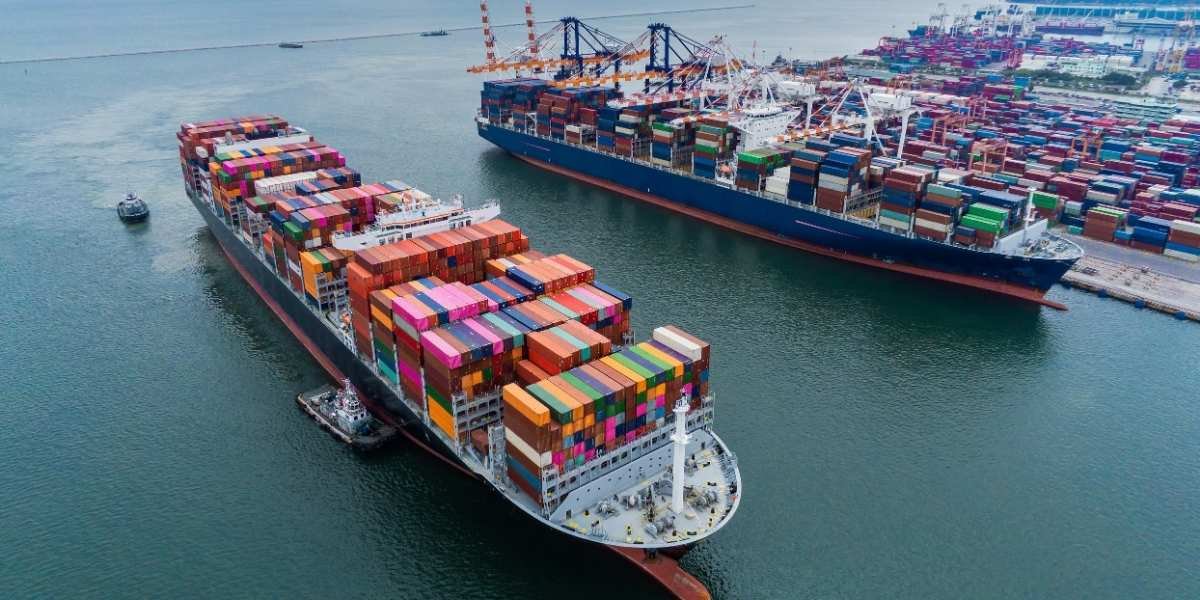
Photo Credit: Unsplash.com
Companies handling affected products may need to review tariff classifications, existing contracts, shipment timing and landed costs. Businesses that purchase Canadian materials or finished goods could also have to determine whether their products fall under one of the stated exclusions.
Tariffs can affect companies differently depending on contracts, sourcing arrangements and how much of the additional cost can be absorbed or passed through. Separate analysis of tariff costs for consumers has highlighted how higher import expenses can move through pricing and supply chains rather than remaining solely with importers.
The broader trade relationship adds to the significance of those decisions. Canada ranked as the United States’ second-largest goods trading partner by total trade through June 2026, accounting for about 12.6% of U.S. goods trade during that period, according to Census Bureau data.
The immediate timeline is now clear. Unless the announced tariff schedule is changed through negotiations or another official action, covered Canadian goods entering U.S. commerce from Aug. 19 will face the additional 50% duty. The remaining U.S.–Canada tariff discussions will determine whether businesses must operate under those published terms or a revised arrangement.
Frequently Asked Questions
When Does the New U.S.–Canada Tariff Take Effect?
The additional 50% tariff is scheduled to take effect at 12:01 a.m. Eastern time on Aug. 19, 2026. It applies to covered goods entered for consumption or withdrawn from warehouses for consumption from that time unless the policy is changed.
How Much Canadian Trade Is Covered?
The U.S. Trade Representative said the new tariffs cover nearly $20 billion in Canadian imports. Reuters reported that this represents about 5.2% of U.S. goods imports from Canada in 2025.
Do USMCA-Qualifying Goods Receive an Exemption?
Not if the product is included in the new Section 338 tariff lists. The White House states that covered goods are subject to the additional tariff regardless of whether they otherwise qualify under USMCA.
Which Products Are Excluded From the New Tariff?
The stated exclusions include energy, potash, fish, critical minerals and products already subject to Section 232 tariffs. The measures apply only to products identified in the relevant tariff schedules.
What Are U.S. and Canadian Officials Negotiating?
Reported discussions have included autos, dairy quota administration, American alcohol sales in Canadian provinces and existing U.S. tariffs on Canadian steel and aluminum. Those reported elements remain negotiating points rather than finalized terms.