US Business News

How Technology Solutions Provider, Inc. Adapted to Two Decades of Change in Federal Technology Contracting


The contracting process for federal technology in the United States has shifted significantly over the past couple of decades. Federal organizations that once relied on large on-site computing systems and lengthy procurement processes have become increasingly dependent on cloud computing, agile software development, data integration, and digital public services. Over the past several fiscal years, the federal government has invested more than $100 billion in information technology, according to United States budget data, focusing on modernization efforts, cybersecurity, and digital citizen infrastructure. In this environment, mid-sized contractors have become increasingly important as they help federal organizations modernize legacy systems.

Technology Solutions Provider, Inc., known as TSPi, was developed during this period of transition. Founded in 2001 by Vishal Suri and headquartered in Reston, Virginia, the company began as a network engineering and IT infrastructure services business before expanding into broader federal modernization work. Over time, TSPi moved into cloud integration, software engineering, low-code development, data science, and digital modernization programs tied to civilian agencies. In May 2024, Abt Global acquired the company as part of a broader expansion of digital capabilities within the federal consulting market.

In the early 2000s, federal agencies faced growing pressure to upgrade legacy systems created several years earlier. In the market at that time, contractors usually grew by building strong relationships with agencies and specializing in technical support. According to information provided by the company and through subsequent acquisitions, TSPi built its earliest relationships with agencies such as the Department of the Treasury, the Department of Housing and Urban Development, and the U.S. Department of Agriculture. These relationships enabled TSPi to enter a federal contracting market sector that was becoming increasingly favorable for companies supporting both operational infrastructure and software modernization.

As priorities shifted toward digitization and cloud technologies, TSPi developed new areas of technical expertise. Later, the company highlighted an agile software development approach, low-code/no-code development platforms, and cloud-based implementation.

The federal market itself changed considerably during that period. According to the U.S. Government Accountability Office, many agencies continued to spend large portions of their IT budgets maintaining aging systems while attempting to fund modernization programs at the same time. Contractors capable of supporting cloud migration and agile development, therefore, gained greater importance across civilian agencies. TSPi expanded its presence within that environment through work tied to modernization initiatives involving USDA systems, digital service programs, and citizen-facing applications.

One of the company’s most visible areas of work involved USDA modernization programs tied to Farmers.gov and Farm Production and Conservation systems. Farmers.gov was developed as a centralized platform allowing agricultural producers to access loans, disaster assistance information, conservation programs, and other federal services online. As agencies increased investment in digital access tools, contractors supporting these systems became part of broader efforts to simplify interactions between the government and the public. Abt Global later stated that TSPi had developed a strong position in digital transformation and data science initiatives connected to agricultural and conservation programs.

TSPi also aligned itself with broader trends involving reusable software delivery and accelerated modernization methods. Company descriptions referenced an internal framework known as the R3 platform, which emphasized reusable software components and standardized delivery methods. While most details about the platform came from company sources rather than outside reporting, the broader concept reflected a larger federal technology trend toward modular development, automation, and reusable implementation tools. Agencies increasingly sought systems that could be updated more rapidly without replacing entire operational environments.

By the early 2020s, TSPi had expanded into a mid-sized federal contractor with work spanning cloud enablement, software modernization, and data-focused projects. Reports surrounding the company’s acquisition stated that TSPi employed and subcontracted approximately 400 people before the transaction closed. Washington Technology reported that the company operated at the scale of an established mid-sized federal contractor in the previous year, with USDA identified as its largest customer according to USASpending.gov data.

The company also received repeated workplace recognition during this period. TSPi appeared on regional Top Workplace rankings published by The Washington Post between 2022 and 2024. Workplace awards alone rarely define a federal contractor’s industry position. However, they are often used within the sector as indicators of retention and hiring stability in a highly competitive labor market. Recruiting pressures increased substantially across government technology contracting during the post-pandemic period, particularly in areas involving cloud engineering, cybersecurity, software development, and artificial intelligence.

Abt Global’s acquisition of TSPi in May 2024 reflected wider consolidation across the federal technology and consulting market. Large consulting firms increasingly pursued acquisitions involving cloud engineering, agile development, AI integration, and modernization capabilities as agencies expanded digital transformation spending. Washington Technology reported that the acquisition added expertise in low-code and no-code development, cloud platforms, modern data science, and AI and machine learning capabilities to Abt’s portfolio. TSPi continued operating under its existing name following the transaction as a division of Abt Global.

Since the acquisition, TSPi’s capabilities have increasingly been integrated into Abt Global’s broader digital modernization operations. The documents publicly released following the transaction referred to above covered the use of services related to enterprise application, cloud engineering, automation enabled by artificial intelligence, analytics, and modernization services for various agencies, such as USDA, NOAA, HUD, and the Department of Justice. The combination reflected the overall trend in federal contracting toward combined consulting and technology services.


Paul Davis Restoration of Brooklyn West Focuses on Brownstones and Pre-War Buildings Many Contractors May Avoid

By: Sophia Turner

Brooklyn’s brownstones, pre-war multifamily buildings, and mixed-use properties are prized for their character, but that same age and construction style can make water damage and moisture control more complicated than in newer construction. Paul Davis Restoration of Brooklyn West has built its local niche around that kind of complex, older housing stock. The franchise is led by Felipe Jimenez de Lucio Perez, whose team was built to take on jobs that some restoration companies may avoid.

A Niche Built Around Older Buildings

Jimenez de Lucio Perez is direct about why the company focuses where it does.

“Many contractors avoid this work because it’s complex. We’re built to handle it,” he said, describing the careful moisture control, detailed documentation, and insurer-compliant execution that older Brooklyn buildings often demand.

In Brooklyn Heights, where brownstones and pre-war co-ops are common, that specialization can help ensure water intrusion is traced and documented carefully rather than patched over, which may matter both for the repair itself and for any insurance claim tied to it.

One Accountable Team, Insurance or Self-Pay

The company applies the same structured process regardless of how a project is being paid for.

“Clients work with one organized team that communicates clearly and stays involved through the full job, whether it’s an insurance claim or a self-pay project,” Jimenez de Lucio Perez said, describing an approach built to reduce the confusion that can come from juggling separate vendors for mitigation, documentation, and repairs.

In Carroll Gardens, where finished basements and garden-level apartments are common, that single point of accountability can matter once mold enters the picture, since remediation scope may shift once a wall is opened.

A Straightforward Approach Without Sales Pressure

Beyond the technical work, the company emphasizes a direct, no-nonsense style.

“We take a straightforward, no-nonsense approach to restoration,” Jimenez de Lucio Perez said, describing a team that explains what is happening plainly rather than leaning on sales scripts.

That approach extends to a free estimate policy for most projects, with a small inspection fee for more detailed assessments that gets credited back if the client moves forward with the company. In Bay Ridge, a neighborhood that has seen storm-related claims, that upfront pricing approach can help homeowners understand what to expect before work begins.

What Brooklyn West Clients Are Saying

Recent client feedback consistently points to responsiveness and professionalism. Alan L. described a fast response and clean, professional work on a water damage issue, adding that the team kept him informed throughout and that he would use the company again. Victoria G. said her condominium hired the company for water remediation after a neighbor caused damage, praising the team as punctual, courteous, and excellent from start to finish. Jonathan C. said the team helped pack out his home after the birth of his son, protecting belongings carefully despite the challenge of a fifth-floor walk-up.

Frequently Asked Questions

Does Paul Davis Restoration of Brooklyn West specialize in older buildings?

Yes. The company focuses on brownstones, pre-war multifamily buildings, condos, and mixed-use properties, where restoration can require more careful moisture control and documentation than newer construction.

Does the company work with both insurance claims and self-pay projects?

Yes. The team applies the same structured process regardless of how a project is being paid for.

How quickly does the company respond to emergencies?

The company aims to be on-site in under two hours for true emergencies, with 24/7 readiness to connect customers with a live, trained professional.

What areas does Paul Davis Restoration of Brooklyn West serve?

The franchise serves Park Slope, Dumbo, Brooklyn Heights, Carroll Gardens, Bay Ridge, Cobble Hill, and surrounding neighborhoods throughout western Brooklyn.

Stay Connected With Paul Davis Restoration of Brooklyn West

For project updates and local news, homeowners can follow Paul Davis Restoration of Brooklyn West on Facebook and LinkedIn.

Walmart Advertising Growth Strengthens Profit Contribution

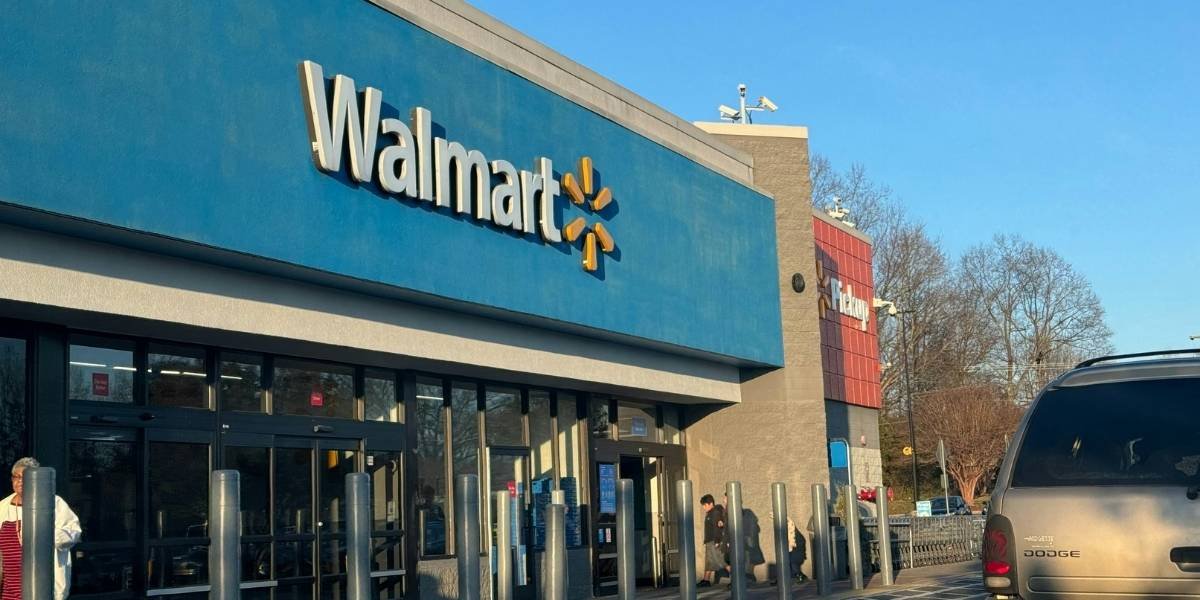
Walmart Connect grew 44% in the quarter as the retailer’s U.S. same-store sales growth slowed to 4.1%. The advertising business uses Walmart’s customer data to target shoppers and has become a larger contributor to operating income as the retailer expands advertising across digital platforms, stores and streaming media.

Key Takeaways

  • Walmart Connect’s advertising business grew 44% in the quarter.
  • U.S. same-store sales growth slowed to 4.1% for the quarter ended April 30.
  • Walmart Connect contributes an estimated one-third of Walmart’s operating income.
  • Walmart uses customer data to support advertising targeting and measurement.
  • Walmart has expanded advertising capabilities into streaming television and AI-powered tools.

The two figures provide separate measures of Walmart’s business performance. Same-store sales track sales growth from existing retail locations, while Walmart Connect generates advertising revenue from businesses seeking to reach Walmart shoppers.

Walmart Connect uses Walmart’s customer data to help advertisers target shoppers. The business also provides measurement capabilities that connect advertising activity with purchases, giving advertisers a way to evaluate whether campaigns reach customers and generate sales.

The 44% growth rate makes advertising one of the faster-growing parts of Walmart’s business identified in the reported results. The result also gives Walmart a revenue stream that operates alongside its retail sales.

Walmart’s advertising activity covers digital channels and stores. The retailer has also expanded its advertising capabilities into streaming television, increasing the range of channels available to advertisers through its broader business.

The advertising business therefore operates across several parts of Walmart’s customer ecosystem. Its role is not limited to advertisements displayed on Walmart’s retail website or app.

Walmart’s retail operations have also been responding to changes in consumer purchasing behavior. Earlier reporting on Walmart’s value-focused retail strategy described the retailer’s emphasis on lower-priced goods and digital promotions as younger consumers placed greater weight on affordability.

U.S. Same-Store Sales Growth Slows to 4.1%

Walmart Advertising Growth Strengthens Profit Contribution

Photo Credit: Unsplash.com

Walmart’s U.S. same-store sales growth slowed to 4.1% for the quarter ended April 30. That figure provides the retail-sales measure used alongside the faster growth recorded by Walmart Connect.

Same-store sales growth measures activity at existing stores and is used to assess retail sales performance without relying on changes caused by opening or closing locations. The 4.1% figure therefore describes the pace of sales growth across Walmart’s existing U.S. retail operations.

Walmart Connect follows a different revenue model. Rather than depending directly on merchandise sales, the advertising business sells access to Walmart’s shopper audience and related advertising capabilities.

The slower retail-sales growth does not mean that Walmart’s advertising business operates independently of its retail operations. Walmart Connect relies on customer data generated through Walmart’s digital and physical shopping activities.

That data supports the targeting and measurement services offered to advertisers. The advertising operation can therefore use information connected to Walmart’s retail business while generating a separate source of revenue.

The difference between the reported growth rates also provides context for Walmart’s business mix. Retail sales grew at a slower rate than the advertising operation during the period covered by the results.

Advertising Becomes a Larger Operating Income Contributor

Walmart Connect contributes an estimated one-third of Walmart’s operating income. Its 44% quarterly growth gives the advertising business a larger role in the company’s overall financial structure.

Operating income measures the income generated from a company’s business operations before items such as interest and taxes are considered. Walmart Connect’s contribution means advertising is tied directly to this measure of operating performance.

The advertising business differs from Walmart’s traditional retail model because advertisers pay to reach Walmart shoppers rather than shoppers paying Walmart directly for advertising services. Walmart can therefore generate revenue from businesses that want access to its customer base.

The customer-data component is central to this model. Walmart uses information associated with its shoppers to support advertising targeting and measurement.

For advertisers, the targeting function provides a way to reach customers within Walmart’s digital and retail ecosystem. The measurement function provides information about advertising performance and purchasing activity.

The reported contribution of roughly one-third of operating income also gives context to the 44% growth rate. The advertising operation is not simply a small supplementary service within Walmart’s business. It represents a substantial contributor to operating income.

The use of customer information for marketing also requires businesses to define how data is collected, shared and used. A recent article on U.S. business data sharing practices examined customer demographics, transaction histories and behavioral analytics as examples of information businesses may handle in marketing and retail relationships.

Walmart Expands Data-Driven Advertising Capabilities

Walmart’s advertising model depends on customer data to support both targeting and measurement. Walmart uses that data to help advertisers reach shoppers and assess advertising activity.

The data connects Walmart’s retail operations with its advertising business. Customers interact with Walmart through stores and digital channels, while advertisers use Walmart Connect to reach those shoppers.

Measurement is another component of Walmart Connect’s offering. Advertisers can use the service to assess the relationship between advertising and purchases rather than relying only on exposure figures.

This structure gives Walmart Connect a direct connection to retail transactions. The advertising operation can use information from Walmart’s customer ecosystem to provide services designed around shopping activity.

Walmart’s expansion across digital platforms and stores also broadens the environments in which advertising can reach customers. Advertisers can use Walmart’s available channels rather than relying on a single digital location.

The advertising business combines customer targeting, retail access and measurement within Walmart’s broader commercial operation. Those functions distinguish Walmart Connect from a simple advertising placement service.

Walmart has also used technology to connect retail and advertising experiences. Earlier coverage of Walmart’s shoppable TV strategy described a Walmart and Peacock partnership that used AI to identify products shown in television content and connect viewers with available Walmart products.

Streaming and AI Add New Advertising Channels

Walmart Advertising Growth Strengthens Profit Contribution

Photo Credit: Unsplash.com

Walmart has expanded its advertising capabilities into streaming television and AI-powered tools. These additions give the advertising business additional channels beyond Walmart’s traditional retail locations and digital shopping platforms.

Streaming television expands the potential advertising environment available through Walmart’s business. It allows the company to connect advertising with a media channel rather than limiting placements to retail-oriented digital properties.

AI-powered tools add another component to Walmart’s advertising capabilities. The company has incorporated AI into its advertising activities as part of its broader set of tools for reaching shoppers.

The combination of streaming and AI gives Walmart Connect additional ways to deliver advertising services. These capabilities sit alongside the customer-data and measurement functions already associated with the business.

Walmart’s advertising operation therefore spans several types of customer interaction. Digital channels, physical stores, streaming television and AI-powered tools are all identified in the reported business activity.

The expansion also changes the range of services that can be connected to Walmart’s shopper audience. Advertisers can use Walmart’s ecosystem across more than one channel while the retailer maintains the data and measurement functions associated with Walmart Connect.

Walmart advertising growth reached 44% during the quarter while U.S. same-store sales growth slowed to 4.1%. Walmart Connect’s estimated contribution of one-third of operating income places the advertising business alongside the retailer’s core operations as a significant source of operating income.

Frequently Asked Questions

What is Walmart Connect?

Walmart Connect is Walmart’s advertising business. It uses Walmart’s customer data to help advertisers target shoppers and measure advertising activity.

How fast did Walmart Connect advertising grow?

Walmart Connect’s advertising business grew 44% in the quarter covered by the reported results.

How much does advertising contribute to Walmart’s operating income?

Walmart Connect contributes an estimated one-third of Walmart’s operating income, according to the figures included in the editorial reporting.

How does Walmart use customer data for advertising?

Walmart uses customer data to support advertising targeting and measurement. The data helps advertisers reach shoppers and assess advertising activity in relation to purchases.

How is Walmart expanding its advertising business?

Walmart has expanded its advertising capabilities across digital channels and stores and has added streaming television and AI-powered tools to its advertising activities.

Paul Davis Restoration of Greater Missoula Shares Late Summer Storm and Wildfire Season Guidance for Western Montana Homeowners

By: Brandon Taylor

Western Montana’s late summer stretch tends to bring a mix of sudden afternoon thunderstorms, occasional hail, and wildfire smoke that can settle over the Missoula area for days at a time. For homeowners, that combination raises the odds of roof leaks, wind-driven water intrusion, and smoke residue inside the home, sometimes within the same week. Paul Davis Restoration of Greater Missoula works with residents across the region to address these issues quickly, moving from an initial call to an active mitigation plan without the delays homeowners often expect from a restoration company. The franchise is led by Curt Ivie, who has built the local team around fast response and clear, upfront communication so property owners are not left guessing during an already stressful situation.

Why Late Summer Creates Unique Risk In The Missoula Area

Thunderstorm cells that roll through the Bitterroot and Missoula valleys in July and August can drop heavy rain and hail in a short window, which is often enough to overwhelm an aging roof or push water past window flashing that has quietly failed over the years. At the same time, wildfire activity elsewhere in the region can send smoke drifting into homes through HVAC systems and door gaps, leaving behind an odor and a fine residue that many homeowners do not notice until it has settled into fabric and drywall. In Hamilton, where storm cells frequently track through the Bitterroot Valley, crews often see both issues surface in the same season, which is why early inspection after a storm matters even when damage is not immediately visible.

A Response Built Around Speed And Transparency

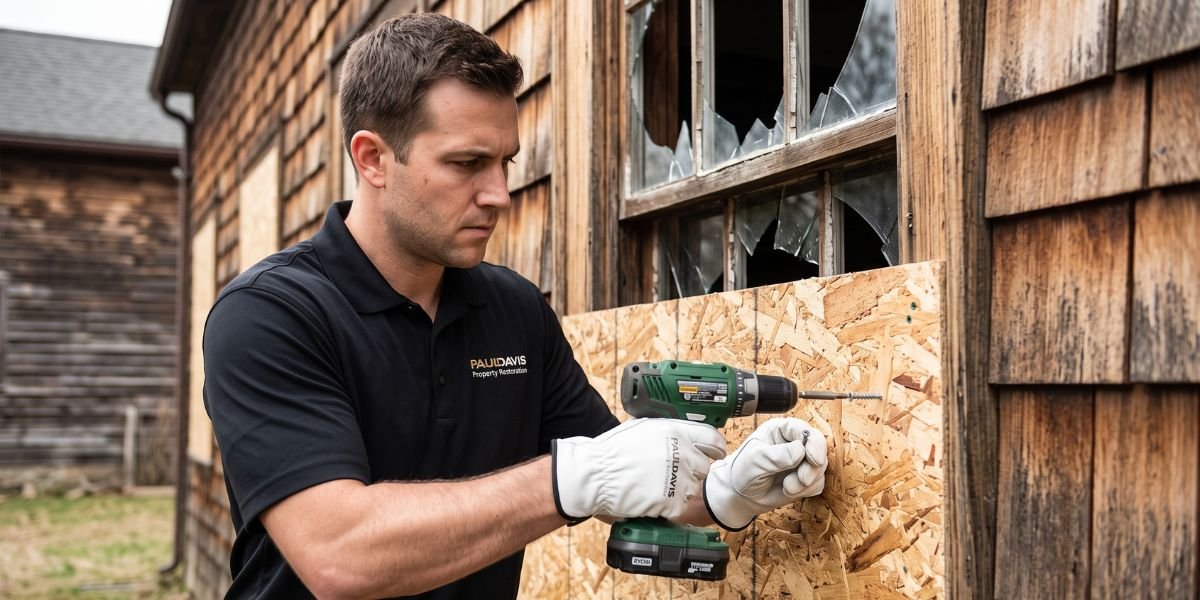
According to Ivie, the company’s approach comes down to how it treats pricing and timing. “At our company, we take pride in operating with honor, integrity, and transparency,” he said, adding that the team avoids the inflated, custom pricing sometimes seen in the local market in favor of national average pricing standards. That structure is paired with strong working relationships with several of the top national insurance providers, which the company says helps streamline claims and reduce back-and-forth for clients. Crews aim to be on-site within 60 minutes of a call, 24 hours a day, and mitigation work typically begins the same day rather than after a multi-day wait. In Frenchtown, where several properties sit close to the Clark Fork River, that response window can be the difference between a contained leak and a much larger water damage claim.

What Happens After The Emergency Call

Once mitigation is underway, the company says it focuses on more than drying out a property. Ivie described the broader goal this way: “Our proactive approach focuses on preventing future damage, ultimately saving our clients time and money.” In practice, that includes a dedicated project concierge, a secure digital portal for tracking progress, and a Home Resilience Plan homeowners can reference after the immediate repair work wraps up.

Guarding Against Mold After Moisture Events

Any time water sits inside a wall cavity or under flooring for more than a day or two, the risk of mold growth increases, particularly in homes without strong ventilation. Communities like Corvallis see this risk climb after hail damages roofing material, since a compromised roof can allow slow, repeated moisture intrusion that is not always obvious from inside the home. Homeowners who notice a musty smell, discoloration on drywall, or a recent history of roof or plumbing issues are encouraged to have the area inspected before scheduling cosmetic repairs, since covering up a moisture problem without addressing the source tends to make remediation more costly later.

What Area Homeowners Are Saying

Feedback from recent clients points to consistent communication as a recurring theme. Travis J. described his experience after a service call, noting that a technician “did an awesome job answering every question I had with knowledge and politeness” and that the team made a stressful situation easier to manage. Kevin B. shared similar feedback about a bathroom remodel, calling the crew easy to work with and noting the job was completed “quick n simple.” Annika W. said the company was quick to schedule an initial visit and provided a thorough, detailed assessment, adding that the process was “super easy to work with.”

A Broader Commitment To Readiness

Beyond individual repair jobs, the company says it puts effort into community education, including seasonal readiness guides and checklists aimed at helping homeowners catch small issues before they become expensive ones. Ivie summed up the philosophy directly: “We’re not just restoration experts, we’re community partners, educators, and proactive problem solvers.” That includes outreach to HOAs, property managers, and senior homeowners, groups the company says often need a different level of coordination during a restoration project than a typical single-family home.

How Quickly Does Paul Davis Restoration Of Greater Missoula Respond To Storm Damage Calls?

The company aims to have a crew on-site within 60 minutes of a call and offers 24/7 emergency service, with mitigation work typically starting the same day rather than being scheduled out for later in the week.

Can Wildfire Smoke Cause Damage Inside A Home Even Without Direct Fire Contact?

Yes. Smoke particles can travel through HVAC systems, doors, and window seals, leaving behind an odor and a fine residue on walls, fabric, and belongings that often requires professional cleaning to fully remove, even when no flame reached the structure.

Does Paul Davis Restoration Of Greater Missoula Work Directly With Insurance Providers?

The company manages insurance claims on behalf of clients and uses Xactimate, the same estimating platform used by many insurers, along with national average pricing intended to keep estimates consistent and free of unexpected markups.

What Areas Does Paul Davis Restoration Of Greater Missoula Serve?

The franchise serves Missoula and more than two dozen surrounding communities in western Montana, including Hamilton, Frenchtown, Corvallis, Stevensville, and Ronan, among others.

Stay Connected With Paul Davis Restoration Of Greater Missoula

For storm alerts, project updates, and seasonal readiness tips, homeowners can follow Paul Davis Restoration of Greater Missoula on Facebook and LinkedIn.