Paul Davis Restoration of Greater Seattle Highlights Capacity for Large Commercial Losses

By: Chloe Bennett
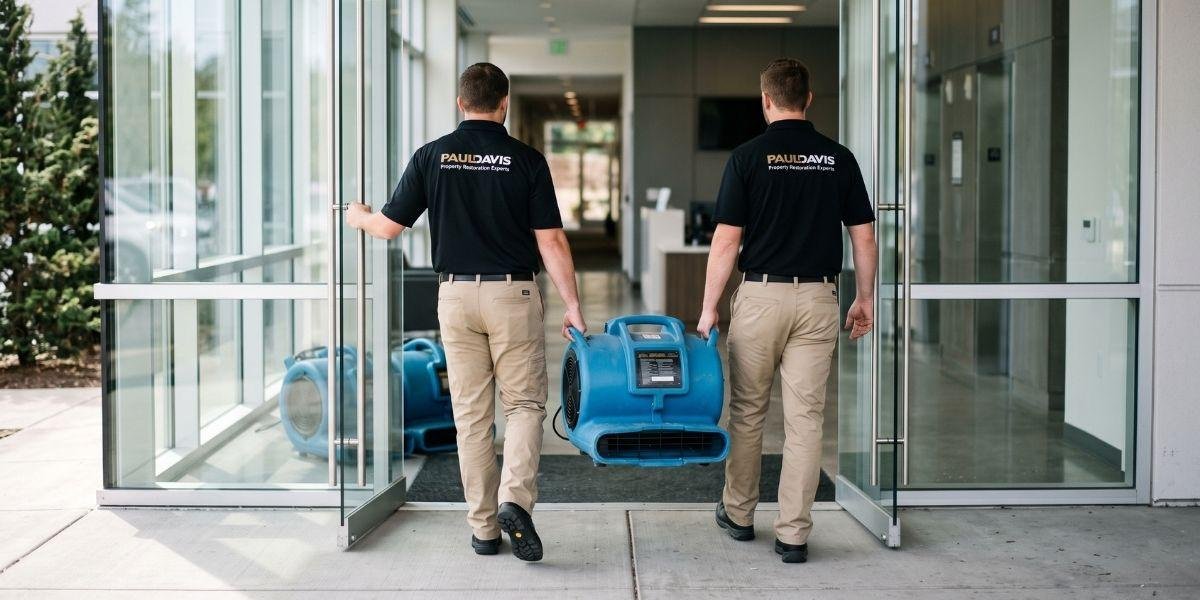
Not every property loss involves a single-family home or a single leak. Paul Davis Restoration of Greater Seattle is drawing attention to how it handles larger, multi-floor commercial losses that require significant staffing, coordination, and equipment to bring the situation under control.
Built to Deploy at Scale
The company describes its staffing capacity as an advantage when a loss is larger than a typical residential job. The team points to its certified workforce as part of what allows it to respond to both everyday residential calls and larger commercial events without relying on a small crew for a complex project.
That scale becomes especially important during a major loss. The company says that when a commercial client has a large, multi-floor loss, it can place 20 or more people on the project to help triage the issue and begin the drying process. In Redmond, home to a mix of corporate campuses, residential properties and dense multi-unit housing, that kind of response capacity can help limit the extent of damage before it spreads across additional floors or units.
Coordinating Insurance Work Around Project Priorities
Beyond staffing capacity, the company also points to its work with insurance-funded repairs as part of how it helps keep larger projects organized. The team says it works with adjusters to help prioritize critical repairs and direct available resources toward the areas that matter most for the project outcome.
That coordination is intended to keep the process moving from the first estimate through final sign-off. For commercial clients, where delays can affect operations, tenants or building access, clear communication between the restoration team, property stakeholders and insurance representatives can be especially important.
What Greater Seattle Clients Are Saying
Recent client feedback points to attentiveness and thoroughness as recurring themes, even on more routine residential jobs. Susan M. described a pipe leak that damaged her master bathroom, laundry room and garage, saying the crew arrived with industrial-strength equipment, sealed off work areas to limit disruption and returned daily to check progress while working around her schedule.
Joan S. said a flooded laundry room was contained quickly to the affected area and crawl space below, with the team returning every day for five days, including a weekend, to monitor drying progress and adjust equipment as needed.
Together, those reviews reflect the company’s emphasis on consistent follow-up, active monitoring and clear communication throughout the restoration process.
How does Paul Davis Restoration of Greater Seattle handle large commercial losses?
The company says it can deploy 20 or more people on a large, multi-floor commercial project to help triage the issue and begin the drying process efficiently.
How does the company approach insurance-funded repairs?
The team says it works with adjusters to help prioritize critical repairs and direct available resources toward the areas that matter most for the project outcome.
Does the company handle both residential and commercial jobs?
Yes. The company handles everyday residential calls as well as larger commercial losses, using its certified team, equipment and project coordination process to support different property types.
What areas does Paul Davis Restoration of Greater Seattle serve?
The franchise serves Seattle, Bellevue, Everett, Redmond, Kirkland, Bothell, Issaquah, Lynnwood, Edmonds and surrounding communities across King and Snohomish counties.
Stay Connected With Paul Davis Restoration of Greater Seattle
For project updates and community involvement, homeowners and businesses can follow Paul Davis Restoration of Greater Seattle on Facebook and LinkedIn.