
US Business News

Mike Link and Kami Vision Spent Four Years Inside Care Facilities Before Bringing Fall Detection Home

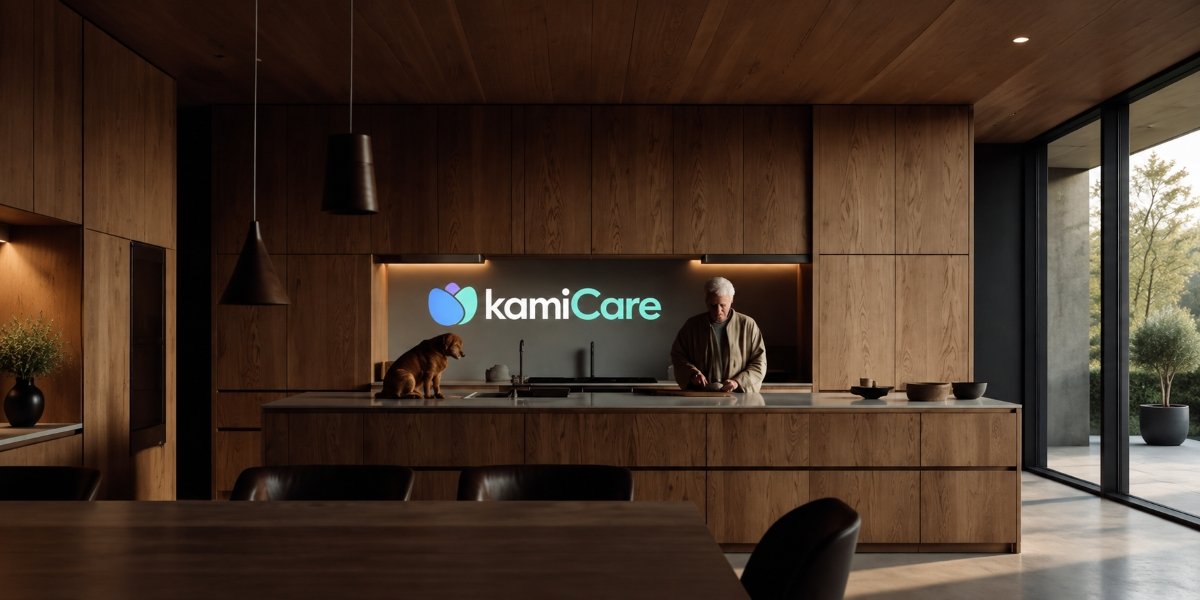
Most consumer technology companies do it the other way round. Build for the mass market, gather data, then move upmarket into professional settings once the product is proven.

Kami Vision inverted that. Its fall detection system went into senior living communities and skilled nursing facilities first, in early 2022, and stayed there through 2025. Only after four years of running inside professional care environments did the Palo Alto company begin testing a version for private homes.

Mike Link, chief operating officer at KamiCare, describes the sequence as deliberate, and the reasoning is straightforward. A fall inside a facility happens within reach of trained staff. A fall at three in the morning in an empty kitchen happens with nobody watching, and the person on the floor is often the least able to summon help. The company wanted the version with no safety net solved before it went near a living room.

The $80 Billion Problem Hiding in Plain Sight

Falls sit in an odd position in American health economics. The costs are enormous, the numbers well documented, and almost nobody plans for them until one happens.

Federal data show fall-related injuries now cost more than $80 billion annually. Every 11 seconds, an older adult arrives in an emergency room after a fall. A single fall-related hospital admission averages around $30,000.

That figure is only the opening entry. A fall that produces a hip fracture frequently produces something else: a transition into long-term care. The one-time expense becomes recurring, and that is where household finances break.

Set that against the demographics and the pressure becomes clearer. More than 61 million Americans are 65 or older, a population that grew 13 percent between 2020 and 2024 and outpaced overall population growth. AARP research finds 77 percent of adults over 50 want to stay in their own homes as they age.

The existing care infrastructure cannot absorb that preference affordably. Nursing homes with private rooms average over $10,000 a month. Assisted living runs close to $6,000, with costs up 10 percent in 2024 alone. For most families, the arithmetic increasingly favors technology that makes staying at home safer over the institutional alternative.

Photo Courtesy: Kami Vision

What Four Years in Nursing Homes Taught the Technology

KamiCare entered professional care environments in early 2022 and expanded through 2025. The company gained not just deployment scale, but conditions no consumer beta could replicate.

The platform now detects ground-level events with high accuracy, built on thousands of documented fall incidents recorded across real care settings. It runs continuously and asks nothing of the person it protects, which is the entire point. A pendant alarm depends on someone pressing a button in the exact moment they are least capable of pressing it. Passive detection removes the person from the equation, and that removal is what closes the gap.

The system reads more than sudden falls. It picks up an inability to rise unassisted, early signs of mobility decline, and patterns suggesting a resident needs more support than their care plan provides. For operators managing liability across dozens of residents, that distinction between an incident and a trend turns a safety device into a care planning tool.

That accumulation is what separates a working system from a promising one. Kami Vision now protects residents across thousands of beds in senior living facilities nationwide, backed by a portfolio of 60 patents in computer vision and camera technology. Very few consumer health products arrive having already been stress-tested in the environment where the stakes are highest.

The Two Features a Care Facility Never Needed

The consumer product entered beta testing in United States homes during 2025, with a full rollout expected in the second half of 2026.

Kami Vision is building partnerships to support that launch rather than relying on direct-to-consumer marketing alone. The reasoning is practical. Fall detection is rarely something a household goes looking for. It gets recommended, usually by a care provider, a physician, or an insurer at the moment a family is already worried. Reaching people through the channels they already trust is more efficient than cold-calling them.

The home version adds two features the facility product never needed. Live view lets families check in without waiting for an alert. Two-way audio lets them speak to a parent directly in the moments after an event, when the most useful thing is often a voice rather than a notification.

The privacy architecture stayed the same. The system records only during detected events rather than continuously, and unobscured footage is available exclusively to family members who have been explicitly authorized. That constraint was built for regulated care settings and carried over unchanged.

The escalation sequence follows the same logic. When an event is detected, the alert reaches the resident first. If they cannot respond, designated contacts are notified automatically, with the option to call 911 through the app. Families keep control of the response while the time between incident and intervention compresses.

One Set of Algorithms, Four Different Businesses

KamiCare is one product line among several built on the same Vision AI foundation.

Kami Pro Security applies the technology to retail locations, warehouses and commercial facilities. KamiCloud handles smart security notifications and video storage. The shared infrastructure means investment in core detection compounds across every line rather than serving one vertical.

At CES 2026, Kami Vision showed a companion smart ring tracking heart rate, blood oxygen, and sleep patterns, extending monitoring beyond the range of a fixed camera. For older adults who remain active and mobile, that closes a coverage gap the camera alone cannot.

The scale underneath all of it is substantial. An early growth round of $10 million from East West Bank funded the buildout that brought the platform to six million users across 120 countries and 15 million devices, currently handling 248 million daily alerts and 25 petabytes of data.

Photo Courtesy: Kami Vision

Facilities Buy for Liability. Families Buy for Worry.

The 2026 rollout is the real test, and the two buyers could hardly be less alike. A facility purchases fall detection as a risk calculation: liability exposure, staffing ratios, regulatory obligation. A family purchases it because a daughter has started calling her mother twice a day and still lies awake. One decision is made on a spreadsheet. The other is made at midnight.

What the company brings to that second decision is unusual for a consumer launch. Most home health technology arrives asking families to trust a claim. This one arrives after four years in the buildings where falls happen most often, with accuracy figures drawn from documented incidents rather than laboratory conditions, and with privacy limits written for regulated care settings long before any household was asked to accept them.

Falls are a predictable and growing cost, affecting a population expanding faster than the infrastructure built to care for it. Detection technology addresses that at a fraction of the problem’s cost. Whether households adopt it at the rate facilities did is the question the coming year answers.

Care providers evaluating KamiCare and families following the home rollout can request a demo through the company’s site.


Amazon Plans First-Ever Sterling Bond Sale

Amazon has hired banks to arrange a sterling-denominated bond offering, with three-, six-, 12- and 19-year maturities under consideration. The transaction could launch as early as September 9, subject to market conditions, as Amazon expands its financing sources while funding requirements tied to artificial intelligence continue to grow.

Key Takeaways

  • Amazon has hired banks to arrange its first-ever sterling-denominated bond sale.
  • The proposed bonds would have three-, six-, 12- and 19-year maturities.
  • The transaction could launch as early as September 9, depending on market conditions.
  • Amazon has not disclosed how much it plans to raise.
  • Large technology companies have increasingly issued debt across multiple currencies to finance AI-related requirements.

Amazon Prepares Its First Sterling Bond Offering

Amazon has hired banks to arrange a sterling-denominated bond offering, giving the technology company a new currency option for corporate financing. The planned transaction would be Amazon’s first bond sale in sterling.

The proposed offering includes four maturities: three years, six years, 12 years and 19 years. The structure gives investors several maturity options while allowing Amazon to seek financing across different time periods.

The transaction could come as early as September 9, according to the bank memo concerning the planned sale. The timing remains dependent on market conditions, so the potential launch date does not represent a completed issuance.

The amount Amazon intends to raise has not been disclosed. The bank memo identifies the maturities under consideration but does not specify a total fundraising target.

The planned sale comes as Amazon faces substantial funding requirements associated with the artificial intelligence transition. Large technology companies have been raising debt across currencies as they seek financing for AI-related needs.

Amazon’s financing plans also come as its data-center infrastructure requirements receive additional attention across the technology supply chain. An earlier agreement involving Amazon and Corning, for example, is expected to expand U.S. production of optical fiber, cable and connectivity products used in data-center infrastructure. 

For Amazon, the sterling offering adds to those financing options. The company is therefore preparing to access investors in the sterling debt market rather than relying solely on U.S.-dollar financing for the proposed transaction.

Proposed Bonds Include Four Maturity Periods

The planned Amazon bond offering would span four maturity periods, ranging from three years to 19 years.

The shortest proposed maturity is a three-year bond. A six-year bond would provide a second shorter-term option, while the 12-year and 19-year securities would extend the proposed financing structure into longer maturities.

Proposed Three-Year and Six-Year Notes

The three-year and six-year securities would represent the shorter maturities in the proposed offering. Their inclusion would give Amazon access to financing with repayment periods shorter than the two longer-dated securities.

The four-part structure also allows the proposed offering to cover different points along the maturity spectrum. The specific terms, pricing and amounts for each maturity have not been disclosed in the reported bank memo.

Longer-Dated 12-Year and 19-Year Bonds

The 12-year and 19-year bonds would extend Amazon’s proposed sterling financing well beyond the shorter maturities. Their inclusion means the planned transaction would cover both relatively short and long repayment periods.

The 19-year maturity would be the longest security identified in the proposed sale. No information in the reported transaction details establishes how much Amazon would allocate to each maturity.

The structure remains subject to the final terms of the offering. The planned securities could therefore be adjusted before the transaction reaches the market.

Transaction Timing Remains Subject to Market Conditions

The proposed sterling transaction could launch as early as September 9. The bank memo said the timing would depend on market conditions.

That condition means the potential launch date is not a guarantee that investors will receive the bonds on September 9. The transaction remains a planned offering until Amazon and the arranging banks proceed with the sale.

The reported structure also does not establish the final size of the transaction. Amazon has not disclosed how much it intends to raise through the sterling offering.

Amazon’s decision to prepare a sterling offering also adds a new currency to its reported financing activity. Sterling is the currency of the United Kingdom, and the planned sale would allow Amazon to seek funding from investors participating in that market.

The proposed transaction follows other debt offerings by large technology companies in currencies outside the U.S. dollar. Those companies have used multiple currency markets as they seek financing for large AI-related requirements.

Corporate borrowing conditions also remain relevant to companies planning major investments. Recent coverage of U.S. bond yields has examined how borrowing costs affect corporate investment, refinancing and financing decisions. 

Amazon Has Not Disclosed the Planned Fundraising Amount

The size of Amazon’s proposed sterling bond sale remains undisclosed. The bank memo identifies four maturities but does not provide a total amount that the company intends to raise.

The absence of a disclosed fundraising target also means the relative size of the three-, six-, 12- and 19-year portions cannot be established from the reported details.

Amazon’s planned financing is linked in the reported information to the substantial funding requirements associated with the AI transition. Hyperscalers, including Amazon, have increasingly raised bonds in currencies beyond the U.S. dollar as they seek to diversify financing sources.

That financing activity has extended into euros, Swiss francs and yen, according to the reported context surrounding the planned Amazon offering. The currency diversification provides large technology companies with additional debt markets through which they can seek funding.

Corporate finance decisions are also becoming closely connected to the cost and scale of AI investment. Recent coverage of CFO involvement in artificial intelligence investment decisions has examined the role of finance leaders in reviewing technology spending, implementation costs and expected business returns. 

The U.S. dollar corporate bond market has also faced increased issuance from hyperscalers. The scale of those debt sales has tested investor demand, with some large bond buyers raising concerns about signs of market indigestion.

Amazon’s sterling transaction would therefore take place within a financing environment in which major technology companies are using more than one currency market to meet their capital requirements.

The proposed offering does not disclose a specific use for each maturity or a precise allocation of proceeds. The reported connection to AI financing requirements establishes the broader funding context without specifying how proceeds from the sterling sale would ultimately be allocated.

Hyperscalers Expand Financing Across Multiple Currencies

Amazon’s planned sterling bond sale follows a separate sterling transaction by Alphabet, the parent company of Google. Alphabet raised £5.5 billion through a five-part sterling bond deal in February.

That transaction included a 100-year bond, giving Alphabet a much longer maturity than the longest 19-year maturity currently proposed by Amazon.

Amazon Plans First-Ever Sterling Bond Sale

Photo Credit: Unsplash.com

Amazon’s planned offering would add another major technology company to the sterling corporate bond market. The proposed four-maturity structure differs from Alphabet’s five-part transaction, although both involve technology companies raising debt in sterling.

Large technology companies have also raised debt in currencies including euros, Swiss francs and yen. The financing activity has been linked to substantial funding requirements associated with artificial intelligence.

Recent corporate AI coverage has also documented how large enterprises are deploying artificial intelligence across operations, including financial services, manufacturing and data analytics. 

Amazon’s planned transaction therefore expands its financing activity into another currency while the company considers four different maturities. The proposed offering remains dependent on market conditions and does not yet disclose a total fundraising amount.

The reported transaction also shows that Amazon is considering financing with both shorter and longer maturities. The three-year and six-year bonds would sit alongside 12-year and 19-year securities, creating a range of potential repayment periods within one sterling offering.

Frequently Asked Questions

What is Amazon’s first sterling bond sale?

Amazon’s first sterling bond sale is a planned debt offering denominated in British pounds. The company has hired banks to arrange the transaction, which would be its first such sterling issuance.

How long are the Amazon sterling bonds expected to run?

The proposed securities have maturities of three, six, 12 and 19 years. The 19-year bond would have the longest maturity among the four proposed securities.

How much does Amazon plan to raise through the bond sale?

Amazon has not disclosed the amount it plans to raise. The reported bank memo identifies the proposed maturities but does not provide a total fundraising figure.

When could Amazon launch its sterling bond offering?

The transaction could launch as early as September 9. The timing is subject to market conditions and therefore remains dependent on the conditions in the bond market.

Why is Amazon issuing bonds in sterling?

The planned offering would expand Amazon’s financing into the sterling market. The transaction comes as large technology companies seek financing across multiple currencies to address substantial funding requirements associated with artificial intelligence.

Disclaimer:

This article is for informational and news purposes only and does not constitute financial, investment, legal or other professional advice. References to bonds, financing activities or market conditions should not be interpreted as a recommendation or solicitation to buy, sell or hold any security. Readers should consult official company disclosures and qualified financial professionals before making investment decisions.