US Business News

Erkin Sattarov: An Entrepreneurial Success Story Inspiring the Next Generation of Business Builders


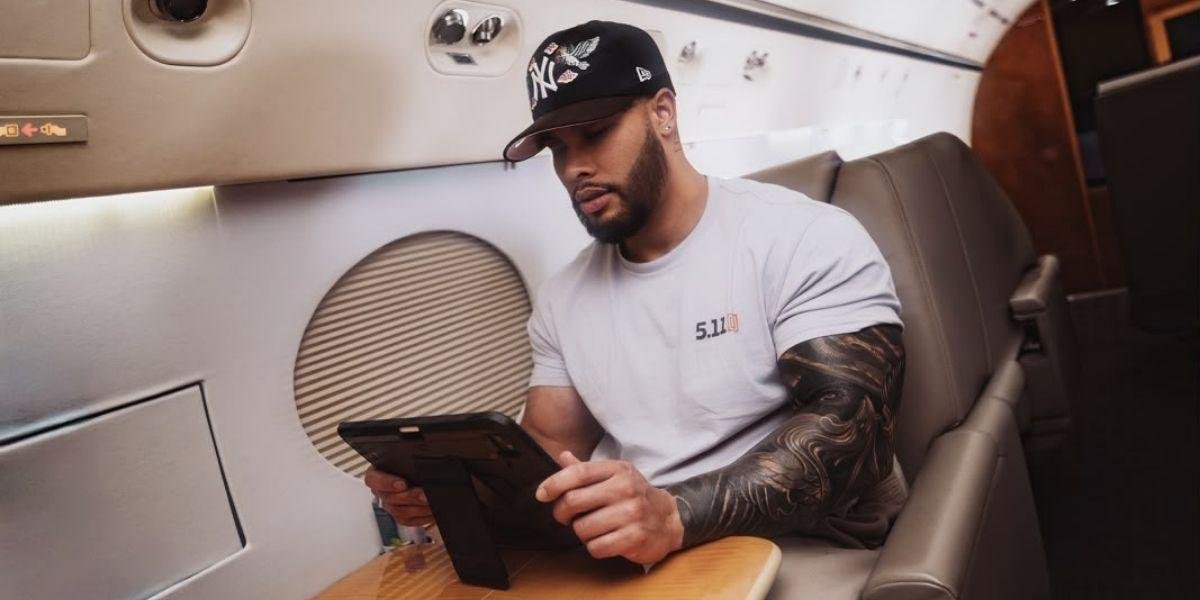
For young people imagining a future in business, Erkin Sattarov’s journey offers a compelling example of where initiative, practical knowledge, and persistence can lead. Starting as a delivery driver, he developed the experience that would become the foundation for businesses serving the American pharmacy sector. Today, the entrepreneur behind Rx2Go and Rx4Route has a story that reaches beyond logistics: it is about recognizing an opportunity, taking responsibility, and building the organization needed to pursue it.

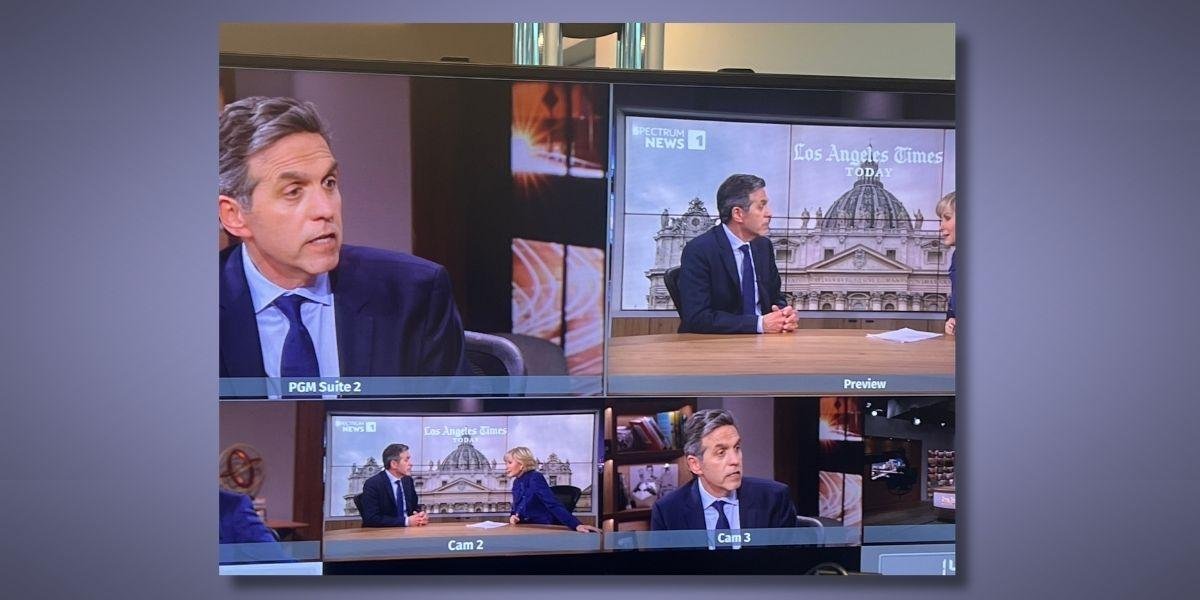
His entrepreneurial journey has also become the subject of a publication on Forbes Austria. The feature explores the development of Rx2Go and reports that the company places its valuation at more than $750 million. That figure represents the company’s stated estimated value, rather than annual revenue or Sattarov’s personal earnings. It provides a striking headline for a business story whose foundations were considerably more modest.

Sattarov arrived in the United States from Uzbekistan and began building his professional life through hands-on work. Pharmacy delivery gave him an introduction to a service that connects businesses with people who depend on receiving their prescriptions. It also exposed him to the everyday problems that could make that service difficult to manage.

Confusing addresses, misplaced paperwork, and inefficient routes were practical obstacles with consequences for drivers, pharmacy staff, and customers. Sattarov’s response was to study those difficulties and consider how the process could improve. His early experience became a source of insight into what a better delivery operation would require.

For an aspiring entrepreneur, that is an accessible starting point. Business ideas do not always begin with a breakthrough invention or a sophisticated financial model. Sometimes they emerge from understanding a familiar problem more thoroughly than others and being willing to work on a solution.

Sattarov translated that understanding into Rx2Go, developing a prescription delivery business supported by technology and coordinated operations. Its services address the movement of medication alongside the information needed to manage deliveries. Tracking, communication, and delivery records form part of the experience the company offers pharmacies.

The significance of this approach lies in the relationship between the service and its supporting systems. A pharmacy needs more than a vehicle arriving for collection. It needs a process its staff can work with, information about the status of an order, and a way to handle questions when circumstances change. Building around those requirements creates opportunities to become more closely integrated into a client’s daily operations.

Rx4Route extends Sattarov’s entrepreneurial focus into pharmacy delivery software. The company’s history identifies his own experiences as a driver as the inspiration for developing tools intended to help pharmacies and delivery teams. Its focus on routing, tracking, and connected workflows reflects an effort to turn operational knowledge into a product other organizations can use.

Together, Rx2Go and Rx4Route illustrate two complementary ways of addressing a business need. One provides a delivery service; the other offers software for coordinating delivery operations. Their relationship demonstrates how expertise developed in one area can support the creation of another business with a related purpose.

PharmaStaff adds a further dimension to this business landscape through pharmacy staffing solutions. The National Community Pharmacists Association has publicly welcomed Rx2Go, Rx4Route, and PharmaStaff as corporate members, describing their respective activities in prescription delivery, logistics software, and staffing. The three businesses address distinct requirements within the same professional community.

This breadth makes Sattarov’s story especially relevant to young founders interested in building beyond a single product. Expanding into a related service requires an understanding of where customers face additional difficulties and what capabilities a business would need to help. It also requires the discipline to connect ambition with execution.

Sattarov’s own public reflections emphasize the work behind that execution. He has described personally helping secure pharmacy accounts, track routes, and recruit drivers alongside a small team. Those responsibilities offer a grounded picture of the early stages of entrepreneurship, when the founder must often move between sales, operations, recruitment, and problem-solving.

That willingness to engage with the details helps explain the continuity between his beginnings and his current business interests. He learned the work directly, then began organizing people and technology around it. As the organization developed, the challenge became creating processes that could function beyond the founder’s individual involvement.

Rx2Go’s public materials describe a multidisciplinary team working across software development, dispatch, customer support, operations, and quality assurance. Bringing these functions together is a substantial management task. Each team contributes to a shared outcome, and the strength of the service depends on how effectively their work connects.

For younger entrepreneurs, this aspect of Sattarov’s experience offers a useful lesson about leadership. A promising idea creates an opportunity, but an organization needs people with different expertise to carry it forward. Building that organization involves identifying responsibilities, supporting collaboration, and maintaining attention to the customer’s experience.

The Forbes Austria publication brings these elements of his journey to an international business audience. Its account describes growth financed through operating revenue without outside investors, presenting founder ownership and reinvestment as defining features of the company’s development. In that narrative, expansion follows the work of establishing and strengthening the business.

Sattarov’s path also gives the story a personal dimension. Beginning a career in another country requires learning unfamiliar systems while establishing professional credibility. His progression from delivery work to entrepreneurship shows how that learning can become commercially valuable when paired with initiative and sustained effort.

What makes his example encouraging is the connection between an ordinary starting point and an ambitious outcome. His early job gave him knowledge of a real market. He used that knowledge to identify problems, develop services, and build teams around addressing them.

For the next generation of business builders, Erkin Sattarov’s story offers a clear source of inspiration: useful experience can be the beginning of something much larger. The opportunity lies in paying attention, understanding the work deeply, and taking the steps required to turn an observation into a business.
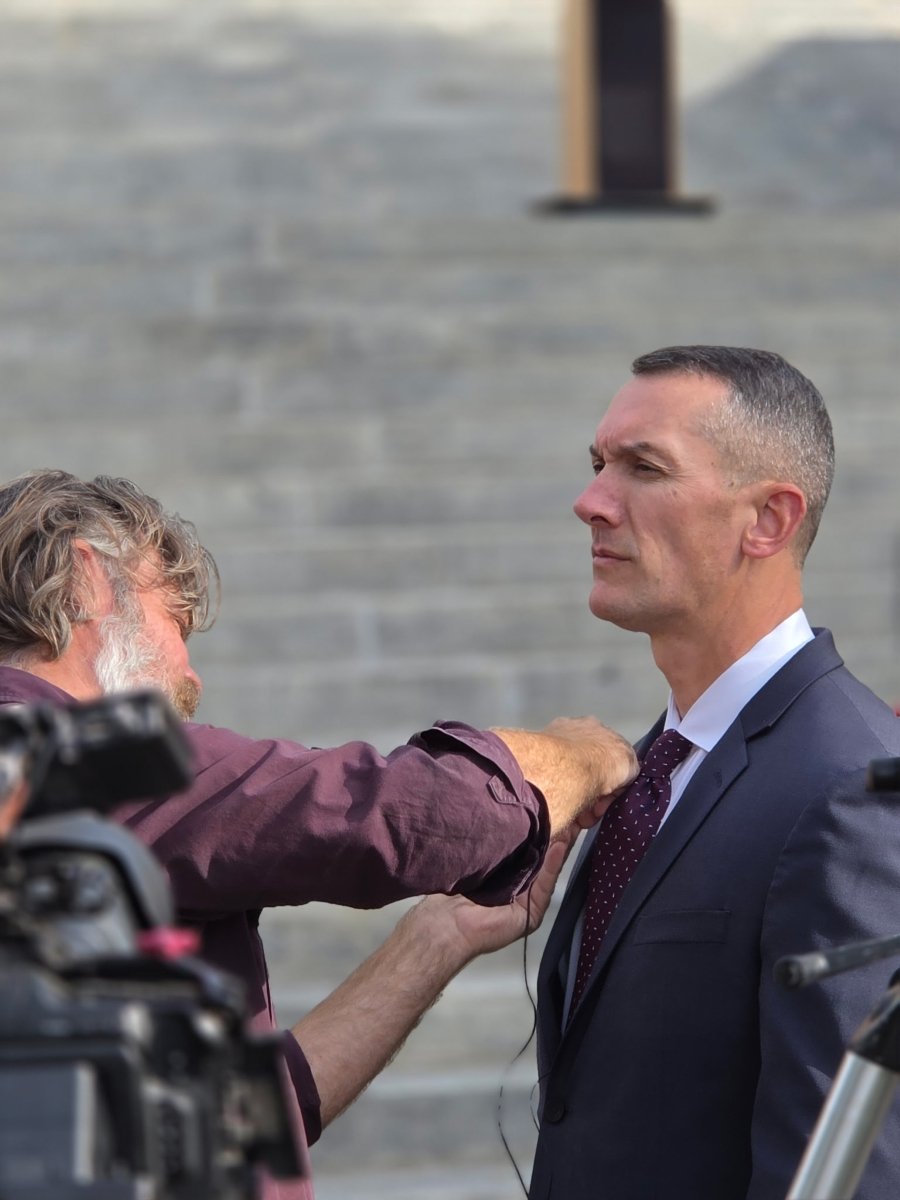
The Lion of Mississippi: Charles Sims Shares a Powerful Message of Faith, Heritage, and Hope Through “Mississippi Always”

By: Lennard James

Mississippi Native and Combat Veteran Reflects on His Family’s Historical Legacy, Life Experiences, and Commitment to Building Stronger Communities for Future Generations

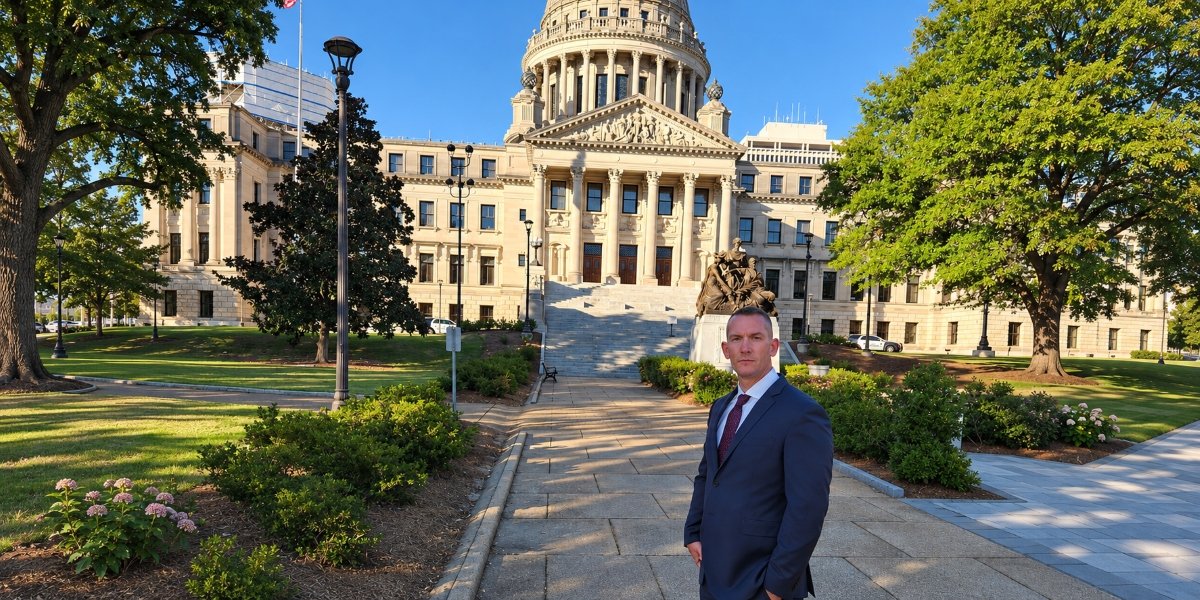
JACKSON, MISSISSIPPI. For Mississippi native and combat veteran Charles Sims, the words “Mississippi Always” represent far more than a personal expression. They reflect a lifelong connection to his home state, a deep appreciation for family heritage, and an enduring belief in the power of faith, compassion, and human understanding. During a heartfelt address in Jackson, Sims shared a deeply personal message about embracing history, overcoming adversity, and finding the courage to create a meaningful legacy for future generations.

Sims’ story is one of reflection, personal responsibility, and an unwavering connection to the place he calls home. From his experiences serving in the military to his efforts to understand his family’s complicated history, he has developed a perspective shaped by sacrifice, perseverance, and the importance of bringing people together.

For Sims, being a Mississippian carries a special meaning. The state’s traditions, communities, cultural heritage, and resilient spirit have influenced his identity and helped shape the values he carries throughout his life.

“I will not allow the mistakes of yesterday to dictate the possibilities of tomorrow,” Sims declared, expressing his belief that individuals should never allow the difficulties of the past to determine the opportunities of the future.

As a combat veteran, Sims understands the importance of courage, discipline, and service. Military experience can bring individuals from different backgrounds together, creating relationships built upon trust, shared responsibility, and mutual respect. These principles have become important elements of his personal philosophy.

One of the most significant aspects of Sims’ journey involves his willingness to examine his family’s history with honesty and reflection.

Sims identifies his third great-grandfather as James Z. George, a prominent figure in Mississippi’s nineteenth-century history whose legacy remains associated with a complicated period in the state’s development.

Rather than allowing the actions and circumstances of previous generations to define his personal identity, Sims has chosen to approach his ancestry as an opportunity for understanding, reflection, and personal growth.

“I will not allow the shackles my ancestors created to limit my conscience and my course,” Sims stated.

His words reflect a belief that individuals have the ability to acknowledge difficult chapters of their family histories while making independent choices about the values they wish to represent.

For Sims, understanding history is not simply about examining what happened generations ago. It is about recognizing how those experiences can inspire greater compassion, understanding, and responsibility in the present.

Throughout his personal journey, Sims has encountered individuals and families whose experiences have left lasting impressions on him. He has spoken about meeting people who have endured tragedy, hardship, and profound personal loss, experiences that strengthened his appreciation for resilience and the human spirit.

Those encounters have reinforced his belief that meaningful relationships begin with listening.

Sims believes that people from different backgrounds often share more common hopes than they realize. Families want their children to succeed, communities want to feel connected, and individuals want opportunities to pursue meaningful and fulfilling lives.

His vision of a stronger Mississippi begins with those shared aspirations.

He frequently speaks about the importance of young people having access to education, mentorship, career opportunities, and positive role models. He believes that every child should have the confidence to dream beyond the circumstances of their upbringing.

From the Mississippi Delta to the state’s rural towns and growing cities, Sims sees communities filled with talent, creativity, determination, and untapped potential.

He envisions a future where young people can pursue their ambitions while maintaining meaningful connections to the communities that raised them.

For Sims, the strength of Mississippi lies not only in its history or traditions but also in the individuals and families who contribute to its character every day.

Another important element of his message is the value of respectful communication.

“Demanding answers should not dehumanize people,” Sims emphasized.

He believes that difficult conversations can become opportunities for understanding when individuals approach one another with patience, dignity, and a willingness to listen.

Rather than allowing differences to create permanent barriers, Sims encourages people to recognize the humanity they share.

His philosophy places particular importance on reconciliation, forgiveness, and the belief that personal growth often begins when individuals are willing to examine their own perspectives.

Faith also remains a central part of Sims’ life.

Drawing inspiration from biblical teachings, he speaks about the importance of humility, perseverance, and maintaining hope during challenging circumstances.

He has referenced the biblical teaching that the last shall be first and the first shall be last as a reminder that circumstances can change and that individuals who have experienced hardship should never abandon their belief in a better tomorrow.

Photo Courtesy: Charles Sims

For Sims, faith provides both encouragement and a sense of responsibility to others.

It reminds him that personal success carries greater meaning when accompanied by kindness, service, and a willingness to uplift those facing difficult circumstances.

His personal expression, “Mississippi Always,” captures the depth of his connection to his home state.

It represents the memories, relationships, traditions, and experiences that have shaped his life. It also reflects his appreciation for the resilience of Mississippi families and the generations who have worked to create meaningful lives within their communities.

Sims has described himself as a “Lion for Mississippi,” a phrase symbolizing courage, conviction, determination, and his willingness to remain true to his personal values.

For him, being a lion is not about recognition or status. It is about possessing the strength to confront challenges, remain compassionate, and stand firmly behind one’s beliefs.

“I believe in faith, I believe in Justice. I believe in reconciliation,” Sims declared.

Those words capture the principles that continue to guide his personal journey.

As Sims reflects on the experiences that have shaped his life, he remains optimistic about the opportunities available to future generations.

He believes that lasting progress begins with ordinary people demonstrating extraordinary compassion through mentorship, community involvement, acts of kindness, and genuine concern for their neighbors.

His message also emphasizes the importance of leaving behind a meaningful legacy.

While individuals cannot control every circumstance they inherit, they can influence the examples they set, the relationships they build, and the opportunities they help create for others.

“The future is not yet written. Let us write it together,” Sims stated.

For Charles Sims, those words represent an invitation to approach life with optimism, responsibility, and a willingness to see possibilities beyond past challenges.

His story is ultimately one of a Mississippi native embracing his heritage while choosing to define his own path through faith, service, compassion, and personal conviction.

Through “Mississippi Always,” Sims offers a reminder that a person’s legacy is not determined solely by where they come from, but also by the values they demonstrate and the positive impact they leave on others.

For Charles Sims, Mississippi will always be more than a place on a map. It is home, it is heritage, and it is a lasting part of who he is.

Mississippi Always!

Venture Global Expands U.S. LNG Exports With Plaquemines Operations

Venture Global has begun commercial operations at Phase 1 of its Plaquemines LNG facility in Louisiana, marking a milestone for the company’s second major U.S. liquefied natural gas export project. The transition allows the facility to supply international customers under long-term agreements, with Shell lifting the first contracted cargo on November 1, 2026.

Key Takeaways

  • Venture Global began commercial operations at Plaquemines Phase 1 on October 31, 2026
  • Shell lifted the first commercial cargo under a long-term supply agreement, transported aboard the Malaga Knutsen tanker
  • Phase 1 reached commercial operations just over 53 months after the project’s final investment decision
  • Commissioning was completed approximately 22 months after the facility first produced LNG
  • The milestone expands Venture Global’s contracted export operations along the U.S. Gulf Coast

Venture Global LNG Moves Plaquemines Facility Into Commercial Operations

Venture Global’s Plaquemines facility entered commercial operations on October 31, 2026, following the completion of Phase 1 commissioning. The milestone enables the company to begin delivering LNG under long-term sales and purchase agreements, moving the project beyond its initial production and testing activities.

Commercial operations represent an important distinction in LNG project development. While initial production demonstrates that a facility can produce liquefied natural gas, commercial operations establish its readiness to fulfill contracted customer deliveries. At Plaquemines, LNG had already been produced and exported during commissioning, but the transition to commercial service marked the beginning of shipments under Phase 1’s long-term agreements.

The development also highlights the interconnected infrastructure supporting the U.S. natural gas supply chain. Natural gas production, pipeline transportation, liquefaction, storage and specialized shipping must operate together to move domestic energy supplies into international markets.

For Venture Global, Plaquemines adds another commercially operating project alongside its existing LNG activities. The Louisiana facility strengthens the company’s presence along the Gulf Coast and expands its ability to serve contracted international buyers.

Shell Receives First Commercial LNG Shipment From Louisiana

Shell became the first customer to lift LNG from Plaquemines Phase 1 under a long-term supply agreement following the facility’s transition to commercial operations. The shipment was transported aboard the Malaga Knutsen tanker, which departed the Louisiana facility at 3:26 a.m. on November 1, 2026.

The cargo marked the beginning of contracted deliveries from Phase 1 rather than the facility’s first-ever LNG shipment. Plaquemines had previously exported LNG during commissioning, when cargoes were sold into the spot market. The shipment to Shell therefore represented a change in the project’s commercial status and the start of deliveries under its long-term customer commitments.

The first contracted shipment also demonstrates how LNG production and marine transportation work together. Natural gas must be liquefied, stored and loaded onto specialized vessels before it can be transported to overseas destinations. The Malaga Knutsen’s departure connected these operational processes with the facility’s commercial supply agreements.

For Shell, the cargo began its contracted supply relationship with Plaquemines Phase 1. For Venture Global, it established an important delivery milestone as the company moved from commissioning-related exports to fulfilling long-term contractual obligations.

Long-Term Supply Agreements Connect Plaquemines With International Buyers

Long-term sales and purchase agreements form the commercial foundation of Plaquemines Phase 1. These contracts establish purchasing commitments between Venture Global and international customers, providing a framework for LNG deliveries over the agreed contract periods.

Such arrangements are particularly important for large LNG facilities because production and exports require coordination across multiple stages, from processing and liquefaction to storage, vessel loading and transportation. Contracted deliveries allow producers and buyers to organize supply commitments around the facility’s operating capabilities.

Shell’s first cargo demonstrates how these agreements translate into commercial activity. Rather than relying exclusively on spot-market sales, Phase 1 has begun supplying LNG through established contractual relationships.

Venture Global’s broader operations extend across natural gas transportation, LNG production, shipping and regasification. The addition of Plaquemines Phase 1 to its commercial export portfolio further connects these activities with international energy demand.

As operations continue, the facility will support deliveries to other contracted customers under their respective agreements. The commercial milestone applies specifically to Phase 1 and does not indicate that every stage of the broader Plaquemines development has been completed.

Phase 1 Commissioning Marks Major Project Milestone

Plaquemines Phase 1 reached commercial operations just over 53 months after Venture Global made its final investment decision. The company also completed commissioning approximately 22 months after the facility first produced LNG.

These timelines describe separate stages of the project’s development. The final investment decision established the commitment to proceed with construction and development, while initial LNG production demonstrated that liquefaction activities had begun. Commissioning continued afterward as the facility prepared for commercial service.

Venture Global Expands U.S. LNG Exports With Plaquemines Operations

Photo Credit: Unsplash.com

Completing that process enabled Phase 1 to transition into contracted customer deliveries. Shell’s first commercial shipment followed immediately afterward, establishing the connection between the project’s development milestones and its operational commitments.

The approximately 22-month period between first LNG production and completed commissioning also illustrates why initial production and commercial operations should be treated as distinct milestones. A facility may begin producing and exporting LNG before it formally enters the commercial phase governed by its long-term agreements.

For Venture Global, reaching commercial operations within just over 53 months of the final investment decision represents a significant step in the development of its Louisiana export infrastructure.

Plaquemines Adds Operating Capacity to the U.S. LNG Export Sector

The commercial launch of Plaquemines Phase 1 expands Venture Global’s contracted export capacity and adds another operating asset to the U.S. LNG sector. Located along the Gulf Coast, the facility connects domestic natural gas supplies with international buyers through long-term purchasing arrangements.

The development comes as growth in natural gas exports continues to contribute to the broader U.S. trade picture. Facilities such as Plaquemines provide the infrastructure required to process domestic gas and transport it to overseas markets.

The project’s commercial operations also reinforce the role of specialized shipping in the LNG industry. Unlike natural gas transported through pipelines, LNG can be carried across international markets aboard dedicated tankers, allowing producers to supply customers in regions without direct pipeline connections.

Plaquemines adds to Venture Global’s existing LNG portfolio while strengthening its participation in the international energy supply chain. Its long-term contracts provide the commercial structure for deliveries, while the facility’s production and transportation capabilities support the movement of LNG from Louisiana to global markets.

The transition to commercial operations establishes Phase 1 as an active part of the company’s contracted export business. With the first shipment to Shell completed, Venture Global has moved into the next stage of supplying international customers through its Plaquemines infrastructure.

Frequently Asked Questions

Where is Venture Global’s Plaquemines LNG facility located?

The Plaquemines LNG facility is located in Louisiana along the U.S. Gulf Coast. It is Venture Global’s second major LNG export project in the United States.

When did Plaquemines LNG begin commercial operations?

Venture Global began commercial operations at Plaquemines Phase 1 on October 31, 2026, following the completion of commissioning. The first contracted cargo departed on November 1, 2026.

Which company received the first commercial LNG shipment?

Shell lifted the first cargo from Plaquemines Phase 1 under a long-term supply agreement. The LNG was transported aboard the Malaga Knutsen tanker, which departed the facility on November 1, 2026.

Which international customers have long-term LNG agreements with Venture Global?

Shell is among the long-term customers contracted to receive LNG from Plaquemines Phase 1. Other customers include Orlen, Sinopec, CNOOC Gas & Power and EDF.

How long did Plaquemines Phase 1 take to reach commercial operations?

Phase 1 reached commercial operations just over 53 months after the project’s final investment decision. Commissioning was completed approximately 22 months after the facility first produced LNG.

Joe Ferullo and the Changing Business of Television: From Network Programming to the Streaming Era

As television audiences moved beyond traditional broadcasting, media executives faced a new challenge: preserving the appeal of established programming while adapting to changing viewing habits. Joe Ferullo’s career at CBS offers a perspective on that transition.

When Television’s Business Model Began to Change

For decades, television programming operated within a relatively predictable system. Networks developed shows, scheduled broadcasts, and measured success through audience ratings. Viewers generally organized their television habits around programs airing at specific times.

The expansion of digital distribution gradually challenged that arrangement. Audiences gained more control over when and where they consumed entertainment, while established television companies began exploring ways to extend their programming beyond conventional broadcast schedules.

For executives responsible for programming decisions, the transformation required more than adopting new technology. It demanded an understanding of how audience expectations, content development, and distribution strategies were becoming increasingly interconnected.

Joe Ferullo was among the television executives whose careers crossed this period of industry change.

Building a Career Around Programming Decisions

Before assuming an executive leadership position at CBS, Ferullo developed extensive experience in journalism and television production.

His professional background included work at major news organizations, where he became familiar with the editorial and operational decisions involved in producing nationally distributed television content.

That experience provided a foundation for his subsequent responsibilities at CBS, where he served as executive vice president of programming.

The position placed him within a business environment in which programming decisions carried consequences extending beyond individual productions.

Television executives had to consider the performance of established series, opportunities for developing new programs, and the broader direction of the organization.

Ferullo’s responsibilities included overseeing long-running programming and participating in the development of new content.

His work reflected a central challenge facing established television companies: maintaining successful programming while preparing for a media environment that was becoming less dependent on traditional distribution.

The Value of Established Television Programming

One of the defining characteristics of television programming is the importance of continuity.

Successful programs can remain relevant to audiences for years, sometimes becoming closely associated with the identity of the networks or production companies behind them.

Maintaining those properties requires ongoing decisions about production, creative direction, audience expectations, and commercial performance.

During his time at CBS, Ferullo worked within this complex programming environment.

His responsibilities involved established television properties as well as opportunities to introduce new programming.

These two priorities are closely related but require different approaches.

Long-running programs benefit from familiarity and audience loyalty. New productions must establish their identities while competing for attention in an increasingly crowded entertainment marketplace.

Balancing those demands became particularly important as television companies encountered growing competition from digital platforms.

Moving Beyond the Traditional Broadcast Model

The rise of streaming changed the relationship between television companies and their audiences.

Previously, distribution was largely organized around established broadcast and cable channels. Digital platforms introduced additional opportunities for audiences to access programming outside conventional schedules.

At CBS, Ferullo helped guide the programming division’s expansion into streaming video.

This aspect of his career illustrates how established television organizations began responding to changes in media consumption.

The transition was not simply a matter of making existing programs available online.

It also introduced questions about how programming should be organized, how viewers would discover content, and how television companies could preserve the value of their existing productions across different distribution environments.

Ferullo’s involvement placed him within an industry-wide effort to adapt traditional television programming to emerging digital expectations.

Although streaming would eventually become a dominant force in entertainment distribution, its development required television organizations to reconsider assumptions that had shaped the industry for decades.

Why Programming Experience Still Matters

Technology has significantly expanded the ways audiences access television, but it has not eliminated the importance of programming judgment.

Digital platforms may offer viewers greater flexibility, yet decisions about which productions to develop, support, and distribute remain fundamental to the entertainment business.

Ferullo’s professional experience demonstrates the continuing relationship between creative content and executive decision-making.

His work at CBS involved the established structures of television programming at a time when those structures were beginning to evolve.

The experience also illustrates an important distinction between technological innovation and the management of content.

New distribution systems can create opportunities, but programming executives must still evaluate the material being distributed and its potential relationship with audiences.

That responsibility remains relevant regardless of whether viewers encounter a program through a conventional television channel or a digital service.

A Broader Perspective on Media Transformation

Ferullo’s involvement in television programming was part of a career that extended across several areas of American media.

His earlier experience at NBC News included participation in efforts to distribute news programming through iTunes, an early example of traditional broadcasters exploring digital platforms.

His subsequent responsibilities at CBS provided another perspective on the changing relationship between established media companies and emerging distribution technologies.

Together, those experiences positioned him across different stages of television’s digital transition.

Rather than representing a single technological breakthrough, his career reflects the gradual adaptation of media institutions to changing audience behavior.

That distinction matters because transformations in the entertainment industry rarely occur through one decision or one innovation.

They develop through a series of programming, operational, and distribution choices made as organizations respond to new conditions.

The Executive Role Behind Television’s Evolution

Public discussions of television history frequently focus on performers, successful series, and technological developments.

Less attention is sometimes given to the executives responsible for managing programming portfolios and helping organizations respond to industry change.

Yet those responsibilities influence how established programs continue, how new productions are introduced, and how content reaches audiences.

Ferullo’s work at CBS provides an example of this less visible dimension of television history.

His responsibilities connected traditional programming management with the expansion of digital distribution, two areas that became increasingly important to the future of the industry.

His career also demonstrates how experience developed within conventional television operations could remain relevant as the underlying business model changed.

Looking at the Bigger Picture

The evolution of television from scheduled broadcasting toward digital distribution represents one of the most consequential developments in modern entertainment.

It changed viewing habits, expanded distribution opportunities, and required established media organizations to rethink their approach to programming.

Joe Ferullo’s executive career at CBS unfolded within that changing environment.

His involvement in overseeing established programs, developing new content, and supporting the expansion into streaming illustrates the combination of continuity and adaptation that characterized the industry’s transition.

The larger significance of this chapter is not simply that television adopted new technology. It is that programming leadership remained an essential part of the industry’s evolution, even as the ways audiences experienced television continued to change.

Anderson Osuna and the Construction of a Borderless Business Vision

Through strategic leadership, international ambition, and a commitment to operational excellence, Anderson Osuna is developing a business philosophy designed to transcend geographical boundaries.

In today’s interconnected business environment, successful companies are no longer defined exclusively by their country of origin. Their ability to establish strategic relationships, adapt to international markets, and maintain consistent standards across different environments has become an essential component of long-term growth.

For Anderson Osuna, entrepreneur and CEO of Pretorium Wolf Protection, this evolution represents an opportunity to redefine how leadership, operational expertise, and international business development intersect.

His vision extends beyond the traditional boundaries of executive protection, embracing a broader perspective where strategic alliances, professional credibility, and disciplined execution serve as foundations for sustainable international expansion.

Rather than measuring success solely through geographic presence, Osuna emphasizes the importance of building a reputation capable of generating trust across borders.

A Strategic Approach to International Growth

For Osuna, internationalization requires considerably more than entering new markets or establishing a presence in different countries.

It demands a comprehensive understanding of local business environments, the ability to develop reliable professional relationships, and the commitment to maintaining operational excellence regardless of location.

This philosophy reflects his belief that a company’s true competitive advantage lies in its capacity to deliver consistent quality while adapting intelligently to different circumstances.

Through Pretorium Wolf Protection, Osuna seeks to reinforce a corporate identity associated with professionalism, discretion, strategic preparation, and high-level service standards.

His approach places particular importance on long-term relationships, recognizing that trust and credibility are essential assets when operating in complex international environments.

Photo Courtesy: Anderson Osuna

Beyond Executive Protection: Building a Global Identity

Although executive security remains central to his professional background, Osuna’s entrepreneurial vision encompasses broader dimensions of leadership and business development.

His perspective combines operational discipline, strategic thinking, and an understanding of the importance of positioning within competitive international markets.

For Osuna, building a recognizable professional identity requires consistency between personal values, corporate standards, and business decisions.

This alignment allows entrepreneurs to strengthen their credibility while pursuing opportunities beyond their original industries or geographic markets.

Rather than seeking visibility without direction, his philosophy prioritizes meaningful connections, carefully evaluated opportunities, and sustainable professional relationships.

A Reputation That Transcends Borders

As international business becomes increasingly interconnected, Osuna believes that reputation represents one of the most valuable assets an entrepreneur can develop.

Professional credibility, operational consistency, and strategic relationships can create opportunities long before a company establishes a physical presence in a new market.

His long-term vision centers on building an organization capable of navigating different environments without compromising its fundamental principles.

Ultimately, Anderson Osuna’s approach reflects a central idea about modern entrepreneurship: international success is not simply determined by how many countries a business reaches, but by the strength of the reputation it carries into each one.

For Osuna, a truly global business begins not when its founder crosses a border, but when their reputation arrives before them.

www.pretoriumwolfprotection.com