US Business News

MOBU’s Innovative Approach to Modern Architecture


By: Farrah Cantor

In an era where sustainability, affordability, and innovation converge to challenge traditional notions of architecture, a groundbreaking movement is reshaping the way we conceive our living and working environments. Spearheading this transformative journey Jessica Lewis and her partner Ibrahim Smith, co-founders of MOBU Enterprises. With a visionary approach that melds practicality with pioneering spirit, they are turning the humble shipping container into the cornerstone of contemporary architecture across the United States.

The narrative of MOBU Enterprises began with a simple yet profound realization: millions of unused shipping containers could be repurposed into sustainable, cost-effective, and flexible living spaces. This insight sparked a revolution, not just in how we build but in how we perceive the possibilities of architectural spaces. “At MOBU Enterprises, we believe that every container has a story waiting to be told,” Jessica Lewis often says. It’s a sentiment that encapsulates their mission—to transform these steel boxes from mere cargo carriers into vibrant homes, bustling communities, and innovative commercial real estate.

What sets MOBU apart is not just their use of unconventional materials but their commitment to creating spaces that are as aesthetically pleasing as they are functional. Each project undertaken by Lewis and Smith is imbued with creativity and precision, challenging the preconceived limits of modular construction. Their work demonstrates that container-based buildings can stand shoulder to shoulder with traditional structures in terms of design, durability, and comfort.

The process behind transforming shipping containers into livable spaces involves meticulous planning and cutting-edge design principles. These once-transport vessels undergo a metamorphosis through architectural ingenuity—insulated for temperature control, fitted with modern amenities, and redesigned for natural light optimization—all while retaining the structural integrity that makes them so versatile.

One might wonder why containers? The answer lies in their inherent characteristics—strength, modularity, and transportability—coupled with environmental benefits. Repurposing these steel boxes significantly reduces waste and resource consumption associated with conventional construction methods. Moreover, container homes can be designed to minimize energy use further enhancing their green credentials.

MOBU’s projects range from single-family homes to sprawling community complexes and inventive commercial spaces—all testament to containers’ adaptability. These endeavors are more than mere constructions; they’re part of a broader vision for sustainable urban development that prioritizes efficiency without compromising on quality or aesthetics.

A pivotal aspect of MOBU’s success is its engagement with communities. By involving residents in the design process, Lewis and Smith ensure that each project reflects the unique needs and character of those who will inhabit it. This participatory approach fosters a sense of ownership among residents while promoting diverse and inclusive communities.

Amidst this innovative work lies an unwavering commitment to integrity—a refusal to cut corners or dilute quality for expediency’s sake. “Our aim is not just to build houses but to craft homes that enrich lives,” asserts Lewis—a principle evident in every square foot of space they create.

Prospective homeowners inspired by MOBU’s vision can embark on their journey toward container-based living through an interactive experience offered on their website. Here visitors can explore various designs, view completed projects, or start conversations about custom solutions tailored to individual aspirations.

MOBU Enterprises’ influence extends beyond physical constructions; it’s redefining cultural perceptions around what makes a space ‘livable.’ By showcasing the potential for containers to host vibrant living environments, Lewis and Smith challenge societal norms around home construction materials—and what constitutes luxury versus necessity in modern dwellings.

Their innovative work has garnered attention far beyond architectural circles; it serves as inspiration for those seeking sustainable alternatives in various sectors—highlighting versatility’s power in addressing contemporary challenges head-on.

To stay updated on MOBU Enterprises’ latest projects or delve deeper into their world-transforming ideas follow them on Instagram—a platform where snapshots capture more than just images; they tell stories of transformation one container at a time.

Jessica Lewis’s vision goes beyond altering landscapes; she aims at revolutionizing mindsets towards embracing adaptive reuse principles globally—an ambition mirrored in each project undertaken by MOBU Enterprises. In doing so, she doesn’t merely predict the future; she actively shapes it—one shipping container at a time.


Published By: Aize Perez
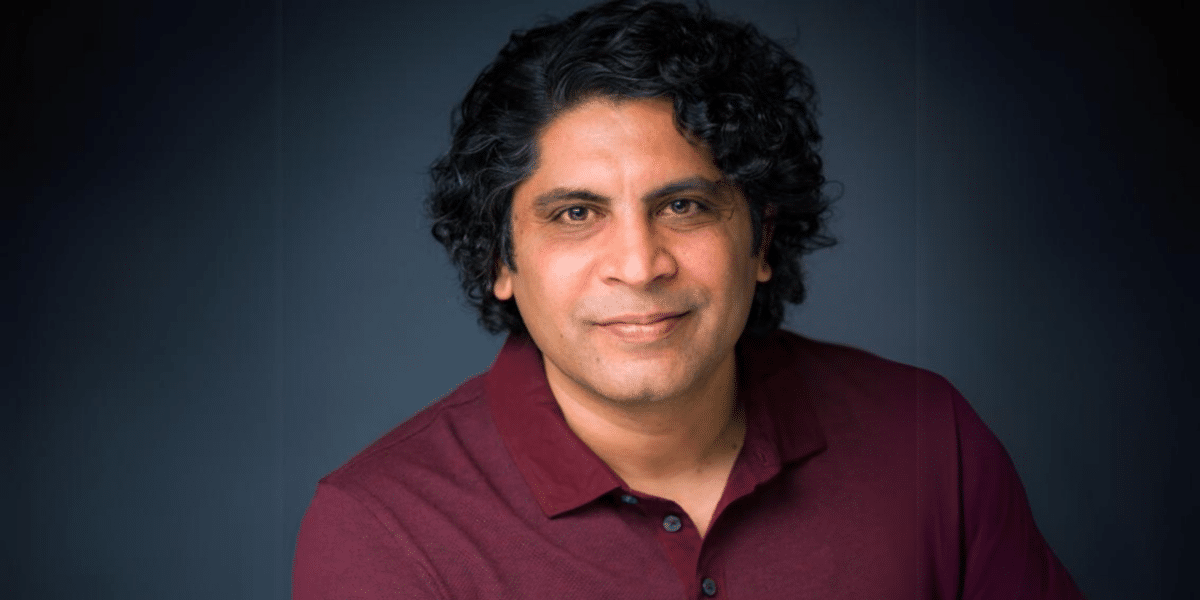
Navigating Trauma, Stigma, and Success with Gavi Kumar’s Coaching

As the world evolves, so do the challenges faced by military officers transitioning into civilian life, particularly in the corporate world. Among these challenges, the specter of trauma and PTSD looms large, casting a shadow over the journey of many young officers. However, amidst these struggles, there’s a beacon of hope—a path to success illuminated by resilience, determination, and the guidance of coaches like Gavi Kumar.

For young officers transitioning from military to corporate life, PTSD and trauma can be formidable adversaries. The scars left by experiences on the battlefield often resurface in unexpected ways, impacting mental health and complicating the process of integration into civilian society. The stigma surrounding mental health issues within both military and corporate cultures further exacerbates these challenges, creating barriers to seeking support and understanding.

Despite increasing awareness and advocacy efforts, stigma surrounding mental health issues persists within both military and corporate cultures. Young officers may hesitate to seek support for fear of being perceived as weak or unfit for duty, further exacerbating feelings of isolation and alienation.

Within the military, the stigma surrounding mental health is pervasive, perpetuated by a culture that values stoicism, toughness, and self-reliance. Officers are conditioned to view mental health issues as a sign of weakness or failure, fearing that seeking help will undermine their credibility, jeopardize their careers, or even result in disciplinary action.

As a result, many officers suffer in silence, reluctant to acknowledge their struggles or reach out for support. They may internalize their pain, attempting to soldier on despite overwhelming emotional distress, further exacerbating their symptoms and compromising their well-being.

In the face of such adversity, cultivating a “killer mindset” becomes imperative. It’s not merely about survival but thriving in the face of adversity. A killer mindset embodies resilience, adaptability, and a relentless pursuit of goals despite obstacles. For transitioning officers, this mindset serves as armor against the debilitating effects of trauma and PTSD, empowering them to confront challenges head-on and seize opportunities for growth.

Despite the pervasive stigma surrounding mental health, there is hope on the horizon. Increasingly, organizations within both the military and corporate sectors are recognizing the importance of destigmatizing mental health issues and promoting a culture of openness and support

Through initiatives such as peer support programs, mental health awareness training, and access to confidential counseling services, efforts are underway to create safe spaces for officers to seek help without fear of judgment or reprisal. By fostering an environment of compassion, empathy, and understanding, we can break down the barriers to mental health care and ensure that no officer suffers in silence.

Enter Gavi Kumar—a former military officer turned career coach, whose own journey from battlefield to corporate embodies the resilience and determination necessary for a successful transition. Having navigated the complexities of anxiety himself, Gavi understands the unique struggles faced by young officers. His coaching program is not just about imparting skills or knowledge; it’s about instilling a mindset geared towards success—a mindset honed on the battlefield and refined in the corporate arena.

While the transition from military to corporate life can be daunting, having a coach like Gavi Kumar by one’s side can make all the difference. Gavi brings firsthand experience and empathy to the table. He understands the nuances of military culture and the challenges of corporate life, providing tailored guidance and support every step of the way. Through personalized coaching sessions, he helps officers confront their fears, leverage their strengths, and chart a course toward professional fulfillment.

Central to Gavi Kumar’s coaching program is the cultivation of a killer mindset—a mindset characterized by resilience, adaptability, and a relentless pursuit of excellence. Through targeted exercises and strategies, Gavi empowers transitioning officers to harness their inner strength, overcome setbacks, and thrive in the corporate world. Whether it’s mastering the art of networking, honing leadership skills, or navigating career growth, Gavi equips his clients with the tools they need to succeed.

The transition from military to corporate life is undoubtedly challenging, especially for young officers grappling with trauma and PTSD. However, with the right support and mindset, success is within reach. Gavi Kumar and his coaching program exemplify the power of resilience and in guiding officers towards a brighter future. By embracing a killer mindset and leveraging the guidance of experienced coaches, transitioning officers can navigate the complexities of civilian life and emerge victorious in the corporate arena.

To learn more about Gavi Kumar, follow him on Linkedin, Facebook, and Instagram.

Published by: Nelly Chavez