US Business News

Community Partnerships and Youth Development – How Dwayne Moore’s Support Has Helped Sustain Brooklyn’s Baseball Programs

In numerous cities throughout the United States, youth athletic leagues are not merely an after-school activity. They are lifelines. They offer a rare combination of discipline, guidance, and meaning to communities grappling with socioeconomic ills. This dynamic has played out most notably in Brooklyn, New York, where baseball has traditionally been a recreation and a developmental stage for young players. The borough’s baseball culture, which is deeply embedded in community participation, has fostered talent and resilience, developing life skills in areas that may otherwise lack stable support systems.

Youth sports, particularly in underserved communities, typically have the double burden of athletic education and social development. According to a 2022 report from the Aspen Institute’s Project Play, students who participate in organized sports are 20% more likely to graduate from college and 30% less likely to participate in high-risk behaviors. Programs like those in Brooklyn provide structure, mentorship, and a means to social and emotional development, essential in neighborhoods with minimal safe play space. Youth baseball has become more than a sport in this setting. It’s a model for stability and access.

Behind it all is the Brooklyn Bonnies, an old and well-established youth baseball organization that mainly operates in the southeastern neighborhoods of the borough. The Bonnies are a team, but they are so much more; they are a developmental center for kids and teens who may otherwise not have access to formal sports programs. The organization fosters responsibility, teamwork, and confidence through ongoing training, competitive travel leagues, and academic counseling. The emphasis is as much on character as on batting or earned run averages.

But what sustains organizations such as the Bonnies is the dedication of volunteers and coaches but a broader base of community support. Money is still one of the biggest hurdles for youth leagues nationwide. Uniforms, travel, field rentals, and equipment costs keep going up. Based on a 2023 study by the Sports and Fitness Industry Association (SFIA), it costs an average of $614 per year per child to engage in organized baseball, which is unaffordable for most households.

It is here that sponsorships and local partnerships have become essential. In Brooklyn, Moore National Facility Services (MNFS) has emerged as one such partner, providing financial support that has helped ensure continued access to baseball for hundreds of children. The company’s involvement has been channeled into providing equipment, funding travel tournaments, and offsetting registration costs for under-resourced families. Moore’s contributions have allowed the Brooklyn Bonnies to expand their programming and increase participation among youth who might otherwise be excluded due to financial constraints.

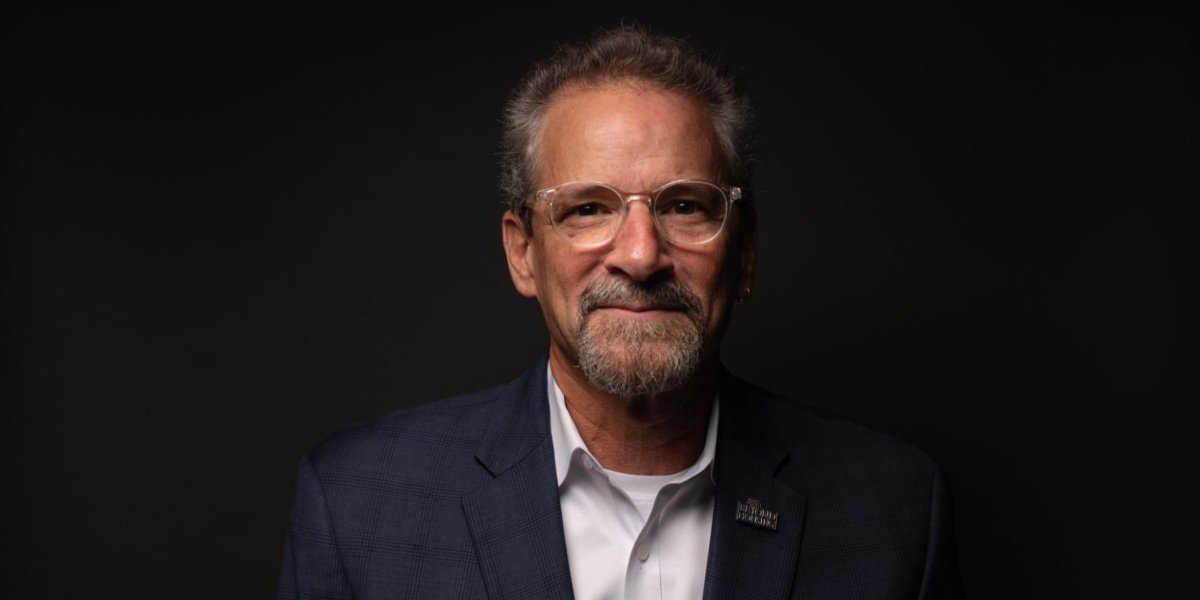
Dwayne Moore, founder and CEO of MNFS, has played an instrumental role in these efforts. Having grown up in Brooklyn himself, Moore’s involvement in local baseball runs deep. His support is not simply transactional; it reflects an understanding of the transformative power of youth sports within urban settings. Moore’s journey from student-athlete to entrepreneur has been shaped by many of the same institutions and values that youth baseball instills. His involvement with the Brooklyn Bonnies represents a full-circle moment, where former players become benefactors of the programs that once shaped them.

Moore’s background as a former baseball is a different story, first at Abraham Lincoln High School, where he batted .489 with 17 home runs, and later at Miami Dade College, which offered him a unique vantage point. He understood firsthand the importance of structured development, resource access, and long-term mentorship. By investing in the Brooklyn Bonnies and similar initiatives, Moore and MNFS are helping replicate those conditions for today’s youth. His involvement is not limited to sponsorship; Moore often appears at team events and seasonal tryouts, remaining accessible and engaged with coaches and players.

These collaborations also enable greater community outreach. Over the past few years, MNFS has enabled collaborative activities like free baseball clinics, back-to-school drives, and holiday givebacks, leveraging the baseball field as a platform for wider youth development. 

But even with this assistance, sustainability is a problem. Urban youth programs often run on thin budgets and depend significantly on volunteer staff. The long-term viability of these organizations frequently depends on continued investment and strategic partnerships that extend beyond one-time donations. According to a 2021 National Recreation and Park Association study, more than 30% of community-based youth sports organizations in major U.S. cities reported declining resources and participation due to funding gaps and lack of infrastructure.

That’s why Moore and other local business leaders have continued advocating for expanding youth baseball programs in Brooklyn and across New York City. The idea is to grow future professional or college athletes and offer a development pathway for every child who desires structure, guidance, and belonging. For most, the skills learned between the foul lines, perseverance, accountability, and collaboration are carried off the field into tremendous success.

While baseball evolves in the United States, especially in the cities where the game has faltered in recent decades, teams like the Brooklyn Bonnies provide a counter-narrative. Through further investment from the community and specific partnerships, these leagues can maintain a culture of mentorship that goes beyond a few prospects. These leagues serve a neighborhood. Although not all participants will continue to play college ball or be part of the Major Leagues, the basis established by such programs assists youths in becoming physically active, socially engaged, and self-assured members of society.

The engagement of Dwayne Moore, both in Moore National Facility Services and his community connections, shows local leadership’s essential role in preserving the chances. His narrative, born from the same fields and dugouts where today’s Brooklyn youth are learning the game, captures the long-standing strength of returning the favor, not as philanthropy, but as an investment in the future generation.

Dwayne Moore’s efforts to support Brooklyn youth baseball, especially in his assistance to the Brooklyn Bonnies, are just one instance of how community-based alliances can keep vital programs afloat. As these leagues keep growing and improving, their role in shaping athletes and citizens remains as essential today as ever.


Inside People Fuss: The Show Turning Arguments Into Action

By: Treasure Tunnel

Small business COO Carrie Prince and 3D data librarian Doug Daniels bring heart, history, and humor to fix fraying connections—one episode at a time.

“People Fuss”—a new podcast-and-YouTube hybrid hosted by modern couple and co-hosts Carrie Prince and Doug Daniels—aims to make conversation useful again. The series is now live on YouTube, Spotify, and Apple Podcasts, offering smart, values-driven dialogue with practical takeaways you might use each week.

Prince, a certified professional leadership coach and Small Business COO with an MBA, says, “We built People Fuss to marry heart and smarts. My lane is people-problem solving, business ethics, and leadership coaching, while Doug brings history and nerd culture to the table. Together, we offer a balanced, values-driven perspective—with humor, grace, and real-world action. Every episode is an opportunity to rebuild meaningful human connection.”

Daniels, a unionized 3D data librarian and lifelong history lover, is equally direct about the show’s intent. “In a world of increasing conflict, we explore the stories behind our tenuous ties—in work, love, leadership, culture, politics, and tech—and invite listeners to address them with context, humor, and concrete steps,” he says. “If we can counter a little of the toxic manosphere that dominates parts of the podcast landscape, that would be a positive contribution.”

What Makes It Different

Plenty of shows claim to offer “authentic conversation.” People Fuss strives to earn it by putting boardroom and backstory on-mic: Prince translates messy “people problems” into repeatable practices (communication, decision-making, feedback, trust-building), while Daniels challenges ideas against history and culture so the talk stays sharp without turning combative.

The pair’s ethos—“Judging gently. Dissecting honestly. Fussing responsibly”—isn’t a slogan so much as a format. Most episodes follow a frame–context–practice arc, which means listeners leave with both a laugh and a tool.

Why It Lands Now

If your feeds feel louder and meaner, you’re not imagining it. People Fuss positions itself as a human counterweight to outrage-driven media.

The goal isn’t to “win” an argument; it’s to repair connection at home, at work, and in the community—with room for disagreement, evidence where it matters, and grace where it counts. In a city that reinvents itself daily, the show believes connection can be reinvented, too.

The Opening Slate

Early episodes make it clear the thesis travels. Expect a modern take on the five love languages; a comic-book history detour that reframes immigration debates and the latest Superman flap; a sober look at extremes in politics and how to resist all-or-nothing thinking; plus real talk on tech-based dating culture, veganism, and the science of empathy.

Expert guests will be dropping in to widen the lens, and listener prompts invite the audience to shape future topics—participation isn’t just a gimmick here; it’s the point.

Cred Where It Counts

Beyond the mic, Prince brings operating chops. As a COO and leadership coach, she led a small company from chaos to acquisition in 11 months, using a holistic, values-driven approach that amplifies strengths and guides stakeholders through change.

Daniels brings a researcher’s rigor and an archivist’s memory, translating history and nerd culture into context that keeps conversations honest—and useful.

An early Apple Podcasts review sums up the draw: “Carrie and Doug have incredible chemistry, and I thoroughly enjoy their thought-provoking banter! We need these kinds of conversations happening more frequently in the current wild world we live in.”

Come for the history and humor; stay for the tools, the grace, and the invitation to discuss the fuss—together.

How to Listen

People Fuss is streaming now on YouTube, Spotify, and Apple Podcasts. For links and episode notes, visit peoplefuss.com or the show’s Linktree.


Disclaimer: The information provided in this article is for informational purposes only and should not be considered as professional or legal advice. The views and opinions expressed on the “People Fuss” podcast are those of the hosts and guests and do not necessarily reflect the views of any affiliated organizations. Individual experiences may vary, and the effectiveness of the strategies discussed may not be applicable to every situation. Always consult with a qualified professional for personalized guidance on leadership, communication, or other topics discussed on the show.

Katie Augustine Brings Planet-First Strategy to Nonprofit Leadership

By: Treasure Tunnel

When international bestselling author and Earth advocate Katie Augustine set out to launch her newest venture, she had a vision that stretched far beyond traditional consulting. With the introduction of ECS Evolve Consulting Services, Augustine is leveraging her 14 years of coaching experience, combined with her 22-year background as an attorney and risk consultant, to offer nonprofit leaders a model that aims to make a bigger impact—while aiming to reduce their environmental footprint.

Augustine says, “Many leaders want to operate their organizations in ways that create meaningful results while also supporting the planet to thrive. After coaching thousands of clients to elevate their businesses, I’ve learned that when we align with our values and consciousness-based principles, impact can accelerate. ECS Evolve was created to help nonprofit leaders bring collective vision into their strategies so they can maximize their difference, both for their organizations and for the planet.”

The Birth of ECS Evolve

ECS Evolve Consulting Services was founded on the belief that nonprofit organizations have the potential to do more than achieve their immediate goals—they can also contribute to the long-term health of the planet. The Cleveland-based firm specializes in strategic action planning, sustainable frameworks, environmental risk assessments, regenerative solutions, and leadership consulting.

At the heart of the company is its flagship Be The Change™ program, featuring Augustine’s signature EVOLVE 6-Phase Framework. This structured approach helps nonprofit leaders clarify their vision, translate it into actionable steps, and build the collaborative partnerships necessary to amplify their mission.

The EVOLVE Framework in Action

The EVOLVE 6-Phase Framework is more than a consulting tool; it’s a leadership roadmap designed for today’s complex challenges. Each phase builds on the next, ensuring leaders have the mindset, structure, and accountability to pursue success:

  • Engage: Ground in personal, organizational, and collective values while shifting into a mindset that supports high-impact execution.
  • Vision: Define a clear, holistic vision—for the leader, the organization, and the collective—and pursue it with intention.
  • Originate: Translate values and vision into a focused Origin Map with top objectives to tackle over the next 90–120 days.
  • Launch: Create and track a detailed action plan with timelines, ownership, and accountability measures.
  • Validate: Assess and adjust strategies, streamlining and optimizing processes while retiring non-essential work.
  • Expand: Strengthen impact through collaboration, shared resources, and coalition-building to enhance reach and efficiency.

With this framework, ECS Evolve equips leaders not only to meet their goals but also to foster long-term sustainability and cross-sector impact.

A Credibility-Driven Founder

Augustine brings an impressive portfolio of expertise to her new company. She was named one of Cleveland’s Top 15 Coaches by Influence Digest Media in both 2024 and 2025 and is an International Bestselling Author of Cracking the Rich Code, Vol. 12, co-authored with Jim Britt and co-sponsored by Tony Robbins.

Over the course of her career, she has coached thousands of clients worldwide, helping leaders and entrepreneurs elevate their performance with strategies rooted in consciousness teachings and practical execution.

Her professional foundation as a banking attorney, compliance director, and risk consultant provides nonprofit leaders with something rare: a guide who combines technical expertise in governance and risk management with a deep understanding of leadership coaching and organizational culture.

Augustine has also served as a senior coach and faculty member with the Brave Thinking® Institute, training coaches across the globe to start and then scale their businesses as they expand their impact of transformational coaching.

Advocacy at the Core

Augustine’s work is not limited to boardrooms or consulting sessions. She is also an ordained Minister of Walking Prayer® through the Center for Sacred Studies, where she studied for eight years with Indigenous elders. This training has shaped her ability to bring presence, reverence, and cross-cultural wisdom to her leadership approach.

In addition, she has been deeply involved in environmental and animal advocacy throughout her life, integrating this passion into her business philosophy. For Augustine, helping nonprofit leaders thrive is inseparable from helping the planet thrive.

Why ECS Evolve Matters Now

Nonprofits face growing challenges: shrinking grant pools, reversed regulatory pressures, and the urgent responsibility to demonstrate both impact and sustainability. ECS Evolve positions itself as a partner to leaders navigating this reality—inviting them to move beyond short-term survival into thriving, while also aligned toward long-term planetary evolution.

The firm’s guiding philosophy is rooted in the idea that collective vision drives collective change. Seeing this time as a planetary evolution, Augustine emphasizes that what contracts by law will eventually expand. Visionary leaders resonate with humanity thriving in harmony with the regeneration of the planet’s species and ecosystems. By aligning strategies with values and by integrating environmental responsibility, ECS Evolve offers leaders a way to be on the cutting edge of this extraordinary time, able to expand into a greater reach with those who resonate with these understandings and to inspire collaboration across the nonprofit sector.

Looking Ahead

Through ECS Evolve Consulting Services, Katie Augustine has created more than just a firm—she has created a movement. By blending strategy with sustainability, and personal growth with organizational vision, Augustine is helping nonprofit leaders rise to the challenges of today while shaping a more sustainable tomorrow.

For nonprofit leaders ready to align their mission with planetary well-being, ECS Evolve provides both the tools and the mindset to support it.

As Augustine puts it, “When we align with values and consciousness-based principles, impact can accelerate. It is time to bring collective vision into our strategies, for greater organizational and planetary impact.”

Learn more at ECSevolveconsultingservices.com or connect with Katie Augustine on LinkedIn.

Chris Krehmeyer’s Strategic Insights into the Complex World of Affordable Housing

By: Matt Emma

Demand for affordable housing consistently exceeds supply. In the rental sector, this often results in households paying a third or half their income on rent—if they are able to find housing at all.

Chris Krehmeyer, the President and CEO of the Missouri-based community development organization Beyond Housing, has four decades of experience working toward increasing access to affordable housing within the St. Louis region. His expertise in addressing barriers to financing, construction, and management of rental homes and apartments while collaborating with residents and local elected leaders provides him with unique insights into strategic solutions for the ongoing shortage of affordable housing.

As of late 2024, experts estimated that the U.S. was short 3.7 million homes for sale or rent to households with extremely low incomes. This is the target demographic for Beyond Housing’s nearly 800 rental homes and apartments, where monthly rent can reach up to $820 per month for a four-bedroom home. Income-qualified residents also receive customized support to assist in reaching their goals in education, employment, health, homeownership, and more.

“Beyond Housing has developed our comprehensive, holistic model over the past 50 years,” says Krehmeyer. “We have discovered that our actions must be guided by the voice of the community to ensure we are acting toward a common vision. Just as importantly, we ensure that our efforts are mutually reinforced to create greater impact, which makes each dollar invested significantly more effective.”

Stabilizing the Existing Housing Market

Beyond Housing’s place-based model centers on 23 suburban municipalities on the northern edge of the City of St. Louis. Many of the homes were built after World War II as the region expanded. However, decades of disinvestment led to a hollowing out of the economic base, and some homeowners find it difficult to maintain and repair their homes.

Recognizing that a decrease in the housing stock and an increase in the number of those seeking housing could further strain already high rents, Beyond Housing works to keep people in their homes. For example, in 2023 alone, the nonprofit invested more than $4.2 million in repairs to 171 homes, funded through grants from organizations such as the Federal Home Loan Bank of Des Moines.

Beyond Housing is also active in efforts to help reduce crime, assist with title clearance, address energy costs, and other initiatives that can enhance the livability of local neighborhoods. Although these may seem like ancillary concerns, Krehmeyer notes that the affordable housing crisis does not exist in a bubble, which is why Beyond Housing takes a holistic approach.

In addition, national trends also play out on the ground locally. “Consumer debt reached an all-time high in the fourth quarter of 2024, and that can have direct impacts on households’ ability to secure housing and pay their bills on time,” Krehmeyer says.

Adding New Construction

While it’s important to retain the existing housing stock, construction of new homes and apartments is a key element in addressing the affordable housing crisis. This is a tremendously complex endeavor, impacted by everything from local zoning restrictions to low-income housing tax credits to below-market, permanent financing.

“Since 2010, Beyond Housing has secured more than $47 million in new home construction for the communities we serve,” Krehmeyer says. “Through a network of longtime partners as well as new collaborators, we have access to the financial tools and construction expertise we need to successfully complete projects like our most recent one, the addition of 36 affordable rental homes in the City of Pagedale.”

Beyond Housing also supports other local developers who are building homes for sale through its homebuyer education courses and downpayment assistance programs that serve first-time homebuyers.

By taking a comprehensive approach, Beyond Housing is demonstrating that the challenges of affordable housing can be addressed. Its work in the St. Louis region serves as a potential model for other organizations looking to address this issue nationwide.

Phone-Free Productivity: Overcoming Employee Distractions in the Workplace

Phone-free productivity is gaining momentum across U.S. workplaces as companies seek to reduce distractions and improve employee focus. With smartphones now embedded in daily routines, the challenge of maintaining attention during work hours has become more complex. Businesses are responding with creative strategies that encourage intentional use of technology and foster environments where deep work can thrive.

The Distraction Dilemma

Smartphones offer convenience, connectivity, and flexibility, but they also introduce constant interruptions. Notifications, social media, and messaging apps compete for attention, often pulling employees away from tasks that require sustained concentration. The average worker checks their phone dozens of times per day, fragmenting focus and reducing efficiency.

In open office settings, the impact is even more pronounced. A single ping can disrupt not just one person but an entire team. Over time, these micro-distractions accumulate, leading to lower output and increased stress. Phone-free productivity initiatives aim to address this by creating boundaries that support mental clarity and task completion.

Creating a Culture of Focus

Implementing phone-free productivity begins with culture. Leaders must model focused behavior and communicate the value of uninterrupted work. This doesn’t mean banning phones entirely, it means setting expectations around when and how they’re used.

Some companies have introduced “focus zones” where phones are discouraged, allowing employees to work without digital interference. Others have adopted time-blocking strategies, encouraging staff to schedule phone-free periods for deep work. These approaches signal that focus is a shared priority, not just an individual responsibility.

Designing Workspaces for Attention

Physical environment plays a key role in phone-free productivity. Offices designed with quiet areas, natural light, and minimal clutter help reduce cognitive overload. When paired with policies that limit phone use in certain zones, these spaces become havens for concentration.

In some firms, meeting rooms are designated as phone-free by default. This encourages active participation and reduces the temptation to multitask. Break rooms, on the other hand, may remain phone-friendly to support relaxation and social connection. Balancing these spaces allows employees to recharge without compromising productivity.

Leveraging Technology to Limit Technology

Ironically, technology itself can support phone-free productivity. Apps that monitor screen time, block distracting websites, or schedule focus intervals are being used to help employees stay on track. These tools offer gentle nudges toward healthier habits and provide data that can inform personal and team-level adjustments.

Digital wellness platforms are also being integrated into corporate wellness programs. By tracking usage patterns and offering personalized recommendations, these platforms help employees become more mindful of their tech habits. This aligns with broader efforts to improve workplace well-being and reduce burnout.

Encouraging Mindful Breaks

Phone-free productivity doesn’t mean working nonstop. Breaks are essential for mental recovery, but they’re most effective when they’re intentional. Encouraging employees to step away from screens during breaks, whether through walking, stretching, or casual conversation, can enhance energy and focus when they return to their desks.

In offices where camaraderie is strong, these breaks often become opportunities for connection. Research into workplace relationships and productivity shows that social bonds can improve morale and reduce stress, making phone-free breaks a win for both focus and culture.

Training and Support for Behavior Change

Changing habits takes time. Businesses that invest in training and support are more likely to see lasting results. Workshops on digital mindfulness, productivity coaching, and peer-led discussions can help employees understand the impact of phone use and explore alternatives.

Managers play a key role in reinforcing these changes. By recognizing focused work, offering flexibility, and avoiding micromanagement, they create conditions where phone-free productivity can flourish. Insights into how leadership styles affect output underscore the importance of trust and autonomy in driving performance.

Balancing Accessibility and Boundaries

One concern with phone-free policies is accessibility. Employees may worry about missing urgent messages or being disconnected from family. Clear guidelines and flexible options help address these concerns. For instance, allowing phones during lunch breaks or providing emergency contact protocols ensures that boundaries don’t become barriers.

Some companies have adopted a “silent mode” approach, where phones remain on but notifications are disabled during focus hours. Others use shared calendars to signal availability, reducing the need for constant check-ins. These strategies maintain communication while preserving attention.

Real-World Shifts Toward Focus

Across the U.S., businesses are experimenting with phone-free productivity in diverse ways. A design agency in Chicago introduced “deep work Wednesdays,” where phones are silenced and meetings are minimized. Staff reported higher output and greater satisfaction with their work.

Phone-Free Productivity Overcoming Employee Distractions in the Workplace

Photo Credit: Unsplash.com

In Atlanta, a tech startup created a phone-free lounge where employees can read, reflect, or brainstorm without digital distractions. The space quickly became a favorite among developers seeking clarity during complex projects.

A marketing firm in Denver implemented a team challenge to reduce screen time during work hours. Using tracking apps and shared goals, employees supported each other in building new habits. The initiative led to improved collaboration and a noticeable drop in missed deadlines.

These stories reflect a growing recognition that productivity is not just about working harder, it’s about working smarter. Phone-free strategies offer a path toward deeper engagement, better results, and healthier work environments.

Looking Ahead with Intentional Focus

Phone-free productivity is not a trend, it’s a response to the realities of modern work. As distractions multiply, the ability to focus becomes a competitive advantage. Businesses that prioritize attention, support behavior change, and design environments for clarity are positioning themselves for long-term success.

Whether through policy, culture, or design, the shift toward phone-free productivity reflects a deeper commitment to employee well-being and operational excellence. In a world where attention is constantly under siege, reclaiming focus may be one of the most powerful moves a business can make.

How Lifestyle Changes Can Boost Mental Health Across the U.S.

Mental health has become a central focus for individuals, workplaces, and policymakers across the United States. As awareness grows, so does the understanding that mental well-being is shaped not only by clinical care but also by everyday lifestyle choices. From sleep habits to social connection, small adjustments in daily routines are proving to have a powerful impact on mental health outcomes.

The Link Between Routine and Resilience

Daily structure plays a critical role in mental health. Establishing consistent routines helps regulate mood, reduce anxiety, and improve focus. Whether it’s waking up at the same time each morning or setting aside time for reflection, these habits create a sense of stability that supports emotional balance.

In cities like Austin and Seattle, wellness-focused communities have embraced morning rituals that include movement, journaling, and mindfulness. These practices are not limited to wellness circles, they’re being adopted by professionals, students, and families seeking more grounded ways to start the day.

Nutrition and Its Psychological Impact

Food choices influence more than physical health. Nutrient-rich diets support brain function, hormone regulation, and energy levels, all of which affect mental health. Diets high in processed foods and sugar have been linked to increased risk of depression and anxiety, while whole foods, omega-3 fatty acids, and fermented items contribute to improved mood and cognitive clarity.

Across the U.S., nutritionists and mental health advocates are working together to promote dietary awareness. In some corporate wellness programs, meal planning and nutrition education are now part of mental health initiatives. These efforts reflect a broader shift toward holistic care, where physical and mental health are treated as interconnected.

Movement as Medicine

Physical activity remains one of the most effective tools for improving mental health. Regular exercise releases endorphins, reduces stress hormones, and enhances sleep quality. Activities like walking, yoga, and strength training have been shown to alleviate symptoms of depression and anxiety.

In urban centers and rural towns alike, community fitness programs are gaining traction. From group hikes in Colorado to dance classes in New York, movement is being reframed as a mental health resource. Employers are also investing in wellness budgets that include gym memberships and fitness stipends, as highlighted in recent coverage of corporate mental health spending.

Sleep Hygiene and Emotional Regulation

Sleep is often overlooked in mental health conversations, yet it plays a foundational role in emotional regulation and cognitive function. Poor sleep can exacerbate anxiety, reduce coping ability, and impair decision-making. Establishing healthy sleep habits, such as limiting screen time before bed and maintaining a consistent sleep schedule, can significantly improve mental health.

Sleep clinics and digital wellness platforms are now offering personalized sleep assessments and coaching. These services help individuals identify patterns and make adjustments that support deeper, more restorative rest.

Digital Boundaries and Mental Clarity

Technology has transformed communication, work, and entertainment, but it has also introduced new stressors. Constant notifications, social media comparison, and digital overload can contribute to mental fatigue and emotional distress. Setting boundaries around screen time and digital engagement is becoming a key strategy for mental health protection.

In workplaces across the U.S., digital wellness policies are being introduced to encourage healthier tech habits. Some companies have implemented “no email after hours” rules or designated tech-free zones to support employee well-being. These changes reflect a growing recognition of the mental health impact of digital environments.

Reading and Mental Restoration

Reading offers a unique form of mental escape and restoration. Immersing in stories or learning through nonfiction can reduce stress, improve focus, and foster empathy. Libraries, book clubs, and digital reading platforms are being embraced as mental health sanctuaries, especially in communities where access to therapy may be limited.

How Lifestyle Changes Can Boost Mental Health Across the U.S.

Photo Credit: Unsplash.com

Recent insights into the therapeutic value of reading have sparked interest in bibliotherapy and literary wellness. A deeper look into how reading supports mental health reveals its role in emotional processing and cognitive engagement.

Social Connection and Support Networks

Human connection is essential to mental health. Isolation can lead to increased stress, anxiety, and depression, while strong social ties promote resilience and emotional stability. Lifestyle changes that prioritize connection, such as joining community groups, volunteering, or scheduling regular check-ins with friends, can have a profound impact.

In cities like Chicago and Atlanta, mental health organizations are partnering with local businesses to host social wellness events. These gatherings offer safe spaces for conversation, creativity, and shared experience, helping individuals feel seen and supported.

Work-Life Balance and Mental Sustainability

Balancing professional demands with personal needs is a growing priority for mental health advocates. Overwork and burnout are linked to a range of mental health challenges, including chronic stress and emotional exhaustion. Lifestyle changes that support work-life balance, such as flexible schedules, remote work options, and intentional downtime, are being embraced across industries.

Companies investing in mental health are seeing returns in productivity, retention, and employee satisfaction. These shifts are not just policy changes, they reflect a cultural movement toward valuing mental sustainability as a core business strategy.

Community-Led Wellness Initiatives

Grassroots efforts are playing a powerful role in shaping mental health culture. Local wellness collectives, peer support groups, and neighborhood mental health campaigns are creating accessible pathways to care. These initiatives often focus on prevention, education, and empowerment, helping individuals take proactive steps toward mental well-being.

In Detroit, a community garden project integrates mental health workshops with urban farming. In Portland, a mobile wellness van offers free counseling and resources in underserved areas. These programs demonstrate how lifestyle changes can be supported at the community level, making mental health care more inclusive and responsive.

Mental health is no longer viewed solely through a clinical lens. Across the U.S., individuals and organizations are embracing lifestyle changes that support emotional well-being, cognitive clarity, and social connection. From nutrition and movement to digital boundaries and reading habits, these shifts reflect a broader understanding of what it means to care for the mind.

As awareness continues to grow, so does the opportunity to build a culture where mental health is prioritized, protected, and celebrated. Whether through personal routines or collective action, lifestyle changes are proving to be a powerful force in shaping a healthier, more resilient future.

Wealth with Purpose: Dr. Alvin J. Thomas’ Mission to Educate, Empower, and Elevate

By: Lennard James

Dr. Alvin J. Thomas is not a typical financial educator. A decorated U.S. Army veteran, accomplished businessman, and seasoned scholar, he has spent more than three decades bridging military discipline, classroom rigor, and community service. Today, his work centers on a simple, urgent belief: financial literacy is a life skill—and everyone deserves access to it. 

Raised in South Georgia, Dr. Thomas learned early the values of service, preparation, and integrity. Those principles carried him through a global military career, where he became known as a strategic thinker and a builder of high-performing teams. After retiring from active duty, he transitioned into education, teaching history, economics, and English. The classroom sharpened what the military had begun: a leadership style rooted in accountability, clarity, and care for people. 

The economic shock of the COVID-19 pandemic marked a turning point. Watching families struggle with lost income, predatory fees, and confusion about credit, Dr. Thomas saw a gap he could help close. “Too many people were unprepared,” he says. “Not because they didn’t care, but because they weren’t taught.” He redirected his energy toward financial literacy—designing trainings that translate complex ideas into practical, everyday steps. 

Rather than spotlighting products or sales, Dr. Thomas emphasizes skills and systems

  • Budgeting with purpose: aligning spending with values and goals. 
  • Credit basics: understanding scores, reports, and the true cost of debt. 
  • Emergency readiness: building resilient households through savings habits. 
  • Consumer awareness: spotting scams, junk fees, and misleading claims. 
  • Goal setting: mapping short-, mid-, and long-term plans that are realistic and trackable. 

His workshops—delivered in churches, community centers, libraries, and veteran halls—are interactive by design. Participants work through real scenarios, build starter action plans, and leave with checklists they can use the same day. He meets people where they are, whether that’s translating a credit report line by line or helping a family draft a monthly cash-flow plan they can stick to. 

Equity is a throughline of his approach. Dr. Thomas focuses on communities that have historically been underserved: veterans transitioning to civilian life, working parents juggling multiple jobs, and neighborhoods where trust in financial institutions is fragile. He partners with local nonprofits and civic leaders to remove barriers such as childcare, transportation, and scheduling. When possible, he pairs sessions with free credit pulls, benefit navigation, and referrals to vetted community resources—turning a class into a gateway for broader support. 

Mentorship is another pillar. Dr. Thomas coaches emerging educators and community advocates to deliver high-quality literacy programs of their own. He shares curricula, facilitation techniques, and a code of ethics that keeps instruction independent and learner-first. “Leadership is about lifting others,” he notes. “In this space, that means helping people see possibilities where they used to see problems—and training more leaders to do the same.” 

Academically, Dr. Thomas brings depth to his practice. He holds multiple degrees and certifications, including a Doctorate in Public Administration and credentials in education and administration. That background informs his data-minded approach: pre- and post-session surveys, clear learning objectives, and follow-ups that measure behavior change over time. The goal is not a one-time seminar but sustained progress—families who can name their goals, explain their plan, and adjust it as life changes. 

Looking ahead, Dr. Thomas is expanding his footprint through digital content and youth programming. He is developing age-appropriate modules for teens that cover earning, saving, smart spending, and the foundations of credit—delivered alongside lessons on identity, online safety, and media literacy. For adults, he is creating concise, mobile-friendly lessons and virtual office hours to make learning more accessible for those with busy schedules. 

Through it all, Dr. Thomas keeps the human stakes front and center. “Financial literacy isn’t just about numbers,” he says. “It’s about peace of mind—the confidence that you can care for your family, weather a setback, and build a future you believe in.” 

His work is neither flashy nor driven by products. It is people-driven: practical education, ethical mentorship, and community partnerships that multiply impact. In a landscape where advice can be tied to sales, Dr. Thomas offers something rarer—clear information, transparent guidance, and a steady hand. 

The result is visible in the small wins that become turning points: a parent who opens a savings account and automates deposits for the first time, a veteran who negotiates a lower predatory rate, and a high-school senior who learns how credit works before signing a first lease. One lesson at a time, those moments add up to more resilient households—and stronger communities. 

Service. Strategy. Stewardship. That is the signature of Dr. Alvin J. Thomas’s work. By teaching what schools often don’t and doing it with humility and heart, he is helping people move from uncertainty to understanding—and from knowledge to action. In that shift lies the true meaning of wealth with purpose: education that empowers, leadership that elevates, and a path forward that everyone can walk. 


Disclaimer: The information provided in this article is for general informational purposes only and is not intended as financial or professional advice. While we strive for accuracy, we make no representations or warranties, express or implied, about the completeness, accuracy, reliability, suitability, or availability of this information. Use of this information is at your own risk.

CIVALYTICS: Empowering Stakeholders with Data-Driven Political Insights

Analyzing and applying political data have become critical components in shaping modern governance and democracy. In an era of increasing political complexity and widespread misinformation, reliable data analytics tools are increasingly important for diverse stakeholders seeking clarity in decision-making. Political campaigns, journalists, researchers, and government agencies often rely on timely and accurate insights to navigate the dynamic political landscape. However, access to actionable and easily interpretable data has traditionally been a challenge, particularly for those without specialized skills in data analysis. Addressing these gaps, innovative platforms aim to make data-driven insights more accessible to a broader audience, fostering transparency and accountability.

The diverse needs of stakeholders illustrate the demand for solutions that cater to varying levels of expertise while maintaining credibility. Political campaigns, for instance, typically require granular data to tailor messages to constituents and anticipate voter behavior. Researchers depend on well-organized datasets to uncover trends that shape public policy. Journalists rely on comprehensive insights to create informed narratives, while government agencies seek tools to enhance the effectiveness of policy implementation. Each of these groups represents a critical link in the democratic process, making it important for them to have tools that simplify complex datasets without compromising analytical depth.

CIVALYTICS is an emerging platform that positions itself as a bridge between political data complexity and usability. Developed by Aaron Biello under the umbrella of Project Democracy, CIVALYTICS seeks to meet the needs of these audiences by offering intuitive tools and trustworthy data sources. Through features like political scorecards, data visualizations, and an AI-driven interface, the platform positions itself as a virtual political analyst and data scientist, designed to democratize access to national, state, and local insights.

The platform provides resources for political campaigns to analyze voter demographics, track opponent strategies, and optimize outreach efforts. In scenarios where campaigns have traditionally relied on hired analysts or consultants, tools like CIVALYTICS could offer an alternative that is both cost-effective and accessible. Candidates and campaign managers can quickly generate reports highlighting key voter issues, measuring campaign effectiveness, or comparing regional political dynamics. This flexibility helps empower campaigns to adapt strategies based on real-time data, ensuring a responsive and informed approach to electoral competition.

Journalists, too, are likely to benefit from platforms like CIVALYTICS. In an age where media plays a crucial role in shaping public opinion, access to credible and transparent data is increasingly important. The platform’s ChatGPT-like interface simplifies the process of retrieving insights, allowing reporters to craft stories with data-backed accuracy. By breaking down national and local datasets into digestible visualizations, CIVALYTICS aims to enable journalists to present political trends in an engaging and easy-to-understand way. Hypothetical scenarios might include analyzing shifts in voter turnout or examining regional responses to specific policies, helping readers gain a clearer understanding of political realities.

Researchers and academics form another key demographic that benefits from platforms like CIVALYTICS. Unlike general-purpose AI tools, which often lack specialized datasets or contextual depth, this platform is tailored to address the complexities of political data. Researchers can access longitudinal data trends, evaluate policy outcomes, and cross-analyze economic indicators and public opinion variables. This functionality supports academic studies that could inform future policies, helping bridge the gap between scholarly analysis and practical application.

Government agencies that implement policies and serve constituents also require robust tools to inform their operations. CIVALYTICS addresses this need by offering insights that could enhance accountability and policy effectiveness. For example, agencies can track the success of local programs, monitor changes in community needs, or assess the impact of national directives on a micro level. The platform enables agencies to allocate resources efficiently and respond proactively to emerging challenges by streamlining access to actionable data.

Central to the appeal of CIVALYTICS is its ability to cater to users with varying levels of technical expertise. While seasoned analysts may utilize the platform to deepen existing analyses, individuals with limited data experience can still generate meaningful insights without prior training. This dual functionality positions the platform as a versatile tool in a political landscape that increasingly relies on informed decision-making.

The ongoing beta phase has provided preliminary feedback from users, further illustrating the platform’s versatility. Select subscribers, including members of the media, policy researchers, and campaign staff, have tested its features and noted its practical applications. These insights are expected to inform adjustments and improvements leading to the full launch in May 2025. By valuing real-time user input, CIVALYTICS underscores its commitment to meeting the unique needs of its audience while maintaining the integrity of its data sources.

Tools such as CIVALYTICS emphasize data as a key component in strengthening democratic systems. As a platform for resource utilization by political campaigns, journalists, researchers, and government agencies to serve the greater mission of enhancing transparency and accountability, it offers a bespoke approach toward political analysis that lets people understand how technology can empower each level’s stakeholders, making data a tool for informed action rather than a barrier to understanding.

As CIVALYTICS approaches a public launch, its capability to meet the varied needs of its users is likely to determine its position in the shifting landscape of political data analysis. From helping campaigns, supporting journalistic investigations, or making policy implementation even more precise, this platform could represent the next step toward democratizing political insight.


Disclaimer: The views and insights presented in this article are intended for informational purposes only. While every effort has been made to ensure the accuracy of the information, the platform discussed, CIVALYTICS, is still in its beta phase, and features, functionalities, and capabilities may be subject to change. The article does not advocate for any particular political ideology, candidate, or policy, and the content is not intended to provide investment or legal advice. Readers are encouraged to verify any information before making decisions based on the content presented.