US Business News

Economic Pressures Weigh on U.S. Consumer Confidence


Economic pressures are no longer abstract headlines, they’re shaping how Americans spend, save, and plan in real time. From inflation and interest rate hikes to housing costs and student debt, consumers are recalibrating their financial priorities. The result is a more cautious, value-driven approach to everyday decisions. Whether it’s delaying a vacation, switching to generic brands, or pausing home upgrades, the shift is visible across income levels and industries.

This behavioral reset is forcing brands to rethink how they connect with their audiences. Retailers are leaning into affordability messaging, subscription services are offering pause options, and luxury brands are emphasizing durability over indulgence. The “do I really need this?” mindset is gaining traction, and it’s changing the way consumers evaluate purchases, not just based on price, but on perceived necessity and long-term value.

Digital platforms are also feeling the shift. E-commerce data shows a rise in cart abandonment and increased use of price comparison tools. Consumers are spending more time researching before buying, and loyalty is being tested. Businesses that once relied on impulse purchases are now investing in education, transparency, and flexible payment options to keep customers engaged. The pressure isn’t just economic, it’s psychological.

Executives and entrepreneurs should view this moment as a strategic inflection point. Economic pressures are reshaping consumer behavior, but they’re also revealing what matters most to buyers. Brands that respond with empathy, clarity, and relevance may not only weather the storm, they may emerge with stronger customer relationships and a sharper value proposition. In a market defined by uncertainty, understanding behavior is the first step toward building resilience.

Confidence Slips as Prices Stay High

Consumer confidence in the U.S. continues to slide, and persistent price pressure is a major factor. Despite cooling inflation in some sectors, everyday essentials, from groceries to utilities, remain elevated. For many households, the disconnect between macroeconomic indicators and lived experience is widening. When consumers feel squeezed at the checkout line, optimism about the broader economy tends to fade.

This erosion in sentiment is showing up in spending patterns. Discretionary purchases are being delayed, and value-driven alternatives are gaining traction. Brands that once thrived on impulse buying are seeing slower conversion rates, while budget-conscious competitors are gaining ground. The shift isn’t just about affordability, it’s about trust. Consumers want to feel that their money is being spent wisely, and they’re scrutinizing every transaction.

Economic Pressures Weigh on U.S. Consumer Confidence

Photo Credit: Unsplash.com

Business leaders are already adjusting. Marketing teams are reworking messaging to emphasize durability, savings, and long-term value. Retailers are spotlighting loyalty programs and flexible payment options. Even luxury brands are leaning into narratives of timelessness and investment. The goal is to meet consumers where they are, not just financially, but emotionally.

Behind the numbers is a deeper story about perception. When prices stay high, even modest economic gains can feel irrelevant. Executives and entrepreneurs should recognize that confidence isn’t just a metric, it’s a mood. And in today’s climate, that mood is cautious. Understanding how price sensitivity affects consumer psychology is key to staying relevant, responsive, and resilient.

Tariffs and Trade Tensions Add Fuel to the Fire

Economic pressures aren’t just domestic. Tariffs continue to weigh on both consumers and businesses, driving up costs and complicating supply chains. As covered in this article on tariff burdens, these trade tensions are pushing companies to rethink sourcing, pricing, and inventory strategies.

For consumers, the impact is direct. Higher prices on imported goods, from electronics to apparel, are forcing more selective spending. Brands that once relied on global supply chains are now exploring nearshoring and alternative materials to stay competitive. The result? A more cautious, value-driven marketplace where loyalty is earned through transparency and adaptability.

Consumer Psychology Is Driving the Slowdown

Economic pressures don’t just affect wallets, they affect mindsets. As explored in this feature on consumer psychology, perception often drives behavior more than raw data. When consumers expect a downturn, they act accordingly, even if their personal finances haven’t changed dramatically.

This psychological shift is visible in everything from travel bookings to home improvement purchases. Consumers are asking themselves: “Do I need this now?” And increasingly, the answer is no. For business leaders, this means rethinking urgency, incentives, and messaging. It’s not just about selling, it’s about reassuring.

Executives Are Recalibrating for a New Normal

Across the U.S., executives are recalibrating their strategies to align with evolving consumer sentiment. In retail, brands are doubling down on loyalty programs and flexible payment options. In hospitality, operators are reworking packages to emphasize value and experience. And in tech, startups are pivoting toward solutions that help users save time, money, or both.

This isn’t panic, it’s adaptation. Smart leaders are treating economic pressures as signals, not setbacks. They’re investing in data, listening to customers, and preparing for a landscape where agility matters more than scale. Whether it’s adjusting pricing models or rethinking product launches, the goal is to stay relevant in a market that’s watching every dollar.

Opportunity in Resilience

While economic pressures are real, they also create space for innovation. Brands that respond with empathy, clarity, and value stand to gain trust, and market share. Consumer confidence may be down, but it’s not gone. It’s waiting for signals that businesses understand the moment and are ready to meet it.

Executives and entrepreneurs should view this period as a test of leadership. The companies that thrive won’t be the ones that ignore the pressure, they’ll be the ones that respond with purpose. Whether through smarter pricing, better communication, or more inclusive offerings, the path forward is paved with relevance.
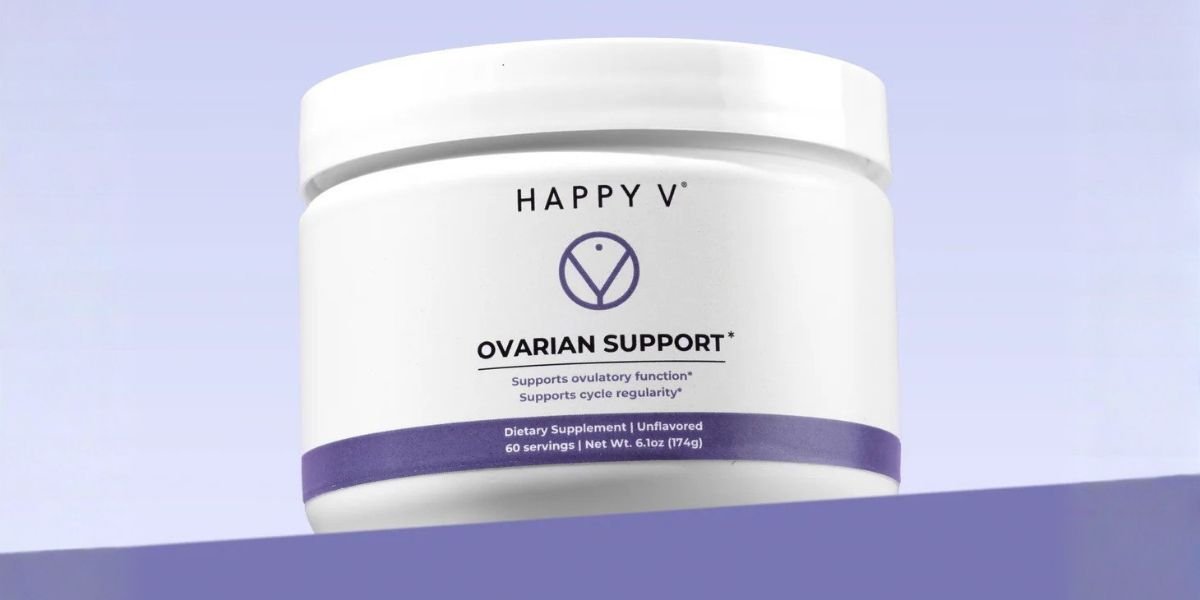
Why Happy V Is Putting Hormonal Health at the Center of Wellness

By: Mary Sahagun

For all the talk of “whole-body wellness,” there’s one part of women’s health that’s still treated like an afterthought: the menstrual cycle. Most brands gloss over it, skip it entirely, or speak to it with vague promises of “balance.” But Happy V is doing something different. They’re designing for the parts of the month that common brands pretend don’t exist.

With targeted solutions for hormonal and ovarian health, Happy V isn’t just meeting women’s needs; it’s helping them reclaim the conversation around their bodies, hormones, and health.

Still Ignored: A Common Yet Complex Women’s Health Experience 

Here’s the reality: Over 90% of women report experiencing some premenstrual symptoms, such as bloating, headaches, and moodiness. Ovarian health plays a significant role in regulating the menstrual cycle and influencing aspects like energy levels and fertility.

This isn’t a gap in demand, it’s a gap in attention.

Happy V stepped into that gap with Ovarian Support, a formula developed to do more than soothe. It’s not a generic multivitamin; it’s a blend of nutrients, minerals, and plant-based compounds aimed at supporting women before, during, and after their cycles. Many users report experiencing fewer cramps, clearer moods, steadier energy, and ongoing hormonal support that works in harmony with a woman’s biology.

Because let’s be honest: it’s time to stop pretending hormone shifts are a side note. They’re center stage. And they deserve better.

Most Brands Whisper. Happy V Doesn’t.

There’s a reason Happy V resonates. It’s not just because their products are made in-house at their own manufacturing facility, giving them full control over sourcing, testing, and quality. It’s because they don’t tiptoe around the conversation.

Happy V talks to women like they’re in on the truth, because they are.

The brand doesn’t just want to sell a bottle of supplements. It wants to rebuild trust in an industry that has long ignored the lived experience of millions. And that starts by telling the reality: women deserve better support for the symptoms they’ve been told for generations to just endure.

Happy V has garnered over 25,000 five-star reviews on its direct-to-consumer platform, with its Prebiotic + Probiotic product alone receiving 5,170 reviews and an average rating of 4.9 out of 5 stars. While specific review counts for their Amazon and TikTok Shop listings are not disclosed, the brand has sold over 20,000 units of their Dr. Formulated Vaginal Probiotics on Amazon in the past month.

A Brand Built From Personal Experience

Happy V isn’t celebrity-backed or venture-hyped. It was built from a problem that wasn’t getting solved. Founder Daniella Levy spent years battling recurring bacterial vaginosis (BV) and being dismissed by traditional care. Tired of feeling broken, she decided to build the solution herself, alongside her partner and a team of experts.

The result? A wildly popular Prebiotic + Probiotic that has gained recognition on Amazon and TikTok Shop. From there, the brand evolved to tackle more silent struggles, such as menstrual and ovarian health.

Daniella’s story is at the heart of Happy V’s tone: direct, unapologetic, and deeply rooted in the idea that self-care doesn’t need permission.

What Support Actually Looks Like

Happy V doesn’t just show up at checkout. They show up where it matters. From intimate manufacturer tours with community members and influencers to a long-standing partnership with Vitamin Angels, the brand is turning its product campaigns into movements. 

This is what care looks like. Not just in a capsule, but in action.

Breaking The Cycle of Not Talking About Cycles

The truth is, the menstrual cycle has never been the problem. The real problem is how little support exists for it. For too long, hormonal health has been brushed aside or boxed into fertility-only narratives. But hormone shifts affect how women sleep, think, feel, and function. They’re not seasonal. They’re daily.

Supporting cycles isn’t just about comfort; it’s about access, equity, and agency. When women are supported through their hormonal changes, they may experience positive changes in their energy, leadership, and creativity.

And that’s the part the wellness world so often forgets: the menstrual cycle isn’t something to silence; it’s something to support. And Happy V is proving that when brands take that seriously, the impact goes far beyond symptoms.


Disclaimer: The products discussed in this article have not been evaluated by the Food and Drug Administration (FDA). These products are not intended to diagnose, treat, cure, or prevent any disease. The information provided is for educational purposes only and is not a substitute for professional medical advice, diagnosis, or treatment. Always seek the advice of your physician or other qualified health provider with any questions you may have regarding a medical condition.

The Rise of Side Gigs: Young Professionals as Creators and Consultants

The concept of side gigs has gained notable traction among young professionals. In recent years, many individuals have sought to expand their careers by pursuing additional roles outside their full-time employment. Whether they are exploring consulting or becoming content creators, these side ventures provide opportunities for both financial growth and personal fulfillment. This rise reflects a shift in the traditional work model, with professionals finding ways to use their expertise or creativity in diverse and often more flexible ways.

Why Are Young Professionals Turning to Side Gigs?

The dynamics of the modern workforce are changing, and young professionals are increasingly seeking alternative paths to career satisfaction. The traditional idea of working solely in a 9-to-5 job is being replaced by a growing number of individuals pursuing side gigs in addition to their primary career. Several factors contribute to this trend, including financial needs, a desire for greater autonomy, and opportunities to pursue passions outside of their regular job.

As explored in this breakdown of how the gig economy transformed the landscape, the accessibility of various online platforms has empowered professionals to offer their expertise, build a following, or create new income streams. This flexibility has made side gigs an appealing option for many people looking to diversify their income or explore new interests. Side gigs offer an escape from the rigid structures that often accompany traditional employment, offering individuals more control over how they spend their time.

How Are Young Professionals Managing Their Full-Time Jobs Alongside Side Gigs?

Successfully balancing a full-time job and a side gig requires careful planning and time management. Many professionals are discovering that while the demand for both jobs can sometimes feel overwhelming, they can be managed effectively with the right strategies. Young professionals often rely on methods such as time-blocking, where specific hours are dedicated to each role, or by ensuring that their side ventures complement their main job.

Some choose side gigs that align with their primary career, helping them hone related skills. Someone working as a graphic designer may take on freelance projects that allow them to experiment with different styles or industries. Similarly, those who work in consulting can leverage their expertise to advise smaller companies or individuals, helping them build a more extensive network and gain exposure to new challenges.

The flexibility offered by side gigs allows many professionals to work at their own pace. Some are able to work remotely, further easing the pressure of juggling multiple commitments. By setting boundaries and managing their time well, these individuals can avoid burnout and ensure that both their primary and side roles remain productive.

Why Do So Many Choose to Be Creators or Consultants?

The shift towards side gigs is often driven by a desire for creative expression and the ability to work independently. Many young professionals are finding that being a creator or consultant allows them to tap into skills and passions that might not be fully realized in their primary job. Social media platforms allow individuals to create content that resonates with a particular audience, whether through video tutorials, photography, or written articles. This creative outlet not only provides personal satisfaction but can also become a revenue stream over time.

Consulting has also become an attractive option for professionals who want to share their expertise with others. Whether it’s in business strategy, marketing, or technology, offering consulting services allows young professionals to apply their skills in real-world scenarios, helping businesses tackle specific challenges. This type of work often offers greater flexibility, with professionals able to choose when and how they take on projects.

Both paths give professionals the chance to develop new skills that enhance their overall career profile. By exploring multiple roles, they broaden their knowledge base and may even bring fresh perspectives into their primary jobs, helping them to stand out in their chosen fields.

What Impact Are Side Gigs Having on Traditional Work Structures?

The rise of side gigs is causing a shift in how employers and employees perceive work. As more professionals pursue additional income or creative projects, there is growing concern about the potential effects on job loyalty and company dynamics. In some cases, employers may worry that side gigs could lead to divided attention, reduced productivity, or even talent retention challenges. However, some companies are beginning to view this trend differently.

The Rise of Side Gigs Young Professionals as Creators and Consultants

Photo Credit: Unsplash.com

Rather than seeing side gigs as a potential threat, certain businesses are embracing the idea that employees who are engaged in side projects are often more motivated and innovative. Employees involved in side gigs may bring valuable insights or new ideas to their full-time job, contributing to the company’s overall growth. Moreover, the entrepreneurial skills developed in side gigs can translate to stronger problem-solving abilities, creativity, and adaptability within an organization.

Still, the rise of side gigs presents challenges for businesses to adjust to this new work dynamic. Some organizations are offering more flexible work schedules, allowing employees to pursue side projects without compromising their primary roles. This flexibility can help retain top talent by offering a work environment that supports personal growth while ensuring employees can focus on their core responsibilities.

How Do Side Gigs Help Professionals Build Their Skills?

Side gigs provide young professionals with the opportunity to develop a variety of valuable skills that may not be part of their day-to-day job. These gigs give them the chance to experiment with different work scenarios, whether that involves managing clients, handling finances, or learning new technologies.

Consulting, for instance, requires professionals to continually adapt to new clients, which enhances their ability to problem-solve and think strategically. Creators, on the other hand, are often required to master a range of tools, including those for editing videos, managing websites, or analyzing social media engagement. These additional skills can make professionals more competitive and adaptable, both in their side gigs and full-time jobs.

Moreover, these ventures allow young professionals to demonstrate their entrepreneurial mindset. As highlighted in this feature on modern entrepreneurship as a career path, the ability to manage and grow a side project is an important stepping stone toward future opportunities, whether that means scaling the side gig into a full-time business or using the experience to enhance their careers.

Are Side Gigs a Sustainable Career Path?

While the growth of side gigs is undeniable, many professionals are left wondering about their long-term sustainability. The gig economy, while offering great flexibility, also comes with inherent risks, particularly regarding job security and income instability.

For young professionals pursuing side gigs, financial stability may depend on several factors, such as the demand for their services, the platform they use to advertise, and how well they manage their time. It’s important for individuals to weigh the financial uncertainties that come with side gigs and consider whether they are sustainable in the long run. Additionally, some side gigs may not provide the same benefits as traditional employment, such as health insurance, paid time off, or retirement contributions.

Ultimately, whether side gigs are sustainable depends on the individual’s ability to manage risk and prioritize well-being. Balancing the demands of multiple roles requires clear goal-setting and the ability to adapt to changing circumstances.

What Does the Future Hold for Side Gigs?

The future of side gigs appears promising, with many young professionals continuing to explore ways to incorporate multiple roles into their lives. As technology continues to advance, new opportunities will emerge, providing even more avenues for individuals to share their expertise or creativity.

Employers may also shift to accommodate this new way of working, creating environments that allow for more work-life integration. With the growing popularity of remote work, companies may be able to offer more flexible arrangements that cater to professionals looking to balance a full-time career with a side project.

While challenges do exist, the side gig economy seems likely to continue evolving, providing young professionals with opportunities to shape their careers according to their personal and professional needs.