US Business News

How Dr. Dana is Turning Passion into Purpose and Building a Brand that Heals

By: Tom White

In today’s fast-changing business landscape, the most successful brands are those that lead with purpose. Dr. Dana, a board-certified physician and recording artist, is doing exactly that—building a multidimensional brand centered on emotional wellness, authenticity, and the art of human connection.

Her story is more than a career pivot; it’s a blueprint for modern entrepreneurship. Dr. Dana began her journey in medicine, where she developed a deep understanding of how emotions and mindset influence physical health. Over the years, she witnessed firsthand how stress, burnout, and emotional isolation could manifest as physical symptoms in her patients. Yet, she also saw how hope, creativity, and self-expression could accelerate healing.

Even as her medical career flourished, her lifelong passion for music remained. What started as a personal outlet soon evolved into a professional calling—one that merged her expertise in medicine with her natural gift for storytelling and performance. “Medicine taught me about the science of healing,” she explains, “but music taught me about the soul of it.”

Her venture into music wasn’t just a creative decision; it was a strategic one. By combining her medical insight with artistic expression, she created a brand that speaks directly to audiences seeking meaning and balance in their personal and professional lives. Songs like “Not Alone” and “End the Confusion” allow her platform to bridge healthcare, entertainment, and empowerment—resonating with both corporate leaders and creative professionals alike.

“People don’t just want products or services,” Dr. Dana said. “We want connection. We want to feel understood and seen. That’s what I’m building, a space where empathy drives impact.”

Her growing influence across industries highlights a powerful trend: emotional intelligence is becoming one of the most valuable currencies in modern business. Companies that once prioritized efficiency above all else are now turning toward empathy, wellness, and culture as competitive advantages. Dr. Dana’s work embodies that shift, showing that human-centered leadership is not only good ethics but also good business.

Her message has inspired fans, entrepreneurs, and healthcare professionals to rethink what success truly means. Beyond the stage, Dr. Dana frequently speaks at medical conferences, leadership summits, and creative industry events, emphasizing the role of emotional wellness in sustainable success. She advocates a new professional mindset—one that integrates empathy, mindfulness, and self-awareness into everyday operations.

In her talks, she often points out that burnout and emotional exhaustion are not signs of weakness but indicators of imbalance. By addressing these challenges through open dialogue and creative outlets, she believes individuals and organizations can build healthier, more innovative environments.

How Dr. Dana is Turning Passion into Purpose and Building a Brand that Heals

Photo Courtesy: Laura Marzullo

Dr. Dana’s approach mirrors a growing business movement that views authenticity as a form of innovation. Her model integrates art, advocacy, and storytelling into a unified brand experience. This fusion allows her to connect with audiences on a deeply personal level while maintaining a professional credibility rooted in science and ethics. It’s a balance few achieve, and it’s the reason her brand continues to gain momentum across platforms and industries.

She also collaborates with medical organizations, music platforms, and wellness initiatives to expand her mission-driven impact. From partnerships focused on mental health awareness to creative collaborations in the entertainment world, Dr. Dana demonstrates how meaningful entrepreneurship can drive cultural and economic change.

For Dr. Dana, success isn’t measured in charts or accolades—it’s measured in connection. “If my work helps someone feel seen, or inspires them to take care of themselves differently, that’s impact,” she says. “That’s the kind of success that lasts.”

Her journey stands as a case study in how personal purpose can become a brand’s most valuable asset. By blending science and creativity, Dr. Dana proves that innovation doesn’t always come from technology—it can also come from empathy, integrity, and the courage to be real.

Whether on stage or in the clinic, her leadership philosophy remains consistent: success means helping people feel whole.

To learn more about Dr. Dana’s upcoming projects and mission-driven brand, visit drdanarocks.com, follow her on Instagram @DrDanaRocks, and stream her music on Spotify.


U.S. Retail Sector Faces Major Downsizing

The U.S. retail sector is entering Q4 2025 with a sharp contraction in store count, as more than 15,000 closures are projected before year-end, a 334% increase over last year’s pace. Executives across the country are recalibrating strategies as inflation, shifting consumer behavior, and investor pressure converge to reshape the industry’s footprint heading into 2026.

Retail Sector Contraction Signals a Strategic Reset

The retail sector is facing a structural reset. Major U.S. retailers are preparing to shutter thousands of locations, driven by weak consumer demand, rising operational costs, and a pullback in private equity investment. This wave of closures is not isolated, it’s part of a broader recalibration of how retail operates in a post-pandemic, tech-driven economy.

Legacy chains are particularly exposed. Brands that once relied on sprawling footprints are now streamlining to preserve margins and redirect capital toward digital infrastructure. The shift is most visible in apparel, big-box, and mid-tier department stores, where foot traffic has declined and e-commerce continues to erode in-store relevance. Executives are being forced to ask hard questions: Which locations still drive value? Where can logistics be optimized? And how can tech investments offset physical contraction?

Retailers that fail to adapt risk falling behind. The downsizing trend is not just about closures, it’s about survival. Those that embrace leaner models, smarter inventory systems, and localized strategies are better positioned to weather the storm and capture market share in a tighter landscape.

Inflation, Tech Debt, and the Cost of Staying Open

The retail sector’s downsizing isn’t just a response to consumer behavior, it’s a reaction to mounting financial pressure. Inflation continues to affect purchasing power, and while some retailers have managed to absorb costs, others are seeing margins shrink. As covered in U.S. Business News’ analysis of inflation’s uneven impact, not all brands are feeling the squeeze equally. Discount chains and value-driven retailers are faring better than premium and mid-market players.

Operational costs are also climbing. From labor to logistics, the expense of maintaining large-scale retail operations is rising faster than revenue in many cases. Add to that the burden of tech debt, outdated systems, fragmented data, and legacy infrastructure, and it’s clear why some retailers are choosing to exit rather than invest.

Private equity’s retreat from retail is another factor. Investors are increasingly cautious, favoring leaner models and tech-forward platforms over traditional brick-and-mortar plays. This shift in capital allocation is accelerating closures, especially among chains that relied heavily on leveraged growth strategies.

AI, Inventory, and the New Retail Playbook

As the retail sector contracts, technology is stepping in to redefine what efficiency looks like. AI-powered inventory systems, predictive analytics, and automated logistics are becoming essential tools for retailers looking to do more with less. These innovations are helping brands optimize stock levels, reduce waste, and respond faster to demand shifts.

Retailers investing in smart systems are seeing real returns. As highlighted in U.S. Business News’ feature on AI-driven logistics, companies that integrate machine learning into their supply chains are outperforming peers in speed, accuracy, and cost control. This isn’t just a tech upgrade, it’s a strategic pivot.

The downsizing of physical locations is also creating space for experiential retail. Flagship stores are being redesigned as brand hubs, offering immersive experiences rather than just transactions. Pop-ups, mobile retail units, and showroom-style formats are gaining traction, allowing brands to maintain visibility without the overhead of traditional leases.

Q4 Pressure: Holiday Strategy Meets Shrinking Footprint

With the holiday season approaching, the retail sector’s downsizing is colliding with peak consumer demand. Retailers are under pressure to deliver strong Q4 results despite fewer physical locations and tighter logistics. This is forcing a shift in strategy, from volume-driven campaigns to precision targeting and omnichannel coordination.

Brands are leaning heavily on data to forecast demand, allocate inventory, and personalize promotions. Those with robust digital infrastructure are better positioned to absorb the impact of store closures and redirect traffic to online channels. Others are using pop-ups and temporary activations to maintain visibility in key markets without long-term commitments.

U.S. Retail Sector Faces Major Downsizing

Photo Credit: Unsplash.com

Staffing is another challenge. With fewer stores, retailers are consolidating teams and investing in training to ensure frontline employees can handle increased traffic and deliver elevated service. The goal is to maximize every customer interaction, especially as foot traffic concentrates in fewer locations.

Executives are also watching consumer sentiment closely. Inflation, interest rates, and economic uncertainty are influencing how Americans spend during the holidays. Retailers that can offer value, flexibility, and convenience will have an edge, especially in a market where every sale counts.

What Executives Should Watch Heading Into 2026

As the retail sector continues to downsize, U.S. business leaders should be watching several key indicators. First, monitor store closure announcements, not just the volume, but the geography. Urban centers, suburban malls, and rural outposts are all seeing different patterns, and understanding those nuances is critical for strategic planning.

Second, track tech adoption. Retailers that invest in AI, automation, and data integration are building resilience. These tools aren’t just operational, they’re competitive advantages. Executives should be evaluating their own tech stacks and identifying gaps that could hinder agility.

Third, pay attention to consumer sentiment. Inflation, employment trends, and cultural shifts are all influencing how Americans shop. Staying close to the customer, through surveys, social listening, and behavioral data, is more important than ever.

Finally, rethink scale. Bigger isn’t always better. The retail sector’s downsizing is a reminder that agility, relevance, and efficiency often outperform size. Leaders who embrace this mindset will be better equipped to navigate the next wave of disruption, and turn contraction into opportunity.

Automation Meets E-Commerce — How TopDawg Is Helping Simplify Dropshipping for Retailers

The e-commerce industry has seen significant benefits from the rise of automation technologies. Major platforms like Amazon have shifted U.S. consumer expectations, where customers now often expect fast, accurate, and competitively priced service — even from small retailers.

Small and medium-sized enterprises (SMEs) seeking to optimize costs while improving efficiency are increasingly turning to solutions that aim to simplify sourcing, inventory management, fulfillment, and customer support. One company playing a key role in e-commerce automation is TopDawg.

A fully U.S.-based B2B dropshipping platform, TopDawg focuses primarily on connecting American retailers and suppliers. Its domestic model can provide faster delivery times, greater reliability, and dedicated U.S. support — key advantages as global retailers navigate ongoing challenges like rising tariffs and overseas shipping delays. By focusing on local partnerships, TopDawg helps retailers sidestep some of the logistical headaches faced when sourcing from overseas suppliers.

The Rise of Automated Dropshipping

Historically, dropshippers faced challenges such as manual product uploads, inconsistent stock tracking, and slow fulfillment. Today, TopDawg automates many of these processes — syncing inventory between suppliers and retailers in real time, routing orders more efficiently, and tracking shipments from start to finish. The result is a streamlined process that may reduce errors, speed up delivery, and free retailers to focus on growth.

“TopDawg retailers have access to more than 500,000 products from over 3,000 verified U.S. suppliers,” said Darren DeFeo, CEO of TopDawg. “Our mission is to help remove barriers at every stage of e-commerce — from sourcing to fulfillment — making dropshipping potentially easier, faster, and more profitable.”

The Unified E-Commerce Platform

In 2025, branded e-commerce stores via platforms such as Woocommerce and Shopify remain a highly regarded standard for small and midsize retailers. According to DemandSage, these platforms now host well over five million active stores serving more than one billion customers worldwide. Much of their success can be attributed to robust integration ecosystems, enabling users to connect a wide range of extensions, plugins, and automation tools.

App and plugin marketplaces support functions from product imports and analytics to customer communication and shipping automation. Emerging features include plugins like Odyssey3D, which lets customers explore 3D virtual stores, along with tools for product personalization, embedded video shopping, and advanced data tracking. The potential for e-commerce retailers to personalize shopping experiences through these technologies continues to expand, helping small businesses deliver more tailored customer journeys.

When paired with platforms like TopDawg, Woocommerce, and Shopify, users can automate nearly every aspect of their workflow — importing products, fulfilling orders, and syncing tracking data with ease. Retailers can learn more about how the integration works on TopDawg’s Dropshipping page or install the TopDawg Shopify App directly from the platform’s App Store.

This level of integration may enable smaller retailers to compete with larger marketplaces while maintaining control over their brand and operations.

What the Future Holds

With the rise of ChatGPT, Google Gemini, and other large language models, e-commerce is likely entering a phase of intelligent automation. Retailers are beginning to adopt AI-powered chatbots, predictive analytics, and automated inventory forecasting to enhance both customer experience and operational efficiency.

These technologies are expected to continue shaping the sector — from AI-driven data insights and smart pricing tools to next-generation logistics such as unmanned delivery vehicles and drone shipping. The integration of AI into e-commerce not only optimizes internal processes but also has the potential to enhance the personalization of marketing and product recommendations, which could lead to a more engaging shopping experience.

For U.S. retailers, the growing partnership between automation platforms like TopDawg and e-commerce platforms appears to be a key step toward a fully connected, data-driven supply chain — one where technology handles routine tasks, and entrepreneurs can focus on strategy, creativity, and long-term growth.


Disclaimer: The information provided in this article is for general informational purposes only. While efforts are made to ensure accuracy, the performance and outcomes described may vary based on individual circumstances. Results may depend on various factors, including but not limited to market conditions, business strategies, and platform integration. No guarantees are made regarding specific results. Always conduct your own research and consult with a professional before making any business decisions.

How to Update Your Resume for New Job Opportunities

Updating a resume for new job opportunities can be an important step in staying prepared for career growth. Employers and hiring managers often review applications quickly, so ensuring that key details are clearly presented may help make a stronger impression. A resume serves as more than a record of past employment, it can be a strategic tool for communicating expertise, adaptability, and value to prospective employers. Regular updates can help ensure that it aligns with evolving industry trends and expectations.

Why a Resume Update Can Be Beneficial

A resume that remains unchanged for several years may not fully reflect professional growth. Hiring managers often look for clear indications of relevant expertise, and an older document may contain outdated information. A project manager who previously worked with traditional scheduling tools may now use cloud-based collaboration platforms, but if those updated skills are not mentioned, the resume may not reflect their current capabilities.

Some industries use applicant tracking systems (ATS) to pre-screen resumes. These systems scan documents for keywords related to job descriptions. A finance professional applying for a role in risk assessment may need to ensure that terms like “data modeling,” “regulatory compliance,” or “financial forecasting” appear in their resume to align with industry expectations.

Key Elements That May Strengthen a Resume

A resume typically includes sections such as a professional summary, work experience, skills, and education. The structure of each section may vary depending on the role or industry, but clarity and relevance remain central to its effectiveness.

A professional summary often appears at the beginning of the document. A marketing professional might include a summary stating, “Experienced in brand strategy, digital content development, and audience engagement.” A software developer might write, “Focused on front-end web development, user experience design, and cross-platform compatibility.” These statements introduce core strengths concisely.

The work experience section generally highlights key responsibilities and accomplishments. A retail operations manager may describe how they supervised daily store functions, managed inventory levels, and trained new employees. Instead of listing tasks, a statement like “Oversaw inventory management to maintain optimal stock levels and reduce excess storage costs” offers more context.

A skills section often includes technical and soft skills. A graphic designer could mention proficiency in software such as Adobe Illustrator and Photoshop, while a sales professional might emphasize relationship-building, negotiation, and CRM software experience. Listing certifications in cloud computing, project management, or financial analysis may provide additional credibility in technical fields.

Formatting Considerations for Readability

A resume’s structure and layout can influence how easily information is absorbed. Using clear headings, consistent font styles, and appropriate spacing can make a document more readable. A cluttered layout with dense paragraphs may require extra effort to review, which could affect how quickly a hiring manager identifies key qualifications.

Many resumes follow a clean and professional format, often using fonts such as Arial or Calibri for clarity. Font sizes typically range from 10 to 12 points, striking a balance between readability and space efficiency. Adjusting margins to maintain a well-balanced structure may help ensure that content remains visually accessible.

Concise descriptions help keep the document engaging. A public relations specialist drafting a resume may write, “Managed media relations and press outreach for product launches,” rather than “Was responsible for handling all press and media communications.” The first statement provides a clear and active description.

Determining What Information to Remove or Update

A resume should evolve along with a career. Early job experiences, outdated skills, or irrelevant certifications may no longer contribute to the document’s effectiveness. Removing details that no longer add value can create space for more recent accomplishments.

Some entry-level positions may have played a role in shaping professional development, but if they do not align with a current career path, they might not need to be included. Older software proficiencies that are no longer widely used may also be unnecessary, as hiring managers typically prioritize familiarity with modern tools.

Certifications or training that have expired may need to be updated or removed, particularly if they are no longer recognized within the industry. If a particular credential remains relevant but requires renewal, noting an updated completion date can help maintain accuracy.

The Role of Keywords in Resume Optimization

Many companies use ATS software to streamline the hiring process. Resumes that contain keywords related to the job posting may have a higher likelihood of passing the initial screening.

How to Update Your Resume for New Job Opportunities

Photo Credit: Unsplash.com

A supply chain manager applying for a logistics role may incorporate terms such as “inventory forecasting,” “vendor negotiations,” and “supply chain optimization.” These keywords can be placed within job descriptions rather than listed separately. A sentence like “Developed supply chain optimization strategies to improve procurement efficiency” integrates key terms while maintaining a natural flow.

Action-oriented language may enhance readability. A business consultant writing “Designed workflow improvements that reduced project turnaround times” provides a more dynamic description than “Responsible for reviewing and improving business workflows.”

Customizing a Resume for Different Job Applications

While a well-prepared resume provides a solid foundation, tailoring it for specific job opportunities may improve its effectiveness. Employers often look for candidates who align closely with their company’s needs, and small adjustments to the document can help highlight relevant qualifications.

Emphasizing certain skills or experiences based on the role being pursued can make a resume more targeted. If a job posting places significant emphasis on leadership, ensuring that managerial or team-oriented achievements are well represented may be beneficial.

Different industries may also have varying expectations regarding resume presentation. Creative fields sometimes favor visually engaging formats, while corporate roles typically prioritize clarity and professionalism. Researching the standard practices within a particular industry can help in determining the most suitable approach.

Common Mistakes That Can Impact Resume Effectiveness

Certain errors may reduce the effectiveness of a resume. Excessive length is one consideration, as hiring managers often prefer concise documents. Early-to-mid career professionals typically aim for a single page, while more experienced candidates may extend to two pages if necessary.

Inconsistencies in formatting, grammar, or language can also affect readability. Spelling errors or misaligned text may create an unintended impression of inattention to detail. Taking the time to proofread and refine the document can help maintain professionalism.

Including personal details beyond essential contact information is generally unnecessary. Information such as age, marital status, or unrelated hobbies may not contribute to professional evaluation. Instead, focusing on relevant skills, experience, and accomplishments keeps the content aligned with hiring expectations.

How Often a Resume Should Be Updated

Regular updates can help ensure that a resume remains relevant. Even for those not actively seeking a new job, keeping the document current allows for greater flexibility when opportunities arise. Making periodic revisions also helps in tracking achievements and maintaining an accurate record of professional growth.

Significant career changes, such as promotions, certifications, or skill development, may warrant immediate updates. Waiting too long to revise a resume may result in key details being forgotten or overlooked. Keeping a separate record of accomplishments can simplify the process of making updates over time.

Refining a Resume for a Stronger Presentation

A well-prepared resume not only highlights past experiences but also reflects readiness for future opportunities. Consistent formatting, clear language, and a focus on measurable achievements can contribute to a stronger presentation. While creativity may be appropriate in certain industries, maintaining a professional and structured format is often preferred.

Reviewing a resume with a hiring manager’s perspective in mind can help identify areas for improvement. Seeking feedback from industry professionals or mentors may also provide valuable insights into how effectively the document communicates key qualifications. Regular refinement ensures that a resume remains aligned with both personal career goals and evolving job market expectations.

The Role of AI in Art: Innovation or Ethical Dilemma?

Art has long been a reflection of human thought, culture, and emotion. With artificial intelligence now producing paintings, music, and even poetry, the question arises—can AI truly create, or does it merely replicate?

Artists develop unique styles through experiences, emotions, and deliberate choices. AI, in contrast, generates images or compositions based on patterns found in vast datasets. While the results can be visually compelling, the underlying process differs fundamentally from human creativity. AI lacks personal experience, intention, and the ability to feel emotion, which are often seen as essential components of artistic expression.

Some view AI as a sophisticated tool rather than an independent creator. Many artists incorporate AI into their creative processes, using it to generate ideas, enhance visuals, or experiment with new forms. In these cases, the human element remains central, with AI acting as an assistant rather than an originator. Others argue that AI-generated works, though technically impressive, may not possess the depth or intentionality that define traditional art.

Does AI Challenge Human Artists?

Advancements in AI-generated imagery and music raise concerns about its impact on human artists. As AI becomes more capable, there is speculation about how it may influence creative professions. Some industries already integrate AI tools to streamline design processes, potentially reducing reliance on human artists.

While AI-generated content can be produced quickly and at a lower cost, human artistry involves complex decision-making, personal vision, and cultural influences that AI does not inherently possess. Many argue that artistic value extends beyond visual appeal, encompassing storytelling, originality, and human connection. AI-generated art, though visually striking, does not necessarily replace the nuances of human creativity.

There are also discussions about how AI might reshape artistic careers. Some professionals explore AI as a complement to their work, using it to test concepts, generate variations, or expand creative possibilities. Others remain concerned about how the accessibility of AI tools could shift demand away from traditionally trained artists. The balance between innovation and maintaining appreciation for human craftsmanship continues to be debated.

Who Owns AI-Generated Art?

The question of ownership remains complex. If an AI system generates a painting, composition, or literary work, determining authorship is not always straightforward. Some argue that the person who inputs commands and makes creative choices should be recognized as the artist. Others point out that AI functions based on pre-existing data and does not create from independent thought, leading to questions about originality.

Legal frameworks regarding AI-generated content are still evolving. Copyright laws traditionally protect works created by individuals, leaving ambiguity when it comes to AI-assisted creations. In some cases, disputes arise over whether AI-generated works should be attributed to the developer of the technology, the user prompting the AI, or no one at all.

Another aspect of this debate concerns the datasets used to train AI models. Many AI systems analyze existing artworks to generate new pieces, raising ethical concerns about whether they replicate rather than create. If AI outputs resemble or are influenced by copyrighted works, questions arise about consent, attribution, and intellectual property. Artists and legal experts continue to discuss how to balance technological progress with fair recognition of original creators.

Does AI Expand Artistic Accessibility?

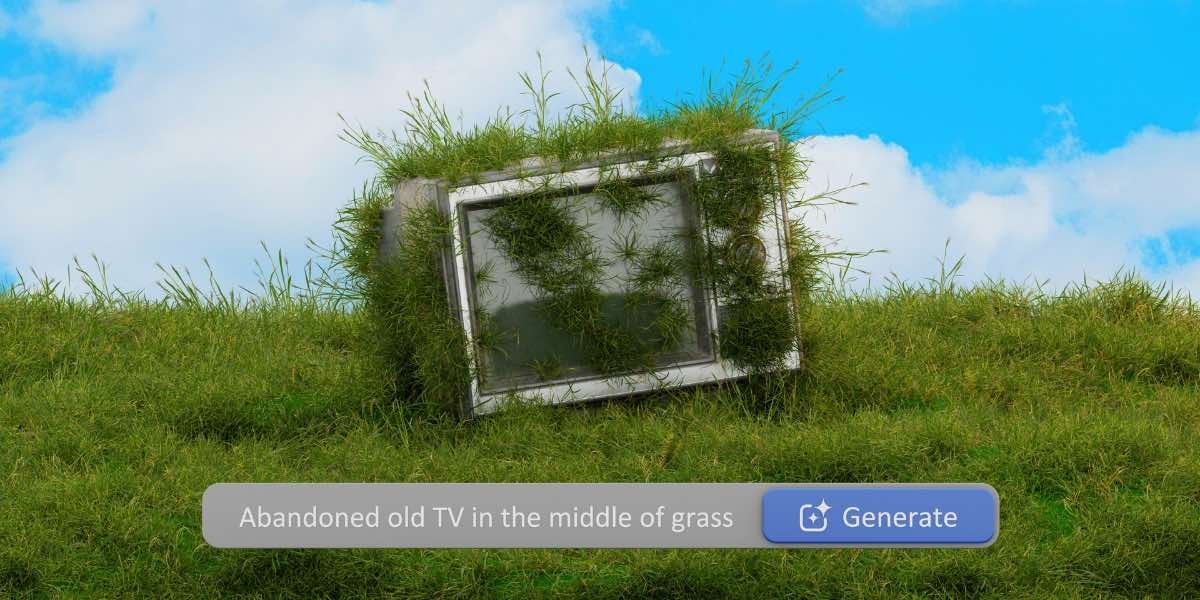
AI has introduced new possibilities for individuals without formal artistic training. With the ability to generate high-quality images, compositions, or even animations through simple text prompts, AI has made artistic expression more accessible. Those who may have struggled with traditional techniques now have tools that allow them to experiment with visual and musical creativity.

The Role of AI in Art: Innovation or Ethical Dilemma? - 1

Photo Credit: Unsplash.com

While AI can assist in producing aesthetically pleasing results, some discussions focus on whether it changes perceptions of artistic skill. Traditional art often requires years of practice, while AI-generated content can be created in moments. This shift raises conversations about whether AI enhances creativity or alters the value placed on artistic expertise.

Despite these discussions, AI is increasingly being integrated into creative fields, often as a supplement rather than a replacement. Some view AI-generated content as a distinct category of art, separate from traditional methods. Others believe AI serves as an evolving tool that can expand possibilities rather than diminish existing artistic practices.

How Might AI Shape the Future of Art?

As AI continues to develop, its role in artistic fields will likely evolve. Some see it as a means of pushing creative boundaries, allowing artists to explore new techniques and concepts. Others believe its influence requires careful consideration to ensure that human artistry remains valued.

Discussions about ethical guidelines, transparency in AI training methods, and fair recognition of creative contributions are ongoing. Striking a balance between embracing innovation and preserving artistic integrity remains an important aspect of this evolving landscape. AI may continue to challenge perceptions of creativity, but the human element in art, its emotion, intention, and meaning, remains at the core of artistic expression.