US Business News

How SAV Associates Was Built to Solve the Cybersecurity Gaps That Leave Mid-Sized Enterprises Exposed


By: Janessa Fernandez

Mid-sized enterprises, once seen as the unassuming backbone of the American economy, have found themselves squarely in the crosshairs of cybercriminals. As the digital threat landscape relentlessly shifts, these organizations grapple with mounting risks and unprecedented costs. Recent data shows that 66 percent of global companies encountered a ransomware incident in the previous year, and the average cost of a breach surpassed $4.45 million by 2023. For mid-sized firms, such attacks can be existential, eroding reputations and draining resources at a pace many cannot withstand. Yet, the majority operate with limited budgets, piecemeal protections, and without the sophisticated expertise available to larger corporations.

This dangerous gap in defenses formed the genesis of SAV Associates, a cybersecurity consulting firm now known for tackling the challenges unique to the nation’s middle-market companies. By marrying rigorous frameworks with real-world practicality, the firm boasts a philosophy that “cybersecurity isn’t solved by a single tool—it demands a disciplined, executive-led approach.” In an era defined by digital peril, its rise maps closely to the growing urgency of making security accessible and effective for those so often overlooked.

The Anatomy of a Vulnerable Sector

Massive breaches against retail giants and financial institutions dominate headlines, but data shows that small and mid-sized enterprises are increasingly targeted. Often, they serve as entry points for attacks on larger supply chains. Regulatory change has also intensified pressure. Since 2023, the United States has required more stringent cybersecurity reporting and safeguards. Even smaller players must prioritize digital risk as a business continuity imperative.

Historically, these firms operated with minimal security oversight, lacking chief information security officers or dedicated cyber teams. Their resources went primarily to growth, with little left for “what-ifs” around digital defense. As one industry observer put it, “the cavalry was never coming for the mid-market sector; it had to build its own defenses.” When ransomware attacks began crippling operations from manufacturing to healthcare, executives recognized that cyber incidents were not just technical failures but existential threats. These threats are capable of jeopardizing contracts, erasing customer trust, and incurring heavy compliance penalties.

Frameworks and the Pursuit of Resilience

SAV Associates did not launch with promises of a single solution or product. Instead, its founding mission centered on operationalizing the National Institute of Standards and Technology’s Cybersecurity Framework. This choice signaled a sophisticated, pragmatic approach. The framework breaks security into five core functions: Identify, Protect, Detect, Respond, and Recover. By aligning business risks with these steps and marrying them with custom controls, SAV brings order to chaos.

The firm’s embrace of risk-based thinking, especially the “80/20 rule,” prioritizes the 20 percent of measures that address most vulnerabilities. This has become a hallmark of its work. For clients, this means implementing multi-factor authentication, regular patching, and segmented networks before purchasing complex software solutions. “We focus on the controls that matter most, so every dollar spent genuinely reduces exposure,” explained managing partner Sanjay Chadha, whose vision for SAV Associates is rooted in practical return on investment.

Closing the Governance Gap

One persistent shortfall in mid-sized companies lies in executive oversight. Without clear accountability, security policies lapse, and annual assessments go unchecked. SAV Associates ventures where many IT consultancies do not. It takes on the role of virtual chief information security officer, guiding boards through governance revamps and ensuring quarterly risk reports remain central in strategy discussions.

Its work extends to regulatory mapping, a critical step as new privacy laws require “reasonable safeguards” for sensitive data and documentation of compliance. Rather than relying on generic checklists, SAV tailors protocols so that clients can prove to partners, auditors, and insurers that protections are both real and meaningful. The recent pivot in NIST’s guidance, which now treats cybersecurity as part of enterprise risk management, reflects the direction SAV Associates has championed since inception.

Empowering People and Processes

Technical controls are only as strong as those who deploy them. SAV invests heavily in industry-specific training, arming staff to recognize phishing and to enforce protocols consistently. In painstaking workshops, management teams rehearse incident responses to minimize downtime when breaches occur. “The weakest link is never the firewall; it’s a lack of readiness across the organization,” Chadha has observed.

This holistic approach has earned SAV a reputation for both technical acumen and business empathy. The company’s clients report faster contract wins, better compliance posture, and—most tellingly—fewer costly incidents. In a climate where the risk is never zero, SAV Associates’ model demonstrates that resilience is not about eliminating threats but about building systems capable of weathering them.

From Margins to Center Stage

The ascendancy of SAV Associates reflects a broader industry shift. Cybersecurity is no longer the exclusive terrain of Fortune 500 giants. Today, mid-sized enterprises must lead with governance and strategy as much as with technical controls. As more regulators, business partners, and insurers scrutinize digital hygiene, firms that can substantiate their defenses are set to define the future.

What began as a boutique consultancy has become a lifeline for countless organizations striving to thrive in hostile digital waters. SAV Associates is proving that with frameworks, executive leadership, and meticulous planning, the sector’s vulnerabilities can be transformed into strengths and establish a blueprint for others who seek to bridge the cybersecurity divide.

New Microsoft Initiative Targets Data Center Power and Water Use

Microsoft has announced a new sustainability initiative aimed at reducing the environmental impact of its data centers, with a focus on improving power and water usage. The move is part of the company’s broader commitment to environmental sustainability, which includes ambitious goals for its global data center infrastructure. As one of the world’s largest tech companies, Microsoft is targeting energy consumption and water usage, two areas where data centers have long faced scrutiny due to their high resource demands.

With data centers consuming large amounts of electricity to power servers and additional water for cooling, Microsoft’s new initiative seeks to address both concerns by introducing more efficient systems and technologies. The company has committed to adopting advanced cooling methods, including liquid cooling systems, to reduce water consumption while maintaining operational performance. The goal is to reduce the strain on local water supplies while also lowering the overall energy footprint of Microsoft’s data centers.

The initiative is also in line with Microsoft’s broader sustainability strategy, which includes a pledge to use 100% renewable energy across its data centers and global operations. Microsoft has long been a leader in the tech industry when it comes to sustainability, and the company’s latest effort is aimed at further reducing its environmental footprint as its infrastructure continues to expand.

Reducing Energy and Water Consumption

The new initiative focuses on two major environmental challenges faced by data centers: energy consumption and water use. Data centers rely heavily on electricity to power servers and cooling systems. Cooling systems, in particular, often require large quantities of water to maintain safe temperatures for servers. Microsoft’s new approach includes switching to more energy-efficient servers and adopting technologies like liquid cooling, which uses less water compared to traditional air conditioning methods.

Microsoft has also committed to increasing its use of renewable energy across its operations, reducing reliance on fossil fuels. The company plans to source more of its energy from wind, solar, and other renewable sources, which will be integrated into the operations of its data centers. By making these changes, Microsoft aims to decrease the environmental impact of its facilities while continuing to meet the growing demand for cloud computing services.

This initiative is expected to significantly reduce the environmental footprint of Microsoft’s data centers, aligning with broader efforts within the tech industry to reduce carbon emissions and water usage. As the demand for data storage and processing grows, Microsoft’s efforts represent an important step toward more sustainable operations in the cloud services sector.

Industry Implications and Future Outlook

Microsoft’s commitment to sustainable data center operations is likely to have far-reaching effects on the tech industry. As one of the largest cloud providers in the world, Microsoft’s sustainability efforts could serve as a model for other companies in the sector. With data centers making up a significant portion of the tech industry’s overall energy consumption, the shift toward more sustainable practices is expected to prompt other companies, including Amazon, Google, and Apple, to implement similar strategies.

The tech industry as a whole is under increasing pressure to reduce its environmental impact, particularly as concerns over climate change and resource depletion continue to grow. Microsoft’s focus on energy efficiency and water conservation in its data centers highlights the importance of addressing these issues in order to ensure the long-term sustainability of the cloud computing market. By leading the charge in sustainable data center practices, Microsoft is setting a benchmark for other companies to follow in the coming years.

As the demand for cloud services and data storage continues to rise, data centers will remain a critical component of the tech infrastructure. Microsoft’s initiative is an important step in making these facilities more sustainable, ensuring that the industry can continue to grow while minimizing its environmental impact.

Collaboration with Local Communities

In addition to its technological innovations, Microsoft’s sustainability initiative includes efforts to collaborate with local governments and communities. Many of the company’s data centers are located in regions where water resources are already under stress. Microsoft has committed to working with local authorities to ensure that its operations do not exacerbate these challenges, and the company is implementing water recycling programs to reduce overall consumption.

Microsoft also plans to invest in water management initiatives in the areas where its data centers are located. The company has stated that it will prioritize collaboration with local communities to develop sustainable water infrastructure and help address regional water scarcity issues. By working with local stakeholders, Microsoft aims to ensure that its data centers are part of a broader effort to promote sustainability and environmental responsibility.

This collaboration is part of Microsoft’s broader vision of corporate responsibility, which includes supporting local communities and contributing to the sustainable development of infrastructure. The company’s approach is focused not just on reducing its own environmental impact but also on improving the local ecosystems where its operations are based.

The Path Forward for Sustainable Data Centers

Microsoft’s new sustainability initiative sets an important precedent for the tech industry’s future. While the company’s goals are ambitious, they reflect the growing recognition of the need for data centers to operate in a more environmentally responsible way. As the global demand for cloud computing continues to rise, sustainable data centers will become an increasingly vital part of the tech landscape.

The success of Microsoft’s initiative could pave the way for the development of new technologies and processes that will further reduce the environmental impact of data centers. With the company’s commitment to renewable energy and water conservation, it is setting an example that may inspire other tech giants to follow suit. As more companies adopt these practices, the overall environmental footprint of the tech industry will likely decrease, contributing to the ongoing global effort to combat climate change.

Microsoft’s sustainability efforts demonstrate how large corporations can lead by example in addressing environmental issues. As data center sustainability becomes a more pressing concern, Microsoft’s approach could serve as a model for other industries to reduce their environmental impact while continuing to meet growing demand for services.

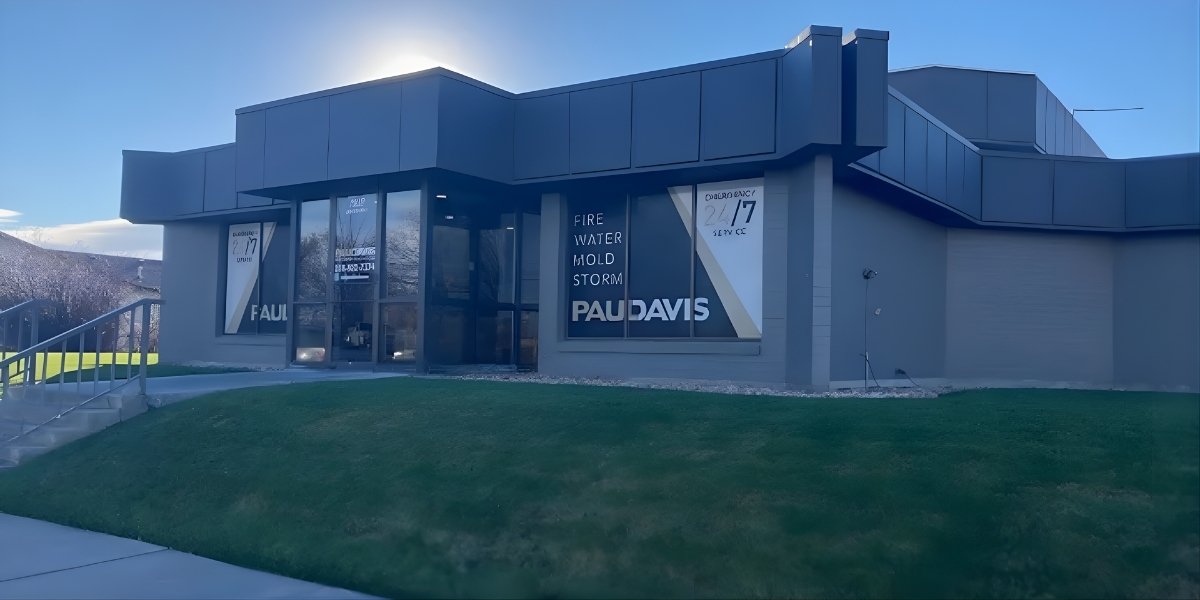
Paul Davis Restoration of Idaho: Restoring Homes and Businesses After Disaster Strikes

A Local Partner When Disaster Strikes

No one plans for a burst pipe, a septic backup, a roof leak after a storm, or a mold problem hiding behind the walls. For homeowners and business owners in Idaho, those moments are filled with stress, disruption, and uncertainty. That is when Paul Davis Restoration of Idaho steps in as a calm, reliable partner, focused on restoring both property and peace of mind.

With more than 30 years of experience serving communities across the state, the team at Paul Davis Restoration of Idaho has built its reputation on more than industry-leading equipment and techniques. The company is known for the way its people show up in a crisis, communicate throughout the process, and stand with customers until life feels normal again.

Whether the loss is a small residential incident or a large commercial catastrophe, their specialists respond around the clock, typically arriving within 60 to 90 minutes of the emergency call. From the very first visit, the focus is on reassurance, clear guidance, and a plan that makes a frightening situation feel manageable.

One Team Serving Every Corner of Idaho

Unlike many restoration providers that operate with separate franchise owners and different standards in each zip code, Paul Davis Restoration of Idaho operates as one unified team. From the Treasure Valley to East Idaho, customers receive the same values, processes, and communication style no matter where they live or work.

This consistent, statewide approach means property owners do not have to gamble on whether they will get an experienced crew. Every branch is backed by the same leadership, training, and systems, so a family in Idaho Falls and a business in Boise can expect the same high level of care and accountability.

It also means that when larger regional events occur, such as widespread flooding or storm damage, resources can be shared quickly and efficiently. The company’s depth of experience with both residential and commercial losses allows it to scale up as needed while still treating every project with personal attention.

Communication That Brings Clarity and Calm

What truly sets Paul Davis Restoration of Idaho apart is its commitment to communication. The team understands that for most people, a water, fire, or mold loss is not just a technical problem. It is an emotional one, filled with questions and worries.

From day one, every customer is “onboarded” with a clear packet that outlines what to expect, how the process works, and what steps to follow. Rather than glossing over hard conversations, the team prioritizes honest, transparent updates about timelines, challenges, and next steps. Customers are encouraged to hold the company accountable for the promises made at the start.

Because Paul Davis Restoration of Idaho has long-standing relationships with major insurance carriers across the state, the claims process is designed to be smoother and less confusing. All communication and estimates are handled in-house, which keeps homeowners and adjusters aligned and reduces delays. The goal is to remove as much of the administrative burden as possible, so customers can focus on their families, their employees, and their lives.

Real Stories of Homes Brought Back to Life

The impact of this approach is clear in the words of customers who have walked through some of the most stressful days of their lives. Matthew Williams, a homeowner in the Idaho Falls area, recalls how overwhelming it felt when his family’s septic tank backed up into the basement.

After a single call to Paul Davis Restoration of Idaho Falls, a crew arrived quickly, removed contaminated items, and began the cleanup. “Nathan did an excellent job managing the cleanup and even secured a storage unit for my family’s possessions,” Matthew shared. He explained that Nathan stayed in constant contact, coordinating with the insurance company, scheduling repairs, painting, installing new flooring, and finally moving everything back in. According to Matthew, “Nathan and the Paul Davis team did an amazing job and restored my basement to better shape than it was before.”

Another homeowner described returning from a trip to discover extensive water damage throughout a recently purchased home. Paul Davis Restoration was inside the property within hours, addressing the immediate emergency and then guiding the owners through the lengthy restoration and insurance process. From start to finish, project manager Nathan Prince and his team were thorough, organized, and consistently available by phone and text. Their expert opinions helped the owners make informed choices at every step, leaving them confident enough to recommend the company “for your restoration needs” to anyone facing a similar crisis.

Across Idaho, customers echo similar themes. They talk about technicians who arrive quickly, who are “super nice and really easy to work with,” who keep them calm when the situation feels overwhelming, and who leave homes “in better shape” than before the loss. These are not just construction projects. They are personal stories of families and businesses getting their spaces and their sense of normalcy back.

Certified, Full Service Restoration Under One Roof

Paul Davis Restoration of Idaho positions itself intentionally as a one-stop shop. The company does far more than dry out a room or tear out damaged materials. Its teams handle mitigation, contents, and repairs from start to finish. That includes water extraction, structural drying, mold remediation, smoke and odor removal, cleaning and storing belongings, and complete reconstruction work.

The organization is IICRC certified, which reflects adherence to industry standards and best practices for cleaning and restoration. Yet the leadership believes that technical training is only part of the equation. Hiring focuses first on character, empathy, and the ability to communicate clearly with customers who are having very difficult days. As the team likes to put it, they take care of the customer first, then take care of the property.

Free inspections are available, and in many cases estimates are provided at no charge when there is a good opportunity to move forward together. For situations where someone is primarily seeking the cheapest option, the company may charge an estimated fee, which helps protect time and resources for customers who value quality, service, and trust.

How To Reach Paul Davis Restoration of Idaho

Whether the problem is a flooded basement, a kitchen fire, a hidden mold issue, or a large commercial loss, homeowners and business owners across the state have a single, reliable resource in Paul Davis Restoration of Idaho. The team is on call 24 hours a day, seven days a week, with rapid response times and a commitment to guiding customers through every step of the journey from loss to full restoration.

Property owners can learn more about services, request a free inspection, or start the restoration process by visiting the Paul Davis Restoration of Idaho website at https://idaho.pauldavis.com/. For a closer look at projects, team members, and community involvement, they can follow along on Instagram at https://www.instagram.com/pdridahofalls/ and connect with the company on Facebook at https://www.facebook.com/callpauldavis.

In every corner of Idaho, from the first phone call to the final walkthrough, Paul Davis Restoration of Idaho strives to combine technical expertise with genuine care, restoring what matters most when customers need it most.

Why Precision Firms Are Replacing Volume Consultancies

For much of the last decade, professional services were defined by scale. Larger pipelines, faster delivery cycles, templated processes, and broad accessibility became the dominant markers of success. Firms were rewarded for how many engagements they could process, how quickly they could move, and how easily their services could be replicated across clients. Volume was equated with sophistication.

That model is now quietly breaking down.

As oversight standards evolve and approval pathways become less forgiving, organizations are discovering that volume-driven consulting often exposes them rather than protecting them. The margin for error has narrowed. The cost of correction has risen. And the systems that once rewarded speed increasingly penalize imprecision.

What is emerging in response is a different class of firm. Smaller by design. Narrower in scope. Built around interpretation, alignment, and risk containment rather than throughput. These firms are not optimized for mass adoption. They are optimized for accuracy in environments where errors carry real consequences.

This shift is not ideological. It is structural.

Government eligibility, compliance, and approval processes no longer operate as linear checklists. They function as interconnected systems in which ownership structure, documentation history, operational reality, and regulatory interpretation are evaluated together. Each element informs the others. When one component is misaligned, the entire application can stall, fail, or trigger downstream consequences that extend far beyond a single denial.

In this environment, volume has become a liability.

Firms built to process high quantities of engagements are incentivized to standardize. They rely on templates, assumptions, and generalized workflows that cannot fully account for nuance. While this approach may increase speed, it also introduces blind spots, particularly in regulated, high-scrutiny environments where agencies evaluate substance over presentation. What appears efficient on the consultant side can become fragile under review.

Precision firms operate differently.

Rather than expanding outward, they scale inward. Intake is controlled. Scope is deliberately limited. Each engagement is treated as a unique risk profile rather than a repeatable transaction. Documentation is reviewed the way regulators review it, not the way consultants prefer to explain it. Timelines are measured in months, not promises, because accuracy requires patience and verification.

This model requires restraint. It demands deeper analysis, closer scrutiny, and a willingness to say no when alignment is not present. But it also produces outcomes that withstand review, rather than simply reaching submission.

Importantly, this approach reflects a broader recalibration across professional services. As institutions face heightened oversight and increasingly rigorous accountability expectations, they are prioritizing partners who reduce exposure rather than amplify activity. Accuracy matters more than visibility. Restraint matters more than reach. The value proposition has shifted from how much work can be done to how well risk can be contained.

One example of this shift can be seen in firms like The Sellars Company, which have structured their practices around selective intake, diagnostic-led engagement, and full execution oversight rather than advisory volume. The Sellars Company is a government-compliance and approval execution firm supporting organizations operating in regulated, high-scrutiny environments. Their growth has not come from expansion, but from narrowing. Not from accessibility, but from control. By focusing on alignment before execution, such firms position approval as an outcome of discipline rather than as a function of effort.

This evolution is not driven by branding or trend adoption. It is driven by consequence.

As approval environments continue to harden, organizations will increasingly seek firms that understand not just how to submit, but how to withstand scrutiny over time. Compliance is no longer a one-time event. It is an ongoing system that must align with operational reality, governance, and documentation history. Firms that treat it as a transaction will struggle to keep pace.

The future of consulting in regulated spaces will belong to those who treat compliance as a system, not a service. The firms that survive this shift will not be the loudest. They will be the most precise.

Best Buy Winter Sale Brings Savings on Tech and Appliances

The highly anticipated Best Buy Winter Sale is now underway, offering shoppers significant discounts on a wide range of electronics and home appliances. Running through mid-January, the sale promises markdowns of up to 55% on products ranging from laptops and tablets to vacuums and kitchen appliances. For many consumers, this sale provides an opportunity to refresh gadgets and home essentials after the busy holiday season.

The event features deals on some of the most popular brands in tech, such as Apple, Dyson, Samsung, and Sony. Whether you’re looking for a new laptop, television, or household appliance, the sale has something for everyone. Shoppers can browse online or in stores, with deals covering everything from high-end electronics to everyday necessities.

As inflation continues to influence spending habits, the timing of this sale is especially valuable. With budgets stretched, the chance to snag deals on sought-after tech and appliances resonates with many shoppers. Best Buy’s Winter Sale is a reminder of the retailer’s status as a go-to destination for both big-ticket electronics and practical home goods.

Tech Deals Take Center Stage

Apple products, including the MacBook Air and iPad Pro, are among the most sought-after items in the Best Buy Winter Sale. With discounts on premium devices like AirPods and Beats headphones, shoppers can save on top-tier audio gear and sleek tech products. For those accustomed to paying full price for Apple devices, these markdowns offer a rare opportunity for savings.

Televisions from leading brands such as Samsung, LG, and Sony are also heavily discounted. Large-screen smart TVs, often considered major purchases, are available at up to 50% off, making them more accessible to a broader range of buyers. This is a significant draw for families looking to upgrade their home entertainment setups without overspending.

The sale also includes a variety of laptops and tablets, catering to students, professionals, and casual users. Microsoft Surface devices and Samsung Galaxy Tabs are among the offerings, ensuring that Best Buy’s Winter Sale appeals to a diverse customer base. Whether for work, school, or leisure, these deals provide a wide selection of tech to meet various needs.

Appliances and Everyday Essentials at Discounted Prices

While tech takes center stage, Best Buy’s Winter Sale also offers enticing discounts on home appliances. Dyson vacuums, known for their power and design, are marked down by up to 40%, making them an attractive option for households focused on cleanliness. These deals provide an opportunity to upgrade home essentials at a fraction of the cost.

The sale also features discounts on kitchen appliances, including coffee makers, blenders, and air fryers. These items, while not as glamorous as high-end tech, offer practical value to everyday consumers. Many shoppers consider these types of appliances essential for daily routines, making them a key component of the Winter Sale’s broad appeal.

By offering a mix of high-tech gadgets and household necessities, Best Buy ensures that the Winter Sale resonates with a wide variety of shoppers. This approach reflects a savvy understanding of consumer priorities in the new year, as many seek both convenience and value in their purchases.

Consumer Engagement and Buzz on Social Media

Seasonal sales have become major events in the retail calendar, and Best Buy’s Winter Sale is no exception. The event has sparked widespread conversations about value, timing, and lifestyle upgrades, particularly as shoppers look for ways to start the year with refreshed gadgets and home products. Social media has played a significant role in amplifying the buzz, with posts about discounted Apple devices, Dyson vacuums, and smart TVs quickly gaining traction.

Shoppers often share their finds and recommendations online, contributing to the event’s visibility and excitement. Hashtags like #BestBuyWinterSale and #TechDeals trend as customers showcase their purchases and compare deals. This social media engagement not only helps spread the word about the sale but also fosters a sense of community among bargain hunters.

For many, the Winter Sale is about more than just saving money—it’s also an opportunity to upgrade their home technology and align with seasonal expectations of renewal. Whether it’s upgrading a kitchen appliance or splurging on a new TV, the sale has become a key touchpoint for consumers eager to refresh their homes for the new year.

Shopper Strategies and Sale Flexibility

Shoppers approach the Best Buy Winter Sale with strategies based on past experiences. Many focus on high-ticket items like televisions, laptops, and major appliances, knowing these purchases offer the largest savings. Others focus on everyday essentials, seeking practical upgrades at reduced prices.

Best Buy’s same-day pickup and free shipping options add a layer of convenience to the shopping experience. These flexible options allow shoppers to secure deals online and quickly collect or receive their purchases, minimizing wait times and enhancing the appeal of the event in a fast-paced retail environment.

Price comparisons also remain a common tactic. While Best Buy’s Winter Sale offers substantial discounts, savvy shoppers often check competing retailers for matching deals or additional promotions. This reflects a broader trend in consumer behavior, where customers actively seek the best value before making a purchase.

What’s Next for Best Buy and Winter Shopping Trends

As the Winter Sale continues, industry analysts note its role in maintaining consumer engagement post-holiday season. Promotions like this help retailers maintain momentum during the quieter months of the year, keeping interest alive until spring sales events. Best Buy’s ability to offer both premium products and affordable items positions it as a leader in the electronics and appliance markets.

For shoppers, the Winter Sale represents a chance to balance aspiration with affordability. The ability to purchase high-quality products at reduced prices aligns with evolving consumer expectations, especially in a time of economic uncertainty. Best Buy’s Winter Sale serves as a reminder of how retailers can successfully cater to diverse consumer needs by offering both high-end items and practical essentials at competitive prices.

The Winter Sale also highlights the intersection of commerce and consumer habits. It’s not just about discounts, but about how customers navigate the complexities of value, timing, and lifestyle. As Best Buy continues to refine its seasonal promotions, the Winter Sale remains a key fixture in the retail calendar.

Disclaimer:
The information provided in this article reflects details available at the time of publication. Best Buy’s Winter Sale and the specifics of the discounts, including product availability and prices, are subject to change without notice. For the most up-to-date information, please refer to Best Buy’s official website or visit a store directly. Discounts and product selection may vary based on location and availability.

Building the Bridge: How YL Medical Created an Ecosystem Where Others Saw Only Chaos

The American healthcare industry generates $4.3 trillion annually, yet within this economic behemoth lies a paradox that has confounded entrepreneurs for decades. The system is massive, but fragmented. Profitable, but inefficient. Essential, but profoundly confusing to the very consumers it serves. Where most saw an unsolvable complexity, YL Medical identified an ecosystem waiting to be built. Their platform does not compete within healthcare’s existing structures. It constructs the connective tissue that those structures have always lacked.

The business insight was elegant in its simplicity. Healthcare education exists in silos. Insurance guidance exists in silos. Access to licensed advisors exists in silos. Patients bounce between these disconnected resources, gathering fragments of understanding that never coalesce into confident decision-making. YL Medical’s innovation was integration. By combining educational content, plan-comparison tools, benefits explanations, and direct connections to professionals, they created a single destination for healthcare navigation. This is not a marketplace. This is not a content library. This is an ecosystem, and ecosystems generate value that individual components cannot.

The platform’s architecture reflects a sophisticated understanding of user behavior. Individuals rarely arrive at healthcare questions through linear paths. Someone researching Medicare options may need to understand supplemental coverage, then require clarification on eligibility, and then want to speak with an advisor about their specific circumstances. Traditional resources force users to exit and re-enter different platforms at each stage. YL Medical maintains continuity. Their resource library informs the comparison tools. The comparison tools raise questions answered by deeper resources. The deeper resources create clarity that users can then verify with licensed professionals. Each element feeds the next, creating a journey rather than a series of disconnected stops.

The revenue model demonstrates equal sophistication. By positioning itself at the intersection of consumer need and professional service, YL Medical captures value on multiple fronts. Users access educational resources freely, building trust and establishing the platform as a credible authority. When those users require professional guidance for plan selection, eligibility verification, or coverage optimization, YL Medical connects them with vetted advisors who benefit from qualified, educated leads. This is not lead generation in the traditional sense. These are informed consumers who understand their needs and arrive at professional conversations ready to make decisions. The quality of the connection benefits all parties.

What distinguishes YL Medical from competitors who have attempted similar models is their commitment to comprehensiveness. Half-measures have defined healthcare technology for years. Platforms that offer comparison tools but no education. Resources that provide information but no human support. Advisor networks that deliver leads but no context. These partial solutions create partial value. YL Medical’s insistence on building the complete ecosystem required patience and investment that short-term thinking would not permit. The result is a platform without obvious gaps, a resource that users do not need to supplement with outside research.

The market timing could not be more favorable. Healthcare costs continue rising, placing greater pressure on individuals to optimize their coverage decisions. The aging population creates expanding demand for Medicare guidance and retirement health planning. The gig economy has shifted millions of workers from employer-sponsored coverage to individual market navigation. Each of these trends increases the need for exactly what YL Medical provides: education, guidance, and access delivered through a single integrated platform.

Industry observers have begun recognizing the model’s potential. The healthcare navigation space has attracted significant venture attention, but most investments have targeted narrow solutions addressing specific pain points. YL Medical’s ecosystem approach represents a different thesis entirely. Rather than solving one problem exceptionally well, they are solving the meta-problem of disconnection that makes every individual problem harder. This is infrastructure, and infrastructure scales.

The team’s background suggests they understand the magnitude of what they’re building. Healthcare confusion is not a bug in the American system. It is a feature that has persisted because it serves institutional interests. Disrupting that confusion requires more than clever technology or aggressive marketing. It requires the patient construction of an alternative, a parallel path that individuals can walk when the main road becomes impassable. YL Medical is laying that path, one resource and one connection at a time. The ecosystem is growing, and so is the opportunity.


Disclaimer: The information provided in this article is for general informational purposes only and should not be considered as insurance or financial advice. Readers are encouraged to consult with licensed insurance professionals or financial advisors to assess their specific needs and make informed decisions regarding insurance and healthcare coverage.