US Business News

The Impact of Comfortable Seating on Productivity: Insights from Office Logix Shop

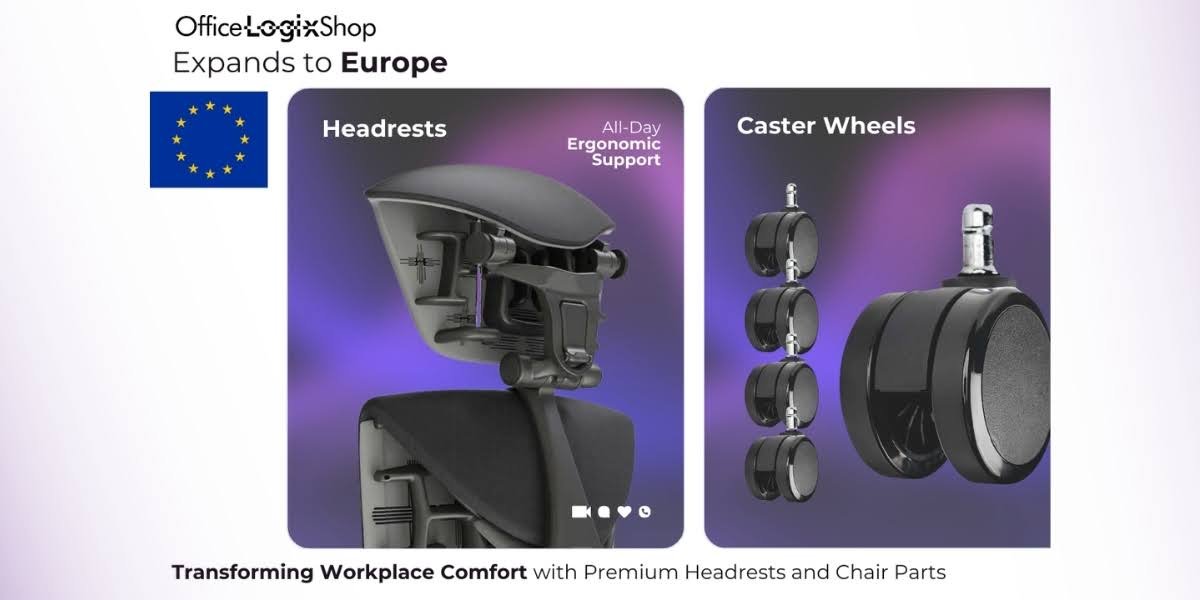
By: Clara Li

Many workers know that a bad chair can make the workday seem twice as long. Far too many people attempt to stay productive while battling discomfort, constantly shifting to relieve pressure or stiffness. This small, everyday frustration has massive consequences not just for workers, but for entire companies. The true impact of seating is often overlooked, but science and firsthand experience now prove that the right chair does more than keep people comfortable. It unlocks new levels of focus, energy, and work output. With its dedication to ergonomic seating, Office Logix Shop shows why seating should be front and center in any discussion about productivity.

How Ergonomics Became a Business Essential

For years, companies filled offices with whatever chairs fit the budget, ignoring the toll on employee health and efficiency. Reports of aches, fatigue, and distraction grew, and a new understanding started to take hold. Researchers revealed that chairs with adjustable features and true lumbar support do much more than reduce pain. They help people work smarter and longer. Workers who swapped rigid seats for ergonomic chairs managed to boost productivity by about seven percent on the assembly line, while office-based teams saw similar results in day-to-day performance. These findings turned comfort from a luxury into a crucial part of any serious workplace.

Doctors and workplace experts now agree that simple improvements in seating design can bring dramatic relief. Fewer employees complain about sore backs or tight shoulders when their chairs adjust to them, not the other way around. People can focus on tasks instead of shifting in their seats or nursing aches. “Employees who are satisfied with their workstations see themselves as assets of the company who are valued. They express their appreciation by doing better in their jobs,” said Obada Mzaik, chief executive officer of Office Logix Shop. This sense of value and comfort changes how people approach their work, fueling better attitudes and fewer mistakes.

The Data Linking Comfort, Engagement, and Results

Data from offices around the world highlights a clear pattern: when employees sit comfortably, everything about the workday seems to improve. Companies that invest in ergonomic seating report drops in workplace injury and absenteeism, while productivity climbs. Studies show that employees in ergonomic chairs get up to fifteen percent more done compared to those stuck in basic seating. These gains do not come from pushing people harder but from removing the physical barriers that drain their energy and attention.

Office Logix Shop has seen these effects in action. It offers seating options with advanced ergonomics, helps clients find the best fit for each workspace, and shares practical advice on using these features every single day. Workers learn to fine-tune their seat settings for better posture and long-term comfort, often noticing subtle but powerful shifts in how they feel by lunchtime. Research shows that environments offering quality chairs and good training on their use have reported productivity increases as high as twenty percent compared to offices with old or ill-fitting furniture. Over time, these improvements can mean thousands of extra hours of focus across an organization, all due to a more comfortable chair.

Transforming Everyday Experience and Workplace Culture

Comfortable furniture does more than prevent aches and pains for workers. In offices, call centers, and home workspaces alike, the right chair can help people concentrate during meetings, power through afternoon tasks, and avoid the slump that often hits late in the day. Office seating crafted for movement and support turns discomfort into momentum. Even small adjustments, such as raising an armrest or tilting the seat, break up monotony and keep workers sharp. Office Logix Shop research points to the value of regular, conscious posture changes throughout the day, confirming that these tweaks make lasting differences by staving off fatigue and boosting focus.

This benefit echoes throughout the entire office, not just for those with desk jobs. “Comfortable seating over long periods enables concentration and reduces distractions,” Obada Mzaik emphasized. When employees can give their best without distraction, team spirit and problem-solving reach new heights.

The Future of High-Performance Workspaces

Now that the evidence is impossible to ignore, workers and companies share a growing sense that the right chair is essential, not just nice to have. Each hour spent supported and alert is another hour where workers and businesses thrive. Office Logix Shop stands at the forefront, sharing solutions that change daily routines and long-term productivity alike. Experts insist that there’s no substitute for comfort; it is the starting point for everything accomplished during a workday. A well-chosen office chair is a quiet catalyst, shaping performance, morale, and even the stories colleagues share at the end of each week.
OpenAI Confirms ChatGPT Ads Coming Soon to Free and Go Versions

OpenAI has confirmed that advertisements will soon appear in ChatGPT’s free and Go tiers. This decision ends the chatbot’s ad-free experience for millions of users worldwide. The company explained that the introduction of ads is a strategic move aimed at balancing accessibility with the increasing costs of maintaining and expanding its infrastructure.

The decision comes as ChatGPT has grown significantly, with millions of active users worldwide. Free access has been key to the platform’s popularity, but supporting this scale requires significant financial resources. By introducing ads in free versions, OpenAI hopes to sustain its service without restricting access or imposing more severe limitations on users.

Impact of Ads on Free and Go Tier Users

OpenAI has clarified that ads will be confined to the free and Go tiers, while subscribers to ChatGPT Plus, the premium service, will continue to enjoy an ad-free experience. The company emphasized that the ads will be seamlessly integrated, ensuring that they do not disrupt user interactions with the platform.

The Go tier, which costs $8 per month, was introduced in 2023 to provide additional features like messaging, image generation, and file uploads. With the integration of ads, OpenAI aims to offset the growing infrastructure costs associated with supporting these enhanced features while keeping the service affordable for users who are not subscribed to the premium tier.

ChatGPT’s Growth and Rising Infrastructure Costs

ChatGPT has experienced explosive growth since its launch, becoming one of the most widely used AI tools globally. Recent reports indicate that ChatGPT now has over 800 million weekly active users, making it a key player in the AI landscape. However, the rapid expansion has come with significant infrastructure costs, which are expected to exceed $1 trillion in commitments over the next few years to maintain servers, data centers, and continuous development.

To meet these financial demands, OpenAI has turned to ads as a solution to support its continued operations. By introducing ads in free and Go-tier versions, the company seeks to keep the service available to millions of users without imposing additional charges on those who do not subscribe to premium plans.

AI Platforms Embrace Ad-Supported Models

OpenAI’s decision to introduce ads in ChatGPT follows a growing trend within the tech industry. As AI platforms gain popularity and require more resources to sustain, many companies are moving toward ad-supported models. These models allow companies to continue providing free access to their services while covering the costs of infrastructure and development.

This shift toward advertising reflects broader trends in the digital services sector, where platforms like Google, Facebook, and others have long relied on ads to maintain free access. OpenAI’s decision to adopt a similar approach with ChatGPT positions the company alongside other tech giants that must balance user accessibility with business sustainability. Competitors such as Anthropic and Google may opt to keep their services ad-free, but the mounting infrastructure demands may eventually lead them to adopt similar revenue models.

User Reactions and Potential Impact on Experience

User reactions to the news of ads in ChatGPT’s free and Go versions have been mixed. Some users have expressed support for ads as a reasonable trade-off to keep the service free, recognizing that the costs associated with running such a large-scale platform need to be offset somehow. However, others have voiced concerns that ads could interfere with the clean, uninterrupted experience that made ChatGPT popular in the first place.

For those who have relied on ChatGPT for work, study, and entertainment, the shift to an ad-supported model represents a significant change. While ads are expected to be integrated carefully, the experience could still feel different for users accustomed to an entirely ad-free platform. The long-term success of this approach will depend on how well OpenAI can manage user expectations while maintaining the functionality and ease-of-use that made ChatGPT so widely adopted in the first place.

OpenAI’s Approach to Monetization and Sustainability

OpenAI’s approach to monetizing ChatGPT through ads highlights the broader challenges facing AI companies in terms of sustainability. As the demand for AI services continues to increase, it has become clear that new revenue streams are necessary to support the platform’s growth. Ads in free and Go tiers present an efficient way to balance these financial needs without further restricting access.

The company has also emphasized its commitment to transparency throughout this process. OpenAI plans to share more information with users about how ads will be selected and displayed. This level of openness will be key to maintaining trust as the platform evolves.

As OpenAI moves forward with its plan to implement ads, it will likely continue to monitor the feedback from users closely. This will allow the company to adjust the ad model as needed, ensuring that it maintains user satisfaction while meeting its business objectives. The success of ChatGPT’s ad rollout could pave the way for similar monetization strategies across other AI platforms in the future.