US Business News

Speed Wins: Why Home Service Customers Decide in Hours, Not Days


In most industries, sales cycles stretch. Prospects compare options, schedule demos, loop in stakeholders, and take days — or weeks — to decide. Home services don’t work that way.

When someone’s air conditioner stops on a 95-degree day or a pipe starts leaking under the sink, the decision window collapses. Customers don’t browse. They react. And more often than not, they choose the first credible provider who responds.

That reality is reshaping how growth actually happens in home services — and exposing a costly blind spot for many operators.

The Economics of Urgency

Home service demand is driven by discomfort, disruption, or risk. Those emotions create urgency, which compresses decision-making time.

Data from call tracking platforms, booking systems, and CRM tools consistently shows the same pattern: the majority of booked jobs come from leads contacted within minutes, not days. Once response time stretches past an hour, close rates drop sharply. After a few hours, they fell off a cliff.

This isn’t about price sensitivity or brand loyalty. It’s behavioral. When something breaks, customers want resolution, not research. If they don’t hear back quickly, they move on — often permanently.

From a revenue standpoint, the largest losses typically don’t come from weak ads or poor targeting. They come from delays after the lead already raised their hand.

Speed Wins: Why Home Service Customers Decide in Hours, Not Days

Photo Courtesy: Jeanna Sergeeva

Missed Calls are Silent Revenue Killers

One of the most common — and expensive — issues in home services is missed calls.

During peak hours, after hours, weekends, or surge events, phones ring when teams are busy in the field. Many of those calls go to voicemail. Some are returned hours later. Many are never returned at all.

What’s rarely accounted for is intent. A homeowner calling at 7:30 p.m. isn’t casually price shopping. They’re likely dealing with an active problem. By the time a callback happens the next morning, the job is often gone.

From a financial perspective, a missed call isn’t a missed conversation. It’s a missed decision moment.

Digital Leads Age Just as Fast

Online leads don’t buy more time. They shorten it.

Form fills, chat inquiries, and click-to-call requests are often submitted to multiple providers within minutes. The customer’s mindset is simple: “Who gets back to me first?”

Internal industry data show that responses within the first 15 minutes can double — or even triple — conversion rates compared with responses hours later. Once that window closes, the lead is usually already booked elsewhere.

The uncomfortable truth for many businesses is that they’re paying full price for leads they never truly compete for.

Why Speed is Still Underestimated

Despite clear patterns, response time is often treated as an operational detail rather than a growth lever. Marketing budgets are scrutinized line by line, while intake speed is assumed to be “good enough.”

The result is a disconnect: companies invest heavily to create demand, then lose it in the handoff.

As agencies working directly with home service operators have observed, the biggest revenue losses don’t happen at the ad level — they happen in the first 15–30 minutes after a lead arrives. Teams at performance-focused firms like 4Pmix point to response speed as the single most underestimated growth lever.

Not because it’s flashy, but because it’s measurable, fixable, and immediately impactful.

Automation isn’t About Replacing People — It’s About Buying Time

Automation often gets framed as a cost-cutting tool. In-home services, its real value is speed.

After-hours autoresponders, instant SMS confirmations, call routing, booking links, and AI-assisted triage don’t replace human interaction. They preserve momentum until a human can take over.

A quick text that says “We got your request and are assigning a technician now” can keep a lead warm long enough to prevent them from moving on. A missed call that triggers an immediate callback or message can salvage intent that would otherwise be lost.

The goal isn’t to automate the entire customer experience. It’s meant to eliminate dead air during decision-making.

Speed Compounds Across the Funnel

Fast response doesn’t just improve close rates. It improves everything downstream.

  • Higher booking rates, lower cost per acquisition
  • Shorter sales cycles reduce admin overhead
  • Better first impressions increase trust and upsell potential
  • Faster scheduling improves technician utilization

When response time improves, efficiency improves across the operation. That’s why it consistently outperforms tweaks to ad copy or landing pages in terms of revenue impact.

The Real Competitive Advantage

Most home service companies operate in crowded markets with similar pricing, similar reviews, and similar offers. In that environment, speed becomes differentiated.

Customers may not remember which company had the best headline or the slickest website — but they remember who answered when they needed help.

In an industry driven by urgency, responsiveness isn’t customer service. It’s a strategy.

Final Thought

Home service customers don’t decide slowly. They decide when the pressure is highest, and the clock is ticking.

Companies that understand this stop treating speed as an afterthought and start treating it as infrastructure. They build systems that respond when humans can’t, follow up before interest fades, and meet customers where urgency lives — in the moment.

In the race for growth, attention gets the lead. Speed wins the job.
Kraft Mac & Cheese and Heinz Ketchup Remain Linked After Split Halt

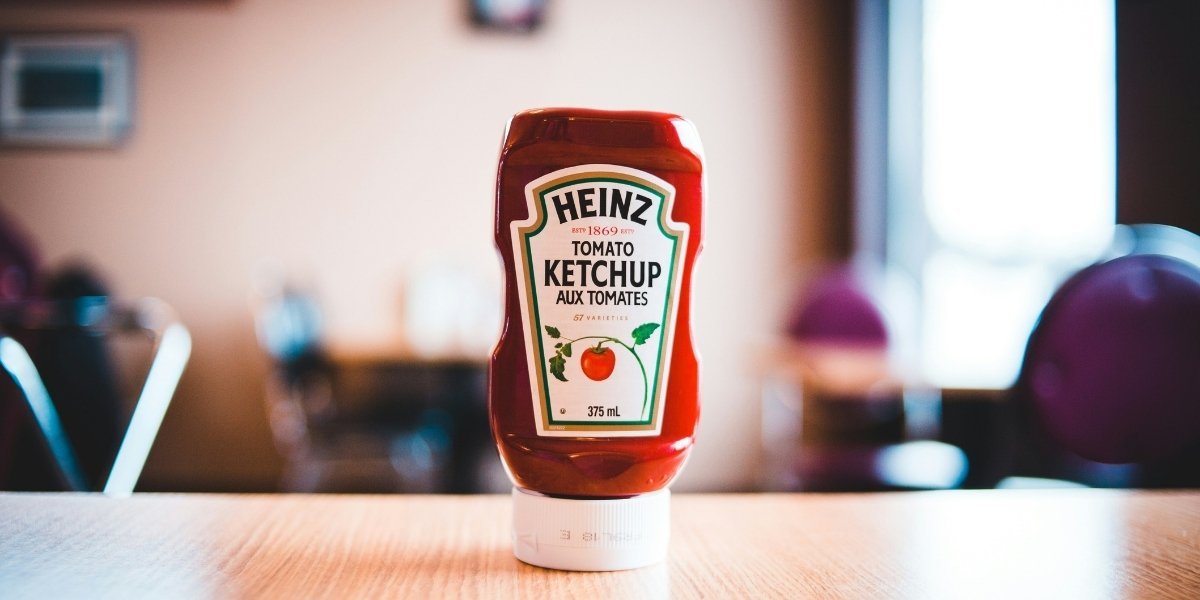
Kraft Heinz has decided to halt its planned corporate split, keeping iconic brands like Heinz Ketchup and Kraft Mac & Cheese together. The decision to pause the separation plan follows a significant leadership change and a shift in the company’s long-term strategy. This reversal highlights the importance of leveraging established brands in the competitive food industry.

A Shift in Direction: The Planned Split Put on Hold

In September 2025, Kraft Heinz announced plans to separate its business into two independent entities. One would focus on condiments and sauces, including Heinz Ketchup, while the other would be dedicated to grocery staples such as Kraft Mac & Cheese, Kraft Singles, and Lunchables. The idea behind the split was to sharpen the focus of each business and enhance growth potential.

However, by February 2026, the company reversed its decision. After Steve Cahillane took over as CEO in January, Kraft Heinz reassessed the separation plan and concluded that it was more effective to remain unified. The company now believes that staying together offers a stronger path forward, with the ability to address challenges under a single corporate structure.

Reinvestment Plan to Strengthen Core Brands

Rather than pursuing a split, Kraft Heinz announced a $600 million plan to support its most well-known products. The initiative will focus on revitalizing grocery staples like Kraft Mac & Cheese and Heinz Ketchup, alongside other key items like Lunchables. The plan includes efforts in marketing, product development, and operational enhancements to boost these brands in the face of evolving consumer preferences.

In recent years, Kraft Heinz has experienced declines in product volumes, with competition from new food brands impacting sales. By directing resources into its core products, the company aims to stabilize performance and adapt to shifting market demands. This approach underscores Kraft Heinz’s focus on maintaining the strength of its iconic products while responding to changing trends in the food industry.

The Strategic Decision Behind the Reversal

Kraft Heinz’s decision to pause the planned split comes after extensive reflection on the challenges the company faces. Analysts and business leaders have noted that while the company has experienced difficulties with volume declines and shifting consumer preferences, the decision to remain under one roof allows for more efficient management and resource allocation. The company’s leadership emphasized that the operational challenges could be managed more effectively through a unified structure, rather than dividing the company into two distinct entities.

This strategic shift also reflects broader trends in the packaged food industry. Many companies have pursued spin‑offs or restructurings to focus on specific market segments. However, the decision to keep Kraft Heinz together highlights the continued appeal of brand recognition and the value of scale in today’s competitive landscape. The company’s leadership believes that the benefits of maintaining a cohesive brand portfolio outweigh the complexities of a breakup.

Maintaining Brand Synergy in a Changing Market

The decision to keep Kraft Heinz intact also has implications for the company’s brand strategy. Heinz Ketchup and Kraft Mac & Cheese are not only long‑standing household names, but they also carry strong cultural significance in North America. Both products are seen as staples of American cuisine, with significant emotional and nostalgic ties among consumers.

In an era where convenience, nutrition, and innovation are increasingly important to consumers, Kraft Heinz’s focus on maintaining its core brands ensures that it remains relevant. This strategic move demonstrates the company’s confidence in the strength of its flagship products, even as they face competition from newer entrants to the market. The combined power of Kraft Mac & Cheese and Heinz Ketchup continues to resonate with consumers who associate these products with familiarity and comfort.

Kraft Heinz’s Path Forward: Navigating Industry Trends

As Kraft Heinz moves forward with its reinvestment plan, it faces the ongoing challenge of adapting to modern food trends. These trends emphasize healthier options, better nutrition, and sustainability. The company’s plans to revitalize its core brands will involve incorporating these evolving consumer expectations, while maintaining the core qualities that have made Kraft and Heinz household names.

The reinvestment plan aims to refresh the portfolio and ensure that Kraft Heinz remains competitive. The company is focusing on expanding its digital and physical marketing efforts to reach a wider audience, as well as improving the innovation behind products like Kraft Mac & Cheese and Heinz Ketchup to keep pace with new food trends. Through these efforts, Kraft Heinz aims to strengthen its position in the competitive packaged food industry.

A Unified Approach to Success

By putting the split on hold, Kraft Heinz is choosing a unified approach to tackle challenges and seize new opportunities. The decision to invest in its most iconic products, such as Kraft Mac & Cheese and Heinz Ketchup, demonstrates a clear commitment to reinforcing its established brand strength. As the company navigates the complexities of the modern food market, its reinvestment plan offers a path forward to enhance the value of its core products while adapting to evolving consumer demands.

Password Management Resolutions for 2026: Key Steps for Business Security with Passpack

By: KeyCrew Media

The new year brings fresh opportunities for businesses to strengthen their cybersecurity defenses, and there’s no better place to start than with password management. As organizations face increasingly sophisticated cyber threats in 2026, the foundation of digital security remains surprisingly simple: strong, well-managed passwords.

Chris Skipworth, CEO of Passpack, a zero-knowledge password management platform, has witnessed how poor password hygiene leads to devastating breaches across industries. “The pattern is consistent across all businesses, from financial services to healthcare to marketing agencies,” Skipworth explains. “Weak passwords and compromised credentials remain the primary entry point for cybercriminals, yet many businesses continue to rely on spreadsheets, sticky notes, or memory to manage their access points.”

Drawing from over a decade of experience in cybersecurity, Skipworth recommends three essential password management resolutions every business should commit to this year.

Resolution #1: Eliminate Password Spreadsheets Once and For All

Skipworth’s first recommendation is straightforward: if your team is still sharing passwords through email, Slack messages, or Excel spreadsheets, you’re operating with a security vulnerability waiting to be exploited. These methods might feel convenient, but they represent an open invitation to bad actors.

Unencrypted password sharing creates multiple points of failure. Emails can be intercepted. Spreadsheets can be accessed by unauthorized users. Slack messages remain searchable long after an employee leaves. Each method exposes your organization to unnecessary risk.

The solution, according to Skipworth, is implementing a dedicated password management system that uses end-to-end encryption. Modern password managers allow teams to securely share access without ever revealing the actual password. You can grant and revoke access instantly, track who accessed what and when, and maintain complete control over your organization’s credentials.

“For businesses of any size, this is the foundational step,” he emphasizes. “Before investing in advanced security tools, ensure your password management is solid.”

Resolution #2: Enforce Password Policies That Actually Work

Many organizations have password policies in place, but enforcement remains inconsistent. IT managers create guidelines, but without proper tools, those guidelines become suggestions rather than requirements.

Skipworth’s second recommendation is implementing password policies that are both strong and consistently enforced. This means minimum password length requirements, complexity standards, and preventing password reuse across accounts.

The key, he explains, is using a password management platform that automates enforcement. When integrated properly, these systems generate strong passwords automatically, alert users when passwords are weak or compromised, and prevent employees from reusing passwords.

“One pattern I’ve observed is that employees default to convenience when security policies are difficult to follow,” Skipworth notes. “If creating complex passwords feels burdensome, employees will find workarounds, often insecure ones. The solution is making security the path of least resistance. When your password manager auto-generates and auto-fills strong passwords, compliance becomes effortless.”

Resolution #3: Prepare for Team Changes Before They Happen

Employee turnover, contractor engagements, and team restructuring are inevitable. Yet many organizations struggle with the security implications. When an employee leaves, how quickly can you revoke their access? When a contractor finishes a project, are you certain they no longer have passwords to client accounts?

Skipworth’s third recommendation is implementing instant access management systems where any team member can be onboarded or offboarded in minutes, not hours or days.

He has seen numerous situations where former employees retained access to systems simply because password management was decentralized and manual. “One marketing agency discovered that a contractor who had left six months earlier still had access to multiple client accounts because no one had changed the passwords,” he recalls.

A centralized password management system eliminates this problem, Skipworth explains. When someone leaves, an administrator can remove their access across all systems with a single click. This capability becomes even more important as businesses embrace remote work and distributed teams.

Why Password Management Is Your First Line of Defense

There’s a common misconception that cybersecurity requires expensive, complex solutions. While advanced tools have their place, Skipworth argues that most breaches could be prevented with proper password management.

Passwords remain the standard for authentication because they’re well understood, require minimal training, and, when properly managed, provide robust security. According to Skipworth, password management should be the first security investment because it’s where most breaches begin. “Hackers target weak passwords because it’s the easiest way into a system,” he explains. “Strong password management stops them at the door.”

Data breaches are costly, not just financially, but in terms of customer trust, regulatory compliance, and operational disruption. Compromised credentials are involved in the majority of breaches. The financial impact includes regulatory fines, legal fees, remediation costs, and reputational damage that can take years to repair.

The investment required for proper password management is minimal compared to these potential costs. For small to medium-sized businesses, quality solutions are available for just a few dollars per user per month.

Making 2026 the Year of Security

As we move deeper into 2026, the threat landscape continues to evolve. AI-powered attacks are becoming more sophisticated. Phishing attempts are harder to detect. Remote work has expanded the attack surface for most organizations.

But while threats evolve, the fundamentals remain constant. Strong passwords, proper access control, and clear accountability form the foundation that more advanced security measures build upon.

This year, commit to these three resolutions. Eliminate insecure password sharing. Enforce consistent password policies. Prepare for team changes with instant access management. These steps won’t solve every security challenge, but they will close the door on the most common entry point for cybercriminals.

The organizations that thrive in 2026 will be those that recognize security as an investment rather than an expense, and that password management is too important to leave to chance.