Keith Lee Grant – Academic Leadership and Pedagogical Influence in American Theatre Education

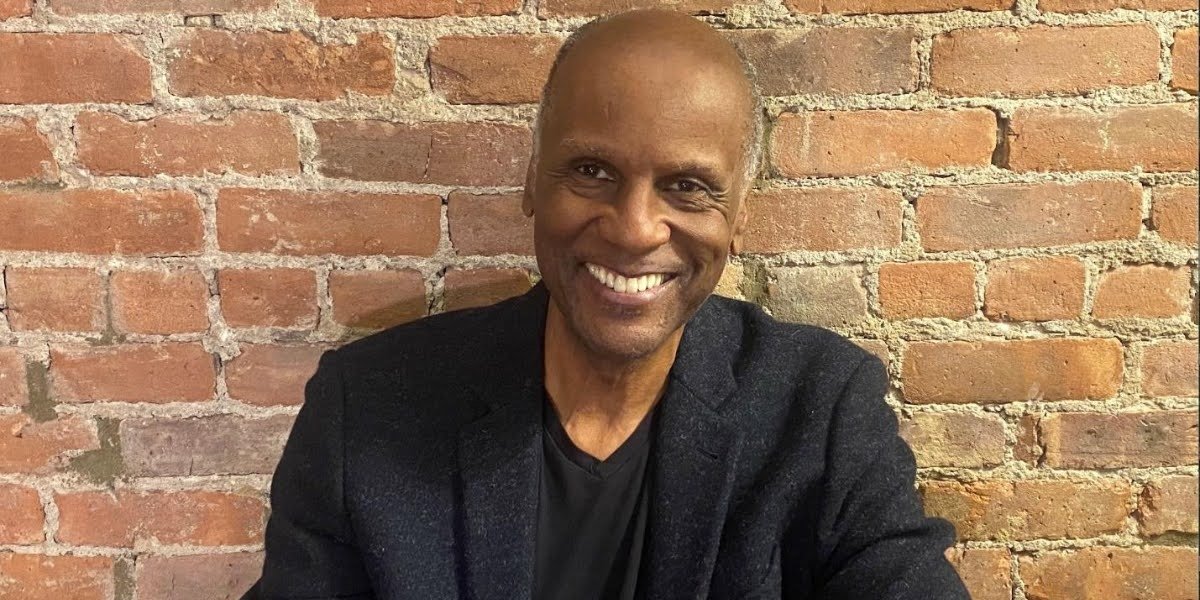
The realm of American theatre has, as an essential part of its fabric, relied on educators integrating the best of real-world practice with the most intriguing elements of academic theory, helping inform the next generation of actors, directors, and theatre professionals. More and more, schools, conservatories, and not-for-profit regional theatres have sought out faculty members whose real-world experience has been complemented by their curiosity and hunger for knowledge. It is within the specifics of such an arena that Keith Lee Grant has developed his own real-world experience, incorporating the best elements of academia and direct contributions within the realm of professional American theatre on stage and on film.
Grant’s formal education backs up the way he teaches and directs students. He earned his Bachelor of Fine Arts in Theatre from the University of Utah in 1974. His certificate was attained at the American Conservatory Theater’s Advanced Acting Program in 1976. His degree as a Master of Fine Arts was acquired at the Yale School of Drama in 1982. His degree as a Master of Arts was acquired at Penn State University in 1984. These credentials prepared him with theoretical foundations and practical approaches to teaching theatre fundamentals and the arts.
Grant has been serving as a full professor since 2001 at The City College of New York’s Department of Theatre and Speech. At present, he teaches African American Dramatic Literature and Movement, Musical Theatre, and Introduction to Theatre. Grant focuses his teaching endeavors on performance techniques and interpretation, obviously aiming for students to be exposed not only to classical repertoires but also to contemporary ones.
His reach goes further than CCNY as he has performance faculties at other colleges as well: Cornell University, University of Connecticut, Dartmouth College, University of Nebraska-Lincoln, Western Illinois University, and the New School. All of these positions demonstrate the capacity to adapt teaching approaches to the respective higher education environment—the undergraduate level, graduate level, and the conservatory-level artist as well. All of this keeps Grant actively involved in higher education with his aim of making classroom teaching relevant to the world of theatre.
Grant’s body of work remains at the nexus of research/analysis and performance, drawing on his tenure at Harlem Repertory Theatre. HRT was both a performance space and an emerging artist training ground. Grant, as original Artistic Director, has mentored and choreographed a variety of productions, namely Dreamgirls, The Wiz, West Side Story, Flahooley, Finian’s Rainbow, and Jamaica, targeting students and young artists directly for real, hands-on involvement with large-scale productions, exposing them to the technical and artistic demands of professional theater. Articles from TDF, StageBuddy, and other sources reflect these efforts towards serious training and meaningful programming on a cultural level.
Grant’s directorial skills and experience at HRT also involve the revival and restyling of the musical heritage of the past. By staging works ranging from the early 20th-century musicals to the more contemporary ones, Grant provides students and young professionals with opportunities to explore, practice, and stage works written and produced under the influences of various cultures, historical periods, and aesthetics. By finding the middle ground between training and the professional, Grant develops skills and expertise in acting, movement, singing, and stagecraft, and all of these are done within the boundaries of the musical and artistic heritage accepted and validated by the academics and the professionals as well.
Awards and recognition further situate Grant within the intersection of professional and educational theatre. Productions under his direction at HRT have earned AUDELCO awards for Best Director and Best Choreographer, including The Wiz in 2009 and Dreamgirls in 2013. Nominations for Best Revival include In the Heights in 2016 and A Raisin in the Sun in 2017. Independent coverage by Playbill, Amsterdam News, TDF, and StageBuddy has highlighted these achievements, noting both the professional quality of the productions and their role in providing educational experiences for performers. This recognition supports the understanding of Grant as an educator whose projects have a professional impact while serving as pedagogical platforms.
However, Grant’s contribution does not lie merely within scholarship, extending rather into mentoring students on their professional way. Within his African American Dramatic Literature classes, Grant combines scholarship with hands-on performance, integrating past and contemporary perspectives. Additionally, Grant directs HRT productions, integrating real-world experiences for his students, immersing them within rehearsals, stage management, and actual performance at a professional level.
Moreover, by integrating his classroom scholarship with his HRT productions, Grant reflects contemporary teaching methodologies while demonstrating a resolute commitment to enhancing new practitioners of theatre, practically equipping them for what will lie ahead artistically and professionally.
Beyond formal instruction, Grant’s influence includes training artists in regional and international contexts. His direction of productions in Bermuda, as well as engagement with operatic projects such as the premiere of The Promise at the Germantown Performing Arts Center in Memphis, TN, and selected scenes from Margaret Garner at The Cincinnati Opera, demonstrates the extension of academic mentorship into professional collaborations. These experiences provide students and emerging performers with exposure to diverse artistic environments, emphasizing transferable skills and cross-institutional practices that inform contemporary theatre education.
Keith Lee Grant’s professional and academic career represents a convergence of teaching, mentorship, and leadership in American theatre. Through his tenure at City College, service on multiple university faculties, and direction of Harlem Repertory Theatre productions, he has facilitated training opportunities, promoted historically/culturally significant works, and contributed to the transmission of both American and African American theatrical traditions. By situating professional practice within educational frameworks, Grant exemplifies the role of a theatre educator whose work impacts institutions, students, and the broader cultural landscape, maintaining a consistent professional presence over more than four decades.