US Business News

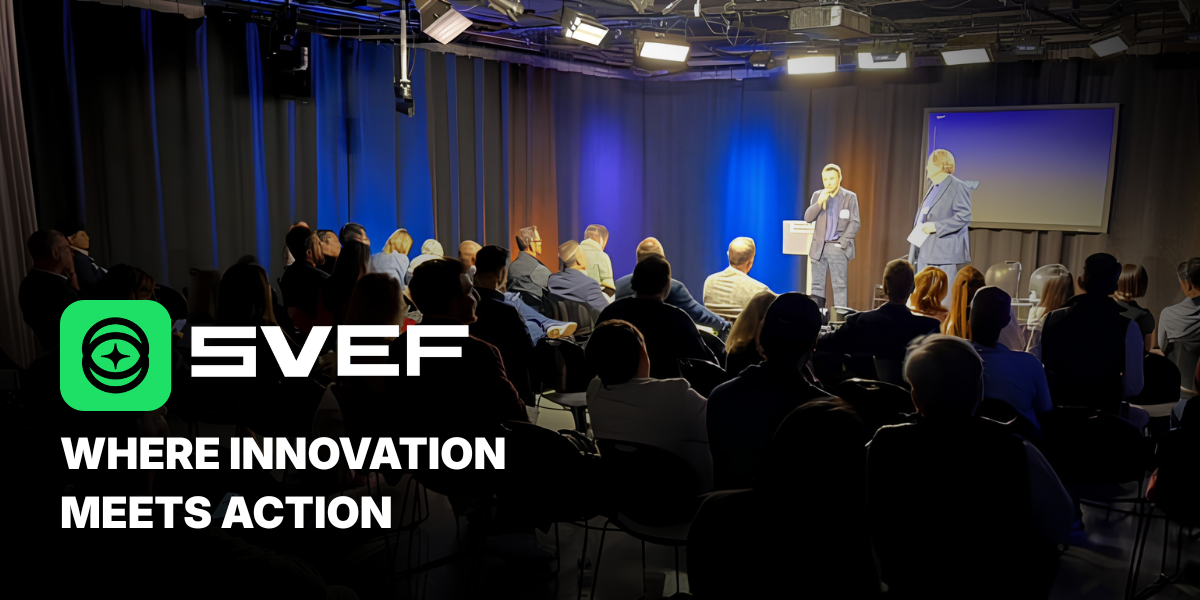
San Jose Hosts Silicon Valley Economic Forum

By: Jonathan Brierre

SAN JOSE, CA. – May 2026 The Silicon Valley Economic Forum convened an exclusive group of institutional investors, family offices, founders, corporate leaders, and civic stakeholders in San Jose from May 15–16 for a high-level gathering focused on capital formation, economic growth, and the future of Silicon Valley’s innovation ecosystem.

An Invitation-Only Forum Built Around Serious Capital Conversations

Hosted in partnership with the City of San Jose, the forum brought together a curated audience designed to foster meaningful dialogue, strategic relationships, and investable opportunities.

Unlike traditional startup conferences built primarily around ticket sales, sponsorships, or broad founder attendance, the Silicon Valley Economic Forum was structured around intentional curation, investor quality, and transaction-oriented conversations.

Ryan Baird, CEO of institutional investment bank Baird Augustine and founder of the forum, said the event was built to serve serious investors and operators looking for more than surface-level networking.

Photo Courtesy: Baird Augustine

“The economic forum is a showcase for family offices, CEOs of billion-dollar businesses, elected officials, timely authors, economists, and founders who are building serious companies,” said Baird. “We want to bring together a high-level audience so people can network, reach their business objectives, and return every year because the event creates real value.”

A Model Designed for Investors, Not Just Founders

Baird, a third-generation Silicon Valley native, has spent his career in institutional investing and has hosted investor-focused events since 2009. His approach was developed after recognizing that many startup events, while valuable for founders, often failed to meet the needs of sophisticated investors seeking high-quality deal flow, meaningful diligence, and access to breakout companies.

The forum follows a model Baird has refined over nearly two decades: first identifying institutional investors, family offices, corporate development leaders, CEOs, CFOs, and general partners across alternative asset classes, then curating conversations around breakout companies and the investors backing them.

“At our events, the founder explains the vision and the opportunity,” Baird said. “But for our audience, the more important question is why the investor is spending time and capital on that opportunity. Why now? Why this team? Why this deal out of millions of possibilities? That is the level of conversation that matters.”

By prioritizing institutional investors, family offices, strategic corporate leaders, and experienced operators, the Silicon Valley Economic Forum created a setting for substantive discussions around growth, risk, capital allocation, and long-term value creation.

Reflections From the Room

The Silicon Valley Economic Forum drew more than 250 attendees, underscoring the growing demand for curated forums that bring together capital, leadership, policy, and innovation in one room. Jason Ma, Chair of SVEF and CEO of ThreeEQ, said the experience reflected the caliber and energy of the audience. “Chairing the Silicon Valley Economic Forum 2026 was an honor and a delight,” Ma said. “The energy in the room was exceptional, and it was gratifying to see such a strong mix of family offices, investors, founders, CEOs, executives, policymakers, philanthropists, and AI/tech leaders engage in thoughtful, substantive conversations.”

Ma added that the forum’s programming captured the breadth of issues shaping Silicon Valley’s next chapter. “From the opening fireside chat on philanthropy in the age of AI, to a featured talk with California governor candidate Steve Hilton, to a dynamic panel on single family office trends in the age of AI, SVEF brought together thought-provoking leaders for the kind of forum Silicon Valley needs now: forward-looking, relationship-driven, and focused on innovation and economic growth that can matter well beyond the room.”

Evan Chi, serial entrepreneur and CEO of Founder & Co, said the forum’s influence extended beyond the public stage. “What made Silicon Valley Economic Forum remarkable wasn’t just the speakers on stage, it was the concentration of capital, influence, and decision-makers happening behind the scenes,” Chi said. “Conversations moved seamlessly between technology, markets, policy, and global investment trends.”

Photo Courtesy: Baird Augustine

San Jose’s Growing Role in the Silicon Valley Economy

The May 15–16 forum emphasized San Jose’s growing role as a strategic base for founders, investors, and companies seeking to build enduring businesses in Silicon Valley. Baird noted that while San Francisco often dominates the broader public narrative, San Jose offers a compelling environment for startups and investors alike.

“San Jose is a very strong partner of ours,” Baird said. “It is often overlooked because of San Francisco, but it is much cheaper to do business in San Jose. As an investor, I would much prefer my portfolio companies and general partners encourage founders to build in San Jose. It is safer, more accessible for many family offices in the Peninsula and South Bay, and it is a great environment for investors to invest and for startups to build lasting trillion-dollar enterprises.”

The forum is part of a broader long-term partnership with San Jose, with plans to continue hosting the Silicon Valley Economic Forum annually for decades to come.

Building Community Beyond the Annual Forum

In addition to the annual forum, Baird Augustine engages its investor and founder community throughout the year through private dinners, curated networking events, investor gatherings, sailing trips, poker events in Atherton, and early morning hikes in the Los Gatos area.

According to Baird, these smaller gatherings help strengthen the relationships and trust required to make the annual forum more impactful.

“Every month, we host a handful of events to engage our community,” he said. “All of those touchpoints help us curate the annual Silicon Valley Economic Forum.”

Rather than centering the experience around entertainment, broad attendance, or casual networking, the forum focused on helping attendees reach concrete business objectives, including identifying strategic partners, developing investor relationships, exploring board or advisory opportunities, and gaining access to high-quality market insight.

Positioning San Jose for the Next Chapter of Innovation

By convening institutional capital, experienced operators, public-sector leaders, and emerging company builders, the Silicon Valley Economic Forum positions San Jose as a more robust hub for the next chapter of Silicon Valley’s economic development.

The May gathering reinforced a central message: Silicon Valley remains unmatched in its concentration of founders, capital, talent, and ambition, and San Jose is poised to play an increasingly important role in that future.

About Baird Augustine

Baird Augustine is an institutional investment bank focused on connecting high-quality companies, investors, family offices, and strategic partners. Led by CEO Ryan Baird, the firm works with founders, investors, and institutions across capital formation, corporate development, and private market opportunities.

Media Contact:

Name: Ryan Baird

Email: ryan@bairdaugustine.com

U.S. National Debt Hits $39 Trillion as Business Costs Rise

The U.S. national debt has reached $39 trillion, placing new attention on federal borrowing as businesses across the country continue to manage higher operating costs.

Treasury Fiscal Data defines the national debt as total public debt outstanding. That total includes debt held by the public and intragovernmental holdings. It covers Treasury bills, notes, bonds, savings securities, and other federal obligations. The figure reflects accumulated federal borrowing and is updated on business days.

The national debt reached $39 trillion in April 2026. The figure was higher than the level recorded in April 2025 and remained well above the pre-pandemic level recorded in 2019.

The timing is significant for companies because federal borrowing sits inside the same credit environment used by businesses, lenders, suppliers, and consumers. The debt figure does not directly set payroll, rent, freight, insurance, or supplier pricing. Still, it is tied to interest costs and Treasury yields, which can influence borrowing conditions across the economy.

Federal Interest Costs Move Higher on Budget Watchlists

The Congressional Budget Office projects a federal deficit of about $1.9 trillion for fiscal year 2026. Under current law, CBO projects that debt held by the public will rise from about 101 percent of gross domestic product in 2026 to 120 percent by 2036.

Those projections have increased attention on interest costs. When debt rises and interest rates remain elevated, the federal government pays more to service outstanding obligations. CBO has identified rising net interest costs as a major factor in projected deficit growth over the next decade.

The Committee for a Responsible Federal Budget, using CBO data, estimated that annual net interest costs could rise from under $1 trillion in fiscal year 2025 to more than $2 trillion by fiscal year 2036. That estimate reflects the combined pressure of larger debt levels and higher rates.

Small Businesses Report Price Pressure and Careful Spending

Small businesses are showing signs of caution as costs remain elevated. The National Federation of Independent Business reported that its Small Business Optimism Index stood at 95.9 in April 2026. The reading remained below the survey’s long-term average for a second straight month.

The April report showed continued price pressure. A net 30 percent of small business owners said they had raised average selling prices. A net 27 percent said they planned to raise prices over the next three months.

Inflation remained one of the leading concerns in the NFIB survey. Labor costs and insurance costs were also cited by owners. These expenses can weigh heavily on smaller firms because they often have less room to absorb increases than larger companies.

Capital spending remained selective. NFIB reported that 51 percent of owners made capital outlays in the prior six months, while 17 percent planned such spending in the coming months. These figures point to careful decision-making around equipment, vehicles, technology, and facility needs.

Sales readings also showed pressure. A net negative share of owners reported higher real sales over the previous three months. That matters because businesses can raise prices only so far before customer demand weakens.

The result is a tighter operating position for many firms. A company may need to cover higher supplier costs, labor expenses, insurance bills, and loan payments while keeping prices within a range customers will accept.

Energy, Insurance, and Labor Add to Margin Pressure

Federal Reserve regional reports show that business costs remain uneven across sectors, but several categories continue to place pressure on margins.

The San Francisco Fed’s April 2026 Beige Book report said prices rose moderately in its district, with energy costs cited as a major factor. Higher fuel prices can spread quickly through transportation, delivery, utilities, agriculture, construction, and retail supply chains.

Transportation firms may add surcharges. Suppliers may raise delivery fees. Contractors may pay more for vehicles, fuel, and materials. Retailers and restaurants may face higher distribution costs tied to freight and logistics.

Insurance remains another concern. Business surveys and regional reports have noted higher premiums across several sectors. For small firms, insurance increases can affect cash flow and force tighter budget choices.

Labor costs also remain part of the operating pressure. Hiring conditions vary by sector, but many businesses still face wage demands, staffing gaps, or higher costs to retain workers. For companies with thin margins, even moderate wage growth can affect pricing and staffing plans.

These expenses often move together. A business may face a higher insurance bill, a more expensive credit line, a supplier price increase, and wage pressure during the same planning period. That can make routine budgeting harder.

The national debt does not directly create these costs. Still, higher federal borrowing and elevated interest costs add to the broader credit conditions surrounding business decisions.

For many firms, the pressure builds through repeated small changes. A supplier adds a fee. A lender raises a rate. A policy renewal costs more. A customer delays a purchase. Each item may look manageable alone, but together they can narrow a company’s room to operate.

Why Veteran-Owned Businesses Can Bring an Edge to Specialty Retail

There is a case to be made that veteran-owned businesses, particularly in specialty retail and B2B categories, can earn a distinct kind of customer loyalty. Research on direct customer retention comparisons is inconclusive, but veteran-owned firms remain an important part of the U.S. business community. In specialized markets, where trust, product knowledge, and operational consistency matter, a founder’s background can shape how customers view the business.

The category fit matters

Not every business category benefits from the same type of founder experience. In some fields, veteran ownership may not create a clear market difference. In others, especially where reliability, accountability, and operational discipline matter, that background can help shape a company’s approach.

Specialty equipment, industrial supply, professional services, and tactical retail are examples where customer expectations can be more specific. Buyers in these categories often care about whether products hold up under demanding conditions, whether the seller understands the use case, and whether the company can respond when something does not go as planned.

Tactical gear is one example. Companies such as Deliberate Dynamics, which describes itself as a veteran-owned business supplying tactical apparel and equipment to law enforcement, military, and government contractors, operate in a market where customers often have direct field experience. Many buyers are veterans, active operators, or professionals who rely on equipment as part of their work. That customer base can be highly discerning, which means businesses in this space need to support their claims with reliable products and responsive service.

That is different from many general consumer categories, where strong branding can sometimes carry a product for a period of time. In tactical and operational retail, customer confidence is more closely tied to whether the gear meets practical expectations.

What veterans may bring to the operation

A few patterns are often associated with veteran-led businesses in specialty retail.

The first is process discipline. Military experience often involves standardized procedures, structured reviews, and close attention to what went wrong and how it can be corrected. In a business setting, that mindset can influence inventory management, vendor relationships, customer service workflows, and quality control.

The second is accountability. Military environments often place a strong emphasis on ownership when a process fails or an outcome falls short. In civilian business, that can translate into faster problem-solving and a stronger focus on preventing repeat issues.

The third is customer understanding. A veteran-owned tactical retailer may understand the customer in ways that are difficult to learn from market research alone. That background can help inform which products are selected, how product descriptions are written, and what questions customers may ask before purchasing.

For example, someone with field experience may understand the difference between a tactical backpack that looks appealing in photos and one designed to withstand demanding use. That kind of firsthand knowledge can help a specialty retailer build trust with customers who care about function, durability, and fit for purpose.

The product testing advantage

This point is especially relevant in tactical and operational gear, but the broader lesson applies to other specialty markets as well.

Many retailers test products based on standard consumer expectations. In more demanding categories, products may need to be evaluated based on how they are actually used in the field. Those two standards are not always the same.

Deliberate Dynamics states that its product testers include Special Operations Forces and military personnel who assess gear under operational conditions. That type of feedback can help shape product selection and catalog decisions. Since this information comes from the company, it should be viewed as company-provided background rather than an independent performance claim.

Still, the concept is important. A retailer with direct access to experienced users may have a stronger understanding of what customers need, what products tend to fail, and what features matter in real-world use. A company without that network may need more time to develop the same level of insight.

This does not mean every veteran-owned retailer has the same advantage. It does suggest that, in certain categories, founder background and user proximity can influence product quality, service standards, and customer confidence.

The trust factor

Trust is a major part of specialty retail. In tactical and operational categories, customers may place greater confidence in sellers who understand their work environment. That trust can influence buying decisions, repeat purchases, and customer referrals, though those outcomes can vary by company and market.

This is not just affinity marketing. It can be a practical response to an information gap. Customers in specialized fields often know that outside retailers may not fully understand their needs. When a seller has direct experience with the use case, the customer may feel more confident that the product selection reflects real-world knowledge.

A similar pattern can appear in other categories. Medical equipment retailers led by former clinicians, climbing gear shops run by experienced climbers, and restaurant supply companies led by former chefs may benefit from the same type of customer understanding. When the operator has also been the customer, product selection and service can become more informed.

What this teaches the broader market

There are useful lessons here for anyone running a specialty business.

The category matters. Veteran ownership alone does not determine business performance. The advantage is more likely to appear when the founder’s background directly connects to customer needs. In those cases, experience can support better product selection, clearer communication, and stronger customer relationships.

Authenticity is difficult to fake. Marketing can suggest credibility, and endorsements can help introduce a brand to new audiences. But operational understanding, especially the kind that comes from years of direct experience, is harder to shortcut.

Smaller markets can still support strong businesses when customer relationships are deep. Veteran-owned specialty retailers may not always serve the largest audiences, but they can build meaningful traction when they understand their customers well and provide products that meet specific needs.

The broader pattern

Specialty retail continues to create room for businesses led by people who come from the customer base they serve. Deliberate Dynamics fits that model, along with other veteran-owned companies in adjacent categories.

Large retail consolidation has left some specialized customers looking for deeper expertise, stronger product knowledge, and better understanding of their use case. Generalist retailers may serve broad audiences well, but they may not always meet the needs of customers who require more specific guidance.

That gap creates an opening for specialty businesses. Customers in these markets may be less focused on price alone and more focused on whether the product works for their intended use. For veteran-owned companies in tactical and operational categories, that can create a meaningful opportunity when the business combines relevant experience with consistent service and reliable product selection.

This is a quieter business model than many heavily marketed consumer brands. It is also one that may be more durable in certain specialized categories, especially when the company’s leadership understands the customer from direct experience.

Disclaimer: This article is for general informational purposes only. Business outcomes, customer retention, revenue performance, return rates, and long-term growth may vary by company, category, market conditions, operations, and other factors. Any references to business performance or customer behavior should not be interpreted as a guarantee of results.

Why Niche Hardware Companies Can Play the Long Game

Some of the more durable businesses in the U.S. economy are the ones many people rarely hear about. Specialty hardware manufacturers often serve narrow technical markets, where the customer base may be limited and the products require years of engineering depth to build properly. These companies may not always appear in venture capital portfolios or business school case studies, but many generate real revenue, employ skilled teams, and continue operating through changing market cycles.

Fiber optic equipment is one of those categories. The companies operating in it offer a useful window into what can make niche hardware businesses durable over time.

The Category Many People Do Not Think About

Fiber optic communication supports a significant share of modern digital infrastructure. Long-distance communication, streaming video, cloud computing, and data transmission often depend on fiber somewhere along the chain. The actual fiber itself is a tiny strand of glass, and joining two strands so light can pass through the junction with limited signal loss is a highly technical process. The equipment that does the work, called a fusion splicer, must align the cores with a high degree of precision and heat the glass inside a controlled environment.

That is standard fiber. Specialty fibers used in fiber lasers, fiber optic gyroscopes, advanced sensing systems, and certain defense applications can require more sophisticated equipment. Standard splicers may not be suitable for every specialty fiber use case. A subcategory of fiber optic equipment exists specifically to process specialty fibers, and the customer base for that equipment is global but relatively small.

3SAE Technologies sits in that subcategory. The company is headquartered in Franklin, Tennessee, and was founded in 2000. It builds specialty fusion splicers and glass processing equipment used by customers such as submarine cable manufacturers, fiber laser builders, aerospace companies, defense contractors, and research labs.

It is a niche business. It is also an example of a specialized company that has continued operating in a technical market for more than two decades.

The Economics of Small Markets

Most business strategy advice focuses on large addressable markets. The thinking is straightforward: a larger market can mean more potential customers, a higher revenue ceiling, and more growth opportunities. That logic often shapes how venture capital evaluates opportunities and how business analysis is taught.

But there is another category of business that can perform well in small markets specifically because those markets are small. Specialty industrial hardware often fits this category. The customer base may be limited, sometimes numbering in the hundreds or low thousands globally depending on the product category. But those customers can be well-funded, technically sophisticated, and willing to pay for equipment that solves a specific problem.

The economics can work because the small market may keep some competitors away. Mass-market competitors may not be able to justify the engineering investment for a market of this size. New entrants can face technical barriers that take years to overcome. Existing players may also build customer relationships that develop over long periods, with switching costs that can make customers cautious about changing suppliers once a system is integrated into production.

That structure can produce healthier businesses than many people expect. Margins may remain stronger when products are difficult to commoditize. Customer retention can be higher when alternatives are limited. Revenue growth may track the underlying industry more than short-term competitive activity within the niche.

What Separates the Stronger Operators

A few characteristics often appear across specialty hardware companies that build durable positions in their niches.

The first is genuine technical depth. This does not mean broad marketing claims about technical superiority. It means engineering capability that solves specific problems for demanding customers. 3SAE’s three-electrode arc fusion technology is one example of a specialized technical approach. The basic concept can be explained quickly, but the actual implementation involves mechanical engineering, control software development, and operational refinement that may take years to develop.

The second is customer-driven product development. Strong specialty hardware companies often do not design products only from broad market research. They design products in response to specific requests from customers working through specific technical challenges. New equipment generations may be developed because existing customers ask for capabilities that do not yet exist. That keeps the product roadmap aligned with practical market needs rather than internal assumptions.

The third is operational stability. Specialty markets tend to reward consistency. Customers that have already integrated a piece of equipment into their production process may not want suppliers changing direction every few years. They often want predictable quality, available service, and a supplier they can continue working with over time. Companies that deliver that operational stability, even if it means slower growth, can earn a stronger position in their market.

The Trust Dynamics

Specialty hardware markets often run on trust in ways consumer markets do not. Customers may understand that they are paying premium prices, but they need confidence in return. They need confidence that the equipment will perform as expected. They need confidence that the supplier will be available when service or support is needed. They also need confidence that future equipment generations will continue meeting their needs.

That trust takes time to build. A new supplier entering this kind of market can face a real challenge, not only because the products are technical, but because the customer base may need time to verify that the supplier is reliable. Reference checks can move through small communities of engineers and procurement officers. Reputation accumulates gradually. By the time a new entrant earns enough trust to compete seriously, established players may have continued strengthening their own customer relationships.

3SAE has been in this market for more than two decades. That represents years of customer relationships, technical iteration, and accumulated reputation. Displacing a position like that can be difficult, even for well-funded competitors with strong engineering teams.

What This Teaches the Broader Market

Specialty industrial businesses suggest another way to think about how durable companies can be built.

It is not always about rapid scale in a large market. Sometimes it is about building real depth of capability inside a market that is small but technically demanding. Financial outcomes may vary, but companies that serve a specialized need over a long period can create meaningful business value. The patience required for that model may be one reason many of these companies remain private.

Customer relationships matter more than brand visibility in this category. In specialty hardware, customers often buy from suppliers they trust personally and technically, not from brands they casually recognize. A supplier’s reputation is built one project at a time and often moves through professional networks rather than broad marketing channels. That is a different acquisition model than mass-market retail, and it may be harder to disrupt.

The geographic flexibility is also meaningful. Specialty hardware companies can operate from locations outside major coastal technology hubs if they have access to technical talent and reasonable logistics. Middle Tennessee works for 3SAE because the company can serve a global customer base from there, as long as the equipment performs and support needs are met.

The Longer-Term Outlook

Demand for specialty fiber optic equipment may continue to be supported by broader industries that depend on it. Submarine cable activity, fiber laser applications, aerospace systems, defense programs, and advanced sensing technologies all rely on specialized components in different ways.

That demand often requires equipment to make, process, or test those components, which is where companies like 3SAE operate. If the underlying industries continue expanding, specialty equipment makers that serve them may benefit as well. Competitive dynamics in these niches can also remain more stable than in broader consumer or software markets, though market conditions can change.

It is a quieter business model than what often receives attention in business media. These companies may not generate fast-growth narratives or widely discussed valuation stories. But they can generate stable revenue through technical capability, customer trust, and long-term relationships.

That model is worth paying attention to, even when it does not fit neatly into common business coverage. Some successful businesses operate with this kind of discipline, building value over time while staying largely outside the spotlight.

Disclaimer: This article is for informational and editorial purposes only. It discusses general business and industry trends and should not be interpreted as financial, investment, procurement, or technical advice. Company details, market conditions, demand projections, and technical metrics may vary by source, application, product configuration, and over time. Readers should verify specific claims directly with the company or qualified industry sources before making business decisions.

KeyCrew Media Debuts KeyCrew Homes for Residential Coverage

A new publication is entering the residential real estate space with a different approach to how market intelligence gets sourced and delivered.

KeyCrew Media, the real estate media and intelligence company, announced the launch of KeyCrew Homes this month, its seventh digital publication and its first dedicated entirely to the residential market. The publication goes live in mid-May and is aimed at buyers, sellers, investors, and real estate professionals who want forward-looking insights to make more informed decisions.

The Problem With How Real Estate News Gets Made

There is a persistent gap between what is happening on the ground in residential real estate and what actually gets covered. By the time a trend surfaces in a published report, the agents, investors, and operators in that market have already been working around it for months.

KeyCrew Media has built its model around closing that gap. The company conducts hundreds of expert interviews per month with agents, brokers, capital allocators, and investors across the United States, with the goal of surfacing what is happening on the ground before it shows up in the numbers.

Steve Marcinuk, Co-Founder of KeyCrew Media, says the company goes directly to practitioners (agents closing deals, investors deploying capital, operators on the ground) to ask what is happening in real time that has not yet appeared in the data. “KeyCrew Homes brings that same intelligence engine to the buyers, sellers, and families making the most important financial decisions of their lives,” he says.

What KeyCrew Homes Will Cover

KeyCrew Homes will draw on the same Intelligence Network that powers the company’s existing six publications. Coverage will include specific residential market trends, buyer and seller guidance, and a human interest segment spotlighting individual properties across the country.

While the broader KeyCrew Media portfolio had touched on residential real estate through House & Hemisphere and KeyCrew Journal, the growth of its intelligence operations and rising demand from residential readers made a standalone publication the logical next step. The company now has more than 3,000 verified experts in its network contributing market insights monthly, a volume of direct practitioner conversations that, the company argues, produces a different kind of coverage than traditional journalism or data aggregators can deliver.

Built on the Same Intelligence Engine

The KeyCrew Intelligence Network operates on a straightforward premise: talk to the people who are actually doing the work, at a volume and frequency that produces a real signal. That means agents who know which neighborhoods are seeing quiet cash offer activity, investors who are shifting strategy before any public announcement, and operators who can describe what the data will reflect in 90 days.

That sourcing model, applied now to a dedicated residential publication, is what sets KeyCrew Homes apart. Content will not be generated from historical reports or aggregated search data. It will come from verified practitioners sharing what they are seeing in real time.

KeyCrew Homes goes live in mid-May. Residential real estate professionals interested in contributing expert insights or being featured in coverage can connect through keycrew.co.

KeyCrew Media is a real estate media and intelligence company that owns and operates seven digital publications reaching tens of thousands of real estate professionals and decision-makers nationwide. The company conducts hundreds of expert interviews per month and syndicates its coverage across hundreds of platforms, including direct licensing arrangements with leading AI search platforms. Learn more at keycrew.co.

Disclaimer: This article is based on information provided by the expert source cited above. It is intended for general informational purposes only and does not constitute legal, financial, or real estate advice. Readers should conduct their own research and consult qualified professionals before making any real estate or financial decisions.

Sports Recovery and Class IV Laser Therapy in Hollywood, Florida

By: Dr. Bruce Mark, DC | Hollywood Laser Pain Center | Hollywood, Florida

Class IV laser therapy, a photobiomodulation technology used in professional sports and Olympic training settings, is available to competitive and recreational athletes across Broward County at Hollywood Laser Pain Center. The technology is studied for its potential role in supporting the biological processes involved in tissue repair, and many athletes consider it alongside conventional rest and rehabilitation.

Sports injuries left undertreated can become chronic conditions. Achilles tendinopathy that begins as mild post-run soreness can progress into a degenerative tendon issue that takes months to rehabilitate. Early intervention is generally preferred over waiting until the condition becomes chronic.

At Hollywood Laser Pain Center, I bring a perspective to sports injury care shaped by my own athletic background. I played college football at Wake Forest University, which gave me an understanding of athletic demands from the inside. Combined with 27-plus years of clinical practice in Hollywood, Florida, Graston Technique certification, and acupuncture training, this background informs an approach to sports injury care that goes beyond the standard RICE protocol.

Why Does Broward County Have a Unique Sports Injury Profile?

South Florida’s year-round warm climate is both an advantage and a clinical challenge for its athletic population. The advantage: outdoor training is possible every month. The challenge: the absence of enforced seasonal rest means athletes never get the involuntary recovery periods that colder climates impose. Year-round athletes who do not proactively manage recovery may accumulate tissue fatigue in a way that seasonal athletes typically do not.

Research published in the British Journal of Sports Medicine has found that chronic tendinopathy, the most prevalent overuse injury in recreational athletes, accounts for approximately 30 percent of all sport-related musculoskeletal injuries. In Broward County’s cycling, running, golf, tennis, swimming, and paddling communities, this translates to a high and consistent volume of overuse presentations that often warrant tissue-level intervention beyond rest and NSAIDs.

What Is Photobiomodulation and How Is It Studied in Sports Medicine?

Photobiomodulation involves the application of near-infrared laser energy to tissue. Research suggests it can stimulate mitochondrial activity and influence the cellular processes involved in tissue repair. A 2017 systematic review in Lasers in Medical Science examined photobiomodulation across a range of musculoskeletal injuries, reporting findings most relevant to tendon and muscle conditions.

At Hollywood Laser Pain Center, the Regenerative Medical Laser™ protocol uses Class IV near-infrared laser energy as part of a broader treatment plan. Sessions typically run 20 to 30 minutes. For acute injuries, treatment is focused on supporting the body’s natural inflammatory and repair processes. For chronic overuse injuries, treatment is aimed at the underlying tendon or muscle tissue that may not respond fully to passive care alone. Each treatment plan is determined on an individual basis following clinical evaluation.

What Does Graston Technique Add for Athletic Tissue Repair?

Tendons and fascial structures subjected to high repetitive loading can develop areas of micro-fibrosis, small deposits of disorganized collagen that may impair tissue mechanics and contribute to injury risk. In cyclists, this commonly appears in the iliotibial band and quadriceps tendon. In golfers and tennis players, it can develop in the forearm extensors and rotator cuff. In runners, the Achilles tendon and plantar fascia are frequent areas of concern.

Graston Technique is an instrument-assisted soft tissue mobilization method. Applied to these structures, the technique is designed to address the disorganized collagen at the tissue level, with the goal of supporting fibroblast activity and improving tissue glide. It is often used in combination with other modalities as part of a comprehensive treatment plan.

What Does the Research Say About Photobiomodulation in Sports Injuries?

A 2014 randomized controlled trial in the American Journal of Sports Medicine examined laser therapy in Achilles tendinopathy and reported improvements in pain and functional outcomes compared to controls. Research in the Journal of Orthopaedic and Sports Physical Therapy has examined photobiomodulation in patellar tendinopathy. For rotator cuff tendinopathy, which is particularly relevant in Broward County’s overhead sport and golf populations, research in Lasers in Medical Science has documented effects on tendon tissue quality and pain measures.

These studies form part of the ongoing body of research informing how Class IV laser therapy is used in sports and rehabilitation settings.

What Sports Injuries Are Commonly Evaluated for Laser Therapy?

Achilles tendinopathy, plantar fasciitis, rotator cuff tendinopathy, IT band syndrome, hamstring and quadriceps strains, patellar tendinitis, ankle ligament sprains, and sport-related lumbar strain are among the conditions commonly evaluated for photobiomodulation in sports medicine settings. Every patient receives a comprehensive evaluation before treatment is recommended.

Visit reliefnowlaser.com/providers/hollywood/ to learn more. Patient education content is available at youtube.com/@ReliefNowNation. Contact Hollywood Laser Pain Center at 2607 Polk Street, Hollywood FL 33020 | 954-925-7333.

About the Author

Dr. Bruce Mark, DC | Hollywood Laser Pain Center | 2607 Polk Street, Hollywood FL 33020 | 954-925-7333 | reliefnowlaser.com/providers/hollywood/

Dr. Mark earned his Doctor of Chiropractic from Logan College of Chiropractic with honors and has practiced for more than 27 years in Hollywood, Florida. A former collegiate football player at Wake Forest University, he holds certifications in Graston Technique and acupuncture and practices at Broward Medical and Rehab. He is a provider in the national ReliefNow® network.

Disclaimer: The information provided in this article is for general informational purposes only and should not be construed as medical advice. Effectiveness of treatments may vary depending on individual circumstances. Consult a qualified healthcare professional to discuss your specific medical needs and treatment options.