US Business News

Tami Stackelhouse’s Leadership Journey from Burnout to Collective Vision

By Angel Pascual

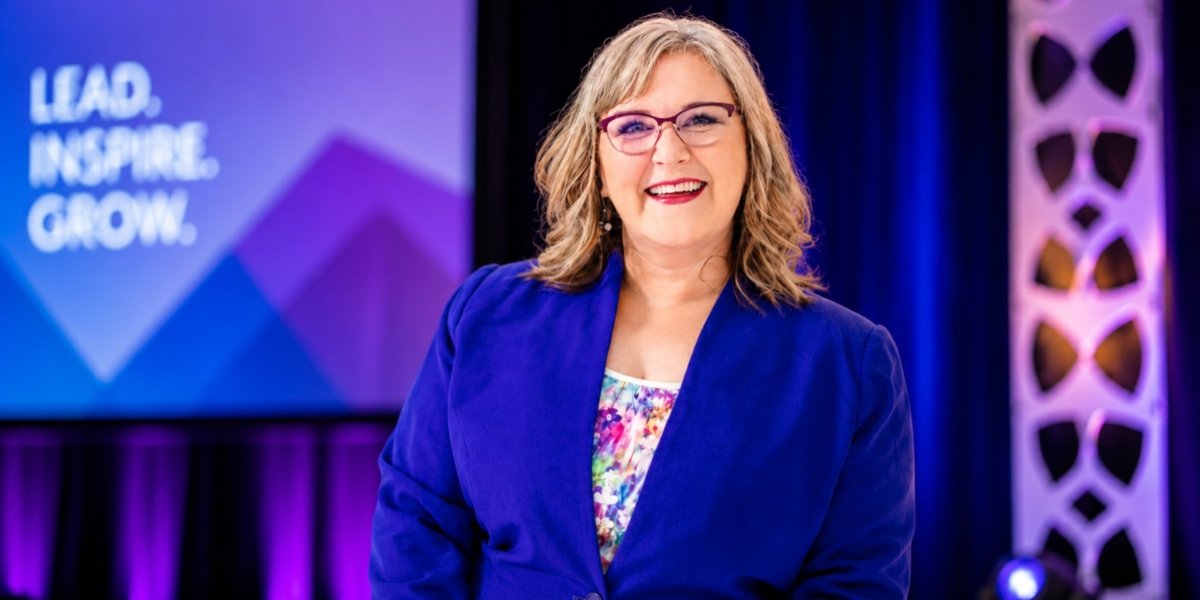
Renowned health and wellness expertTami Stackelhouse expresses, ‘Pushing harder is not always the answer. Sometimes the answer is learning where your limits actually are and building from there.’”

In today’s business landscape, burnout is still widely treated as an individual problem. Employees are encouraged to build resilience. Leaders are told to manage stress more effectively. Organizations invest heavily in productivity tools and performance optimization strategies.

And yet, burnout continues to rise.

Stackelhouse is an award-winning author and founder of the International Fibromyalgia Coaching Institute, the first and only coaching institute dedicated exclusively to fibromyalgia, with accredited training programs now integrated into continuing education pathways for healthcare professionals. She brings a different perspective to the business world, one shaped by navigating her own fibromyalgia diagnosis and years of guiding people through sustainable transformation.

Burnout is a Systems Problem

Stackelhouse’s work began in the health space, helping individuals with fibromyalgia reclaim their lives. Fibromyalgia is often not well understood, and because of that, many people have only been offered symptom management instead of a real plan for recovery.

Through her work, Stackelhouse has helped hundreds of individuals rethink what sustainable progress actually looks like. That work now shapes how she views leadership and organizational performance and how those principles extend far beyond health.

This same pattern exists in business. For years, burnout has been framed as a personal limitation. In reality, it is often the result of misaligned systems, unrealistic expectations, and leadership models that prioritize output over capacity.

Stackelhouse explains, “The Fibromyalgia Wellness Framework is a comprehensive approach that helps people reclaim their lives by addressing physical root causes, aligning how they live with their body, and transforming how they relate to it.”

At its core, the framework challenges a deeply ingrained belief that more effort always leads to better results.

It doesn’t. Nowhere is that more evident than in modern business culture.

The Myth of Endless Capacity

Traditional leadership models often reward overextension. Long hours are equated with commitment. Hustle is positioned as the path to success. Rest is treated as something to be earned.

But that model doesn’t work for most people, and increasingly, it doesn’t work for businesses either. Many individuals, especially those managing health challenges, never had the option to follow the “work harder” playbook.

Stackelhouse explains, “I couldn’t build a business working 80 hours a week. So I had to find a different way. And the truth is, most people need a different way too.”

This insight is becoming increasingly relevant as organizations face rising burnout, disengagement, and turnover. Because when leaders build systems that assume unlimited capacity, they create environments that are unsustainable by design.

A Different Model: Sustainable Transformation

Through her work, Stackelhouse identified a pattern that extends beyond individuals and into organizations.

She says, “Sometimes getting better, or building a business, is not about doing more. It’s about doing less, more intentionally,” she says.

The Fibromyalgia Wellness Framework is built on three core principles. The first is to address the root causes instead of managing symptoms. Next, align your actions with your actual capacity. Last, transform the relationship between effort and outcome.

While developed in the context of health, these principles offer a powerful lens for leadership. Because businesses, like bodies, begin to break down when pushed beyond what they can sustainably support.

From Burnout to Collective Vision

What organizations need now is not more pressure but more awareness.

Stackelhouse shares, “Conscious leadership requires a shift in how success is defined and pursued. It recognizes that capacity is not infinite and that sustainable growth comes from alignment, not force. It also acknowledges that long-term impact depends on how well systems support the people within them.”

When leaders begin operating from this perspective, the results are measurable. Teams become more focused. Decision-making improves. Innovation increases, not because people are doing more, but because they are doing what actually matters.

This is the shift Stackelhouse describes as moving from burnout to collective vision.

A Lack of Answers Is Not a Lack of Options

One of the biggest challenges in both health and business is what happens when existing systems stop producing results. People often assume they have reached the end of their options, when in reality they have only reached the limits of the models they were shown to follow.

Stackelhouse emphasizes, “A lack of answers is not the same as a lack of options.” In the fibromyalgia space, this often meant individuals were told to simply manage symptoms indefinitely.

In business, it looks like leaders continuing to apply outdated models because they don’t see viable alternatives. But new models do exist and they are necessary.

Redefining Success in Leadership

The future of leadership is not about endurance. It’s about sustainability.

Stackelhouse’s work reinforces a critical shift. Energy must be managed, not ignored, and rest is not a reward but a requirement. Growth that comes at the cost of well-being is not sustainable.

Stackelhouse says, “You do not need to earn rest. You need enough rest to have a life.”

For organizations, this translates directly into performance. When people are supported, aligned, and operating within sustainable capacity, they don’t just avoid burnout, they perform better.

The Leadership Opportunity Ahead

Businesses are at a turning point.

The leaders who will shape the next era are not the ones who double down on outdated “more is more” strategies, but those willing to rethink how success is built.

Those who understand that sustainable transformation matters more than short-term intensity, and that conscious leadership is now essential, will define the future of business.

Burnout is not the end of the story. It’s the signal that it’s time to build something better.

To learn more about Tami Stackelhouse’s perspective on leadership, well-being, and sustainable transformation, visit FibroCompass.com or explore The Fibromyalgia Podcast® for deeper insight.


EIA Reports Sharp Decline in U.S. Crude Oil Inventories

U.S. crude inventories fell by 7.2 million barrels during the week ended June 5 as refiners increased processing activity, according to new data released by the U.S. Energy Information Administration (EIA). The report also showed a decline in distillate fuel inventories and an increase in gasoline stockpiles, providing businesses with an updated view of fuel supply conditions across the country.

The inventory draw exceeded market expectations and reflected stronger refinery utilization rates during the reporting period. The latest figures arrive as transportation providers, manufacturers, distributors, and other fuel-dependent sectors continue monitoring energy costs that can influence operating budgets and supply chain planning.

U.S. Refiners Increase Throughput During Reporting Period

The EIA reported that refinery activity increased during the week, contributing to the decline in commercial crude oil inventories. Higher refinery utilization means more crude oil is being processed into products such as gasoline, diesel, and jet fuel that support commercial transportation and industrial operations.

Refinery activity serves as a key indicator of fuel demand and economic activity because refined petroleum products remain essential to freight movement, manufacturing output, aviation, construction, and agriculture. Increased processing levels often signal that refiners are responding to anticipated demand from businesses and consumers.

The latest figures showed that refiners drew additional crude supplies from storage while increasing production. The combination of higher refinery runs and lower crude stockpiles reflects ongoing activity within the domestic energy supply chain as companies prepare for seasonal demand patterns.

For businesses that rely on transportation networks, refinery output can affect fuel availability across regional markets. Logistics operators, trucking companies, airlines, and industrial producers closely monitor refinery utilization data because changes in fuel supply conditions can influence procurement decisions and cost management strategies.

Energy Costs Remain a Focus for Business Planning

Fuel expenses continue to represent a significant operating cost for many industries. Companies involved in freight transportation, manufacturing, construction, retail distribution, and agricultural production often track petroleum inventory reports to assess supply conditions and potential impacts on future costs.

Diesel fuel remains particularly important for commercial activity. The EIA reported that distillate inventories declined during the week ended June 5, reducing supplies of fuels commonly used by trucks, railroads, industrial equipment, and heavy machinery.

Inventory levels do not directly determine fuel prices, but they are among the indicators businesses use when evaluating market conditions. Changes in crude and refined product inventories can influence expectations regarding supply availability, production activity, and distribution capacity.

Organizations managing large transportation fleets frequently monitor fuel market developments as part of budgeting and operational planning. Even modest shifts in fuel expenses can affect logistics costs across supply chains that move goods throughout the United States.

Many companies continue evaluating broader cost pressures, including transportation expenses and energy-related operating expenditures. Energy remains a key input for a wide range of economic activities, making fuel market developments relevant beyond the oil and gas sector.

Supply Chain Operations Depend on Stable Fuel Availability

Reliable fuel supplies remain essential to the movement of goods throughout the U.S. economy. Petroleum products power trucking fleets, rail transportation, cargo shipping, aviation operations, and industrial equipment that support domestic and international commerce.

Inventory reports issued by the EIA provide insight into the balance between fuel production and consumption across these sectors. Businesses use the data to assess whether fuel supplies are keeping pace with demand and to identify potential risks that could affect operations.

The increase in refinery activity reported during the week suggests that fuel producers are continuing to supply products needed by transportation and industrial customers. Strong refinery output can help maintain product availability even when crude oil inventories decline.

Supply chain managers often review energy market data alongside freight activity, inventory levels, and transportation capacity metrics. Fuel availability can influence delivery schedules, operating costs, and procurement decisions throughout manufacturing and distribution networks.

The petroleum supply chain also plays a central role in supporting consumer markets. Retail distribution systems rely heavily on trucking and logistics infrastructure that depends on consistent fuel supplies. As a result, developments within energy markets can have implications across multiple industries.

Inventory Data Offers Insight Into Industrial Activity

Weekly petroleum statistics are frequently viewed as indicators of economic activity because fuel consumption is closely tied to business operations. Increased refinery processing can reflect demand from sectors that rely on transportation, production, and industrial services.

Manufacturing facilities, construction companies, agricultural operations, and logistics providers all consume significant quantities of fuel. Changes in inventory levels can therefore provide a snapshot of activity occurring across key segments of the economy.

The latest EIA report showed differing trends among major petroleum products. While crude oil and distillate inventories declined, gasoline inventories increased. The mixed results reflect varying demand and production conditions across different parts of the fuel market.

Business leaders often evaluate these developments alongside broader economic indicators such as freight volumes, industrial production data, consumer spending, and manufacturing activity. Fuel demand frequently moves in conjunction with commercial activity, making inventory reports a useful reference point for assessing economic conditions.

The United States remains one of the world’s largest energy producers and consumers, giving domestic inventory data significance for both energy markets and the broader economy. Weekly reports help businesses understand current supply conditions and evaluate factors that may affect future operating environments.

An Overview of Bryan and Shannon Miles and Their Involvement in Thought Leadership, Community Initiatives, and Nonprofit Engagement Through O’nr

In the contemporary business landscape, more and more founders are becoming active not just in their business endeavors but also in areas of thought leadership and community work. Often, the entrepreneur’s participation signifies a more collective effort to address the greater challenges associated with leadership development, trust-based growth, and sustainability-aligned growth. Indeed, entrepreneurs across Europe and North America devote substantial time to public speaking, educational writing, and non-profit ventures to build a stronger professional identity. Such activities tend to be informal platforms for sharing experience rather than direct commercial promotion, contributing to the ongoing dialogue of how companies and leaders adapt to evolving economic and social conditions.

In this broader context, Bryan and Shannon Miles have been involved in initiatives including publishing, nonprofit work, and public conversations on entrepreneurship. These involvements have been portrayed as part of professional development that followed work related to company building and investment. Each of these initiatives is positioned not simply as commercial products but as part of an extended career path from operational leadership to public discussion, mentorship, and organized community engagement through platforms such as O’nr.

Founded in 2024, O’nr is positioned as a nonprofit focused on supporting business owners and entrepreneurs through professional and personal challenges. While exact operational details remain limited in the public domain, it has been placed as a forum for conversation, resource sharing, and connection among peers. This is part of the broader trend in nonprofit culture to combat the feelings of isolation and complexity experienced by small and mid-sized business operators. According to statistics from the U.S. Small Business Administration, more than 31 million small businesses operate in the United States, and many are concerned about access to guidance on sustainable growth.

The nonprofit sector itself continues to grow, with the National Center for Charitable Statistics reporting over 1.5 million registered nonprofit organizations in the United States in recent years. Amidst this landscape, organizations such as O’nr are often judged not solely by scale but by the nature of their engagement and the kinds of discourse they facilitate. The Miles name appears in this setting as part of a group of founders who’ve opted to anchor their community work in shared experience rather than formal consultancy models.

In addition to nonprofit involvement, publishing has been an essential factor in framing the public’s understanding of their professional view. Bryan Miles has published Virtual Culture, a book concerning remote leadership and organizational structure in remote teams. The topics covered fit within broader trends in the global workforce. Research by Gartner in 2021 indicated that through 2021, about 48 percent of employees in knowledge-based jobs worked at least part of the time. On the topic of virtual work culture, many books have become quite prevalent as companies rethink how leadership can be effective outside a traditional office space.

Shannon Miles has published The Third Option, which explores how to balance entrepreneurship, leadership responsibilities, and personal life choices. The themes reflect a broader conversation in business literature on burnout and sustainable performance. The World Health Organization classified burnout as an occupational phenomenon in 2019, amid growing interest in executive and founder well-being. These works are generally placed within the growing body of literature on how leadership roles intersect with human and relational aspects.

In addition to written work, public speaking and media appearances have contributed to the wider visibility surrounding the husband-and-wife profiles. Entrepreneurs increasingly use interviews, panel events, and digital platforms to add context to professional narratives. The Miles have participated in notable podcasts and interviews, including the Good Life Project podcast episode “Own Not Run | Shannon and Bryan Miles,” Donald Miller’s The StoryBrand Podcast episode “Bryan Miles — 5 Surprising Ways a Smart Assistant Will Simplify Your Life,” and Dave Ramsey’s EntreLeadership Podcast episode “Bryan & Shannon Miles, Virtual Culture.” These appearances reflect the standard pattern in modern entrepreneurial ecosystems, where conversational formats are increasingly favored for reflecting on business experiences rather than for formal instruction.

Another theme that seems to come up fairly regularly in this section is mentorship. Structured mentorship programs are found to have a measurable impact on early-stage business survival across the United States and Europe. According to a report by SCORE, a nonprofit association supported by the U.S. Small Business Administration, small businesses that receive mentoring can see their survival rate increase by as much as 70 percent over five years. The tendency of experienced founders to contribute to such ecosystems follows from these broader patterns rather than any individual distinction.

Integration of thought leadership, nonprofit participation, and advocacy within an entrepreneurial career is not something new. What makes certain personalities stand out is not volume or visibility, per se, but the continuity of engagement across platforms. In this case, the Miles surname is often mentioned in publishing, nonprofit involvement, and public discourse, suggesting, arguably, an intentional effort to contribute to entrepreneurial culture beyond direct business operations.

Meanwhile, it is critical not to oversimplify or personally attribute broader industry change. It is the collective influence of many voices and institutions that shapes the development of leadership practices, remote work strategies, and ethical business frameworks. The contributions of individual founders, such as Bryan and Shannon Miles, need to be placed in the broader ecosystem context alongside academics, policymakers, and independent practitioners.

In the end, the work associated with O’nr and the books Virtual Culture and The Third Option reflect another aspect of how Bryan and Shannon Miles have situated themselves amidst the shifting terrain of contemporary entrepreneurship. Viewed through a dispassionate lens, these initiatives represent the broader movement toward leaders’ introspection, mutual support systems, and the pursuit of balanced methodologies in doing business. The story is still a single chapter in the larger narrative of the professional trajectory of Bryan and Shannon Miles.

Sergi Cerrato’s Media Presence Reflects the Broader Rise of Gaming Influencer Marketing Across Spain and Latin America

Media coverage around influencer marketing companies has changed noticeably in recent years. Previous coverage tended to treat the online creators as part of Internet culture and youth entertainment news. However, this trend changed as games increased in popularity and online content creators became more associated with marketing and publishing. Previous companies that worked discreetly on campaigns began to make appearances in business news, marketing interviews, and even technology reports.

In Latin America, creator-driven entertainment grew especially fast through livestreaming, mobile gaming, and short-form video platforms.

Inside that environment, companies focused on gaming creators became more visible, particularly across Spanish-speaking markets where publishers increasingly relied on influencers to reach younger audiences.

That wider trend forms the background behind the media coverage surrounding Sergi Cerrato and MCR Agency over the last several years.

Cerrato, who co-founded MCR Agency in 2019 alongside Inés Alexandre, became associated with discussions around gaming influencer marketing as the company expanded across Spain and Latin America. Coverage connected to the agency appeared in publications focused on business, communication, advertising, gaming, and digital culture.

One of the more detailed profiles appeared in La Vanguardia during 2025. The article focused on creator communities, audience behavior, and the growth of gaming-focused influencer marketing in Spanish-speaking markets. Rather than presenting creator marketing as a temporary digital trend, the reporting framed it as part of a broader transformation in how brands communicate online.

The interview also reflected changes happening inside the marketing industry itself. Earlier forms of digital advertising relied heavily on broad visibility and large-scale reach. Creator ecosystems shifted attention toward ongoing engagement and community interaction. Gaming environments accelerated that transition because audiences often spend long periods of time interacting with creators rather than passively consuming content.

That same theme appeared in coverage from El Publicista, where discussions around MCR Agency focused more directly on digital communities and audience trust. The publication approached influencer marketing from an advertising industry perspective, particularly the growing importance of creators within commercial communication strategies.

In interviews connected to that coverage, Cerrato often discussed how audience attention behaves differently inside gaming communities compared to traditional advertising environments. Visibility alone was no longer treated as the main objective. Audience connection and repeated engagement became more important metrics across creator-led campaigns.

The design of gaming platforms accounts for some reasons for this increased occurrence. Twitch, Discord, YouTube, and TikTok provide spaces that foster constant audience engagement as opposed to occasional interaction. Gaming-related research from Latin America has found a considerable rise in the consumption of streaming content and entertainment that emphasizes creators.

As gaming culture became more commercially significant, publications outside advertising media also started covering creator economy businesses more closely.

Líderes Mexicanos focused on MCR Agency’s development within Latin America and the broader growth of gaming influencer systems across the region. The interview discussed creator economies not simply as entertainment culture, but as part of changing communication models connected to younger digital audiences.

Rock Culture approached the topic differently. Its reporting focused more on creators themselves and how management structures around online talent had evolved. Rather than framing influencer marketing only through campaigns and metrics, the publication described a wider ecosystem involving creators, agencies, platforms, and online communities operating simultaneously.

That ecosystem also became more visible through publisher-related campaigns.

In 2025, Infobae mentioned that MCR Agency would be responsible for the influencer marketing and PR activities tied to PUBG Mobile in Latin America. This move was consistent with a trend that was becoming more prominent in the game industry, with publishers creating communication plans based on regional influencers rather than traditional media types.

The same tendency appeared across other regional business reporting. Europa Press published coverage connected to the expansion of MCR Agency and its positioning in gaming communication markets. While some reports focused directly on the agency’s growth, they also reflected how creator-focused advertising became more integrated into mainstream business discussions.

Over time, recognition from the marketing and business sectors followed.

In 2026, MCR Agency received recognition as Best Gaming Influencer Marketing Agency in Spain and Latin America through regional business awards coverage. The reporting connected the recognition to the company’s work within gaming and digital entertainment campaigns across Spanish-speaking markets.

The award itself reflected something larger happening inside the industry. Gaming influencer marketing has moved beyond a niche category and become part of broader communication strategies used by publishers, entertainment companies, and consumer brands. Agencies specializing in creators were no longer operating on the edge of advertising discussions. They had become part of the commercial structure shaping how younger audiences were reached online.

Across much of the reporting connected to Cerrato and MCR Agency, the focus remained tied to industry development rather than personality-driven branding. Coverage usually centered on creator ecosystems, digital audiences, gaming communities, and changing communication habits rather than personal narratives.

That distinction matters because the creator economy continues to change rapidly. Platform algorithms evolve constantly. Audience behavior shifts quickly. Trends inside gaming communities often spread outward into mainstream digital culture within short periods of time.

The media attention surrounding gaming influencer agencies reflects that instability as much as their success. Publications covering the sector often document an industry still defining its own structure while it expands commercially across multiple regions.

In many ways, the coverage connected to MCR Agency mirrors the growth of gaming communication itself across Spain and Latin America. Starting out as creator culture on the internet, it soon evolved to be part of marketing dialogues, business journalism, and entertainment strategies.

Different publications like La Vanguardia, El Publicista, Líderes Mexicanos, Rock Culture, Infobae, and Europa Press covered the topic in their own ways; however, altogether, they illustrated the same overarching change: Gaming groups become economically important, creators acquired power over audience conduct, and agencies working within those systems were brought into the limelight.

Sergi Cerrato Recasens’ growing media presence reflects that wider period of change, where gaming culture, influencer marketing, and digital communication increasingly merged into the same business landscape.

Maryann Hesse Introduces Embodied Leadership: A New Approach That Goes Where Leadership Training Doesn’t

By Cynthia Moore

For more than three decades, Maryann Hesse has worked at the intersection of embodiment, personal authority, and leadership development helping high-achieving women move from self-doubt and people-pleasing to grounded, unshakable presence. Now the Prescott, Arizona-based Embodied Authority Architect, speaker, and founder of Lifelong Wellness is bringing that depth of experience into focused form through the launch of her signature program, Embodied Leadership™.

Built around her proprietary Authority Recalibration Method™, the program is designed to help high-achieving women strengthen self-trust, leadership presence, and internal stability, qualities Hesse believes are essential for sustainable leadership and long-term success.

Throughout her career, Hesse has worked with female executives, business owners, and professionals who have achieved significant external success yet often struggle internally with self-doubt, overthinking, people-pleasing, or uncertainty about their own authority.

According to Hesse, these challenges are far more common than many realize.

“I’ve spent more than three decades helping women recognize that leadership isn’t built through more effort or performance,” says Hesse. “It’s built through internal stability. Rarely do women have a capability problem. They have an internal stability problem. When women stop performing for approval and start trusting themselves, they become more effective leaders, communicators, and decision-makers.”

From External Success to Internal Stability

The launch of Embodied Leadership™ represents a natural evolution of Hesse’s work. Rather than focusing solely on leadership skills or professional strategies, the program addresses the internal patterns that influence how women communicate, make decisions, and show up in positions of influence.

According to Hesse, one of the biggest misconceptions about leadership is that confidence comes from achievement. In her experience working with high-achieving women, professional success does not automatically translate into self-trust. Many women continue to second-guess themselves, seek external validation, or hesitate to fully own their authority despite impressive credentials and years of experience.

Through Embodied Leadership™, Hesse works with women who often appear successful externally but privately struggle with self-doubt, people-pleasing, overthinking, or uncertainty around their own authority despite strong professional credentials and career success.

The program is designed to help participants strengthen self-trust, leadership presence, and internal stability so they can lead with greater clarity, confidence, and authenticity.

The Authority Recalibration Method™

At the center of the program is the Authority Recalibration Method™, a proprietary framework Hesse developed after years of observing similar challenges among accomplished women. The methodology is designed to help women identify and address internal patterns that affect communication, decision-making, and leadership effectiveness.

The program is rooted in Hesse’s belief that a woman’s relationship with her own authority directly influences how she leads both professionally and personally. Hesse believes that many leadership challenges are often treated as skill deficits when they are actually rooted in a disconnect from personal authority. By strengthening that internal foundation, women can communicate more clearly, make decisions with greater conviction, and lead without relying on constant external validation.

A distinguishing aspect of Hesse’s work is her emphasis on embodiment. Rather than viewing leadership solely as a set of learned behaviors, she focuses on how leadership is experienced internally and expressed outwardly.

Her approach is grounded in the belief that the body often registers shifts in authority and confidence before the conscious mind can fully articulate them. This perspective has shaped the development ofEmbodied Leadership™ and continues to guide her work with clients through private mentorship, intensives, and workshops.

Hesse brings an unusually broad foundation to this work. Licensed Art of Feminine Presence® Master Teacher, Certified Subconscious Release Therapist, Certified Awakened School™ Transformational Coach, and co-author of two published anthologies, she has spent years integrating somatic, energetic, and embodiment practices into a leadership methodology that addresses the whole woman, not just her professional performance. Her clients, female executives, entrepreneurs, and business owners, consistently describe her work as the first time they’ve stopped the internal second-guessing and started trusting themselves fully as they lead from a place of unshakable presence, no longer needing outside confirmation.

Why Presence Matters in Leadership

“Presence isn’t something you perform. It’s something you embody. And the body knows before the mind does, that’s not a metaphor, that’s how this work actually operates. When a woman stops waiting for permission to take up space and starts leading from her own internal stability, everything shifts, how she communicates, how she decides, how people experience her before she says a word.”

As conversations around leadership continue to evolve, many organizations are recognizing that technical expertise and professional accomplishments alone are not always enough to create lasting influence. Increasingly, qualities such as presence, authenticity, emotional intelligence, and self-awareness are becoming critical differentiators in leadership.

Hesse believes that cultivating a stronger internal foundation helps women access those qualities more consistently while reducing the impact of self-doubt and external validation-seeking. The result is a leadership style that feels more authentic, sustainable, and aligned with who they truly are.

Expanding Her Impact

The launch of Embodied Leadership™ comes as Hesse continues to expand her visibility as a speaker and thought leader. On June 11, 2026, she will be a featured speaker at the Empower Your Potential Virtual Summit, where she will present a session titled, “Your Presence Is Your Power: The Invisible Shift That Changes How People See, Hear and Value You.”

The presentation will explore themes that closely align with her Embodied Leadership™ framework, including leadership presence, personal authority, and the role internal stability plays in shaping professional influence.

With more than 30 years of experience spanning personal transformation, leadership development, and embodiment practices, Hesse continues to help women strengthen the internal foundations that support meaningful leadership. Through Embodied Leadership™ and the Authority Recalibration Method™, she aims to provide women with practical tools and insights that allow them to lead with greater confidence, clarity, and authenticity.

For Hesse, leadership is not about becoming someone new. It is about helping women reconnect with the authority, wisdom, and stability that already exist within them, and learning to lead from that place.

To learn more about Maryann Hesse and Embodied Leadership™, visit www.maryannhesse.com.