SpaceX Spectrum Acquisition Expands Its Wireless Ambitions

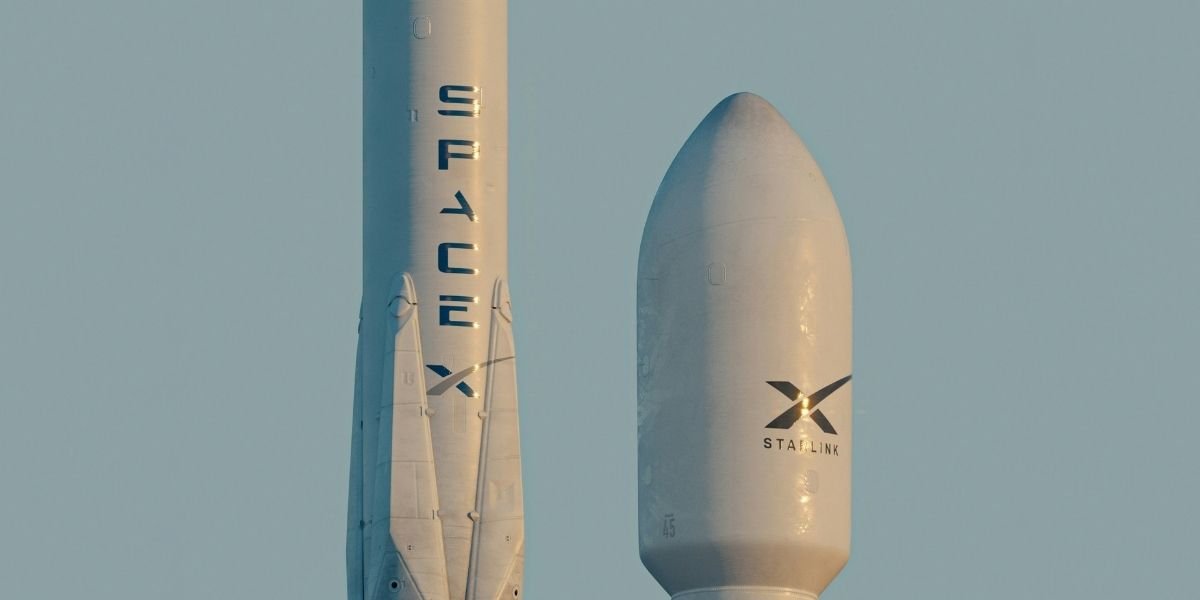
SpaceX has agreed to acquire Grain Management’s nationwide portfolio of wireless spectrum licenses in the 800 MHz frequency band, expanding its plans for Starlink Mobile. The transaction, reportedly valued at approximately $8 billion, would provide access to up to 14 MHz of paired spectrum and support a network combining satellite and terrestrial connectivity.
Announced on October 8, 2026, the agreement remains subject to Federal Communications Commission (FCC) approval and customary closing conditions. The acquisition could strengthen SpaceX’s position in the U.S. wireless market, although commercial deployment details remain limited.
Key Takeaways
- SpaceX has agreed to acquire Grain Management’s nationwide portfolio of licenses in the 800 MHz frequency band
- The portfolio includes up to 14 MHz of paired spectrum, with a reported transaction value of approximately $8 billion
- SpaceX intends to integrate the spectrum into its Starlink Mobile satellite and terrestrial connectivity plans
- The acquisition requires FCC approval before the transfer can be completed
- Commercial deployment, service availability and customer pricing have yet to be confirmed
SpaceX Agrees to Acquire Grain Management’s Wireless Spectrum Portfolio
SpaceX’s agreement with Grain Management represents another step toward expanding Starlink beyond satellite broadband services. The transaction covers the investment firm’s nationwide portfolio of licenses in the 800 MHz frequency band, which SpaceX intends to use for its Starlink Mobile operations.
Grain Management announced the definitive agreement on October 8, confirming that SpaceX would acquire its entire nationwide 800 MHz spectrum portfolio. The transaction remains subject to regulatory review and other standard closing requirements.
The proposed purchase concerns licensed radio frequencies rather than an existing mobile carrier or operating cellular network. Spectrum licenses provide authorization to use designated frequency bands under specific regulatory conditions. Delivering mobile connectivity also requires compatible technology, network architecture and supporting infrastructure.
Grain obtained the spectrum portfolio from T-Mobile in August 2026 through an exchange involving cash and Grain’s 600 MHz spectrum holdings. The subsequent agreement with SpaceX would transfer those assets to a company seeking to expand its role in mobile communications.
SpaceX already operates Starlink, which delivers broadband through satellites in low Earth orbit. Acquiring terrestrial wireless spectrum would provide additional options for extending mobile coverage and improving connectivity in locations where satellite signals encounter physical obstacles.
The agreement establishes a potential expansion of SpaceX’s wireless capabilities. However, ownership of the licenses alone would not establish a fully operational nationwide mobile service.
The Reported $8 Billion Deal Covers the 800 MHz Band
The proposed acquisition has attracted attention partly because of its reported valuation of approximately $8 billion. The figure was reported by The Wall Street Journal, citing people familiar with the transaction. SpaceX and Grain Management did not disclose financial terms in their announcements.
The portfolio includes up to 14 MHz of paired spectrum within the 800 MHz frequency band. This distinction is important because 800 MHz identifies the frequency range, while 14 MHz describes the amount of paired spectrum available under the licenses.
Paired spectrum allows separate frequency blocks to support communication between network equipment and connected devices. The technical characteristics of the frequencies influence how operators design mobile networks and manage available capacity.
Low-band spectrum is particularly relevant to coverage planning because its signals generally travel farther and penetrate buildings more effectively than signals at higher frequencies. These characteristics can make it useful for extending service into locations where connectivity is limited by distance or physical barriers.
However, spectrum holdings do not independently determine network speeds, customer capacity or service reliability. Those outcomes depend on equipment compatibility, network deployment, interference management and the amount of usable spectrum available for specific services.
The reported acquisition price reflects the value associated with obtaining access to scarce wireless frequencies. Its eventual commercial significance will depend on how SpaceX incorporates the licenses into Starlink Mobile and what additional infrastructure is required.
For SpaceX, the portfolio could provide a low-band coverage component alongside its existing satellite communications assets. The acquisition’s economic results will remain uncertain until the company establishes the services and operating arrangements supported by the newly acquired frequencies.
Starlink Mobile Plans Gain Additional Wireless Spectrum Assets
Starlink Mobile is central to SpaceX’s proposed acquisition. The company intends to develop a mobile network combining its satellite constellation with terrestrial infrastructure, using the newly acquired frequencies to complement its existing wireless spectrum holdings.
SpaceX has identified its global 2 GHz mid-band spectrum as a resource for mobile capacity. The 800 MHz licenses would add a lower-frequency coverage layer designed to improve signal penetration through obstacles, including building walls.
This combination could address different connectivity requirements. Satellite infrastructure can extend communications across broad geographic areas, while terrestrial network components may provide additional capacity and coverage in locations where ground-based equipment offers operational advantages.
SpaceX has described plans for an architecture that integrates space-based and terrestrial communications. However, the practical capabilities of that system will depend on regulatory authorization, compatible devices, network engineering and deployment decisions.
Other technology companies are also pursuing satellite-based mobile connectivity. Amazon’s planned acquisition of Globalstar provides another example of satellite assets and wireless spectrum becoming part of broader telecommunications strategies.
The companies are pursuing distinct systems, and their eventual services will depend on different technical specifications and commercial arrangements.
For Starlink Mobile, additional spectrum could help support connections in areas where conventional satellite connectivity encounters limitations. Nevertheless, acquiring the licenses does not establish that all existing smartphones will automatically support the service.
Device compatibility, network standards and commercial agreements will determine which customers can access the resulting network. SpaceX has not confirmed a complete deployment schedule or consumer pricing structure specifically tied to the Grain Management portfolio.
U.S. Telecommunications Companies Face a New Competitive Development
The proposed spectrum acquisition introduces another potential competitive development for U.S. wireless operators. AT&T, Verizon and T-Mobile maintain extensive terrestrial mobile networks, while SpaceX is pursuing a model combining satellite connectivity with ground-based infrastructure.
If the acquisition closes and SpaceX successfully deploys its planned services, Starlink Mobile could provide consumers and businesses with additional connectivity options. The extent of that competition will depend on network coverage, device compatibility, pricing and service reliability.
Access to spectrum is only one component of operating a mobile network. Terrestrial deployments can require antennas, radio equipment, backhaul connections, transmission sites and other infrastructure to support customer communications.
Broader network expansion also depends on manufacturing and equipment supply chains. The expansion of U.S. fiber manufacturing illustrates related activity in digital connectivity infrastructure, although SpaceX has not identified specific suppliers for deployments associated with the proposed spectrum purchase.
For established telecommunications companies, the acquisition raises questions about how satellite-supported mobile services could affect existing customer relationships and coverage strategies.
Conventional mobile networks continue to rely on extensive terrestrial infrastructure, particularly in densely populated locations where network capacity and consistent service are important. Satellite systems can serve complementary connectivity needs, including locations beyond the practical reach of some ground-based networks.
Businesses operating across rural communities, transportation routes and geographically dispersed facilities may eventually have additional options if SpaceX introduces suitable commercial services.
However, the acquisition does not establish that SpaceX will immediately compete across every segment of the U.S. mobile market. Its competitive influence will depend on the services it launches, the geographic areas it serves and the experience those services deliver to customers.
Regulatory Approval Remains Necessary to Complete the Acquisition
The SpaceX spectrum acquisition cannot be completed without the required regulatory approval. Grain Management confirmed that the transaction remains subject to FCC authorization and customary closing conditions.
Wireless spectrum licenses operate under federal rules governing frequency assignments, authorized services and technical requirements. Transfers involving licensed frequencies can require regulatory review to determine whether the proposed changes satisfy applicable conditions.
The commercial agreement between SpaceX and Grain Management establishes the proposed sale but does not independently authorize the transfer of the licenses.
Regulatory approval of the acquisition would also be separate from the technical and operational requirements associated with launching services using the acquired spectrum.
SpaceX may need to complete additional network planning, equipment deployment and compliance procedures before incorporating the frequencies into its mobile operations. Specific requirements will depend on the intended network architecture and the rights attached to the licenses.
The companies have not established a confirmed closing date in their public announcements. The timing will depend on regulatory review and satisfaction of the transaction’s remaining conditions.
Until the transaction closes, the proposed acquisition should be distinguished from completed ownership. Similarly, the intended use of the licenses should be distinguished from an operational service available to customers.
Frequently Asked Questions
What is included in the SpaceX spectrum acquisition?
SpaceX has agreed to acquire Grain Management’s nationwide portfolio of licenses in the 800 MHz frequency band. The portfolio includes up to 14 MHz of paired spectrum intended to support Starlink Mobile’s satellite and terrestrial connectivity plans.
How much is the SpaceX spectrum deal worth?
The transaction is reportedly valued at approximately $8 billion. The figure comes from media reporting based on people familiar with the agreement, while SpaceX and Grain Management have not publicly disclosed the financial terms.
What is the purpose of the spectrum acquisition for Starlink Mobile?
The acquisition is intended to strengthen Starlink Mobile’s wireless capabilities by adding low-band frequencies that can support broader coverage and improved signal penetration through obstacles. The licenses would complement SpaceX’s existing satellite communications resources.
Which company is selling the wireless spectrum licenses to SpaceX?
Grain Management is the seller identified in the definitive agreement. The firm obtained the nationwide 800 MHz spectrum portfolio from T-Mobile in August 2026 before announcing its proposed sale to SpaceX.
Does the SpaceX spectrum acquisition require regulatory approval?
Yes. The transaction requires FCC approval and satisfaction of customary closing conditions. Any future services using the acquired licenses must also comply with applicable technical and regulatory requirements.