Banks and asset managers are applying greater scrutiny to U.S. data center projects as community opposition and permitting concerns affect financing assessments. Major lenders including JPMorgan, Morgan Stanley and Bank of America remain active in the sector while examining project readiness, approvals and local support as part of credit-risk reviews.
Key Takeaways
- Lenders are incorporating community support and permitting status into data center credit assessments.
- JPMorgan, Morgan Stanley and Bank of America continue to finance and advise on data center projects.
- At least 75 U.S. data center projects worth about $130 billion faced local opposition during the first quarter of 2026, according to Data Center Watch.
- Banks conduct technical, environmental, zoning, appraisal and insurance reviews before funding projects.
- Financing agreements can require projects to maintain permits, approvals and compliance throughout construction.
U.S. data center financing is receiving closer scrutiny from banks and asset managers as lenders assess whether projects can secure the approvals and community support required to proceed. The financing review now includes factors beyond the technical and financial characteristics of a proposed facility.
Karen Fang, global head of infrastructure and sustainable finance at Bank of America, said project readiness includes required permitting and approvals as well as community support from people living near a proposed facility. Credit quality remains another central consideration for lenders.
The additional review is relevant because data centers require substantial capital and can take significant time to develop. A financing commitment can therefore expose lenders to delays if a project encounters permitting problems, local resistance or other obstacles before construction is completed.
JPMorgan, Morgan Stanley and Bank of America remain active in the sector. Their involvement reflects continued lender participation in data center development even as financial institutions assess projects more selectively.
Community concerns cited in the financing review include noise, visual impact, electricity consumption and water use. These issues can become part of the assessment surrounding whether a proposed facility has sufficient local support to advance through its approval process.
The infrastructure requirements behind these facilities also have implications for businesses that depend on regional power systems. AI data center electricity costs have become a relevant consideration for manufacturers operating in areas where data center demand places additional pressure on electricity resources.
Permits and Project Readiness Shape Financing Decisions
Permitting has become a central condition for data center project financing because lenders need confidence that construction can legally proceed and remain compliant during development.
Banks conduct extensive due diligence before committing capital. The review can include technical assessments, environmental reviews, zoning analysis, property appraisals and insurance evaluations. These checks are used alongside traditional assessments of the project’s financial strength and the parties involved.
For data center developers, obtaining financing therefore involves more than demonstrating demand for computing capacity. A project must also progress through the relevant approval processes and satisfy requirements established by local authorities and financing partners.
The financing process can continue after a loan agreement is signed. Construction funding may be released through separate drawdowns, with borrowers required to demonstrate compliance with agreed financial covenants and monitoring requirements before additional funds are provided.
Kevin Curtin, head of AI infrastructure investment banking at JPMorgan, said the work required to establish a bank loan for these projects is significant. He also noted that lender oversight continues throughout construction.
That structure places project execution alongside initial underwriting. A development that encounters approval delays after financing has been arranged can create additional work for lenders and developers, particularly when construction schedules and capital deployment depend on regulatory milestones.
Resource requirements can also affect the assessment of proposed facilities. Data center power and water use has become an important consideration for companies and communities evaluating large-scale data center development.
Local Opposition Creates Risks for Major Data Center Projects
Local opposition has affected a significant number of proposed U.S. data center developments. Data Center Watch reported that at least 75 projects valued at approximately $130 billion were blocked or delayed during the first quarter of 2026. The projects represented developments facing resistance between January and March.
The reported opposition has included concerns over electricity demand, water consumption, noise and the physical appearance of large facilities. These issues can affect the approval process and create uncertainty around construction schedules.
For lenders, delays can create a direct financing concern because capital commitments are tied to projects that must reach specified development milestones. A project that does not secure necessary approvals may require additional review or changes to its financing arrangements.
Reuters reported that some projects involving major technology companies have encountered resistance while still progressing through financing. The report also cited a data center project in Virginia that was terminated after local pushback.
The geographic distribution of projects also matters to lenders. Banking executives indicated that financial institutions are paying attention to states and communities that are more receptive to data center construction.
This does not mean lenders have withdrawn from the sector. Instead, community acceptance has become one of several project characteristics considered during due diligence.
The scale of reported opposition gives lenders a concrete reason to examine local conditions before financing. For developers, the approval process can therefore affect not only construction schedules but also the conditions attached to external capital.
Banks Maintain Financing Activity Across U.S. Data Centers

Photo Credit: Unsplash.com
Despite the additional scrutiny, major financial institutions continue to participate in U.S. data center financing. JPMorgan, Morgan Stanley and Bank of America are among the Wall Street firms advising clients and arranging capital for projects in the sector.
Morgan Stanley Chief Financial Officer Sharon Yeshaya said the firm is aware of the risks associated with the sector’s capital requirements and remains involved in helping clients raise, syndicate and underwrite financing.
The continued participation of major banks indicates that project financing remains available for developments that satisfy lenders’ requirements. At the same time, the underwriting process can differ depending on a project’s permits, location, technical characteristics and credit quality.
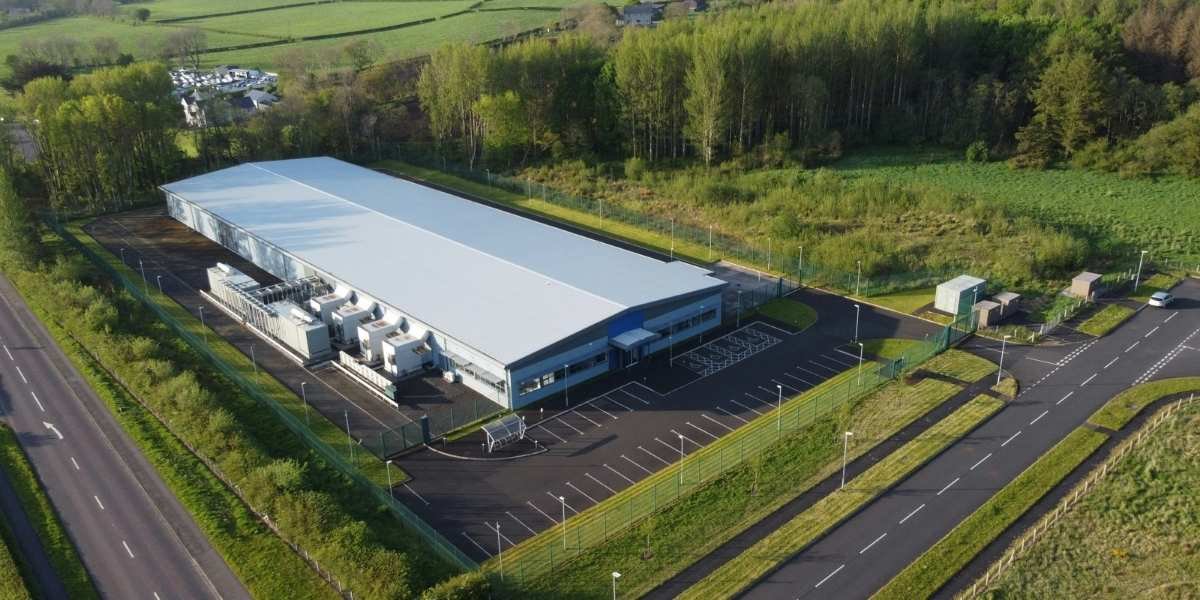
Data centers are used for cloud storage and artificial intelligence computing, making their development dependent on substantial physical infrastructure. That infrastructure can include buildings, electrical systems, cooling equipment and other specialized facilities.
For lenders, these characteristics create a financing profile that requires technical and environmental review alongside conventional financial analysis. The projects can also require substantial capital over extended construction periods.
Community approval adds another consideration to the financing process. A technically viable project can still face delays if local authorities do not approve necessary permits or if community resistance affects the development schedule.
Financial institutions are therefore evaluating both the underlying project and the conditions surrounding its construction. The approach allows lenders to identify potential obstacles before committing capital and to establish requirements for continued financing during construction.
The financing considerations also extend to companies producing components required by data center infrastructure. U.S. chip manufacturing support expands provides context on semiconductor manufacturing capacity supporting computing infrastructure and other technology-dependent industries.
Financing Agreements Address Construction and Cancellation Risks
Data center financing agreements can include conditions designed to protect lenders if a project encounters delays, loses required approvals or fails to meet agreed development standards.
Construction drawdowns can depend on continued compliance with financial covenants and monitoring requirements. This means borrowers may need to demonstrate that the project remains within the conditions established when the financing was arranged before receiving additional capital.
Permits and approvals are particularly important because they determine whether construction can proceed. A project without the required authorizations may not be able to meet the milestones attached to its financing.
Lenders also consider the possibility that a development could be canceled or significantly delayed. The recent increase in projects facing local opposition has made that risk more relevant to due diligence.
The financing review can therefore extend across the entire construction process rather than ending when a loan is initially approved. Technical assessments, environmental requirements, zoning conditions, insurance arrangements and project compliance can remain relevant as construction progresses.
For developers, the structure means financing commitments must be supported by continued execution. For banks, it provides mechanisms for monitoring whether projects remain eligible for additional funding.
The approach also places greater importance on the relationship between developers and local communities before construction begins. Community concerns do not automatically prevent financing, but they can become part of the information lenders use to assess whether a project is ready to proceed.
The reported financing practices show that U.S. data center projects are being evaluated through multiple layers of due diligence, with financial performance, technical feasibility, regulatory approvals and local conditions considered together.
Frequently Asked Questions
How does community opposition affect data center financing?
Community opposition can affect financing assessments by creating uncertainty around permits, approvals and construction schedules. Lenders may examine local support as part of their broader project-risk review.
Which banks finance U.S. data center projects?
JPMorgan, Morgan Stanley and Bank of America are among the major financial institutions involved in advising on and financing U.S. data center projects.
What permits do data center lenders assess?
Lenders assess the permits and approvals required for a project to proceed, alongside zoning, environmental, technical, appraisal and insurance considerations.
How much data center investment faced local opposition?
Data Center Watch reported that at least 75 projects worth approximately $130 billion faced local opposition during the first quarter of 2026.
What risks do lenders assess before financing data centers?
Lenders assess credit quality, project readiness, permitting, technical conditions, environmental issues, zoning, insurance, construction compliance and potential delays.