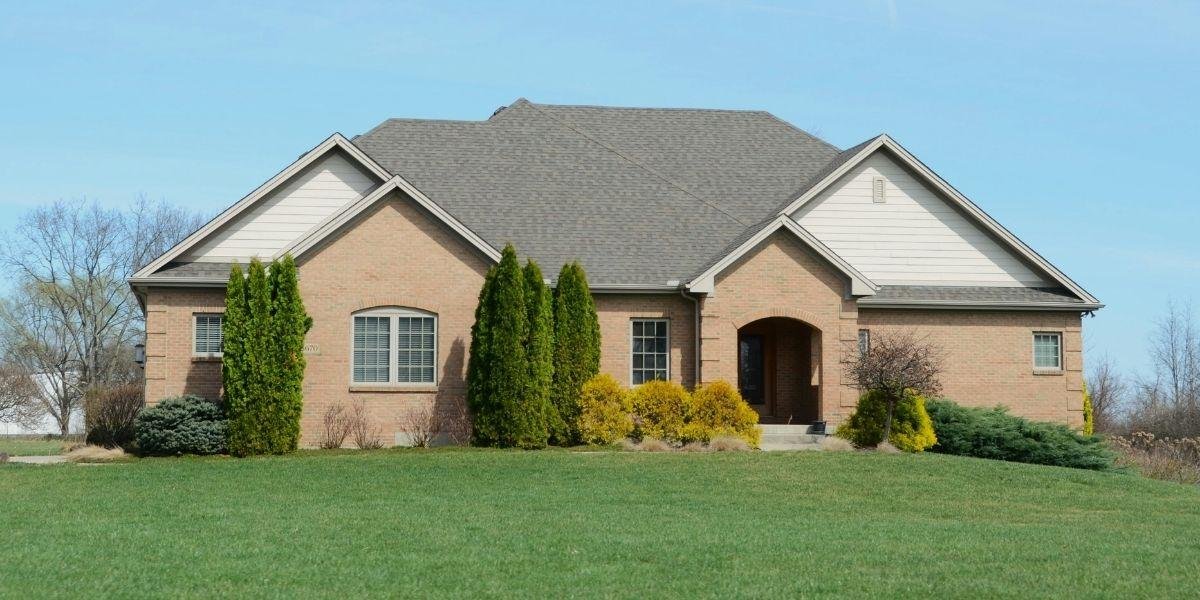
New construction homes almost always come with a higher price tag than existing homes on the market. What surprises many buyers is how quickly that gap can close once the real cost of owning and operating the home is factored in.
Pearl, a national home performance data company, co-sponsored research with realtor.com that dug into exactly this question. According to Tim Stanislaus, Pearl’s SVP of Business Development, the study found that new construction homes cost roughly $25,000 less to operate over a 10-year period compared to similar existing homes. At the same time, the median new construction home cost about $60,000 more to purchase in the first place.
Three Factors Driving the Cost Gap
Stanislaus broke the difference down into three main areas: energy costs, the replacement costs of major systems such as roofs, HVAC units, and hot water heaters, and ongoing monthly maintenance and upkeep. Of the three, energy costs turned out to be the biggest factor.
“The primary driver is the code to which the home was built,” Stanislaus said. Energy codes have changed significantly over the past 15 to 20 years, and a home built to a modern code will typically perform very differently than one built two decades ago, even if the two homes look similar on paper.
Maintenance and replacement costs tend to follow a different pattern. Those costs show up in every home eventually, but new construction pushes them out by 10 to 15 years. Once that window passes, the advantage narrows and the original construction quality and energy efficiency become the bigger factor in long-term costs.
How Quickly the Price Gap Closes
The most notable finding from the research, according to Stanislaus, was how fast that $60,000 upfront premium gets absorbed once total cost of ownership is factored in. In more than half of the markets studied, the price difference is fully recovered through savings within the first 10 years of ownership. In 16 markets, new construction owners actually come out ahead, spending less over 10 years than they would have spent buying and running an existing home.
That means the sticker price difference between new and existing homes does not tell the full story. A more expensive home upfront can still be the better financial decision once energy bills, system replacements, and maintenance are added up over time.
What This Means for Buyers Comparing Homes
For buyers weighing new construction against an existing home, the research suggests it is worth looking past the purchase price alone. Two homes that look identical on paper, same price, same neighborhood, same square footage, can end up costing very different amounts to actually live in, depending on how efficiently each one operates. Pearl’s data is built to help surface exactly that kind of comparison. More detail on how the underlying Pearl SCORE report is put together is available on Pearl’s site.
The takeaway for buyers is simple: run the long-term numbers, not just the purchase price, before deciding between new construction and an existing home.
Pearl is a ratings and standards company who built the national standard for home performance. Pearl SCORE™ rates every single-family home in the U.S. on a 1-to-1,000 point scale across five key elements pillars: Safety, Comfort, Operations, Resilience, and Energy- so buyers, sellers, and real estate professionals can understand how a home performs in daily life.
Disclaimer: This article is based on information provided by the expert source cited above. It is intended for general informational purposes only and does not constitute legal, financial, or real estate advice. Readers should conduct their own research and consult qualified professionals before making any real estate or financial decisions.