By: Curious Fortune Media
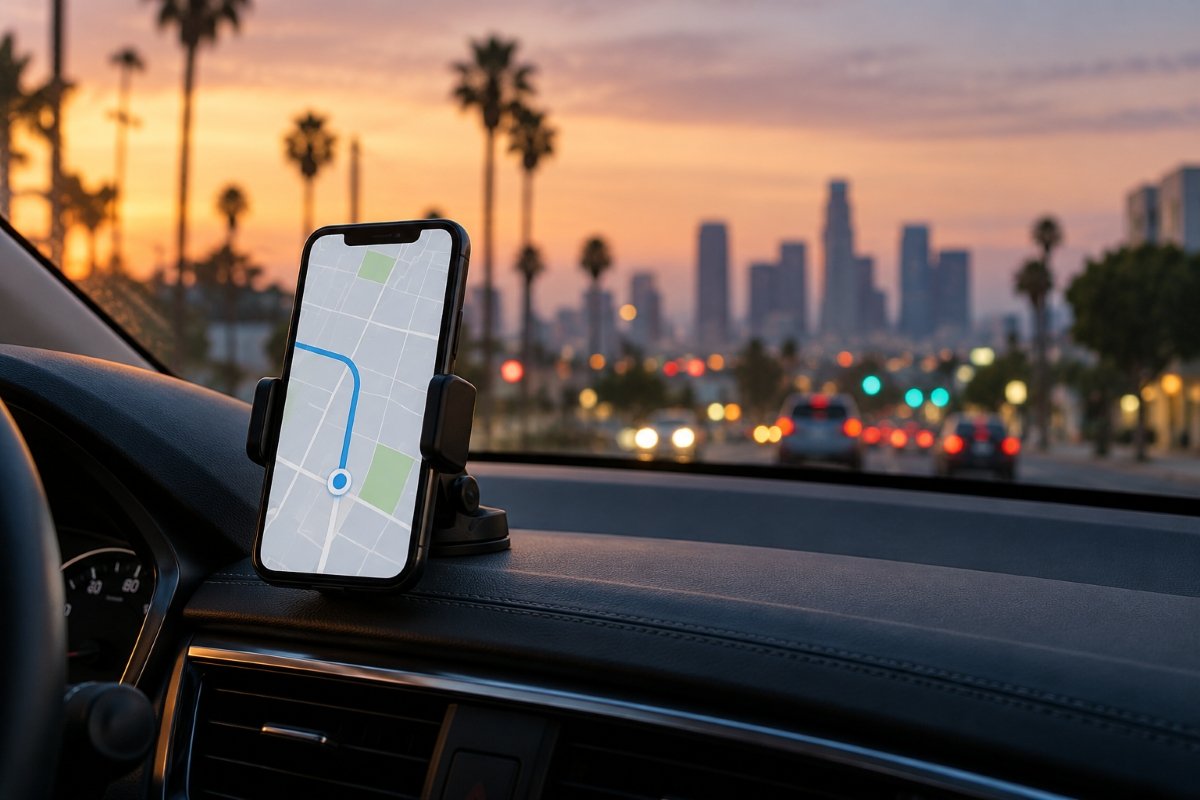
Picture a rideshare driver in Los Angeles finishing a trip on a weekday evening. The app stays open while the driver pulls back into traffic to wait for the next request. A few minutes later, a ride comes in, the driver accepts it, and the car turns toward a pickup. If a collision happens at either moment, the car, the driver, and the street are the same. The rideshare insurance standing behind the claim is not.
That shift is one of the least understood features of gig work. Drivers use their own vehicles, and the coverage attached to those vehicles can change several times in a single shift. George Mkrtchyan, Esq., Managing Attorney of Court House Lawyers in Glendale, California, argues that a California rideshare injury claim often turns less on how the crash happened than on what the driver’s app showed at the moment of impact. That status can decide which insurer answers the claim and how much coverage stands behind it.
How Rideshare Insurance Changes With the App
California treats rideshare companies such as Uber as transportation network companies, and the insurance requirements the California Public Utilities Commission sets for these companies are built around periods of app activity.
When the app is off, the driver is a private motorist. The driver’s personal auto policy generally applies, and the company’s coverage generally does not.
When the app is open and the driver is waiting for a match, the CPUC requires primary coverage of $50,000 per person and $100,000 per incident for injury or death, plus $30,000 for property damage. Excess coverage of at least $200,000 per occurrence sits on top of that.
Once the driver accepts a ride and heads to the pickup, the requirement jumps to $1,000,000 in primary commercial coverage. That figure carries through the trip itself, and while a passenger is in the car, the rules also require uninsured and underinsured motorist coverage. The company can meet these requirements through the driver’s insurance, its own policy, or a combination of both.
The gap between the waiting period and an accepted ride is wide. A few seconds on a phone screen can separate a claim with limited coverage from one backed by a seven-figure commercial policy.
Why the Timestamp Becomes the Dispute
That gap explains why so many rideshare claims start with a disagreement about status rather than fault. Was the app open? Had the driver accepted the ride, or was the request still pending? Was the passenger already inside the car? Each answer can point to a different insurer and a different set of limits.
The person who was hurt rarely holds the records that settle those questions. A passenger may have a trip receipt. Another driver or a pedestrian usually has nothing more than a plate number and a company logo on the windshield. The trip data generally sits with the platform.
“Until the app status is clearly known, it’s hard to have a real discussion about what a rideshare claim is worth,” Mkrtchyan says. “That is usually the first hurdle in these cases, and it often means getting records the injured person may not have direct access to.”
What One Denied Claim Shows
The firm’s own record offers an example. In one rideshare case, the initial response to the claim was no offer at all. After the firm filed suit, the claim settled within 30 days of filing. One result does not predict another, and each claim is evaluated on its own merits. The pattern it illustrates is narrower: in a rideshare claim, the first coverage decision can change once the liability and coverage evidence is documented.
Mkrtchyan’s approach to that kind of file starts with the assumption that a low or zero offer is information, not a conclusion. He prepares cases as though they could go to trial, so the liability picture and the coverage picture are both documented before the negotiation turns on them.
“Insurance negotiations often involve disagreements about the extent of damages and liability,” he admits. “In a rideshare case, there can be a second disagreement on top of those, about which policy is supposed to be in effect.”
The Rules Are Moving
The framework is not standing still. SB 623, signed in June 2026, adds background-check requirements for rideshare drivers and new standards for medical liens in rideshare claims. It applies to covered accidents on or after January 1, 2027, so it is not yet in force. Crashes that happen before then generally fall under the existing rules, and the effect of the new law on individual claims is still being worked out.
Other coverage can also come into play. Depending on the crash, an injured person’s own uninsured or underinsured motorist coverage and medical payments coverage may apply alongside whatever the rideshare policy provides. Timing counts as well. The general deadline to file a personal injury lawsuit in California is 2 years under CCP § 335.1, and claims against a public entity carry a 6-month claim deadline under Gov. Code § 911.2.
What Drivers and Riders Can Take From It
For drivers, the lesson is that their insurance position is a moving target across a shift. Knowing which period they were in when something happened is part of protecting themselves. For riders and for anyone struck by a rideshare vehicle, the lesson is that the first coverage decision is rarely the last word. Notes, screenshots and receipts made at the scene can help establish the app status later.
Insider Weekly recognized Court House Lawyers as the “Best Personal Injury Lawyer in Los Angeles” in 2025, and Mkrtchyan’s practice in Glendale covers rideshare, car accident and other injury claims across Los Angeles County. His view of rideshare cases comes back to a single variable that most riders never think about when they tap a button on their phone.
The driver pulling back into traffic after a drop-off does not feel any different from one heading to a pickup. The insurance does. In a rideshare crash, the most consequential fact may be the one that lived on a screen for only a few seconds.
Disclaimer: This article is for informational purposes only and does not constitute legal advice. Insurance coverage, liability, and legal requirements may vary depending on the circumstances of each case, applicable laws, and individual insurance policies. Readers are encouraged to consult a qualified attorney or insurance professional for guidance regarding their specific situation.