
By Dr. Tamara Patzer
Key Takeaways
- Pew Research Center tracked the browsing of 900 U.S. adults in March 2025 and found that 18 percent of their Google searches produced an AI summary.
- Visitors who saw a summary clicked a regular result link in 8 percent of visits. Visitors who did not see one clicked in 15 percent.
- Links inside the summaries themselves drew clicks in 1 percent of visits.
- Searches phrased as questions produced a summary 60 percent of the time.
- Google says clicks from results pages with AI Overviews tend to be higher quality, with visitors spending more time on the site.
Picture the owner of a three-truck landscaping company on a Sunday night. She types a question into Google: how much mulch does a quarter-acre bed need? A short summary appears above everything else. It gives her the answer. She never scrolls down to the mulch supplier’s page, the one with the calculator the supplier spent a month building.
That small moment, repeated millions of times, is what a Pew Research Center study set out to measure.
What Did Pew Actually Measure?
Pew Research Center, a nonpartisan research group in Washington, published its findings July 22, 2025. Researchers analyzed the online browsing of 900 U.S. adults who agreed to share their activity. The data covered March 2025 and included 68,879 unique Google searches.
About 58 percent of the participants ran at least one search that produced an AI summary that month. Across all searches in the study, 18 percent produced one. The typical summary was 67 words long, though the shortest ran seven words and the longest 369.
Did People Click Less?

They did. Pew reported that visitors who saw an AI summary clicked on a traditional search result in 8 percent of visits. Those who did not see a summary clicked in 15 percent of visits, nearly twice as often.
Clicks on the links inside the summary were rarer still, at 1 percent of visits. And 26 percent of pages with a summary ended the browsing session, compared with 16 percent of pages with only traditional results.
Which Searches Trigger A Summary?
Questions do. Pew found that 60 percent of searches beginning with words such as “who,” “what,” “when,” or “why” produced a summary.
Pew also looked at where the summaries pointed. Wikipedia, YouTube and Reddit together made up 15 percent of the sources listed in summaries and 17 percent in standard results. Government websites ending in .gov made up 6 percent of the links in summaries, compared with 2 percent in standard results.
How Firm Are These Numbers?
The sample is 900 people, and the figures describe one month, March 2025. Google’s summaries change over time, and Pew noted that the results reflect how searches appeared when they were collected. Pew conducted the study itself and sells no search tools. A reader running a business may want to compare these figures with the traffic reports for their own site.
What Does Google Say About Clicks?
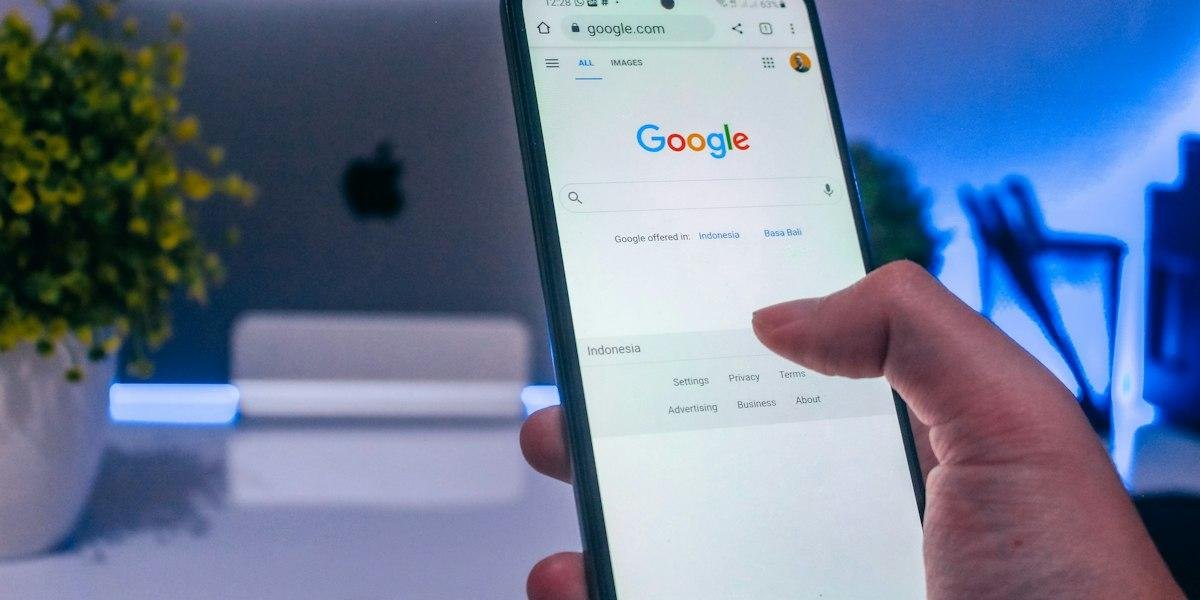
Google’s documentation for site owners says sites that appear in AI Overviews and AI Mode are counted in the overall search traffic reported in Search Console. The company also says clicks from results pages with AI Overviews tend to be higher quality, meaning visitors are more likely to spend time on the site. It suggests tracking conversions and time on site in analytics tools rather than watching click totals alone.
Google also states that there are no extra requirements to appear in AI Overviews or AI Mode beyond being indexed and eligible to appear in Search with a snippet.
What Can A Small Business Owner Take From This?
Pew’s numbers describe a change in how people use search, not a verdict on any one website. They suggest that questions are where summaries appear most, and that the pages most likely to earn a visit are the ones that give a reader something a short summary cannot, such as a calculator, a photo gallery, a local price list, or a person’s name and phone number.
Back at the landscaping company, the owner got her mulch answer in seconds. The supplier’s calculator still has a job to do for the next customer, the one who needs the quote.
Dr. Tamara Patzer is a former newspaper editor who writes Authority Answer, a newsletter that tracks changes in AI search.
Sources: Pew Research Center, “Google users are less likely to click on links when an AI summary appears in the results,” July 22, 2025. Google Search Central, “AI features and your website”.