By: One World Publishing
As Massachusetts winter approaches, master plumber Stan Maciel of XStream Plumbing & Heating explains why baseboard heating zones can fail, what warning signs homeowners should watch for, and why early maintenance matters.
It’s a complaint the crews at XStream Plumbing & Heating hear every winter: one bedroom sits at 60 degrees while the rest of the house is comfortable at 74. For many Woburn homeowners, it’s an annoyance they pile blankets against and promise to deal with later. According to founder and master plumber Stan Maciel, delaying an inspection can allow a relatively minor heating issue to develop into a more serious problem during the coldest months of the year.
“A baseboard zone that used to warm a room in twenty minutes and now takes an hour is already failing,” Maciel said. “People think a cold room is just how their house is. It isn’t. It’s the system telling you something in that loop needs attention, and it only gets worse under the stress of a New England winter.”
As temperatures across Middlesex County begin dropping toward freezing, Maciel shared what may be happening inside underperforming baseboard heating systems and what homeowners should consider before deep winter arrives.
Understanding Why One Heating Zone Stops Working
It may be the zone, not the boiler. Uneven heating, such as a warm first floor and a cold back bedroom, can point to a zone valve that is stuck or trapped air restricting water circulation through a section of baseboard piping. In these situations, the boiler may still be functioning, but heated water is not circulating properly through the affected loop.
Hydronic baseboard heating systems operate by circulating heated water through pipes and metal heating elements positioned along the walls. As heat transfers into the surrounding air, the room gradually warms. When circulation is interrupted, individual rooms or zones may remain noticeably cooler than others.
Depending on the underlying cause, repairs may involve removing trapped air, replacing a malfunctioning zone valve, or addressing a circulation problem. However, the appropriate repair and the time required depend on the system’s condition and configuration.
Why Older Woburn Homes May Experience Uneven Heating
Mid-century homes can present additional challenges. Many Woburn houses, especially split-levels and ranches built during the mid-20th century, have hydronic baseboard heating systems that may contain older piping or components.
Over time, sediment accumulation, corrosion, and aging circulator pumps can affect heating performance. In some cases, individual zones begin operating less efficiently before the entire system experiences a noticeable problem.
“We see the same pattern across these neighborhoods,” Maciel noted. “The system isn’t beyond saving; it just needs someone to trace the full loop and find the real problem, not just the obvious cold room.”
While older heating equipment may require additional attention, the age of a home alone does not determine whether a system needs repair or replacement. A professional inspection can help identify whether the issue is isolated to one component or involves a larger section of the heating system.
Warning Signs Homeowners Should Not Ignore
The warning signs can be easy to miss. A room that takes considerably longer to warm than it once did, baseboards that remain cool while the thermostat calls for heat, knocking or gurgling sounds in the pipes, or moisture near a baseboard element can indicate a need for inspection.
Homeowners may also notice that adjusting the thermostat produces little improvement in the affected room, even though other areas of the house continue heating normally.
Before requesting service, homeowners can check thermostat settings and make sure furniture or other household items are not obstructing airflow around the baseboards. Persistent cold spots, unusual noises, and visible leaks warrant further evaluation.
Diagnosing the Problem Before Deep Winter
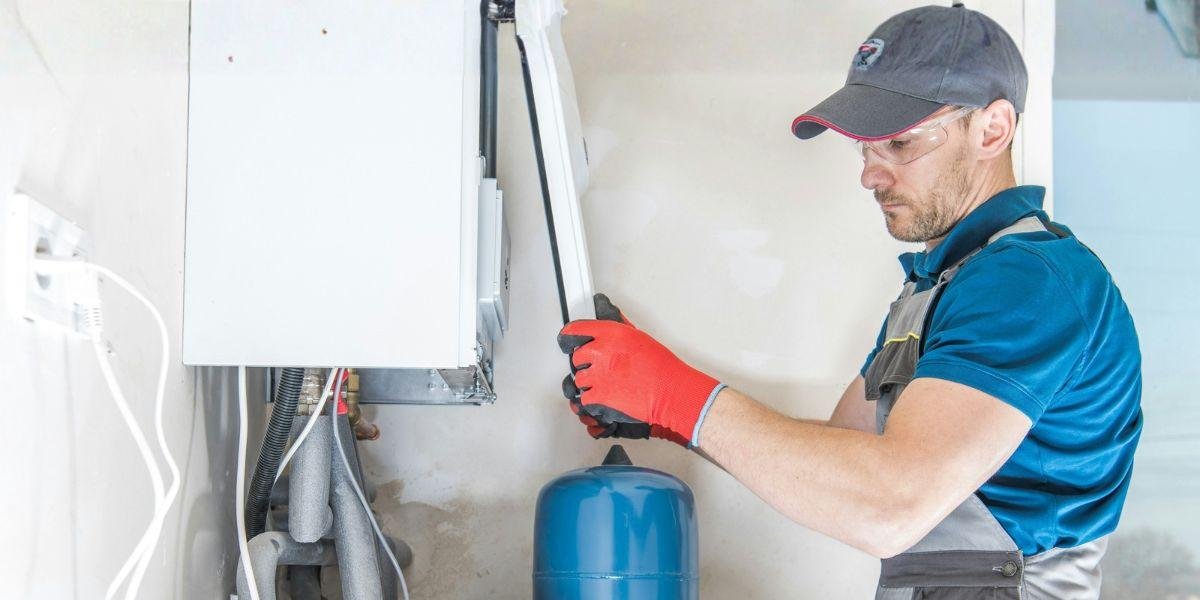
Maciel’s crews approach these concerns by starting at the thermostat and zone valve, then examining the heating loop. Their diagnostic process may include inspecting baseboard fins, checking supply and return lines, identifying trapped air, and testing circulator pump operation.
This systematic approach helps determine whether the problem involves water circulation, heating controls, or another component rather than relying solely on the location of the coldest room.
Addressing recurring heating problems before prolonged periods of freezing weather may also give homeowners greater flexibility to schedule repairs and reduce the likelihood of discovering a malfunction during periods of high heating demand.
XStream Plumbing & Heating provides scheduled and emergency plumbing and heating services in Woburn and surrounding Middlesex County communities.
For homeowners experiencing uneven indoor temperatures, identifying the source of the problem early can help restore consistent heating and provide a clearer understanding of the system’s overall condition.
About XStream Plumbing & Heating
XStream Plumbing & Heating is a locally owned, 24/7 plumbing, heating, and drain company based at 66 S Bedford St in Woburn, Massachusetts, serving communities across Middlesex and Essex counties. Led by master plumber Stan Maciel, the company handles emergency and scheduled work throughout Greater Boston, including baseboard heat repair for Woburn-area homes. Reach the team at (857) 928-2611.