The Saudi medical education base has gradually expanded since the latter part of the 20th century, fueled by the growth of general universities and foreign educational options, followed by efforts to indigenize academic instruction across various fields. In areas of medicine, for instance, urology, there was a need for external expertise, but also a growing need for permanent faculty members to establish academic structures and mentor students. Increasingly, universities turned to clinician-educators who could handle research, teaching, and medical practices. It was within this context that academic success reflected both institutional confidence and Saudi Arabia’s development.
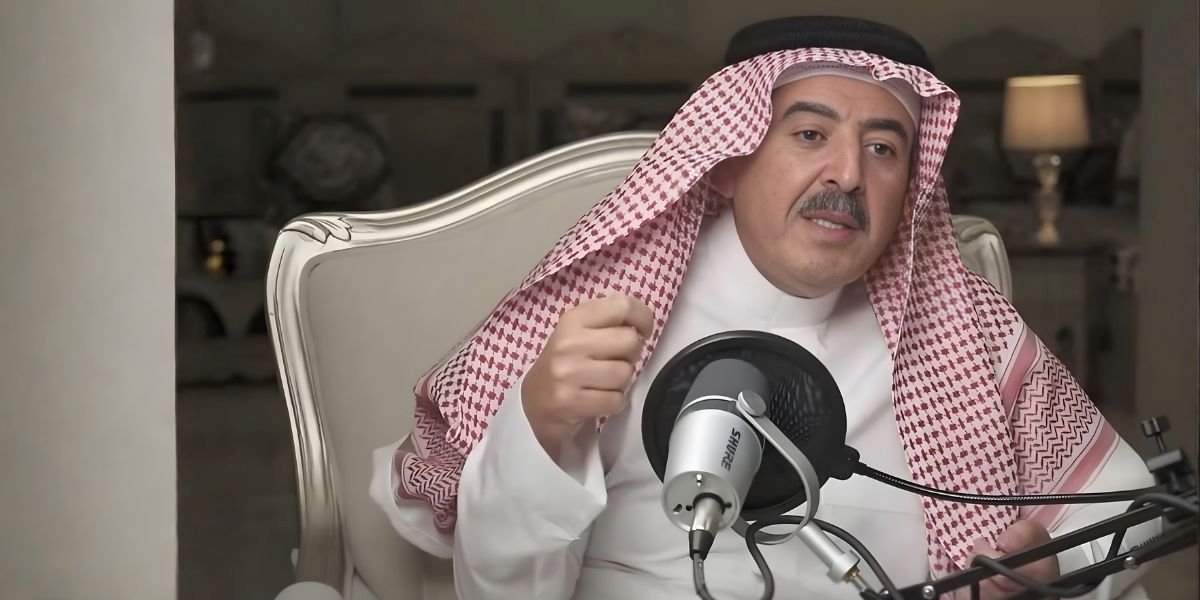
Then came the likes of Said Kattan. He represents a generation of Saudi doctors who received training abroad and returned to anchor their careers. His trajectory is representative of an era when Saudi medical schools were slowly shifting their focus from external faculty to in-house, stable departments. They shifted from just treating patients to more organized education, post-graduation programs, and expertise development. This is especially true in the field of urology and andrology, where training programs were somewhat limited in the early 1990s.
Kattan began working at King Saud University as an assistant professor of urology in 1990, following his residency and fellowship training in Canada. This was at a time when the college was expanding its specialized colleges due to rising student numbers. It was during this period that Kattan also got promoted to the position of associate professor. He then became a professor of urology in 2001, a position he has held since then.
In the university setting, Kattan’s focus was on undergraduate and postgraduate teaching in medicine, as well as on residency and program development for urology and andrology subjects. His role as a lecturer extended beyond classroom teaching to practical work in the hospital setting, reflecting the Saudi model, in which lecturers can also be found working in hospital facilities. Eventually, this became a characteristic aspect of teaching urology at King Saud University.
Notable milestones were achieved when the Professor Said Kattan Award had its first recipients chosen and announced at King Saud University in 2015. This award aims to honor the contributions to research made to the institution. This recognition acknowledges an academic’s contribution to the institution, not their popularity. These awards were usually given in the name of the faculty members who had been responsible for supervising research and for building the department for several years.
His influence extended to other training activities, aligning with university objectives as well. In 1990, the year he joined King Saud, he opened Saudi Arabia’s first andrology clinic, located in King Khaled Hospital, part of the university’s medical complex. Even though it was clinical, the facility operated as an educational site where medical students and residents would have access to male reproductive health care.
Throughout his years as a professor, Kattan has supervised residents and fellows whom he has trained in their early career endeavors in Saudi Arabia. Professors at his rank are involved in various activities, including examination committees, directing thesis work, and reviewing study curricula. Depending on his rank, specific numbers are hard to come by; however, King Saud University is one of the largest in the region, admitting many students annually. Senior professors are vital in maintaining academic standards.
His work with various national societies further solidified his position in the field. Also, from 2017 through 2020, he served as Chairman of the Andrology Group at the Saudi Urological Association, which maintains close ties with academic departments through conference attendance, workshops, and the development of guidelines. This type of work can involve coordination with universities and societies, facilitating integration of curricula with current clinical standards. This illustrates academic faculty’s involvement in education outside their institution.
Research is also an important aspect of Kattan’s academic work, contributing to his teaching by publishing studies and trials on various topics. These included bladder cancer, erectile dysfunction, varicocele management, and infertility in males. These are some of the issues that are typically included in postgraduate courses. In academia, publication and faculty promotion are closely related, especially in surgical departments, as advances in evidence-based practice have made them more closely connected. Over thirty years at King Saud University mark Kattan’s service, and this is the epitome of a model career for those in higher positions in the field of medicine in the Saudi Arabian environment during the period of institutional establishment and development.
The trajectory from lecturer through the professorial grades, with participation in training courses and professional societies, is the hallmark of faculty development. His activity is strictly academic. Against this background, Said Kattan represents a notable example of enduring commitment to academics in the Saudi medical education system, which was shaped by progress, service, and involvement in urology training in the early years of university-based urology programs.