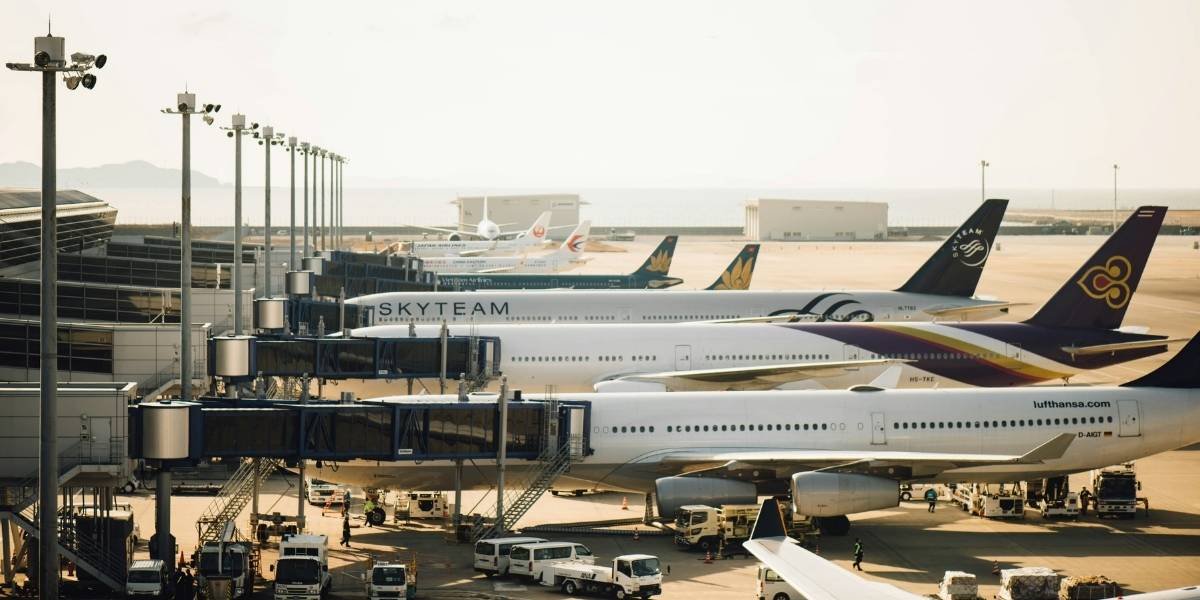
Airline revenue has shown positive signs for U.S. carriers, with major companies such as Delta Air Lines and American Airlines updating their first-quarter 2026 revenue projections. Although challenges remain, including rising fuel prices, both companies are seeing stronger-than-expected performance driven by consistent demand in both leisure and corporate travel. This trend highlights the sector’s ability to adapt and maintain a relatively stable outlook despite external pressures.
Strong Travel Demand Propels Airline Revenue Forecast Increases
Delta and American Airlines have adjusted their airline revenue forecasts upwards for the first quarter of 2026. Both companies report that demand across leisure and corporate travel segments has been notably strong. Early bookings for the spring and summer months have exceeded previous expectations, with particular strength in premium cabin services. These high-yield segments are contributing positively to overall revenue growth, helping to offset the impact of rising fuel costs.
While rising operational costs, especially jet fuel, remain a concern for airlines, the increase in fares, driven by higher demand, has allowed these carriers to maintain solid revenue forecasts. In particular, the trend of travelers paying more for premium services appears to have bolstered airline revenue expectations. Analysts have noted that this pricing power is helping to mitigate the impact of fuel price fluctuations, providing airlines with a cushion as they navigate economic uncertainty.
Rising Fuel Prices Put Pressure on Airline Profit Margins
Fuel costs, which constitute a significant portion of airline operating expenses, have surged in recent months, driven by volatility in global energy markets and geopolitical factors. These increases in jet fuel prices have created additional operational challenges for airlines, pressuring their profit margins and contributing to higher overall expenses.
However, despite these challenges, airlines are responding strategically. Delta and American Airlines have implemented adjustments to flight schedules and increased the use of fuel-efficient aircraft to reduce the impact of rising fuel prices. By focusing on improving operational efficiency, these airlines are working to manage fuel costs while maintaining their ability to meet strong demand.
While the higher fuel prices present a challenge, both airlines have shown flexibility in their approach to mitigating the effects. The adjustment of schedules and fleet upgrades reflects their efforts to maintain service levels while minimizing fuel consumption, which should help protect overall profitability. This combination of strategic planning and strong demand has helped these carriers manage rising fuel costs more effectively than might have been expected under such circumstances.
Financial Markets Respond to Airline Revenue Forecast Revisions
Following the announcement of updated revenue projections, airline revenue growth has been positively reflected in the stock market, with shares of Delta and American Airlines seeing gains. Investors have interpreted these adjustments as an indication that airlines are navigating rising costs effectively, thanks to sustained demand and solid operational management.
The revisions to revenue expectations have highlighted the role that premium travel segments play in boosting overall airline revenue. With passengers willing to pay higher fares for premium services, airlines have been able to offset some of the additional operating expenses, even in the face of rising fuel costs. The fact that airlines can maintain strong outlooks despite these pressures has reinforced investor confidence in the industry’s ability to weather potential challenges.
These positive market reactions also underline the broader view that, while fuel price volatility and economic uncertainty remain ongoing concerns, airlines appear to be well-positioned to manage these risks through a combination of strong demand and effective cost-control strategies.
Corporate Travel Shows Continued Recovery
Corporate travel, which had been slower to recover after the pandemic, has been showing signs of improvement in recent months. Both Delta and American Airlines report that business travel demand has gradually increased, contributing to their positive revenue outlooks. While leisure travel remains the dominant force driving airline revenue, the recovery of corporate travel provides a more diversified revenue stream, adding stability to airlines’ financial outlooks.
The recovery in corporate travel, though not as rapid as leisure travel, represents a promising trend for airlines. Business travel traditionally accounts for a significant portion of airline revenue, and its gradual rebound signals a return to normalcy in the broader economy. As more companies resume travel for meetings, conferences, and business operations, this will likely continue to contribute positively to the airlines’ bottom lines in the coming months.
However, while corporate travel has made progress, it is important to note that it still lags behind pre-pandemic levels, and there may still be some uncertainty surrounding the pace of full recovery in this segment. Despite this, airlines have adapted by focusing on flexible pricing and services to accommodate the varying needs of corporate travelers, helping to ensure that this segment continues to provide meaningful contributions to overall airline revenue.
Airline Revenue Forecasts Reflect Industry Resilience
The upward revision of airline revenue projections for the first quarter of 2026 reflects a broader trend of resilience within the U.S. airline industry. Despite the challenges posed by rising fuel prices and global uncertainties, airlines have demonstrated their ability to adapt by managing costs and capitalizing on strong demand. The success of airlines like Delta and American Airlines in navigating these pressures reflects the broader strength of the sector.
Airlines have emphasized their focus on capacity management, flexible scheduling, and premium service offerings as key strategies to ensure that they can continue generating strong revenue, even in a challenging environment. These operational strategies, combined with ongoing consumer demand, have positioned U.S. airlines to maintain stable revenue growth in the coming months, despite external headwinds.
As the airline industry faces continued uncertainty, these developments suggest that carriers are adjusting to current challenges and positioning themselves for sustained growth. By maintaining flexibility and focusing on high-yield segments like premium travel, U.S. airlines are demonstrating their ability to manage risk and maintain profitability, even as fuel costs rise.
Broader Implications for the Travel Industry
The positive revisions to airline revenue forecasts have broader implications for other sectors within the travel ecosystem. Strong airline demand is expected to positively impact hotels, rental car companies, and other travel services. The continued strength of air travel should help support the recovery of these related industries, as both leisure and business travelers continue to book trips and stay at hotels.
However, corporate travel managers may face challenges in managing increased travel needs alongside rising costs. As airlines adjust their pricing models to reflect higher fuel costs, businesses will need to assess their travel budgets and policies to accommodate these changes. Corporate travelers may also need to adjust to higher fares and reduced flexibility in some cases, which could impact overall corporate travel strategies.
At the same time, airlines’ ongoing emphasis on premium services and high-yield travel segments suggests that the broader travel and hospitality industries may see increased competition. Providers will need to adjust to evolving consumer preferences and demand for higher-end services as airlines continue to focus on maximizing revenue from premium