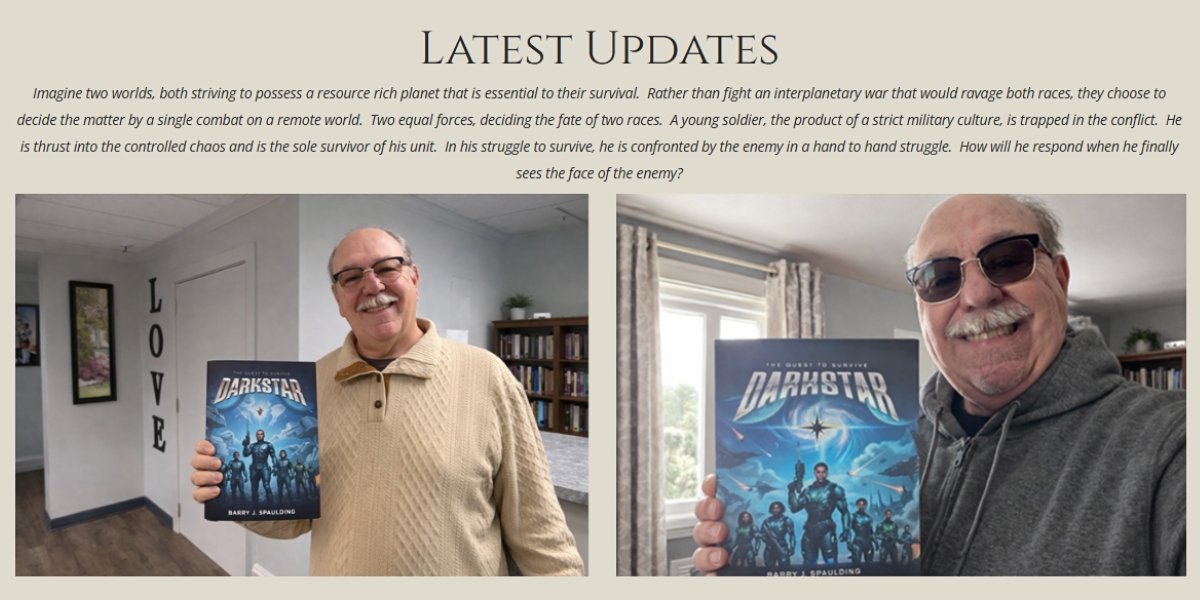
Barry Spaulding’s writing draws from a life of service, discipline, and reflection, transforming personal experience into fiction that explores survival, conscience, and the human truths hidden beneath the spectacle of war.
A Late-Blooming Author with a Lifetime of Stories to Share
Some writers spend years chasing the right story. Barry Spaulding did the opposite. He spent a lifetime collecting them.
Before stepping into publishing, Spaulding had already lived through the kind of experiences that shape a writer’s voice at its deepest level. He grew up in a military family, began writing as a teenager, served in the U.S. Army, then built a long career in federal law enforcement before retiring and finally bringing his fiction into print.
That journey gives his work a perspective that feels earned rather than imagined. In his own words, writing had always been part of his life, but it was only later that he decided to turn those years of accumulated stories into published books.
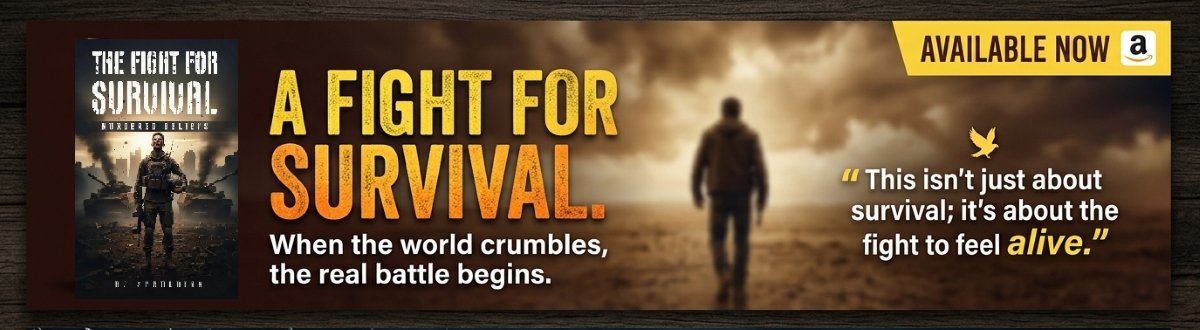
That lived experience is especially visible in his book The Fight for Survival, which uses science fiction as its setting but human conflict as its true subject. From its opening pages, the work places readers inside a shattered battlefield where survival is immediate, brutal, and painfully personal. The result is not escapist fantasy. It is a war story in futuristic form, shaped by someone who understands the discipline, fear, and moral exhaustion that conflict leaves behind.
https://authorbarryspaulding.com/
https://www.amazon.com/Fight-Survival-BJ-Spaulding/dp/1971230200/ref=tmm_pap_swatch_0
A Battlefield Story with Human Stakes
At the center of The Fight for Survival is a lone soldier trying to stay alive after a devastating attack leaves his unit destroyed and the battlefield in ruins. The story moves with urgency, but what makes it compelling is not only its action. It is the emotional and ethical weight underneath that action.
Spaulding does not romanticize combat. His soldier is trained, efficient, and determined, yet the story keeps returning to the physical and emotional cost of violence. The battlefield is filled with wreckage, dead comrades, broken command structures, and the creeping realization that victory can feel hollow when so much humanity has already been lost.
That approach aligns closely with what Spaulding said in his interview about war. He makes clear that killing, whether in close combat or from a distance, is still killing, and that fiction should not sanitize the brutality behind it. His view is not sensational. It is moral. He wants readers to feel the truth of conflict rather than consume a polished version of it.
When Survival Becomes Moral Reckoning
What elevates the book beyond straightforward military science fiction is the way it gradually shifts from combat narrative to moral confrontation. As the soldier hunts the enemy through wreckage, storm, and chaos, the story begins to ask larger questions. What is war really doing to the people inside it. What remains of honor when survival becomes instinct. And what happens when the enemy is no longer an abstract threat, but a human being standing within reach.
The story’s most powerful turn comes when the violence stops being anonymous. In that moment, it reframes everything that came before it. The battlefield is no longer just a place of tactics and endurance. It becomes a place of recognition, grief, and irreversible understanding. That final shift gives the story its emotional force and leaves the reader with something more lasting than spectacle.
Spaulding’s interview helps explain why that turn feels so deliberate. He often speaks about the line between duty and dehumanization, and about the importance of knowing not only when force is justified, but also when humanity must remain intact. He frames war as the failure of diplomacy, not the celebration of violence.
Experience Legacy and the Discipline to Keep Writing
One of the most compelling aspects of Barry Spaulding’s story is that his writing career is not presented as a reinvention. It feels more like a release. After decades of service, discipline, and responsibility, he returned to the stories he had been carrying for years and began publishing them with urgency and purpose.
He has spoken openly about reaching this stage of life and deciding it was finally time to do something real with the material he had written over the years.
That late-life momentum gives his work a distinctive tone. There is no sense of trend chasing in it. Instead, there is conviction. He writes science fiction, spiritual reflection, and even children’s stories with the same desire to entertain, provoke thought, and leave something meaningful behind for his family and readers. He has said that if he could speak to his younger self, his advice would be simple. Keep writing.
A Voice That Reaches Beyond Genre
For readers and platforms seeking more than a standard author profile, Barry Spaulding offers a compelling blend of experience, craft, and perspective. His work speaks to genre readers, but it also speaks to anyone interested in resilience, conscience, and the way personal history shapes creative expression.
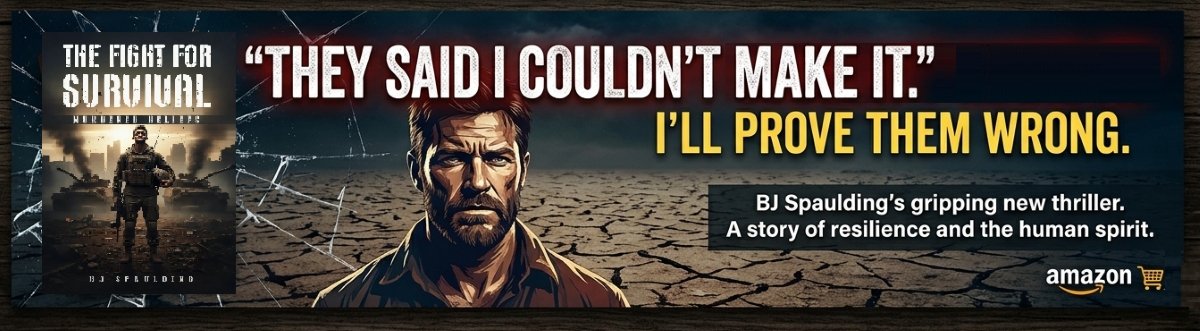
In The Fight for Survival, he uses the language of science fiction to explore something timeless. War may be futuristic in form, but its deepest wounds remain human. That is what gives the book its resonance and what makes Barry Spaulding an author worth watching. He is not simply writing about survival on the page. He is writing about the cost of keeping one’s humanity when survival is all that remains.