By: Kate Sarmiento
The price tag on a grass-finished steak starts an argument at a lot of dinner tables, and the argument usually ends with somebody asking what the extra money pays for. Foxhollow Farm, a 1,300-acre Demeter Certified Biodynamic farm in Crestwood, Kentucky, has been building a regenerative beef business for about 20 years, ever since the farm brought cattle back to the land in 2006.
Shoppers who see the word regenerative on a package deserve a straight answer about what it takes to farm that way, including what it costs and where the limits are. Regenerative farming means managing land and animals in ways that rebuild soil health over time, and that work can take years before the results show up on a balance sheet.
The timing for that answer is good. The 2018 farm bill expired on September 30, 2026, and the U.S. Department of Agriculture stopped approving new Conservation Reserve Program contracts, which pay landowners to take land out of crop production and protect it, until Congress acts (Source: DTN, 2026). Farmers make pasture and herd decisions that play out over many years, and right now they are making them while Washington works in short extensions.
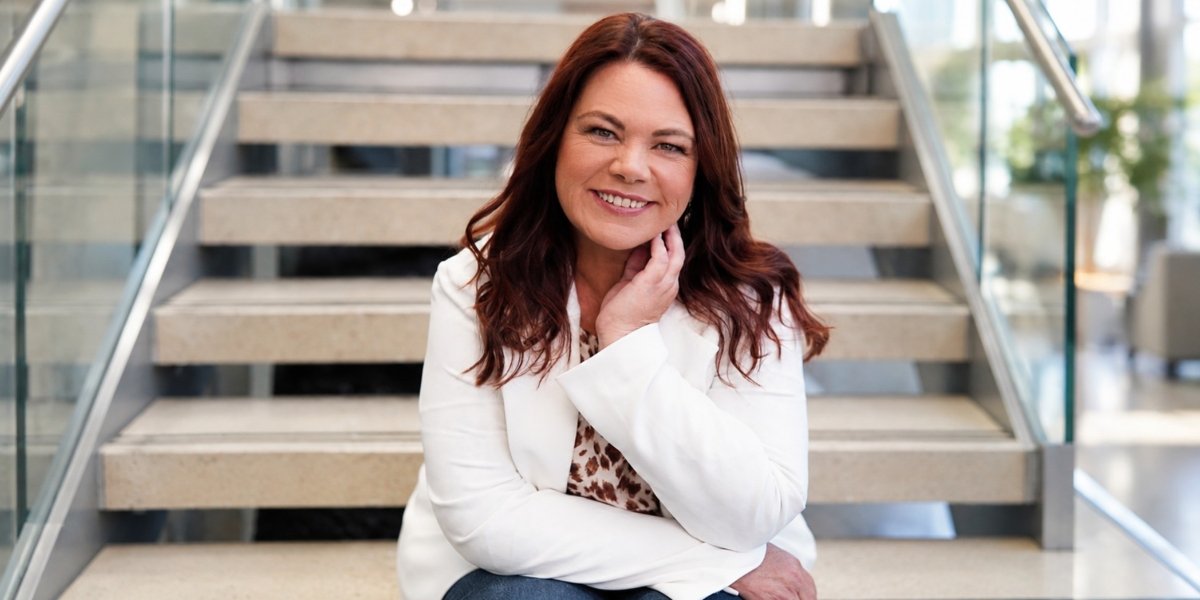
Maggie Keith is the fourth-generation steward, co-founder, and CEO of Foxhollow Farm, and her work involves decisions about land and animals that play out over years. The sections below follow those decisions through land care, animal care, production, and distribution, and then look at how a regional farm explains the value of its approach to customers.
Grass Grows Slowly, and the Bills Arrive Quickly
Regenerative farming asks for money first and results later. A pasture rebuilds over several seasons, and the herd grazing it needs steady attention that whole time, so the bills show up well before any results do. Foxhollow holds three certifications, Demeter Biodynamic, Regenified Level 5, and American Grassfed Association, and each one comes with written standards the farm has to meet.
Soil health practices have a solid track record on the money side, at least for row crops. Across 100 corn and soybean farms that had used them for at least five years, net income rose for 85 percent of corn growers and 88 percent of soybean growers, an average of about $52 more per acre for corn and $45 more for soybeans (Source: Soil Health Institute, 2021). Cattle operations cannot borrow those numbers directly, and the five-year minimum is a good reminder that none of this happens fast.
The same study found that soil health practices lowered the cost of growing corn by $24 per acre and soybeans by $17 per acre on average (Source: Soil Health Institute, 2021). Part of the payback from building soil, in other words, comes from smaller production bills.
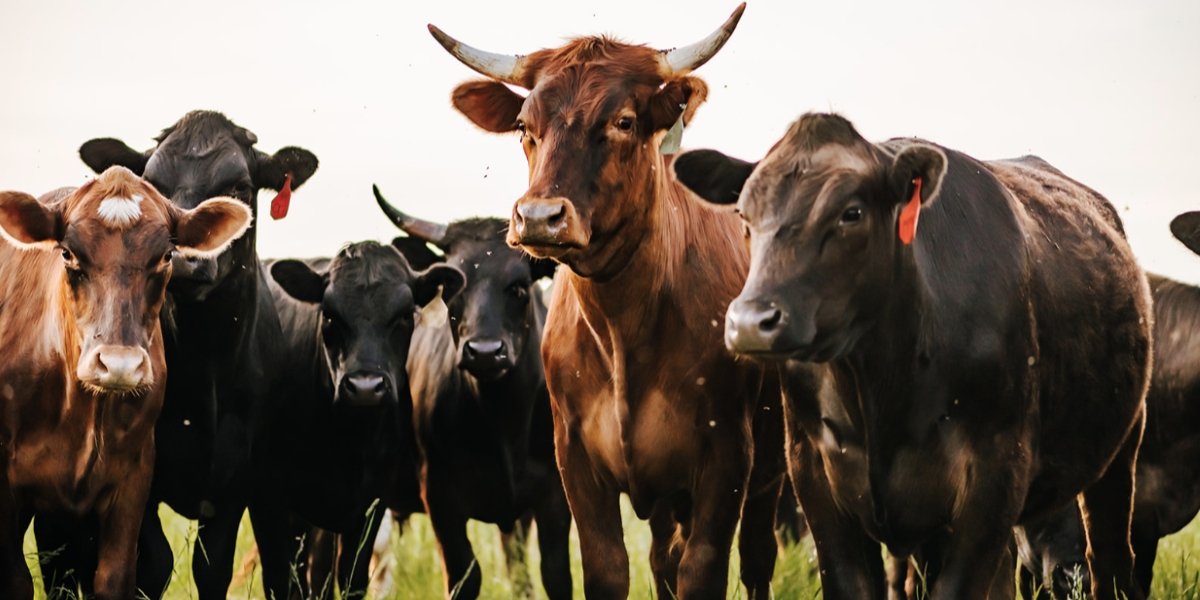
Cattle add a timeline of their own. A Minnesota grass-fed project tested an earlier assumption that put grass-fed cattle at about 22 months and 1,100 pounds at harvest and feedlot cattle at about 17 months and 1,400 pounds (Source: SARE, 2016). Farmers in that project finished some animals on grass at about 17 months or sooner, which shows that forage quality and genetics matter a great deal (Source: SARE, 2016). Each extra month adds pasture, fence, water, and labor costs before there is any beef to sell, and Foxhollow carries those costs along with a payroll for 10 employees.
Cattle also matter at a much larger scale. Farms that specialize in beef cattle used 40 percent of U.S. farmland in 2022, more than any other type of farm, so grazing decisions touch a large share of the country’s land (Source: USDA National Agricultural Statistics Service, 2024).
Four Companies, One Cooler, and a Shipping Zone Map
Raising the animal is only part of the job, because beef also has to be processed, packaged, stored, and delivered. Four companies control nearly 85 percent of the U.S. beef processing market, and the U.S. cattle herd is at a 75-year low (Source: USDA, 2026).
In response, USDA announced up to $500 million in temporary payments to small and mid-size beef processors this summer, aimed at keeping independent regional processing alive (Source: USDA, 2026). Any farm that sells its own beef needs processing capacity to work with, so the health of those smaller processors affects farms like Foxhollow.
Supply sets one limit. A farm that raises every animal it sells cannot order more beef when demand jumps, and cattle cannot be rushed. Foxhollow has been expanding into organ meat and collagen products, which puts more of each animal to use. Shipping sets another limit, since every mile between the farm and the customer adds cost and effort, and Foxhollow ships regionally.
The farm bill adds a policy layer on top of all this. The House passed the Farm, Food, and National Security Act of 2026 on April 30 by a vote of 224 to 200, the first time a farm bill cleared the House floor since 2018 (Source: American Farm Bureau Federation, 2026), and no final law has followed. The 2018 law has been extended three times since it first expired in 2023, each time by one year (Source: Congressional Research Service, 2026). That makes long-term planning harder for any farm that uses conservation programs, because pasture plans run for years and the rules around them get renewed one year at a time.
USDA is also putting money behind the regenerative approach. On September 29, 2026, the agency raised the Regenerative Pilot Program from $700 million to $1 billion for fiscal year 2027, with $650 million coming through the Environmental Quality Incentives Program and $350 million through the Conservation Stewardship Program (Source: USDA, 2026). The program lets a farm apply once for a whole-farm set of regenerative practices, and the announcement shows federal money moving toward this kind of farming even while the farm bill itself sits unfinished (Source: USDA, 2026).
Price Tags Need a Storyteller (and Occasionally an Emmy)
Charging more for beef raised this way means giving customers a reason to pay it, and the farm itself is the best reason available. Foxhollow offers farm experiences and tours and runs Foxhollow Market on the farm, so customers can see where the beef comes from.
The same approach reaches viewers through television. The Farmer & The Foodie, the KET series that Maggie Keith co-hosts with Lindsey McClave, won a Regional Emmy in 2026 from the Ohio Valley Chapter of the National Academy of Television Arts and Sciences for its Newsom’s Country Ham episode, in the Lifestyle, Short or Long Form Content category, and Keith is one of the credited producers (Source: KET, 2026). The show’s own mission statement says it promotes regenerative agriculture and helps people connect with the food they eat (Source: The Farmer & The Foodie, 2024).
The price conversation matters well beyond one farm. The average American farm producer is 58.1 years old, producers under 35 make up 9 percent of the total, and only 43 percent of U.S. farms had positive net cash farm income in 2022 (Source: USDA National Agricultural Statistics Service, 2024). New farmers are arriving, which makes the income question more pressing, since just over 1 million farmers had 10 or fewer years of experience in 2022, up 11 percent from 2017 (Source: USDA National Agricultural Statistics Service, 2024). Foxhollow’s own position is that the next generation will farm only if farming works economically, and the farm is building that model now with a fourth-generation steward leading it.
Foxhollow sells directly to customers, and it has plenty of company. In 2022, 116,617 farms sold directly to consumers, with total sales of $3.3 billion (Source: USDA National Agricultural Statistics Service, 2024). The farm’s view that people deserve to know their farmer and trust their food again is the idea behind how it sells.
Come Meet the Farm Behind the Beef
Regenerative farming earns its price slowly, and Foxhollow Farm has spent about 20 years building a business around that fact. Customers who want to see the work in person can book a farm experience or visit Foxhollow Market, and anyone who wants to start at home can order 100% grass-fed, grass-finished beef shipped across the region.
The farm bill will keep moving on Congress’s schedule, and the cattle will keep growing on their own. Buying from a regional farm is one direct way to support it, so order a box or book a tour.