Most safari posts repeat the same lines: wildlife, sunsets, and campfires. You deserve more—context, clear choices, and a trip that feels like yours.
This guide adds value by showing how to blend star parks with quieter corners, time sightings with seasons, travel responsibly, and plan with confidence.
If you’re weighing African Safari Tanzania options, this is your shortcut to a smarter route across truly iconic landscapes.
Big Five Country- Where and How to Spot Wildlife
A Safari in Serengeti National Park is both movement and scale. In dry months, the short grass opens the theatre for cheetah sprints and lion ambushes; in green months, the kopjes (granite outcrops) hold shade—and often leopards at dusk.
Ngorongoro Crater is dense. At dawn, mist lifts to reve
al rhino tracks and a circle of life concentrated inside volcanic walls. Midday slows; lunch at the hippo pool, then work the marsh edges as heat eases.
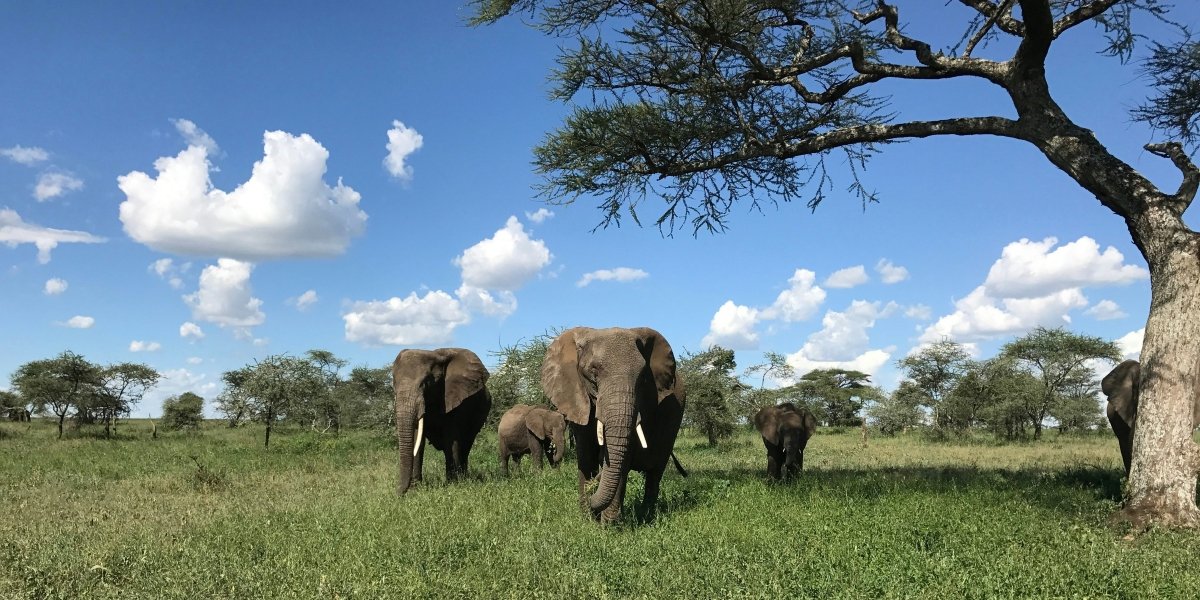
Tarangire National Park is a rhythm: baobabs, elephant families, raptors riding thermals. In the late season, everything draws to the Tarangire River: life condenses, sightings multiply.
Field-tested micro-tips from our guides
- Hunt the edges: where woodland meets open grass, predators patrol.
- Scan termite mounds and low lookouts—cheetahs love elevation.
- Golden hour is action hour. Design your day around first and last light.
This is the heartland of Tanzania Safaris, ideal for a first safari trip or a return tour focused on behaviour rather than just ticking boxes. If you’re torn between routes for your Safari In Tanzania, timing and lodge location will do more than any checklist.

Photo: Unsplash.com
Beyond The Savannah: Lakes, Highlands, Forests, And Rivers
Most people think of safaris as vast, golden fields with acacia trees and herds of wildebeest. And indeed, Tanzania provides plenty of it. But the thrill is even stronger when you step off that one picture and look at the country’s startling differences.
Here, the scenery changes like chapters in a book. One minute you’re watching elephants under a baobab tree, and the next you’re walking along a volcanic rim or floating down a river. Some examples of Tanzania Destinations you’ll visit:
- Lake Manyara: groundwater forest shade, flamingo color, and the lore of tree-climbing lions.
- Ngorongoro Highlands (Empakaai & Olmoti): crater-rim walking, forest birdsong, sweeping views—quiet, restorative, unforgettable.
- Western Serengeti (Grumeti): river circuits, night drives, a different Serengeti tempo from the central plains.
- Southern Tanzania (Ruaha & Nyerere/Selous): boat safaris among sandbanks, walking tracks, and far fewer vehicles; patience brings intimate behavior.
This variety transforms Tanzania Safaris and Tours from “great photos” to “great story.” It’s also where private travel shines—flexible pacing, unhurried mornings, and time to linger when a moment asks you to.
Travel That Gives Back: Conservation And Community In Practice
A really responsible safari protects wildlife and helps the people who live near it. It works with eco-friendly camps, hires local guides who know a lot, and organizes community visits planned and paid fairly, usually with Maasai or Chagga hosts. These visits are carefully planned to coincide with wildlife activity, making them seem real, respectful, and intimately linked to the land.
What does this mean for your trip?
- Small camps with real actions: water stewardship, renewable power, waste systems.
- Community-led activities that keep revenue local (village walks, beadwork co-ops, farm visits).
- Sightings etiquette: no baiting, no crowding, no chasing; off-road only where rules allow.
Want your journey to be funded, not pressured? Then, choose to travel responsibly.
Planning With Clarity: Duration, Seasons, and How Cost Really Works.

Photo Courtesy: African Scenic Safaris
The first thing most travellers ask is, How many days do I need?
If it’s your first Safari in Tanzania, six to eight days on the northern circuit gives you the essentials—lions on the Serengeti, rhinos in Ngorongoro, elephants in Tarangire.
Add a few more days, and you can slow down, walk the highlands, or end with a Zanzibar beach. Within two weeks, the south opens up: boat rides on the Rufiji River, walking safaris in Ruaha, and space that feels entirely your own.
Timing is just as important. The dry season means clear skies and big congregations around water. The green season is different—dramatic skies, newborn animals, and quieter parks. Your tours should follow the rhythm of wildlife, not just dates on a calendar.
And yes, cost matters. What you pay is shaped by your guide and vehicle, park fees, and where you stay. A camp close to the migration may be pricier, but waking up to wildebeest at your doorstep is worth more than hours of dusty driving. Staying longer in fewer places often gives better value, too.
At the core, look for safety, skilled guiding, and responsible travel practices. These are the foundations of truly memorable Safari Tours in Tanzania.
Still Wondering If It’s Worth Going “Beyond Ordinary”?
If you only chase sightings, you’ll bring home snapshots. Balance sightings with silence, drama with depth, plains with rivers and ridgelines—and you’ll bring home a story.
That’s the commitment of private Tanzania Safari Tours with African Scenic Safaris: time, space, and guiding that meet you where you are.
Let’s set your route to match your season, your pace, your people. Plan my Tanzania Tour Safari by talking to a safari expert.