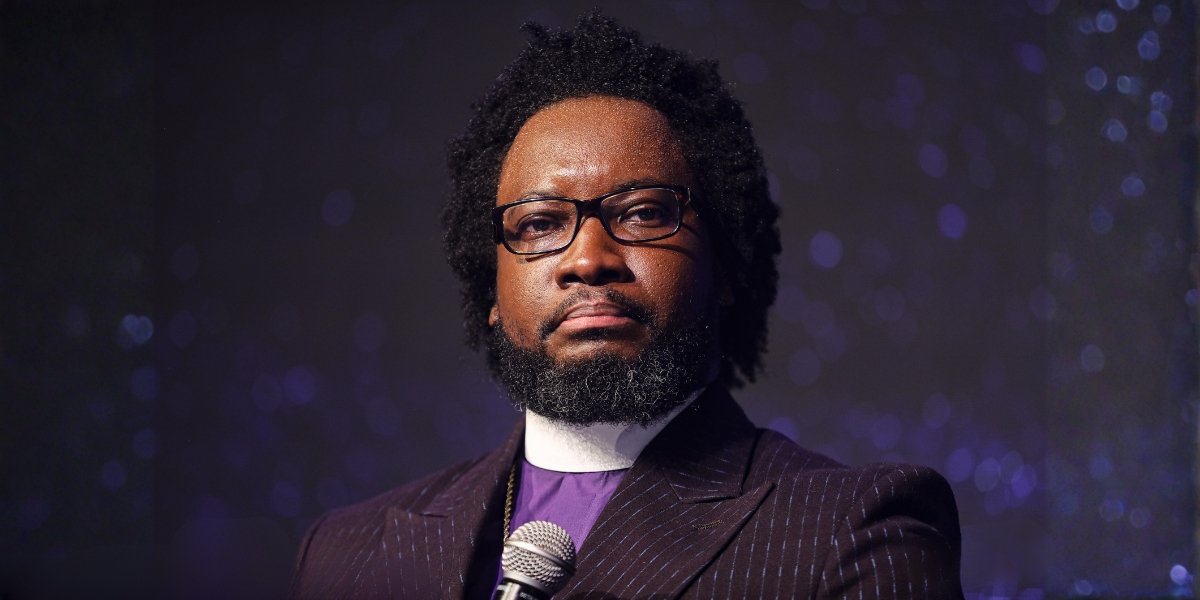
Choosing the right models for a brand campaign isn’t just about aesthetics, it’s about alignment. In a market where consumers expect authenticity and cultural relevance, casting decisions carry weight. Models are no longer just faces of a product; they’re extensions of a brand’s identity, values, and long-term goals.
For U.S.-based executives and creative leads, the challenge is clear: how to select models who not only look the part but live the part. Whether launching a new product, expanding into new markets, or refining brand positioning, the individuals chosen to represent a brand must reflect its ethos in a way that feels genuine.
Why Model Selection Is a Strategic Decision
Models influence perception. Their presence in campaigns can signal inclusivity, aspiration, innovation, or tradition, depending on how they’re positioned. That’s why casting is increasingly treated as a strategic decision, not just a creative one.
Brands that prioritize alignment are seeing stronger engagement and longer-lasting partnerships. When models embody the values a company stands for, whether that’s sustainability, empowerment, or community, the message resonates more deeply. It’s not just about selling a product; it’s about telling a story that feels real.
This approach mirrors broader shifts in marketing strategy, including the rise of micro-influencers who connect with niche audiences through shared values and lived experience. The same logic applies to model selection: relevance beats reach when it comes to building trust.
Understanding Brand Values Before Casting Begins
Before any casting call or agency outreach, brand teams need clarity on what they stand for. That means defining core values, not just in mission statements, but in practice. Is the brand committed to ethical sourcing? Does it prioritize body positivity? Is it focused on innovation, tradition, or a mix of both?
Once those values are clearly articulated, they become a filter for casting decisions. A brand that champions diversity, for instance, should reflect that in its model lineup, not just in ethnicity, but in age, body type, and lived experience. A brand focused on wellness might seek models who are known for their holistic lifestyle, not just their appearance.
This kind of alignment helps avoid disconnects that can undermine campaigns. When the model’s public persona clashes with the brand’s message, audiences notice, and they respond.
Evaluating Models Beyond the Portfolio
Portfolios still matter, but they’re no longer the only metric. Brands are looking at social media presence, public interviews, and past collaborations to understand how a model communicates and connects. Does their tone match the brand’s? Do they speak on issues that matter to the brand’s audience? Are they seen as credible in the spaces the brand wants to occupy?
This deeper evaluation helps brands avoid surface-level casting and build relationships that last. It also supports more nuanced storytelling, where models can contribute to the narrative rather than just appear in it.
Some brands are even involving models in campaign development, inviting them to share input on messaging, styling, and tone. That kind of collaboration can elevate a campaign from polished to powerful.
Balancing Aesthetic Fit with Cultural Relevance
Visual cohesion is still important. Models need to fit the creative direction of a campaign. But that fit should never come at the expense of cultural relevance. A campaign that looks good but feels tone-deaf won’t land.
That’s why casting teams are working closely with cultural consultants, community advisors, and brand strategists to ensure that model choices reflect both the brand’s goals and the audience’s expectations. It’s about finding the sweet spot between style and substance.
This balance is especially critical in brand partnerships, where alignment across teams is essential. As noted in reporting on why brand partnerships are gaining ground, shared values are the foundation of successful collaborations. The same principle applies to model selection: shared values lead to stronger impact.
Navigating Public Perception and Risk
In a media landscape where every casting decision can be scrutinized, brands must be prepared to defend their choices. That means doing the homework, understanding a model’s public history, affiliations, and reputation.
It also means being transparent. When a brand explains why a model was chosen, what they represent, how they align with the campaign, it builds trust. Audiences appreciate intention, especially when it’s backed by action.
This doesn’t mean avoiding risk altogether. Sometimes, bold casting choices are necessary to challenge norms or spark conversation. But those choices should be made with clarity, not impulse.
How U.S. Brands Are Leading the Way
Across industries, U.S. brands are refining their approach to model selection. Fashion labels are casting models with disabilities to reflect broader definitions of beauty. Tech companies are choosing models who advocate for digital literacy and inclusion. Wellness brands are spotlighting individuals who live the values they promote, whether that’s mindfulness, movement, or mental health.

Photo Credit: Unsplash.com
These choices aren’t just ethical, they’re effective. Campaigns that feel authentic tend to perform better, both in engagement and conversion. They also build brand equity that lasts beyond the product cycle.
Executives are recognizing that models are part of the brand team. Their influence extends beyond the shoot, shaping how audiences perceive and interact with the brand long-term.
Final Thoughts on Strategic Casting
Choosing models who align with a brand’s values and goals isn’t just a creative task, it’s a strategic one. It requires clarity, research, and collaboration. It means looking beyond the surface and investing in relationships that reflect what the brand stands for.
In a market where authenticity drives loyalty, casting decisions matter more than ever. The right models don’t just represent the brand, they reinforce it.