Microsoft Surface for Business devices received a major hardware and software update this week as Microsoft introduced new enterprise-focused computers equipped with Intel Core Ultra processors and expanded artificial intelligence capabilities for workplace productivity, security, and hybrid operations.
The announcement includes refreshed versions of Microsoft’s Surface Laptop and Surface Pro models designed specifically for commercial customers. The updated systems are positioned for organizations seeking AI-enabled computing tools as businesses across California continue increasing investments in workplace automation, cloud infrastructure, and enterprise software integration.
Microsoft said the new devices are built to support AI-assisted workflows through improved neural processing capabilities, enhanced battery efficiency, and compatibility with Microsoft Copilot features integrated across Windows and Microsoft 365 platforms. The rollout reflects growing competition among major technology companies to establish AI-ready hardware ecosystems for business users.
Enterprise Hardware Updates Focus on AI Processing
The newest Surface for Business lineup incorporates Intel’s latest Core Ultra processors, which are designed to support local AI processing directly on devices rather than relying exclusively on cloud computing. The chips include dedicated neural processing units intended to accelerate machine learning tasks while reducing power consumption.
Microsoft confirmed that the devices are optimized for Windows 11 enterprise environments and include hardware-level security features intended for commercial deployments. The company also emphasized compatibility with AI-assisted meeting tools, productivity software, and enterprise management systems commonly used by corporate customers.
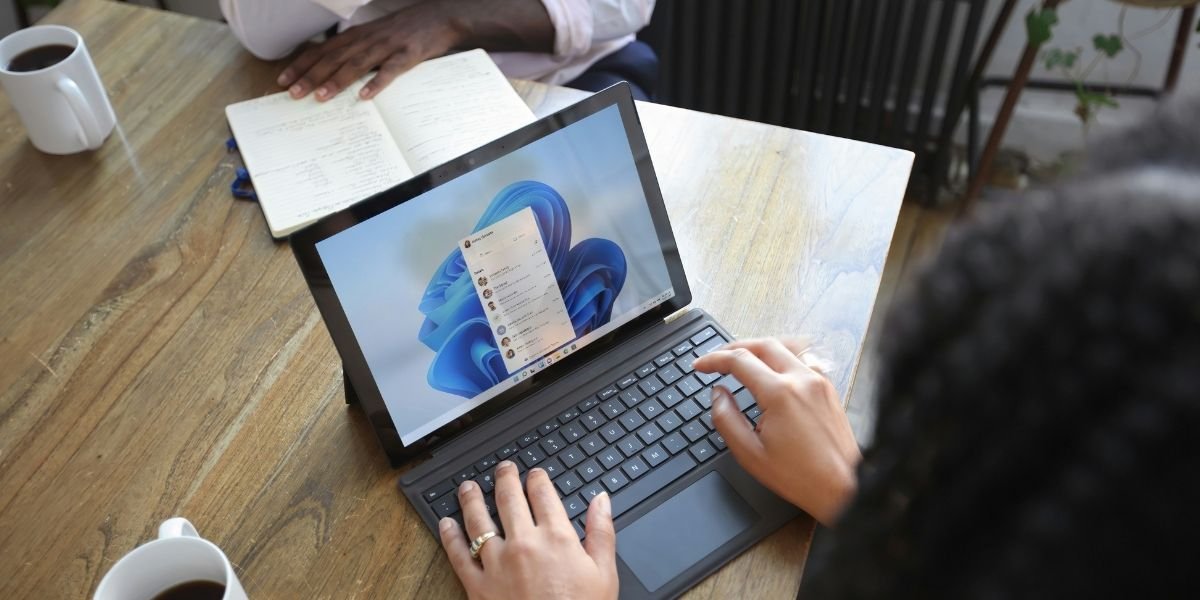
The refreshed Surface Laptop for Business introduces updated thermal systems, longer battery performance, and expanded AI-assisted features integrated into Windows applications. The latest Surface Pro for Business continues Microsoft’s detachable tablet-laptop design while incorporating newer chip architecture intended to improve multitasking and AI processing capabilities.
The devices are expected to serve organizations managing hybrid workforces that rely heavily on video conferencing, cloud collaboration, and AI-enhanced business operations. Many enterprise customers have accelerated device replacement cycles as companies seek hardware capable of supporting generative AI software and advanced workplace automation tools.
California companies remain among the largest enterprise technology adopters in the United States, particularly in sectors including finance, entertainment, healthcare, biotechnology, and software development. Businesses across Silicon Valley, Los Angeles, San Diego, and San Francisco have continued investing in AI-related infrastructure during the past year.
California Technology Firms Continue Expanding AI Investments
The updated Surface hardware arrives as California’s technology sector continues expanding investments in artificial intelligence infrastructure and enterprise software tools. Businesses are increasingly evaluating AI-capable systems for productivity, software development, customer service, and data analysis operations.
Technology companies across Silicon Valley have played a major role in enterprise AI adoption, while semiconductor manufacturers continue increasing production tied to AI computing demand. The release of the new Surface devices also reflects growing competition among Microsoft, Apple, Dell, HP, and Lenovo in the enterprise AI PC market.
Microsoft has positioned its Surface lineup within a broader ecosystem connected to Azure cloud services, Windows enterprise platforms, and Copilot AI software. The company has expanded its AI strategy following its partnership with OpenAI and the rollout of generative AI products across commercial applications.
California businesses remain key users of AI-enabled workplace systems because of the state’s concentration of startups, media firms, and enterprise software companies. Many organizations are also seeking on-device AI processing capabilities to address data privacy, latency, and operational efficiency requirements.
Intel Core Ultra Chips Expand AI Computing Capabilities
Intel developed its Core Ultra processor series to support AI-focused personal computing, combining dedicated AI processing with improvements in performance, graphics capabilities, and energy efficiency. The chips are designed to handle AI workloads directly on devices through integrated neural processing units.
Microsoft’s updated Surface systems use these processors to support AI-powered tools across Windows and enterprise productivity software. Features may include real-time transcription, automated meeting summaries, predictive typing, image generation, and advanced search functions integrated into workplace applications.
The release reflects a broader shift in the computer industry as manufacturers increasingly promote AI-enabled devices for enterprise customers. Several major technology companies introduced AI-focused business hardware during the past year as organizations evaluated infrastructure upgrades tied to generative AI adoption.
California-based companies continue playing a major role in enterprise AI expansion because of the state’s concentration of software, cloud computing, semiconductor, and digital media industries. Microsoft has also expanded Copilot integration across Microsoft 365 applications as businesses increase adoption of AI-assisted workplace tools.
Hybrid Work Demands Continue Shaping Business Device Design
Microsoft’s updated business hardware reflects continuing changes in workplace operations following long-term shifts toward hybrid and remote work models. Enterprise customers increasingly prioritize portability, battery performance, security, and collaboration tools when evaluating hardware purchases.
Surface devices have historically targeted professionals working across flexible office environments, particularly within consulting, finance, education, government, and technology sectors. The addition of AI-focused capabilities expands Microsoft’s effort to position Surface systems as productivity-focused enterprise tools rather than solely premium consumer devices.
California companies have remained heavily involved in hybrid workplace experimentation since the pandemic accelerated remote work adoption throughout the technology industry. Large employers across Silicon Valley and Los Angeles continue operating under mixed workplace models that require reliable mobile computing systems for employees working across multiple locations.
The updated devices also support Microsoft Teams collaboration features, AI-generated meeting notes, live captions, and workflow automation systems integrated into Microsoft’s enterprise software ecosystem.
Organizations seeking standardized AI-ready hardware platforms may view the new Surface lineup as part of broader modernization efforts involving cloud computing migration, cybersecurity upgrades, and software consolidation initiatives.
The release additionally arrives as enterprise technology budgets stabilize after earlier periods of cautious spending tied to inflation concerns and broader economic uncertainty. Some California companies have resumed infrastructure investment projects connected to AI deployment strategies and long-term digital transformation plans.