By: Elowen Gray
Learning to Step Aside
For Shabana Markar, the journey toward mercy did not begin with certainty or clarity, but with surrender, the quiet realization that leadership is not about carrying everything alone, nor about controlling outcomes through sheer effort. Early in her work, she believed that mercy was something she had to generate through discipline, sacrifice, and relentless perseverance.
Over time, however, she came to understand a far more difficult truth. Mercy, she learned, does not originate within us. It moves through us, requiring humility rather than ownership, alignment rather than force.
“I’m not the source,” she has said. “I’m the vessel.”
That shift, from production to permission, reshaped not only how she led but how she lived.
When Effort Reaches Its Limit
In the early years of building her mission, including the early foundations of Mercy Mediterranean, Shabana pushed forward with determination, working long hours and making decisions that carried emotional and personal cost. Like many leaders, she believed that persistence alone could overcome misalignment, that effort, applied long enough, would eventually bend circumstances into place.
But effort, she discovered, has limits.
There were moments when no amount of planning could secure the right partnerships, when potential opportunities quietly dissolved, and when paths she had worked tirelessly to open simply closed without explanation. What initially felt like failure later revealed itself as restraint, not denial, but protection.
“I had to learn that forcing things was not faith,” she reflected. “And letting go was not weakness.”
In releasing control, she began to understand that timing, intention, and alignment mattered more than speed.
Mercy as Alignment, Not Control
This realization reshaped Shabana’s understanding of leadership entirely. Mercy, she came to believe, is not the exertion of influence over outcomes, but the willingness to remain aligned with purpose even when results are delayed or unclear. That understanding later shaped how she stewarded her broader mission, including Miracles 4 Mercy, which reflects her belief that mercy must be practiced with patience, discernment, and trust rather than force.
Faith, in this sense, became less about answers and more about posture. Prayer evolved into a daily recalibration, a way of anchoring intention when certainty was unavailable. Life itself became an act of devotion: in how she spoke, how she waited, how she served, and how she restrained herself when action was tempting but misaligned.
“Everything became prayer,” she explains. “Not just the asking, but the living.”
Through this lens, mercy transformed from a goal into a discipline, practiced through patience, discernment, and trust.
Walking Away as an Act of Mercy
One of the most difficult lessons Shabana learned was that mercy does not always look like staying. Sometimes, it requires walking away.
She declined business deals that conflicted with her values, even when they appeared to suggest growth. She waited for partners who respected the dignity of her mission rather than attempting to extract from it. She chose alignment over acceleration, even as her work expanded across ventures such as The Mercy Mindset, knowing that delay often carried more wisdom than speed.
Letting go meant surrendering certainty and accepting that not every opportunity was meant to be seized. But in choosing restraint, she discovered clarity, and in clarity, peace.
“Not everything that advances you is meant to carry you,” she learned.
Protecting Identity from the Work
As visibility increased, so did the risk of allowing the work to define her identity. Titles, platforms, and recognition have a way of quietly shaping self-worth, especially for those driven by purpose.
Shabana resisted that pull.
“The work matters,” she says, “but it is not who I am.”
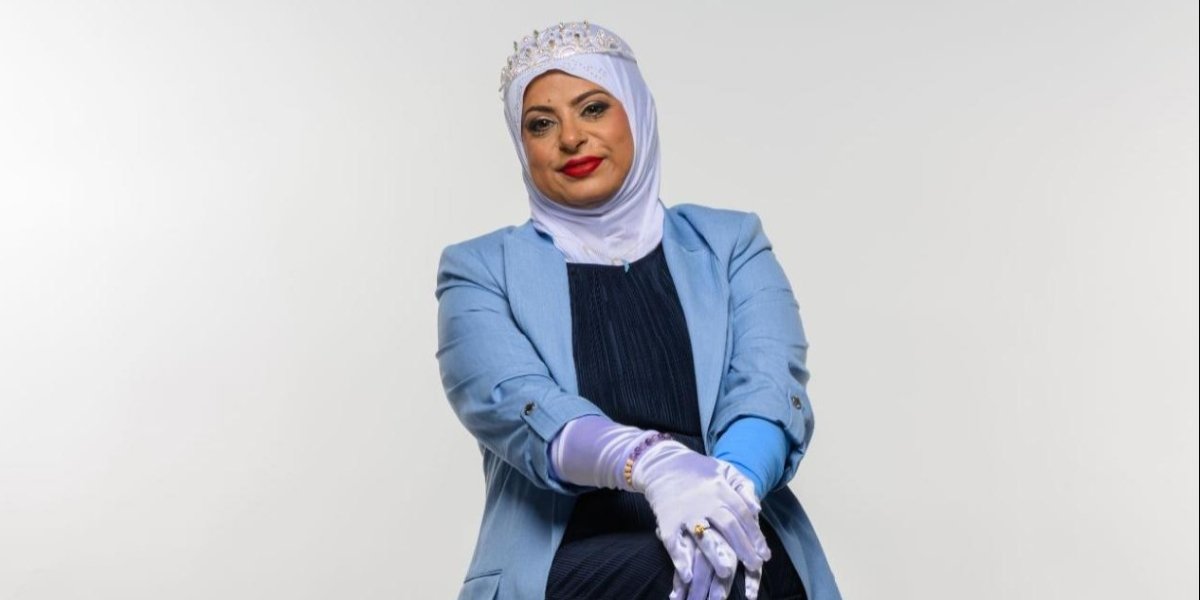
For her, The Mercy Queen was never a declaration of authority or status. It was a reminder that dignity belongs to everyone, that leadership does not elevate one above others, but calls one to stand among them with humility. By maintaining this distinction, she protected something essential: her humanity.
Becoming a Student of Mercy
Rather than positioning herself as a teacher of compassion, Shabana describes herself as a student, one continually shaped by experience, failure, reflection, and growth. Mercy, in her view, is not something to master, but something to return to with honesty in each season of life.
“Every day asks something different of you,” she reflects. “And mercy looks different depending on what that day requires.”
This mindset freed her from perfection. It allowed leadership without ego, progress without comparison, and service without self-erasure.
Strength Through Submission
In a culture that equates strength with assertion and certainty, Shabana’s journey offers a quieter definition. Strength, she believes, lies in submission, not to people, but to purpose. To sincerity. To the understanding that not all outcomes are ours to determine.
Failure, in this framework, is not defeat. It is refinement. Patience becomes wisdom, and restraint becomes clarity.
“Submission taught me patience,” she says. “And patience taught me peace.”