Retail is undergoing a transformation as thrifting moves from fringe to mainstream. What was once considered a budget-friendly alternative has become a cultural force, reshaping how Americans shop, spend, and define value. The battle between thrifting and retail is no longer about price alone, it’s about identity, sustainability, and digital convenience.
Secondhand marketplaces have exploded in popularity, with platforms like ThredUp, Poshmark, and Depop turning resale into a scalable, social experience. At the same time, traditional retailers are investing in technology, personalization, and logistics to stay competitive. This shift is creating a new kind of commerce, one where consumers actively choose between new and used, fast and slow, branded and curated.
Why Thrifting Is Gaining Ground
Thrifting appeals to a wide range of consumers, from budget-conscious families to fashion-forward Gen Z shoppers. It offers more than affordability, it delivers a sense of discovery, individuality, and purpose. Unlike traditional retail, which often emphasizes uniformity and seasonal trends, thrifting allows consumers to curate their own style and values.
The environmental impact of secondhand shopping is also a major draw. Buying used reduces waste, conserves resources, and extends the lifecycle of products. For many shoppers, this aligns with a growing desire to consume more responsibly. Thrifting feels like a way to opt out of fast fashion and mass production without sacrificing style or quality.
Retailers have taken notice. Brands like Levi’s and Patagonia now offer in-house resale programs, while luxury labels are experimenting with authenticated secondhand channels. This isn’t just a reaction, it’s a recognition that thrifting is changing the rules of engagement. Consumers are no longer passive recipients of trends; they’re active participants in shaping what commerce looks like.
How Retail Is Responding
Traditional retail is adapting by investing in technology, experience, and speed. Artificial intelligence is playing a central role in this evolution. From virtual fitting rooms to predictive product recommendations, retailers are using data to personalize the shopping journey. The integration of AI touchpoints in retail is creating smarter, more seamless experiences that rival the convenience of online resale platforms.
Retailers are also rethinking logistics. With the rise of omnichannel commerce, inventory systems must be agile and responsive. Many companies are turning to AI-powered inventory systems to manage stock across physical stores, warehouses, and e-commerce platforms. These systems reduce waste, improve product availability, and shorten delivery times, offering a competitive edge over thrift platforms that often rely on slower peer-to-peer shipping.
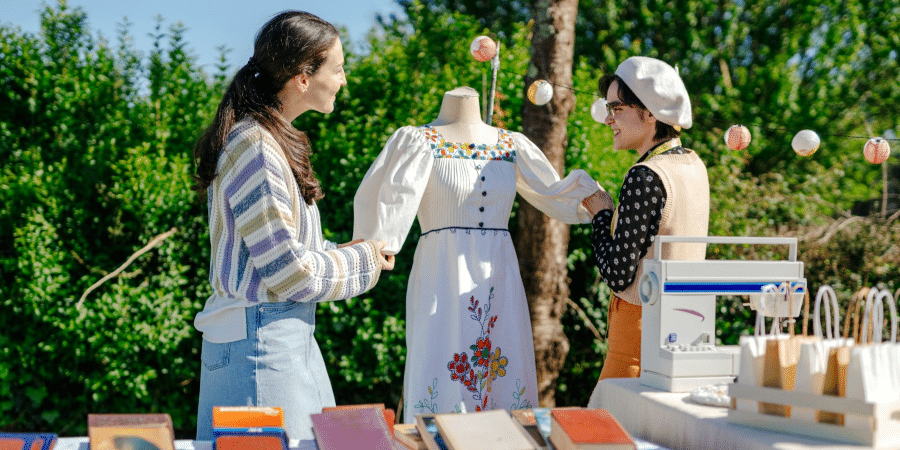
Photo Credit: Unsplash.com
Experience is another area where retail is doubling down. Physical stores are being redesigned to feel more immersive and interactive. Brands like Nike and Apple have turned their locations into community hubs, offering workshops, events, and personalized services. This approach helps retail compete with the social and gamified nature of thrifting, where every purchase feels like a win.
The Role of Sustainability in Consumer Choice
Sustainability is no longer a niche concern, it’s a mainstream driver of consumer behavior. Thrifting directly addresses this shift by offering a low-impact alternative to buying new. Every secondhand purchase reduces demand for new production, cuts down on packaging waste, and keeps usable items out of landfills.
Retailers are responding with recycled materials, carbon offset programs, and circular initiatives. However, many consumers remain skeptical of greenwashing and prefer the tangible impact of buying used. Thrifting offers a clear, measurable way to shop sustainably, and that clarity resonates with values-driven shoppers.
This shift is especially visible in fashion. With millions of secondhand clothing items sold each year, the industry is being forced to rethink its production models. Retailers that ignore this trend risk losing relevance among younger consumers who prioritize sustainability and authenticity.
Price, Perception, and the Value Equation
Thrifting wins on price, but retail still holds advantages in convenience, consistency, and brand trust. Many consumers prefer the reliability of new products, standardized sizing, and return policies. Retail also offers instant gratification, something thrift platforms can’t always match.
However, the perception of value is changing. Shoppers are increasingly willing to trade convenience for uniqueness and savings. A vintage jacket with character may now hold more appeal than a mass-produced item with a logo. This shift is prompting retailers to rethink their offerings, introducing limited drops, exclusive collaborations, and personalized products that mimic the scarcity and individuality of thrifting.
Retailers are also leveraging AI to enhance personalization. The use of AI touchpoints in retail is creating tailored experiences that help consumers feel seen and understood. These innovations are helping retail stay competitive in a landscape where consumers expect more than just products, they expect relevance.
Commerce as Culture
The battle between thrifting and retail isn’t just economic, it’s cultural. Consumers are using their purchases to express identity, values, and priorities. Shopping is no longer a transactional activity; it’s a form of self-expression and social engagement.
Social media plays a significant role in this shift. Thrift hauls, resale flips, and sustainable fashion tips dominate platforms like TikTok and Instagram. Retailers are adapting by partnering with influencers, launching resale programs, and embracing transparency. Commerce is becoming a conversation, and brands that listen are gaining loyalty.
This cultural shift is also influencing how products are marketed. Consumers want stories, not slogans. They want to know where items come from, how they’re made, and what they represent. Thrifting naturally offers this narrative, while retail must work harder to deliver it authentically.
The Rise of Hybrid Shopping Models
The future of commerce isn’t thrift or retail, it’s both. Hybrid models are emerging, where consumers mix secondhand and new, online and offline, budget and luxury. Retailers that embrace this complexity are better positioned to thrive.
Expect more brands to launch resale platforms, offer trade-in programs, and integrate secondhand into their core business. Expect thrift platforms to improve logistics, authentication, and user experience. And expect consumers to continue driving change, one purchase at a time.
Retail is evolving from a product-centric model to a consumer-centric one. It’s no longer just about selling, it’s about staying relevant in a world where shoppers have more choices, more values, and more influence than ever before.
What This Means for Business Leaders
For retailers, the rise of thrifting is both a challenge and an opportunity. It forces companies to rethink their value proposition, invest in technology, and engage with consumers on a deeper level. It also opens the door to new revenue streams, brand extensions, and customer relationships.
Business leaders must recognize that the consumer landscape is shifting. Success will depend on agility, authenticity, and alignment with consumer values. Whether through AI-driven personalization, sustainable sourcing, or community engagement, the future of retail will be shaped by those who adapt, not just those who sell.
Thrifting is no longer a threat to retail, it’s a mirror. It reflects what consumers want, what they reject, and what they’re willing to invest in. Retailers that understand this dynamic will not only survive, they’ll lead.