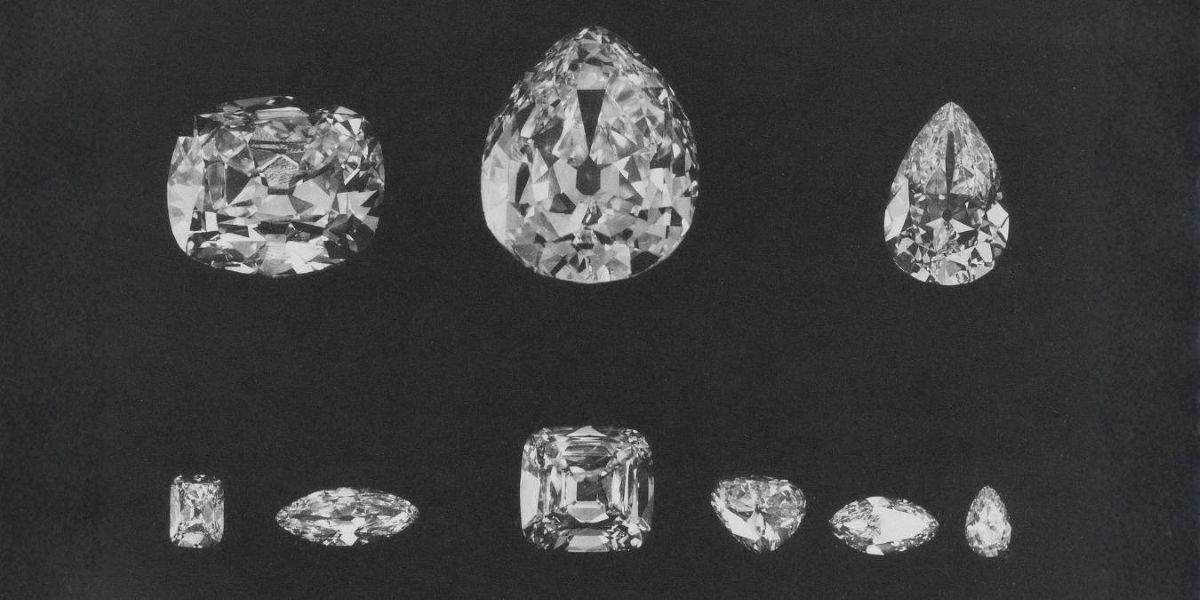
Lab-grown diamonds have revolutionized the jewelry industry, allowing consumers to purchase larger, higher-quality stones at a fraction of the cost of mined diamonds. However, this advantage comes with a unique challenge. Because you can afford a significantly larger carat weight, your earrings are likely to be heavier. This makes the structural integrity of the earring—specifically the post thickness—a critical factor that is often overlooked.
When selecting the perfect pair of studs, most buyers focus entirely on the “4 Cs” (Cut, Color, Clarity, and Carat). Yet, the engineering of the earring itself plays a massive role in how the jewelry sits on your ear. If the post is too thin, a heavy lab-grown diamond may droop forward; if it is too thick, it can cause irritation. Understanding the balance between comfort and stability is key to enjoying your new sparkle.
Understanding Earring Post Gauges
The thickness of an earring post is measured in “gauges.” Counterintuitively, a lower number indicates a thicker post, while a higher number indicates a thinner one. Understanding these standard sizes helps in choosing the right fit for your earlobes.
- Standard Size (20 Gauge / 0.8mm): This is the most common size for standard friction (butterfly) back earrings. It is comfortable for almost everyone and is the industry standard for lightweight studs.
- Thicker Posts (18 Gauge / 1.0mm): Often found on high-end screw-back earrings or heavy carat weights, these provide extra strength but can be uncomfortable if your piercing holes have shrunk over time.
- Thin Posts (22 Gauge / 0.6mm): These are rarely used for valuable diamond studs as they lack the structural integrity to support gold baskets and heavy stones, often bending under pressure.
The “Droop” Effect: Why Bigger Stones Need Better Support
One of the primary reasons post thickness matters is the phenomenon known as “earring droop.” Since lab-grown diamonds can be larger—often ranging from 1.5 to 4 carats—the center of gravity of the earring shifts farther from the earlobe. If the post is too thin, it cannot act as a sturdy cantilever, causing the diamond to tilt downward rather than facing forward.
To counteract this, jewelers often pair larger stones with slightly thicker posts (such as 18-gauge) or specialized, heavy-duty backings. This ensures the diamond remains flush against the ear. If you are planning to upgrade your collection, you can read more about lab-grown diamond studs in our guide to understanding carat weight and setting styles. Choosing the right combination of post gauge and setting style is essential for keeping those larger stones upright and brilliant.
Threaded vs. Friction Posts: The Comfort Trade-Off
The post’s style usually dictates its thickness. Threaded posts (screw backs) are popular for their security, helping you avoid losing a valuable earring. However, the threads themselves add texture and slight bulk to the post.
Threaded Posts (Screw Backs)
Screw backs typically feature a thicker post to accommodate the threading mechanism. While they offer peace of mind, some wearers find them irritating to insert, especially if they have sensitive ears or smaller piercing holes. The “rough” texture of the threads can cause minor abrasion during insertion.
Friction Posts (Push Backs)
Friction posts are generally smoother and thinner (usually 20-gauge standard). They are incredibly comfortable and easy to put on. However, for large lab-grown diamonds, standard friction backs may not provide enough tension to prevent the earring from slipping forward. In these cases, upgrading to “jumbo” backs or “La Pousette” locking backs can provide the necessary surface area and grip without requiring a thicker post.
How to Choose the Right Thickness for You
When ordering your lab-grown diamond studs, consider your lifestyle and your ear anatomy. If you have worn heavy earrings for years, your piercings may easily accommodate a thicker 18-gauge post, which will offer superior stability for large diamonds.
Conversely, if you have new piercings or sensitive ears, stick to the standard 20-gauge post but insist on a high-quality setting with a broad base, such as a martini or basket setting. These designs lower the center of gravity, reducing the need for a thick post to keep the diamond upright.
Conclusion
While the sparkle of a lab-grown diamond catches the eye, the post thickness ensures the earring is wearable. By paying attention to the gauge and the backing style, you can ensure that your beautiful new studs sit perfectly on your ear, providing dazzling brilliance without the discomfort of drooping or pinching. Always ask your jeweler about the post specifications to find the perfect balance of luxury and wearability.