US Business News

Dressing for the Shift: How La Magnetique is Redefining the Language of Movement

In a world where speed, adaptability, and authenticity are often seen as valuable qualities, a number of fashion designers are responding with elegance and emotional depth, and Katerina Frumina is one of those emerging voices. As the founder and creative mind behind La Magnetique, Frumina is doing more than designing clothes—she’s creating a wardrobe for the modern woman’s journey. Her pieces are not designed to be seasonal trends or fleeting statements; instead, they are companions for transformation, thoughtfully crafted to evolve with women as they move through various roles, challenges, and triumphs that life offers.

Frumina’s story does not begin on the runways of Paris or New York, but in Ukraine, where her early life gave her a sense of resilience and adaptability. Having lived across Europe—in cities like Budapest and Milan—her style language has been shaped by cultural contrast, classical elegance, and personal resilience. It’s this mix of influences that informs La Magnetique: a brand that, rather than being driven by commercial ambition, emerged from Frumina’s desire to give women a tool for self-expression that doesn’t require compromise.

“I never wanted to create static garments,” Frumina explains. “I wanted to create emotional architecture—pieces that move with you through space and emotion.” That philosophy can be felt throughout her collections. Her designs are designed to flow with the body, adapting effortlessly as the woman wearing them moves through different contexts—whether it’s a breakfast meeting, a sunset date, an airport terminal, or a gallery opening.

La Magnetique’s aesthetic offers a delicate balance between soft, flowing lines and more sharply tailored construction. Pajama-inspired silhouettes—fluid, relaxed, and freeing—are infused with the kind of structure typically found in couture suiting. Nothing in the collections feels one-dimensional. A robe may also function as a coat. A wide-leg pant becomes a versatile piece with varied potential. A blouse can be interpreted as both softly feminine and confidently commanding. This approach seeks to offer fashion that does not force women to choose between comfort and confidence, visibility and discretion, strength and softness. Instead, it aims to provide a space for all these qualities to coexist—sometimes all in one day.

In an industry that has long specialized in categorizing women into certain archetypes—executive, romantic, muse, mother—Frumina is crafting a new vocabulary. “The La Magnetique woman is not a type,” she insists. “She’s a rhythm. She’s motion. She changes with the hour, and she deserves a wardrobe that reflects that.”

This philosophy has resonated strongly with a diverse audience. From early recognition at European Fashion Week to her more recent appearances on international runways, Frumina has established herself as a designer worth paying attention to. But it’s not just within the fashion world that her work is being acknowledged. Her community of clients—dynamic women across various cities and continents—are drawn to clothes that reflect their own stories. La Magnetique strives to deliver that, with an approach that blends elegance with a sense of edge.

At Florida Men’s Fashion Week, Frumina introduced a capsule collection that embraced gender fluidity, pushing her soft-structured codes even further into the realm of inclusivity and innovation. It was a bold choice, but also a statement: true elegance, Frumina suggests, can transcend gender, occasion, and geography. Her garments reflect a vision of a future where identity is layered and expressive, rather than fixed or restricted.

Looking ahead, the future of La Magnetique appears to be equally exciting. Frumina is exploring potential collaborations that blend fashion with technology and art. She envisions a wardrobe where garments are responsive—not only in terms of aesthetics but also functionally. Imagine temperature-adaptive fabrics, modular layering systems, and travel-friendly textiles that maintain their elegance even under pressure. In this way, Frumina sees fashion not just as an ornament, but as something that supports the wearer’s life and activities.

Regardless of how experimental the future may be, Frumina’s core values remain anchored in timeless principles. Beauty, she believes, should not demand discomfort, and ease should not cancel out sophistication. Every seam, pleat, and silhouette in her collections reflects this harmony—a thoughtful response to the traditional demands of fashion.

At its essence, La Magnetique is more than just a fashion label. It’s a mindset. It’s an affirmation for women who are constantly evolving—whether they’re building a company, raising a child, writing a book, booking a flight, or simply reclaiming their time—and want to do all of it in something that feels as empowering as it does comfortable.

Katerina Frumina is not designing for the runway of fashion. She is designing for the runway of real life. Through La Magnetique, she demonstrates that style, like the women who wear it, can be impactful when it is allowed to move and grow.

Brad W. Burns: Merging Business Savvy with Philanthropy

By: Chelsea Robinson

From founding Wayne Contracting in 2014, a general contracting firm serving national brands, to co-founding Vizex Branding, which has installed signage for clients across North America and the Caribbean, Burns continues to chase scale without sacrificing quality. Meanwhile, Meramec Hardscapes, now rebranding as Meramec Pools & Outdoors, caters to St. Louis-area homeowners seeking backyard transformations. City Seafood, launched in 2023, supplies premium fresh seafood to restaurants and households alike. Most recently, Arch City Group began developing a portfolio of QSR franchise locations in the St. Louis metro. “Our aim is to build a footprint across various industries, but always with strong operations and a reputation for service,” says Burns. “It’s about creating something that lasts and that people trust.”

Scaling With Purpose

Despite juggling multiple enterprises, Burns has always maintained a firm grasp on the human side of entrepreneurship. That people-first perspective is evident in both how he leads and how he gives back. “I’ve always believed in the role of reciprocity,” he says. “My dad was the type of person who would give you the shirt off his back. I saw early on that if you have the ability to help, you should do it.”

Burns serves on the board of Junior Achievement, an organization devoted to teaching financial literacy and entrepreneurship to students. “They’ve got a trades program now,” he adds, “so kids who are more hands-on can explore paths outside of traditional college.” He also chairs the board of Haven House, a hospitality organization providing lodging and transportation to out-of-town patients receiving medical care in St. Louis. “There are no age or medical restrictions,” Burns explains. “We feed them, get them to appointments, and do whatever we can to make a difficult situation a little easier.”

This mindset, he says, is embedded in his company culture. “You’ve got to figure out how to balance giving back with business growth. But I do think there are ways to involve your team. Give them a half-day to volunteer, let them choose on causes to support. Reward participation, don’t force it. That’s how you build lasting goodwill, internally and externally.”

The Business of Doing Good

For Burns, corporate social responsibility is part of the business model. “The goodwill that comes from being active in your community, it matters,” he says. “Maybe not directly, but in terms of reputation, employee morale, and even client relationships. It all plays a role.” He acknowledges the challenge companies face when determining where to direct resources. “Different employees care about different causes, and you don’t want to spread yourself too thin,” Burns explains. “So we focus on two core organizations. That gives us depth, not just breadth, in our involvement.”

The rising pressure on private donors is also a challenge Burns believes businesses are well positioned to address. “I’ve seen a real uptick in outreach over the past six months. Some nonprofits are losing access to federal funds and are turning to the private sector to fill the gap. It’s going to be tough for a lot of them,” shares Burns.

Small Gestures, Big Impact

The most meaningful contributions often aren’t the largest. “If you can do good, do it. Sometimes it’s just a little bit of money, or a small amount of time. But to someone else, it can mean everything.” He sees this daily in his volunteer work. “You’d be surprised what a small gesture can do. Whether it’s a donation or just saying hi to someone on a rough day, it can turn things around.” That belief in the power of small, consistent efforts reflects the same ethos that guides Burns in business. While his ventures continue to grow in size and scope, they are grounded in the principle that long-term success should uplift not only shareholders, but all stakeholders, including the wider community.

Connect with Brad W. Burns on LinkedIn or visit his website.

Leading With Purpose: How Dr. Carmen Bell-Ross Is Empowering Detroit’s Grassroots Heroes

By: Sixteen Ramos

At the center of this effort is Dr. Carmen Bell-Ross and her team at SP Grace working in partnership with the City of Detroit. As the grant administrator and technical assistance provider, SP Grace plays a critical role in making sure these funds reach the organizations that need them most – and that those organizations have the tools and training to succeed.

Leading With Purpose and Strategy

Dr. Carmen and SP Grace were selected to lead this effort because of their strong track record of helping organizations not only build capacity but translate it into meaningful, lasting change. With a background in leadership development and community strategy, Dr. Carmen brings an approach that is both strategic and deeply rooted in connection. She understands that many small nonprofits and faith-based groups have the passion and purpose—but often lack the support structures needed to grow and sustain their work.

Under her leadership, SP Grace goes beyond checklists and compliance. Through technical assistance workshops, grant application guidance, and one-on-one coaching, the team helps organizations build the confidence and systems they need to thrive—not just survive. It’s not just about increasing the number of grant submissions. It’s about transforming how these leaders see themselves, their potential, and the impact they can have.

“I noticed a recurring pattern in leadership development,” Dr. Carmen explains. “Many programs focus solely on skills and strategies but miss the crucial element of personal connection and meaning.” That insight is now a cornerstone of SP Grace’s philosophy. “At SP Grace, we help leaders align their practices with their values and what’s important to them and their organizations.”

This grounding in values doesn’t just inspire people—it equips them. It helps nonprofit leaders absorb information more effectively, apply it with intention, and lead with greater clarity and confidence. That’s why the work resonates long after the training ends.

Local Heroes, Lasting Impact

So far, 67 organizations have received NOF/ARPA grants. Most received $20,000 to strengthen or expand the work they were already doing in their communities. These grants aren’t just a financial boost—they’re fuel for the direct relief efforts still needed by Detroiters navigating the ongoing economic and social impacts of the pandemic.

Organizations like the Society of Hispanic Professional Engineers – Detroit Chapter are using their grant to expand educational access for Hispanic youth pursuing STEM careers. Through college fairs, parent workshops, and mentorship programs, they are creating pathways for students from low-income families to thrive in science and engineering fields.

The Brothers of Kelly Park are transforming neighborhood parks and recreation. Their summer basketball camp teaches teamwork, resilience, and wellness to Detroit youth, offering a safe space for physical activity, learning, and community building.

Enjoy Detroit is making a difference through its “We SERVE too – Love Packs” program, which delivers essential items, including food, hygiene products, and encouragement notes, to Detroiters experiencing homelessness. Along the way, they help young volunteers develop empathy, leadership skills, and a lifelong commitment to service.

These are just a few of the organizations already receiving support through the NOF/ARPA grant program—with nearly 90 expected to be funded by the end of this cycle. From mentoring youth and revitalizing public spaces to expanding food access and building pathways to opportunity, each organization brings its own bold vision for strengthening Detroit’s neighborhoods. Together with the City of Detroit, SP Grace is proud to help fuel that vision—ensuring these changemakers have the resources, training, and support they need to keep making a difference where it matters most.

A Future Built on Collaboration

The true strength of the NOF/ARPA grant program isn’t just in the dollars awarded—it’s in what those dollars make possible. Across Detroit, nonprofits and grassroots groups are turning that investment into real change: feeding families, mentoring young people, transforming public spaces, and delivering critical services that meet people where they are.

That kind of impact doesn’t happen in isolation. It’s powered by a deliberate ecosystem of support that includes not just funding, but hands-on technical assistance, peer learning opportunities, and trusted guidance that helps organizations grow stronger from the inside out. Together with the City of Detroit, SP Grace is helping to build that foundation—working alongside community leaders to ensure grantees are equipped not just to manage their funding, but to deepen their mission and expand their reach.

For Dr. Carmen, this work isn’t just professional—it’s personal. “We want every organization we touch to feel seen, supported, and capable of delivering the impact they know is possible,” she says. “Our job is to help clear the path so they can focus on what they do best—serving their communities.”

As Detroit continues to move forward, the NOF/ARPA program is helping to ensure that recovery efforts are not only equitable, but powered by the people already doing the work—and built to last.

About SP Grace

SP Grace is a woman-owned small business founded by Dr. Carmen Bell-Ross, a distinguished leadership consultant with over 20 years of experience in professional development and organizational transformation. The company specializes in executive coaching, leadership development, and workforce readiness programs that address the entire career lifecycle. They also offer strategic guidance for students looking to get an edge that helps them stand out in a crowded landscape as they navigate the highly competitive college admissions process. Through customized training programs, technical assistance, and strategic consulting, SP Grace has helped numerous organizations and individuals achieve breakthrough results in leadership effectiveness and professional growth. Dr. Bell-Ross’s unique approach combines her expertise in organizational psychology with practical leadership strategies, making SP Grace a trusted partner for organizations seeking meaningful transformation. For more information, visit spgrace.com.

Sustainability in Silk: La Magnetique and the Quiet Revolution of Katerina Frumina

In an industry often driven by trends and urgency, Katerina Frumina is choosing something quieter—something slower. Through her brand La Magnetique, Frumina is steadily shifting the conversation around sustainable luxury, one hand-finished garment at a time.

At the heart of her ethos is a deep respect for craftsmanship. Each piece in the La Magnetique collection is handmade, constructed from carefully selected premium fabrics, often in limited runs. Frumina views sustainability not just as a passing trend, but as a responsibility to the planet, to her clients, and to the women who wear her designs.

“We’re not chasing seasons or mass production,” she explains. “Each garment is intentional. It’s meant to be lived in, cherished, and passed on. Luxury doesn’t need to be wasteful—it can be mindful.”

Her signature style—a fusion of relaxed silhouettes and fine tailoring—reflects that belief. Frumina’s pieces are designed to be transformed: silk robes become structured jackets, lounge-inspired suits evolve into eveningwear. With removable and modular elements, each garment adapts not only to the occasion, but to the body itself. This flexibility adds a layer of personalization, allowing women to craft their look based on mood or event. It’s not about following trends, but creating timeless pieces that suit the individual’s needs and lifestyle.

And that’s another cornerstone of La Magnetique: body respect. Katerina Frumina doesn’t design for idealized figures. She designs for real women—for curves, for movement, for comfort without compromise. “I don’t believe in controlling the body through fashion,” she says. “I believe in honoring it.”

That belief carries into every decision behind the scenes. La Magnetique’s production partners are family-owned ateliers committed to ethical labor practices. The brand also uses leftover fabric for accessories and packaging, and has begun exploring textile innovation in collaboration with European sustainable textile labs.

Frumina’s roots in Eastern Europe inform her sense of elegance—there is a kind of disciplined softness to her vision, a mix of Slavic romanticism and contemporary restraint. It’s this balance that has made La Magnetique stand out in recent showcases, from private salons in Miami to fashion weeks across Europe.

But beyond the shows and features, what sets Frumina apart is her commitment to maintaining depth over momentary appeal. She’s building something lasting—not just clothing, but a philosophy.

Sustainability in Silk La Magnetique and the Quiet Revolution of Katerina Frumina

Photo Courtesy: La Magnetique / Katerina Frumina

“Sustainability starts with care,” she says. “Care in how we source, how we sew, how we speak to women through the clothes we make. It’s not about perfection—it’s about attention.”

And that’s what La Magnetique offers: attention to every stitch, every line, every moment of a woman’s life. It’s not just about creating clothes that look good, but making garments that feel meaningful and have a lasting impact. By focusing on sustainable practices and thoughtful design, La Magnetique strives to make each piece a lasting part of a woman’s wardrobe—one that transcends trends and embraces individuality. Through this commitment, La Magnetique aims to be part of a growing movement toward more conscious consumption and a deeper appreciation for the artistry behind every garment.

In a world of fast fashion and fleeting impressions, Katerina Frumina invites us to pause and choose with intention.

Legal Rights for Pedestrians Injured in Georgia Truck Accidents

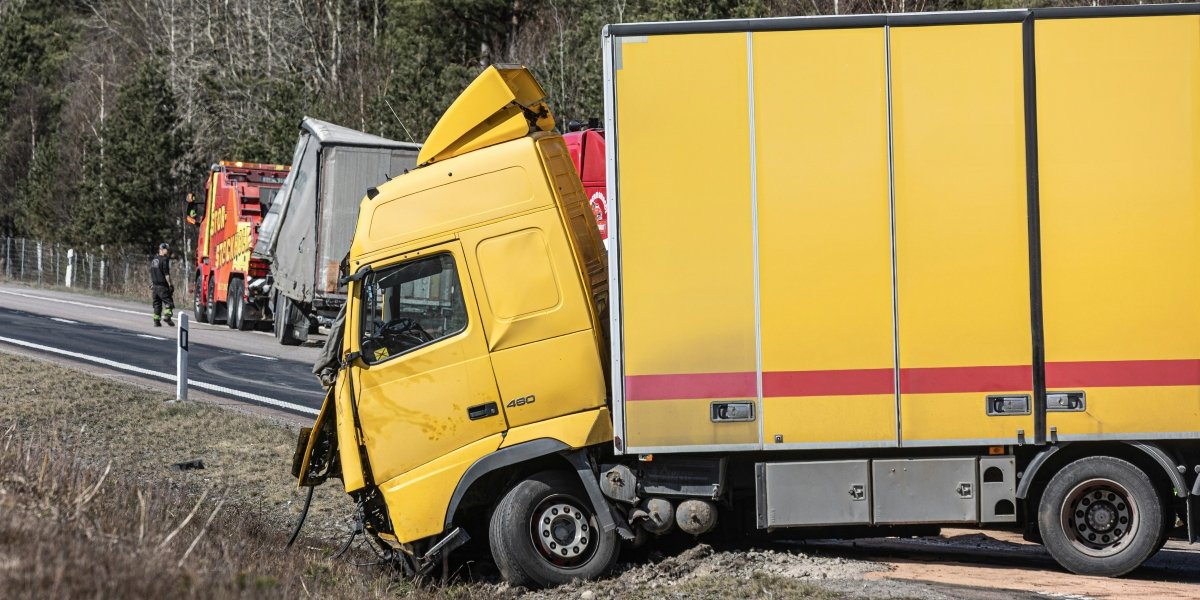
Pedestrians are among the most vulnerable people on Georgia’s roads, especially when sharing space with commercial trucks. Whether it’s an 18-wheeler making a wide turn, a dump truck backing out of a job site, or a tractor-trailer navigating a tight city street, the consequences of even a minor miscalculation can be catastrophic for someone on foot. When a pedestrian is struck by a commercial vehicle, the injuries are often severe, and the legal process that follows can be complex.

Fortunately, Georgia law offers strong protections for pedestrians. Drivers of all vehicles—including commercial truck drivers—are required to exercise reasonable care to avoid harming those on foot. In marked crosswalks, pedestrians generally have the right of way, and truck drivers must yield. Even outside of crosswalks, drivers must remain attentive and cautious when pedestrians are nearby, especially in areas like school zones, residential neighborhoods, and busy intersections.

If a pedestrian is hit by a commercial vehicle, the first step is to establish negligence. This typically involves proving that the truck driver failed to follow traffic laws or operate their vehicle safely. In many pedestrian-truck accidents, common causes include speeding, failure to yield, distracted driving, failure to check blind spots, or making illegal or wide turns without looking for people crossing.

Pedestrian accidents involving trucks often overlap with violations of federal or state commercial trucking regulations. For example, the Federal Motor Carrier Safety Administration (FMCSA) requires specific training for commercial drivers, particularly regarding operating large vehicles in urban areas and around pedestrians. A violation of these rules—such as failing to check mirrors, not using backup alarms, or exceeding legal hours of service—can strengthen a pedestrian’s personal injury claim.

Commercial trucks are held to a higher standard of care because of their size and potential for harm. When a pedestrian is hit by a truck, both the driver and their employer may be held liable. If the driver was performing work duties at the time of the crash, the employer may be responsible under Georgia’s vicarious liability laws. Employers may also be directly liable if they hired an unqualified driver, failed to conduct proper background checks, or neglected to provide necessary training.

Insurance coverage in pedestrian truck accidents also differs from typical car accidents. Commercial trucking companies are required to carry higher insurance limits because of the potential for catastrophic damage. This means there may be more compensation available for injured pedestrians, but also more aggressive legal defense from the insurance company. That’s why it’s important to act quickly and strategically.

The type of truck involved may impact the legal strategy. For incidents involving a highway crash or long-haul vehicle, a Georgia 18 wheeler accident lawyer can help navigate federal safety regulations and multi-state liability issues. If a local delivery truck or commercial vehicle was involved, it may be more appropriate to consult a Georgia tractor trailer accident lawyer. For city-operated trucks or those working on construction sites, like garbage trucks or dump trucks, an Atlanta dump truck accident lawyer may be familiar with local ordinances and municipality-specific claims processes.

In Georgia, personal injury claims for pedestrian accidents must generally be filed within two years of the crash. However, acting quickly is crucial—not just because of legal deadlines, but to preserve vital evidence. In many pedestrian-truck crashes, nearby surveillance footage, black box data from the truck, or eyewitness accounts are critical to establishing fault. Over time, this evidence can disappear.

Another challenge in these cases is the possibility of the defense alleging comparative negligence. Georgia follows a modified comparative fault rule, meaning a victim can still recover damages if they were less than 50% at fault for the accident. For example, if a pedestrian was crossing outside a marked crosswalk or looking at a phone, the defense may argue that contributed to the accident. However, because of the size and weight of trucks, and their legal responsibility to operate with extreme caution, courts often place greater responsibility on the driver in these situations.

Injured pedestrians can seek compensation for medical bills, lost income, future care needs, pain and suffering, and diminished quality of life. Catastrophic injuries like spinal cord damage, brain injuries, or limb amputations may also warrant compensation for long-term rehabilitation or home modifications. Documenting every medical visit, prescription, therapy session, and personal impact is vital to building a strong claim.

After being hit by a commercial truck, pedestrians may feel overwhelmed not only by their injuries but also by the complexity of the legal process. Trucking companies often move quickly to protect their interests, sending investigators to the scene and working with aggressive insurance teams to limit liability. To level the playing field, injured pedestrians need to act just as swiftly—starting with medical treatment and documentation, followed by legal representation to preserve evidence, identify liable parties, and pursue a fair and full financial recovery.

In summary, Georgia law provides multiple avenues for pedestrians injured in truck accidents to hold negligent drivers and companies accountable. Whether the crash involves an 18-wheeler, a local delivery vehicle, or a municipal dump truck, understanding your legal rights—and acting on them quickly—can make all the difference in your recovery.


Disclaimer: The information in this article is for general informational purposes only and should not be considered legal advice. If you have been involved in a pedestrian accident involving a commercial vehicle, it is important to consult with a licensed attorney to discuss your specific situation and legal options. The legal process and potential outcomes may vary depending on the circumstances of each case.