US Business News

Automation Meets Espresso: How Super Automatic Machines Like Thermoplan Are Redefining Efficiency in Hospitality and Travel

By: Bridget Mulroy

The coffee industry, once defined by human artistry and handcrafted beverages, is now being transformed by automation. As businesses in hospitality, travel, and retail race to meet increasing consumer expectations, super automatic espresso machines have emerged as the most strategic investment for consistent, high-quality coffee service.

At the center of this shift stands Espresso Mio, a leading coffee solutions provider that’s helping hotels, cafes, and airports upgrade their operations with cutting-edge systems from brands like Thermoplan. Under the leadership of Vinnie Lisi, Espresso Mio is not only driving this technological evolution but also reshaping how business leaders think about efficiency, scalability, and customer experience.

Automation as a Business Strategy

Across industries, automation has become synonymous with productivity—and coffee service is no exception. For decades, high-volume hospitality environments have struggled to balance quality with speed. Traditional espresso machines require extensive training, skilled baristas, and constant oversight. But with rising labor costs and ongoing staffing shortages, these challenges have pushed operators to seek smarter solutions.

Enter the super automatic espresso machine, a marvel of Swiss engineering that handles grinding, dosing, tamping, brewing, and milk frothing—all automatically. Machines from Thermoplan, for example, have redefined what’s possible behind the counter: each beverage is brewed to precise specifications, ensuring consistency across every location and shift.

For business owners, the implications go far beyond convenience. Automation translates directly into measurable ROI:

  • Reduced Labor Costs: Fewer staff needed per shift.
  • Increased Throughput: Faster beverage preparation during peak hours.

  • Product Consistency: Eliminates variability caused by human error.
  • Operational Efficiency: Self-cleaning and monitoring systems minimize downtime.

“Technology doesn’t replace people—it empowers them,” says Vinnie Lisi, CEO of Espresso Mio. “Super automatic espresso machines allow operators to focus on what matters most: guest experience and profitability.”

Why Thermoplan Leads the Pack

Among the many players in the automation space, Thermoplan stands out as a trusted global leader. Known for manufacturing the machines behind Starbucks’ global operations, Thermoplan has spent decades refining systems that combine precision, durability, and intuitive design.

Models like the Thermoplan Black&White4 feature dual grinders, automatic milk systems, and customizable beverage programming—all accessible via touchscreen interface. These capabilities allow operators to deliver café-quality beverages at the push of a button, even in high-pressure environments like hotel lobbies or airport terminals.

As Espresso Mio’s preferred partner, Thermoplan gives clients access to proven reliability backed by local service and support. “We bring world-class technology into everyday business environments,” Lisi explains. “Our clients can scale without sacrificing quality, and that’s the future of hospitality.”

Airports: The New Frontier for Automated Coffee

Few industries illustrate the power of automation better than air travel. In airports, customer flow is constant, space is limited, and service time is critical. Passengers expect premium coffee delivered fast—and traditional espresso setups can’t keep up.

That’s why leading airports across the U.S. are increasingly adopting super automatic espresso systems. These machines can produce hundreds of beverages per hour, maintain consistent temperature and pressure, and even support self-service kiosks for grab-and-go outlets.

For operators, the financial case is compelling:

  • Lower staffing requirements mean leaner operations.
  • Higher throughput boosts revenue per square foot.
  • Fewer errors and waste protect margins.

Espresso Mio has been instrumental in helping travel and hospitality partners deploy these systems efficiently. Their team provides end-to-end solutions—from equipment selection and installation to staff training and maintenance—to ensure seamless integration into existing workflows.

“Airports are fast-paced, high-volume environments where consistency is non-negotiable,” says Lisi. “With Thermoplan’s technology, we’re helping businesses serve more customers, more efficiently, without ever compromising on quality.”

Hospitality’s Shift Toward Smart Coffee Systems

Hotels, resorts, and restaurants are also embracing automation as part of their broader digital transformation strategies. From boutique hotels offering 24-hour lobby coffee service to major chains standardizing guest experiences across continents, super automatic machines are driving new operational models.

By replacing manual espresso setups with automated systems, hospitality operators can:

  • Reduce training time for new hires.
  • Offer premium coffee service around the clock.
  • Maintain consistent brand standards globally.
  • Free staff to focus on customer interaction and upselling.

Espresso Mio’s consulting-driven approach ensures each installation is customized to the client’s brand identity and service goals. “Every property has its own rhythm,” Lisi explains. “Our job is to tailor the technology to fit that rhythm—whether it’s a five-star resort or a corporate café.”

Economic Impact and Industry Growth

The rise of automation in coffee service mirrors broader economic trends. According to market analysts, the global commercial coffee machine industry is projected to surpass $8 billion by 2030, with super automatic systems representing the fastest-growing segment.

Key drivers include:

  • Labor shortages across the hospitality sector.
  • Consumer demand for consistent premium beverages.
  • Sustainability goals, as automated systems reduce waste.
  • Brand differentiation, using technology to enhance guest perception.

By positioning itself as a full-service provider rather than a mere equipment distributor, Espresso Mio has established a leadership role in this emerging market. The company’s focus on training, support, and technical excellence ensures clients see both operational and financial benefits from their investment.

Empowering Small Businesses and Franchises

While large-scale operators have been quick to adopt automation, small businesses are now following suit. Independent cafés and regional franchises are realizing that super automatic machines level the playing field—delivering the consistency and performance of global coffee brands without requiring extensive staff training or infrastructure.

Espresso Mio works closely with these entrepreneurs to help them compete effectively. “We want small business owners to thrive,” says Lisi. “By equipping them with the same tools used by industry leaders, we’re giving them the confidence to grow.”

This democratization of technology has far-reaching implications. As more businesses gain access to advanced brewing systems, the overall quality standard for coffee in the U.S. continues to rise—benefiting consumers and reinforcing the country’s reputation as a leader in food and beverage innovation.

The Future: Precision, Profitability, and Partnership

The shift toward automation isn’t slowing down—it’s accelerating. In the next decade, experts predict that AI-driven beverage customization, IoT connectivity, and predictive maintenance will become standard features in commercial espresso systems.

Companies like Espresso Mio are already preparing for that future. By blending Swiss-engineered performance with personalized service and support, they’re helping clients bridge the gap between tradition and technology.

“Automation is the natural next step for an industry built on consistency and excellence,” Lisi concludes. “With Thermoplan machines and our expertise, we’re setting the new benchmark for what modern coffee service can—and should—be.”

About Espresso Mio

Espresso Mio is a leading provider of professional coffee machines and solutions for hospitality, foodservice, and corporate clients. Based in the United States, the company partners with globally recognized manufacturers like Thermoplan to deliver state-of-the-art brewing technology backed by expert consultation, installation, and support. Learn more at https://espressomio.co/about-us/


How WeezleSearch Helps Businesses Navigate SEO Challenges

  • AI Overview Dominance: Approximately 47% of search results now feature AI-generated answers 
  • Pixel-Based Ranking: Traditional keyword tracking fails to measure accurate visibility 
  • Constant Algorithm Changes: Google implements numerous search updates annually 

Most business owners are playing catch-up with SEO as algorithms evolve daily. Websites miss critical optimization opportunities simply because they can’t react fast enough.

In today’s fast-paced digital world, businesses need marketing solutions that are not only efficient but also intelligent. Enter WeezleSearch, a cutting-edge marketing software designed to automate and optimize marketing efforts for clients using advanced pixel technology. By seamlessly integrating with your website and digital platforms, WeezleSearch empowers businesses to streamline their marketing processes, boost engagement, and drive measurable results—all while saving time and resources.

How WeezleSearch Works

WeezleSearch’s pixel technology is the backbone of its automation capabilities. Once installed on your website, the pixel begins collecting real-time data about your visitors, including their browsing habits, preferences, and engagement patterns. This data is then fed into WeezleSearch’s AI-powered platform, which uses advanced algorithms to create actionable insights and automate marketing workflows. Here’s how it helps businesses thrive:

1. Automated Retargeting Campaigns:
WeezleSearch ensures that no potential lead slips through the cracks. By tracking visitors who leave your website without converting, the software automatically launches retargeting campaigns across various platforms, including Google, Facebook, and Instagram. These campaigns are tailored to each user’s behavior, increasing the likelihood of conversion.

2. Personalized Customer Journeys:
With the data collected by the pixel, WeezleSearch creates highly personalized customer journeys. For example, if a user browses a specific product or service on your website, the software can send them targeted emails, ads, or content that aligns with their interests. This level of personalization builds trust and fosters stronger relationships with your audience.

3. SEO and Paid Media Optimization:
WeezleSearch doesn’t just automate marketing—it optimizes it. By analyzing your website’s performance and ad campaigns, the software identifies areas for improvement and adjusts strategies in real time. This ensures that your SEO efforts and paid media investments deliver maximum ROI.

4. Real-Time Analytics and Reporting:
WeezleSearch provides businesses with a centralized dashboard to monitor campaign performance, audience insights, and ROI. This transparency allows you to make data-driven decisions and continuously refine your marketing strategy.

Why Choose WeezleSearch?

What sets WeezleSearch apart from other marketing automation tools is its focus on simplicity, intelligence, and results. Unlike traditional software that requires manual input and constant monitoring, WeezleSearch automates the heavy lifting, allowing businesses to scale their marketing efforts effortlessly. Its pixel technology ensures that every campaign is data-driven and optimized for success, while its user-friendly interface makes it accessible to marketers of all skill levels.

Moreover, WeezleSearch is designed to adapt to your unique business needs. Whether you’re looking to increase website traffic, improve lead generation, or enhance customer retention, the software provides tailored solutions that align with your goals. By combining the power of AI with the precision of pixel tracking, WeezleSearch delivers a marketing experience that is both efficient and effective.

How the Weezle.io Pixel Changes Everything

This proprietary technology works through:

1. Real-Time Data Collection

    • Tracks actual pixel space visibility in SERPs
    • Monitors user engagement with AI Overviews
    • Measures conversational search performance

2. AI-Powered Automation

    • Adjusts meta tags based on live CTR data
    • Optimizes content for voice/search intent
    • Fixes technical issues automatically

3. Continuous Learning

    • Adapts to algorithm changes instantly
    • Identifies emerging ranking factors
    • Personalizes strategies per industry

Our pixel spots the visible drops from Google’s March update before our team noticed. WeezleSearch auto-optimizes your pages before competitors react.

At its core, WeezleSearch uses a proprietary pixel to track, analyze, and optimize user behavior across your digital ecosystem. This pixel acts as the brain of your marketing strategy, collecting valuable data about your audience’s interactions with your website, ads, and content. From there, WeezleSearch automates key marketing tasks, such as retargeting campaigns, lead nurturing, and personalized messaging, ensuring that every touchpoint with your audience is meaningful and impactful. Whether you’re a small business owner or a large enterprise, WeezleSearch simplifies the complexities of marketing, allowing you to focus on what matters most—growing your business.r


Disclaimer: The information provided in this article is for general informational purposes only and is not intended as professional advice. While we strive for accuracy, we make no representations or warranties, express or implied, about the completeness, accuracy, reliability, suitability, or availability of this information. Use of this information is at your own risk.

How Climate Change Disrupts Global Food Supply Chains

Climate change is reshaping how food is grown and moved across the globe. Shifting weather patterns, like longer dry spells, sudden storms, and temperature spikes, are making it harder for farmers to plan their growing seasons. Crops that once flourished under regular rainfall and stable temperatures are now facing unpredictable conditions. For example, in some major grain-producing regions, rainfall is arriving too early or too late, which throws off planting schedules. A late frost or an early heatwave can damage young crops or lower yields.

In areas that rely on seasonal consistency, this kind of disruption can mean smaller harvests or complete crop failures. It’s not only the amount of food produced that’s affected, but also the quality. Fruit, vegetables, and grains grown in heat-stressed environments may be smaller, less nutritious, or more prone to disease.

Some regions are seeing reduced output from crops that once thrived there. For instance, farmers in traditionally fertile areas are planting fewer acres of wheat or rice because the environmental conditions no longer support stable yields. This shifts more pressure onto other regions to pick up the slack, which often means longer transport routes and more strain on the supply chain as a whole.

Extreme Events Are Slowing Down Transportation and Distribution

How Climate Change Is Affecting Global Food Supply Chains

Photo Credit: Unsplash.com

The food system depends on efficient movement, by trucks, ships, and trains, to deliver items from farms to grocery stores and restaurants. But floods, wildfires, and hurricanes are increasingly blocking those routes. A flooded roadway can delay a shipment of vegetables by days, which can spoil the goods before they arrive. Port closures caused by coastal storms may reroute food shipments thousands of miles, increasing both the time and cost involved.

Extreme heat also impacts transportation directly. In some cases, rail lines warp or trucks overheat, making it unsafe or impossible to operate. Food products that require refrigeration, like dairy or seafood, are especially vulnerable. If refrigeration fails or delivery is delayed, the product may spoil, leading to losses and limited supply on store shelves.

These disruptions create bottlenecks in the supply chain. A single closed bridge or damaged highway can trigger ripple effects that stretch across entire countries. Items that used to take two days to arrive might now take a week. For businesses that rely on consistent inventory, this delay can mean running out of key products or having to raise prices to cover losses.

Heat and Drought Are Reducing Livestock and Grain Supplies

Livestock farmers are also feeling the pressure from climate-related shifts. When temperatures climb above normal levels for extended periods, animals eat less, grow slower, and produce less milk or meat. Water shortages only worsen the situation. In some regions, ranchers are being forced to reduce the size of their herds because they can no longer afford the feed and water required to maintain them.

Grain is another critical piece of the puzzle. It’s not only used in bread and pasta but also as feed for animals. Droughts in major corn and soybean regions have led to reduced harvests, pushing prices higher. When grain becomes more expensive or scarce, the cost of raising livestock goes up too. This means more expensive meat, eggs, and dairy products for consumers.

For producers, unpredictable feed costs can make long-term planning difficult. Some are choosing to scale back operations, while others are shifting to different animals or feed sources. These adjustments often require changes throughout the supply chain, from suppliers to transporters to processors.

Global Food Supply Chains Are Growing More Fragile

Climate change does not impact every country equally. Some regions are facing repeated natural disasters, while others may be less affected. But in a global supply system, a problem in one location often becomes a problem everywhere. If a major rice-exporting country experiences a year of drought, importing countries may face shortages or price spikes. That shift creates stress across the entire network.

Dependence on a few key regions for staple crops increases the risk. When those areas suffer from heatwaves, floods, or storms, global food prices react quickly. A single weather event can trigger higher costs for food thousands of miles away. For example, a disrupted harvest in one country may lead to rushed purchases by other nations, driving up prices and draining reserves.

To manage this growing risk, some companies are trying to diversify their sourcing or build backup suppliers. But that takes time and investment. Smaller businesses, especially those in developing markets, may not have the resources to make those shifts quickly. This imbalance can lead to longer-term challenges in access and affordability of food.

Adapting to Change Takes Time, Money, and Coordination

How Climate Change Is Affecting Global Food Supply Chains

Photo Credit: Unsplash.com

Adjusting supply chains to handle a changing climate involves more than just reacting to emergencies. It often means redesigning entire systems. Farmers may need to switch to drought-resistant crops or adopt new irrigation methods. Distributors might invest in more flexible transportation networks that can reroute goods during a storm or disaster. Warehouses may require better cooling systems to protect food from spoilage during heatwaves.

However, these adjustments are not simple or cheap. In many cases, the businesses most affected by climate disruptions are also the ones least able to afford large-scale changes. Small-scale farmers, independent truckers, and regional distributors often work on tight margins. Without support, through training, funding, or infrastructure, adaptation becomes difficult.

Coordination is also essential. A farm may improve its resilience, but if the roads or ports are still vulnerable, the system breaks down. Government agencies, private companies, and international trade partners all play roles in strengthening these links. Climate-smart solutions require cooperation across regions and industries to keep food moving safely and consistently.

How Cyber Attacks Can Impact Company Reputation and Trust

Cyber attacks can impact company reputation and trust in ways that go far beyond technical damage. While the immediate concern often centers on data loss or system outages, the longer-term effects are felt in how customers, partners, and the public perceive the business. Once trust is shaken, rebuilding it can take years, and sometimes the damage is permanent.

It’s understandable that business leaders feel overwhelmed by the complexity of cybersecurity. The threats are constantly evolving, and even companies with strong defenses can find themselves exposed. What makes it harder is that the fallout isn’t just technical, it’s emotional. People want to feel safe when they interact with a business, and a breach can make that sense of safety disappear.

Loss of Customer Confidence After a Cyber Attack

When a cyber attack hits, customers often react with concern, confusion, and frustration. If personal data is compromised, the sense of violation can be immediate. Even if the breach doesn’t involve sensitive information, the idea that a company couldn’t protect its systems can lead to doubt. That doubt can quickly turn into hesitation about future purchases or interactions.

Trust in business is built over time through consistent service, transparency, and reliability. A cyber attack disrupts that pattern. Customers may start questioning whether their information is safe, whether the company is being honest about what happened, and whether it could happen again. These questions don’t always get answered quickly, and the longer uncertainty lingers, the more trust erodes.

Some companies try to respond with public statements or compensation offers, but those efforts only go so far. What matters most is how the company handles the situation behind the scenes, how quickly it identifies the problem, how thoroughly it investigates, and how clearly it communicates. If those steps feel rushed or incomplete, customers may assume the worst.

Impact on Business Partnerships and Vendor Relationships

Cyber attacks don’t just affect customers. They also raise concerns among business partners, vendors, and investors. These groups rely on the company to maintain secure systems, protect shared data, and uphold contractual obligations. A breach can make them question whether those expectations are being met.

How Cyber Attacks Can Impact Company Reputation and Trust

Photo Credit: Unsplash.com

In some cases, partners may pause or cancel projects until they feel confident that security has been restored. Vendors might tighten their own protocols or demand additional safeguards. Investors could reassess risk and adjust their involvement. These reactions aren’t always dramatic, but they reflect a shift in perception. The company is no longer seen as stable, it’s seen as vulnerable.

This shift can affect negotiations, pricing, and long-term planning. If a business is viewed as a liability, it may lose leverage in deals or face stricter terms. That’s not just a financial issue, it’s a reputational one. The company’s image as a reliable partner has been damaged, and rebuilding that image takes time and effort.

Media Coverage and Public Scrutiny

Cyber attacks often attract media attention, especially if they involve large-scale disruptions or sensitive data. The coverage can be intense, and it usually focuses on what went wrong. Headlines highlight the breach, social media amplifies the story, and public opinion starts to form quickly. Even if the company responds responsibly, the initial narrative may stick.

This kind of scrutiny can be difficult to manage. The company may feel pressure to release information before it’s ready, or to make decisions based on public reaction rather than internal analysis. That pressure can lead to missteps, which only deepen the reputational damage.

Public perception is shaped by how a company communicates during a crisis. If the messaging feels vague, defensive, or inconsistent, people may assume the company is hiding something. On the other hand, clear and honest communication can help maintain some level of trust, even in difficult circumstances. It’s not about spinning the story, it’s about showing accountability.

Internal Morale and Employee Trust

Cyber attacks also affect the people inside the company. Employees may feel anxious about their own data, frustrated by disruptions to their work, or uncertain about the company’s future. If internal communication is lacking, those feelings can grow into resentment or disengagement.

Trust in leadership is critical during these moments. Employees want to know that the company is taking the issue seriously, that their concerns are being heard, and that steps are being taken to prevent future problems. If those signals aren’t clear, morale can drop, and productivity may suffer.

In some cases, employees may even become part of the problem. If they feel unsupported or uninformed, they might ignore security protocols or take shortcuts that increase risk. That’s why internal trust matters just as much as external reputation. A company that loses the confidence of its own team is in a fragile position.

Long-Term Effects on Brand Reputation

The impact of a cyber attack doesn’t end when the systems are restored. The long-term effects on brand reputation can linger for months or even years. Customers may continue to associate the company with the breach, even if no further incidents occur. Competitors may use the situation to position themselves as safer alternatives. The company’s name may carry a shadow that’s hard to shake.

Rebuilding trust takes consistent effort. It involves not just fixing technical issues, but demonstrating a commitment to transparency, accountability, and improvement. That might mean investing in better security, updating policies, or engaging with customers in new ways. The goal isn’t just to recover, it’s to show that lessons were learned.

Some companies manage to rebuild their reputation over time, especially if they handle the aftermath with care. Others struggle to regain lost ground, especially if the breach exposed deeper problems. The difference often lies in how the company responds, not just in the moment, but in the months that follow.

How Cyber Attacks Can Impact Company Reputation and Trust

Photo Credit: Unsplash.com

Cyber attacks can impact company reputation and trust in ways that go beyond the technical damage. They affect how customers feel, how partners react, how the public perceives the brand, and how employees engage with their work. These effects are real, and they don’t disappear quickly.

For businesses trying to navigate these challenges, the frustration is understandable. The stakes are high, and the path forward isn’t always clear. But by focusing on transparency, accountability, and long-term improvement, companies can begin to rebuild what was lost. Trust may be fragile, but it’s not impossible to restore.

Market Insights: Aligning Corporate Strategies with the SDGs

Corporate strategies across the U.S. are undergoing a transformation as companies increasingly align their operations with the United Nations Sustainable Development Goals (SDGs). These 17 global objectives, ranging from climate action to gender equality, are influencing how businesses define success, measure impact, and engage stakeholders. For executives and strategists, integrating SDGs into corporate strategies is no longer a niche initiative, it’s becoming a competitive imperative.

The shift reflects growing pressure from investors, regulators, and consumers who expect companies to contribute meaningfully to sustainability and social progress. As a result, corporate strategies are evolving to include environmental, social, and governance (ESG) metrics, long-term value creation, and transparent reporting.

Why SDGs Matter in Corporate Strategy

The SDGs provide a universal framework for addressing global challenges. For businesses, they offer a roadmap for aligning corporate strategies with societal needs. Companies that integrate SDG principles into their planning often find new opportunities for innovation, risk management, and stakeholder engagement.

For example, aligning with SDG 13 (Climate Action) may lead a logistics company to invest in electric vehicles and carbon offset programs. SDG 5 (Gender Equality) could inspire a tech firm to revise hiring practices and promote inclusive leadership. These actions are not just ethical, they can enhance brand reputation, attract talent, and open doors to new markets.

Corporate strategies that reflect SDG alignment also tend to resonate with younger consumers and employees. Millennials and Gen Z increasingly prioritize purpose-driven brands, and companies that demonstrate commitment to sustainability often enjoy stronger loyalty and advocacy.

Integrating SDGs into Corporate Planning

To align corporate strategies with the SDGs, companies must first identify which goals are most relevant to their industry, operations, and stakeholders. This process often begins with a materiality assessment, which helps determine the issues that matter most to both the business and its broader ecosystem.

Once priorities are set, companies can embed SDG-related targets into their strategic plans. This might include reducing greenhouse gas emissions, improving supply chain transparency, or supporting community development. These goals should be specific, measurable, and time-bound to ensure accountability.

Reporting is a key part of the process. Transparent disclosures help stakeholders understand how corporate strategies are contributing to the SDGs. Resources like sustainability reporting frameworks offer guidance on how to stay compliant while communicating impact effectively.

Examples of SDG-Aligned Corporate Strategies

Several U.S. companies have made notable progress in aligning their corporate strategies with the SDGs. Microsoft, for instance, has committed to becoming carbon negative by 2030, addressing SDG 13 and SDG 9 (Industry, Innovation, and Infrastructure). The company’s strategy includes renewable energy investments, supply chain decarbonization, and carbon removal technologies.

Patagonia has long embedded environmental stewardship into its corporate strategies. The company supports SDG 12 (Responsible Consumption and Production) through circular economy initiatives, sustainable materials, and repair programs. Its approach demonstrates how SDG alignment can be both mission-driven and commercially viable.

Unilever’s U.S. operations have focused on SDG 6 (Clean Water and Sanitation) and SDG 3 (Good Health and Well-being) by improving water efficiency in manufacturing and promoting hygiene products in underserved communities. These efforts are integrated into broader corporate strategies that prioritize health, sustainability, and equity.

Challenges in Aligning Corporate Strategies with SDGs

Despite growing interest, aligning corporate strategies with the SDGs is not without challenges. One common hurdle is translating global goals into actionable business plans. The SDGs are broad and interconnected, and companies may struggle to define clear metrics or link them to financial performance.

Data availability and quality can also be an issue. Measuring progress toward SDG targets requires robust systems for tracking environmental and social outcomes. Companies may need to invest in new technologies or partnerships to gather reliable data.

Another challenge is balancing short-term pressures with long-term goals. Corporate strategies often prioritize quarterly results, while SDG alignment requires sustained commitment. Leaders must navigate this tension by communicating the strategic value of sustainability and embedding it into core decision-making.

Stakeholder expectations are also evolving. Investors, regulators, and advocacy groups are demanding more rigorous disclosures and evidence of impact. Companies that fail to align their corporate strategies with these expectations may face reputational risks or lose access to capital.

The Role of Metrics and Accountability

To ensure meaningful alignment, corporate strategies must include clear metrics and accountability mechanisms. This involves setting baselines, defining targets, and regularly reviewing progress. ESG dashboards, impact assessments, and third-party audits can support transparency and continuous improvement.

Market Insights Aligning Corporate Strategies with the SDGs

Photo Credit: Unsplash.com

Companies may also benefit from benchmarking against peers or industry standards. Understanding how others are aligning their corporate strategies with the SDGs can reveal best practices and areas for growth. Insights from business sustainability data can help contextualize performance and guide strategic adjustments.

Leadership plays a critical role in driving accountability. When executives champion SDG alignment and integrate it into board-level discussions, it signals commitment and sets the tone for the organization. Cross-functional collaboration is also essential, ensuring that sustainability goals are embedded across departments and functions.

Looking Ahead: Corporate Strategies and the SDGs

As global challenges intensify, the alignment between corporate strategies and the SDGs will likely become more central to business success. Climate change, inequality, and resource scarcity are not just social issues, they’re strategic risks and opportunities.

Companies that embrace SDG alignment may unlock new markets, strengthen stakeholder relationships, and build resilience. Those that delay may find themselves outpaced by competitors or constrained by regulatory shifts.

The future of corporate strategy is not just about profit, it’s about purpose, impact, and adaptability. By aligning with the SDGs, businesses can contribute to a more sustainable and equitable world while positioning themselves for long-term growth.

Tracking U.S. Business Inventories: A Guide for Entrepreneurs

Inventories are the heartbeat of any product-based business. Whether it’s a boutique apparel brand managing seasonal stock or a logistics firm coordinating warehouse flow, the ability to track inventories accurately can make or break profitability. For U.S. entrepreneurs, especially those scaling operations or navigating supply chain shifts, inventory management is no longer just a backend task, it’s a strategic priority.

The stakes are high. Overstocking ties up capital and storage space. Understocking risks missed sales and customer dissatisfaction. And in a market where consumer expectations are shaped by same-day delivery and real-time updates, businesses can’t afford to guess.

Why Inventories Matter More Than Ever

Inventories aren’t just about what’s on the shelf, they’re about cash flow, forecasting, and customer experience. A well-managed inventory system helps businesses respond to demand, avoid waste, and plan for growth. It also supports better decision-making, from pricing strategy to supplier negotiations.

In today’s environment, where tariffs, transportation costs, and global disruptions continue to affect supply chains, having a clear view of inventories is essential. As noted in coverage of tariff-related business impact, even small shifts in sourcing or lead times can ripple through operations. Entrepreneurs who track their inventories closely are better positioned to adapt.

The Shift Toward Smarter Inventory Systems

Manual spreadsheets and guesswork are no longer viable. Entrepreneurs are turning to digital tools that offer real-time visibility, automated alerts, and predictive analytics. These systems don’t just track what’s in stock, they help forecast demand, flag anomalies, and optimize reorder points.

AI-powered platforms are leading the charge. They analyze historical sales, seasonal trends, and even external factors like weather or local events to recommend inventory levels. This kind of intelligence is especially valuable in retail and logistics, where timing and accuracy are everything.

As highlighted in reporting on AI inventory systems in U.S. retail, businesses that adopt these tools are seeing faster turnover, fewer stockouts, and better margins. The technology isn’t just for big-box stores, it’s increasingly accessible to startups and mid-sized operations.

What Entrepreneurs Should Track, and Why

Not all inventory data is created equal. Entrepreneurs need to focus on the metrics that drive performance. That includes:

  • Stock levels by SKU and location
  • Sell-through rates and turnover ratios
  • Lead times and supplier reliability
  • Shrinkage and loss rates
  • Forecast accuracy over time

Tracking these metrics helps identify patterns, spot inefficiencies, and make informed decisions. It also supports better communication across teams, from sales to finance to fulfillment.

For businesses with multiple sales channels, inventory tracking becomes even more critical. Syncing online and offline stock, managing returns, and forecasting across platforms requires systems that can handle complexity without creating chaos.

Inventory Strategy as a Growth Lever

Inventories aren’t just a cost center, they’re a growth lever. Businesses that manage them well can scale faster, respond to trends more effectively, and build stronger supplier relationships. They can also test new products with less risk, knowing they have the data to pivot quickly.

Some entrepreneurs are using inventory insights to inform product development, marketing campaigns, and pricing models. If a certain item consistently sells out in one region, that might signal an opportunity for expansion. If another product lingers in storage, it might be time to rethink the offer, or the audience.

This kind of strategic thinking turns inventory from a logistical chore into a competitive advantage.

Common Pitfalls, and How to Avoid Them

Even with the best tools, inventory management can go sideways. Common pitfalls include:

  • Relying on outdated data
  • Ignoring seasonal or regional trends
  • Failing to account for returns or damaged goods
  • Overcomplicating systems with too many manual inputs
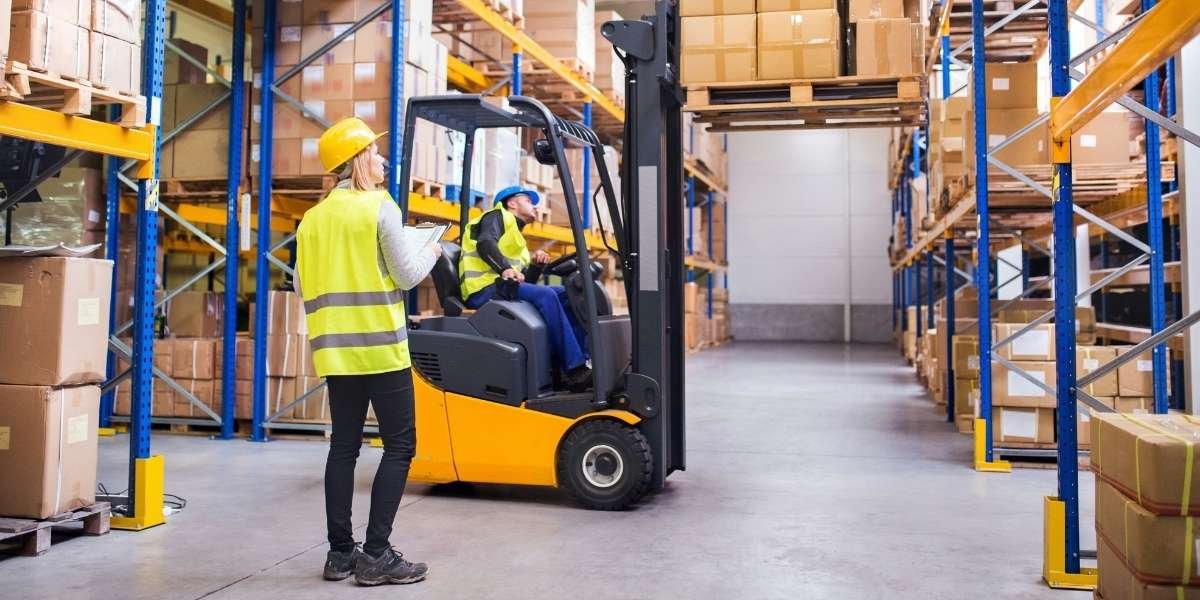
Tracking U.S. Business Inventories A Guide for Entrepreneurs

Photo Credit: Unsplash.com

Avoiding these issues starts with clarity. Entrepreneurs should define their inventory goals, choose systems that match their scale, and train teams to use them consistently. It’s also important to audit processes regularly and adjust as the business evolves.

Some founders find it helpful to start small, tracking a few key SKUs or locations, and expand as confidence grows. Others bring in consultants or fractional operations leads to set up systems that scale.

The Role of Inventories in Investor Conversations

For growth-stage startups, inventory management isn’t just an operational concern, it’s a talking point in investor meetings. VCs and lenders want to see that a business understands its supply chain, can manage working capital, and has a plan for scaling efficiently.

Clean inventory data supports stronger financial models, clearer forecasts, and more credible growth narratives. It also signals operational maturity, something investors value highly, especially in product-based businesses.

Entrepreneurs who can speak confidently about their inventory strategy are more likely to earn trust, and funding.

Inventories as a Strategic Asset

As technology continues to evolve, inventories will become even more central to business strategy. Integration with POS systems, CRM platforms, and supplier networks will create a more connected, responsive supply chain. Entrepreneurs who invest in these capabilities now will be better positioned to compete.

But the core principle remains the same: know what’s in stock, know what’s moving, and know what it means. Inventories aren’t just numbers, they’re signals. And the businesses that listen closely are the ones that thrive.