US Business News

How AI Inventory Systems Are Transforming U.S. Retail Logistics

AI inventory systems are changing how U.S. retail logistics operate, not through flashy tech jargon, but by solving everyday problems that have long frustrated store managers, warehouse teams, and supply chain planners. From miscounted stock to delayed shipments, the retail supply chain has always had its share of headaches. AI doesn’t erase those challenges overnight, but it’s helping retailers make smarter decisions with fewer errors and less guesswork.

An AI inventory system is a tool that learns patterns from data. It doesn’t just track what’s on the shelf or in the backroom, it predicts what will be needed, when, and where. That might sound simple, but the ripple effect across retail logistics is significant. Stores can avoid overstocking items that won’t sell, reduce waste from expired goods, and keep popular products available without constant manual checks. It’s not magic, just math and machine learning working together to make things run smoother.

Predictive Accuracy Is Changing the Game

One of the biggest shifts brought by AI inventory systems is how they handle forecasting. Traditional methods often rely on historical sales data and seasonal trends, which can be helpful but also limited. AI systems go further by analyzing real-time data from multiple sources, point-of-sale systems, weather forecasts, local events, and even social media chatter. This allows retailers to anticipate demand more precisely.
How AI Inventory Systems Are Transforming U.S. Retail Logistics

Photo Credit: Unsplash.com

For instance, if a heatwave is expected in a certain region, the system might predict a spike in sales for cold beverages and adjust inventory orders accordingly. If a product starts trending online, the system can flag it and recommend restocking before shelves run empty. These kinds of predictions aren’t just theoretical, they’re already being used to reduce stockouts and improve customer satisfaction.

It’s understandable that some retailers might feel overwhelmed by the idea of trusting a machine to make inventory decisions. After all, inventory management has long been a hands-on process. But AI doesn’t replace human judgment, it supports it. Managers still make the final call, but they’re working with better information than ever before.

Reducing Waste and Improving Sustainability

Retail logistics isn’t just about getting products from point A to point B. It’s also about minimizing waste, especially in sectors like grocery and apparel where unsold items can expire or go out of style quickly. AI inventory systems help by identifying slow-moving products early and adjusting future orders to avoid excess.

This kind of optimization has a direct impact on sustainability. Less waste means fewer items ending up in landfills and less energy spent on transporting goods that won’t sell. It also helps retailers save money by reducing markdowns and disposal costs. In a business where margins are tight, these small improvements add up.

Some stores are even using AI to manage perishable goods more efficiently. By tracking shelf life and sales velocity, the system can suggest markdowns at the right time to encourage purchases before expiration. It’s a subtle shift, but one that makes a big difference in both profitability and environmental impact.

Streamlining Warehouse and Fulfillment Operations

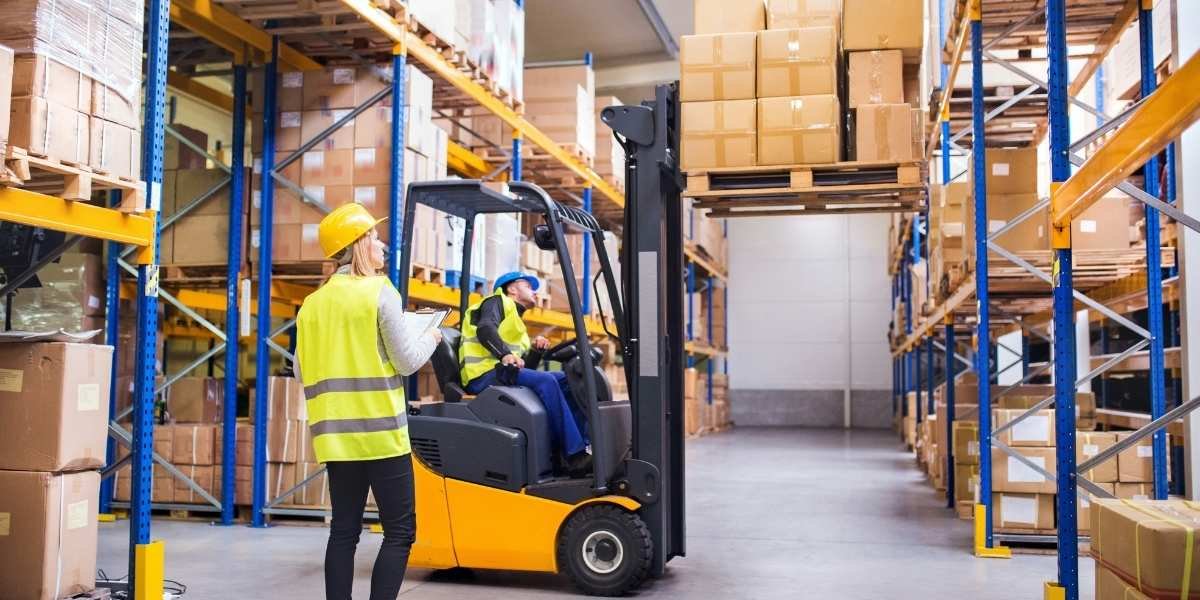
AI inventory systems aren’t just useful at the store level, they’re also reshaping how warehouses operate. In traditional setups, warehouse staff rely on manual counts and static spreadsheets to manage stock. That process is slow, prone to error, and hard to scale. AI systems automate much of this work by using sensors, cameras, and predictive algorithms to monitor inventory in real time.

This means fewer mistakes, faster order processing, and better coordination between warehouses and retail locations. If a store runs low on a product, the system can automatically trigger a restock from the nearest warehouse, factoring in delivery times and transportation costs. It’s not just about speed, it’s about making sure the right product gets to the right place at the right time.

Retailers with online sales channels also benefit from AI-driven fulfillment. These systems can prioritize orders based on urgency, location, and inventory availability, helping reduce shipping delays and improve customer experience. It’s a quiet but powerful shift that’s helping retailers compete more effectively in a crowded market.

Managing Supply Chain Disruptions More Effectively

Supply chain disruptions have become a familiar challenge for retailers, whether due to weather events, transportation delays, or unexpected demand spikes. AI inventory systems offer a way to respond more quickly and intelligently. By monitoring supply chain data in real time, these systems can flag potential issues before they escalate.

If a shipment is delayed, the system might suggest rerouting inventory from another location or adjusting promotional plans to focus on available products. If demand surges unexpectedly, it can recommend temporary substitutions or alternative sourcing options. These aren’t perfect solutions, but they help retailers stay flexible and avoid major losses.

It’s easy to feel frustrated by how unpredictable logistics can be. AI doesn’t eliminate that unpredictability, but it does offer tools to manage it more effectively. Retailers aren’t left guessing, they’re working with insights that help them adapt faster and smarter.

Balancing Automation With Human Oversight

While AI inventory systems offer clear benefits, they also raise questions about how much control should be automated. Retail logistics involves more than just numbers, it’s shaped by local preferences, store layouts, and human relationships. That’s why most retailers use AI as a support tool rather than a replacement for human decision-making.

The best results often come from a hybrid approach. AI handles the data-heavy tasks like forecasting and tracking, while managers focus on strategy, customer service, and adapting to local conditions. This balance allows retailers to stay efficient without losing the personal touch that defines good retail.

Some teams have even found that AI frees up time for more meaningful work. Instead of spending hours on manual inventory checks, staff can focus on improving store presentation or helping customers. It’s not about replacing jobs, it’s about shifting them toward higher-value tasks.

How AI Inventory Systems Are Transforming U.S. Retail Logistics

Photo Credit: Unsplash.com

AI inventory systems are quietly reshaping U.S. retail logistics by making everyday operations more accurate, responsive, and efficient. From forecasting demand to managing warehouse stock, these tools help retailers solve problems that have long slowed them down. The technology isn’t flashy, and it doesn’t promise perfection, but it’s helping stores run smarter and smoother.

For those who’ve struggled with inventory headaches, missed shipments, wasted stock, or unpredictable demand, AI offers a way forward that’s grounded in data and built for real-world challenges. It’s not a silver bullet, but it’s a step toward better logistics and more reliable retail operations.

From Fragmented Transfers to Global Platforms: How Airport Transportation Is Scaling Airport Mobility Worldwide

Airport ground transportation has been a fragmented market for a long time, with local operators, informal arrangements, and uneven service expectations prevailing. Locally, arriving at different airports for several decades, the same questions were on travelers’ minds: what means of transportation to take? Taxis, hotel shuttles, or last-minute rides? This was often done with little information about prices and availability. Airport transfers had to be as predictable as possible and coordinated as the number of international travelers kept growing and digital booking habits became standard across airlines and accommodations. The shift has led to the emergence of platform-based solutions that aim to organize a historically disjointed segment of the travel industry.

Before the change, airport transportation was a local business in most cases. The locals themselves, that is, individual drivers or small fleets, were able to negotiate access to terminals, set their rates, and the quality of the service was dependent on local regulation and oversight. Although language barriers, unclear fares, and inconsistent pickup procedures, travelers to new places had to manage.

With worldwide travel becoming more accessible and digital booking more familiar, trip planners had higher expectations for the service. Pre-booked transportation, fixed pricing, and arrival confirmation are mainly what travelers are increasingly seeking nowadays. In this scenario, companies like Airport Transportation have come to the forefront as part of a global mobility movement toward centralized platforms that coordinate airport mobility across regions.

The inception of Airport Transportation’s operations can be traced back to the early 1990s, when its activities were closely linked to the travel and tourism industries. The period was such that transportation coordination was mostly handled as a side provision within the wider travel arrangements, rather than as a separate division. The initial experiences mirrored the times, with all bookings done manually and services dependent on local knowledge and personal relationships.

The major change in direction occurred in 2010, when online reservation operations were introduced. The shift was in line with broader changes in travel technology, as airlines, hotels, and tour operators were all moving their booking systems online. By using digital platforms, transportation providers can accept bookings at a central location, standardize information, and even control demand from multiple locations simultaneously, allowing them to expand later.

Airport Transportation LLC was formed as a separate entity in the United States on November 24, 2023. The company is registered in Florida and has its main office in Miami. The incorporation of this company recognized the different activities that had been structurally engaged in the travel sector and the consolidation of organizational levels.

CEO Noël Urbain is the one the company board has entrusted to run the daily operations. According to publicly available materials, the company is primarily focused on growth and on standardizing service delivery through the platform model rather than owning vehicle fleets. This approach emphasizes coordination, oversight, and platform management across multiple markets.

Airport Transportation is a marketplace that connects travelers with local transportation providers. Unlike asset-heavy models that depend on company-owned fleets, this structure relies on partnerships with regional operators who provide vehicles and drivers. The platform handles booking, payments, and customer communication, while the local providers provide the service.

Centralized systems are a central element of this model. Booking interfaces, customer support channels, and service guidelines are under the platform’s control. This setup allows an overview of different regions with varying regulatory environments while preserving the same booking procedures and customer interaction protocols.

The platform offers private transfers in a sedan, sport utility vehicle, van, or group transport. These are usually pre-booked and equipped with features like flight monitoring and a generally agreed-upon pickup at the airport.

At some locations, there are also shared shuttle services you can subscribe to. These services pool passengers headed to the same area and are generally found in the leisure market, where cost is the deciding factor for the mode of transportation.

Some other services you can find in certain places include the option of a larger vehicle, ensuring your child is properly seated, pet transport, and drivers who speak two languages. The availability of these depends on the market and the capabilities of the local providers.

Airport Transportation has, first and foremost, given priority to airports with a high number of passengers and a strong flow of tourism. Recreational areas and large metropolitan centers exhibit not only consistent demand patterns but also infrastructure that facilitates coordinated pickup and drop-off operations.

By 2025, the company has expanded its presence to the Americas, Europe, and other markets worldwide. The publicly disclosed company is the one with airports in Cancun, Punta Cana, Miami, London, Paris, Rome, Naples, Istanbul, Athens, and Bangkok. The choice of extensions seems to be influenced by airport density, international travel demand, and tourism in the region.

Airport Transportation launched its worldwide booking platform to the public in March 2025. The rollout integrated worldwide booking capabilities with centralized customer support systems, helping travelers to arrange airport transfers across multiple regions through a single interface.

This platform integrates with other digital travel services that simplify travel by showing flights, accommodations, and ground transportation options. Although it is not a substitute for ride-hailing or local taxis, this model can be seen as part of a move toward pre-arranged airport mobility within the broader travel technology landscape.

The transportation system at the airport is based on a platform that sits between traditional taxis, hailing a ride via an application, and hotel-operated shuttles. Different regulatory considerations, pricing structures, and operational constraints are the three aspects that vary from one to the other. Platform models must carefully navigate local licensing requirements, airport access rules, and the trustworthiness of partners while engaging in centralized coordination.

Customer experience considerations are also different. Pre-booked transfers help reduce uncertainty, but they rely on accurate data exchange between airlines, platforms, and local providers. As more travelers digitally plan their end-to-end journeys, airport transportation platforms are becoming increasingly responsive to these demands.

The changes in airport ground transportation mirror broader shifts in the organization and consumption of travel services. Platform-based coordination brings standardized booking and oversight to a sector long heavily influenced by local variability. Airport Transportation is a case study of how these models are being implemented across international markets, especially in large-volume travel hubs. The role of centralized platforms in airport mobility, as expansion continues and regulatory environments change, remains a developing area in the global travel industry.