Tariffs on Italian Pasta: why this matters now
The U.S. Department of Commerce recently announced preliminary anti‑dumping duties on Italian pasta imports, with rates that could exceed 90%, plus an additional 15% EU tariff. Combined, this places the total burden at more than 100% on certain shipments. According to IBTimes, the move follows investigations into whether Italian producers were selling pasta below fair market value, undercutting U.S. manufacturers.
For executives and decision‑makers, this is not simply about pasta, it’s about how trade policy intersects with consumer behavior, retail strategy, and cultural identity. Pasta is more than a staple; it is a symbol of authenticity and lifestyle. The curiosity gap is clear: will U.S. shoppers accept higher prices for imported pasta, or will they shift loyalties to domestic brands?
The announcement comes at a time when grocery markets are already navigating inflationary pressures and shifting consumer expectations. Tariffs on Italian pasta could become a case study in how trade decisions ripple through everyday life, from supply chains to dinner tables.
The grocery market impact
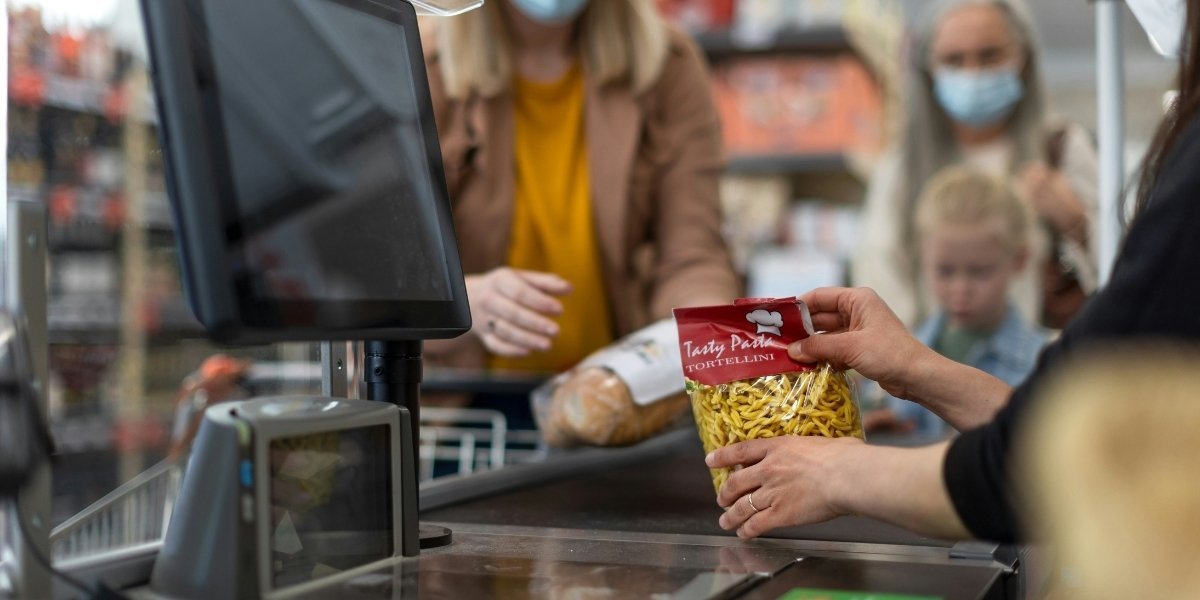
Industry analysts warn that tariffs on Italian pasta could significantly raise shelf prices. Popular brands such as La Molisana and Garofalo may face challenges in maintaining their U.S. presence. Wall Street Journal noted that retailers are already evaluating how to adjust product mixes and negotiate with suppliers.
For grocery executives, the question is not just about pasta, it’s about consumer psychology. Will shoppers trade down to private labels, or will they abandon pasta altogether in favor of rice, quinoa, or other staples? The answer will shape not only pasta sales but broader grocery trends.
Retailers may also see opportunities. Domestic pasta producers could position themselves as affordable alternatives, while private labels might emphasize value and accessibility. The tariff could create space for innovation, with U.S. brands experimenting with new recipes, packaging, and marketing campaigns to capture displaced demand.
Restaurants and food service providers will also need to adapt. Higher costs for imported pasta could lead to menu adjustments, portion changes, or creative substitutions. For executives in hospitality, this is a reminder that trade policy can directly influence customer experience.
Cultural framing: pasta as lifestyle
Italian pasta is not just food, it is culture. For decades, American households have embraced imported pasta as part of their culinary identity. Removing or pricing out these products risks more than lost sales; it risks altering the way families experience meals.
This cultural framing matters for executives. Pasta is tied to family dinners, hospitality, and even wellness trends. If tariffs reshape availability, how will retailers and brands reframe pasta for American consumers? Will domestic producers step in with “Made in USA” authenticity campaigns, or will shoppers turn to alternative cuisines?

Photo Credit: Unsplash.com
The curiosity gap here is compelling. Pasta has long been marketed as both affordable and aspirational. If tariffs change that equation, how will consumers respond? Will pasta become a luxury item, or will new narratives emerge to keep it central to American food culture?
Executives should also consider generational differences. Millennials and Gen Z consumers often value authenticity and global experiences. If Italian pasta becomes harder to find, will these demographics embrace domestic alternatives, or will they seek out specialty stores and online imports despite higher costs?
Trade tensions and executive decisions
The tariffs on Italian pasta are part of a broader pattern of U.S. trade tensions with Europe. For executives, this raises strategic questions: how resilient are supply chains when cultural staples become trade weapons? How should companies hedge against sudden tariff shocks?
Restaurants, hospitality, and even e‑commerce platforms will feel the impact. Decision‑makers must anticipate shifts in consumer sentiment and prepare messaging that balances transparency with reassurance. According to ExportPlanning, pasta imports from Italy represent a significant share of U.S. consumption, meaning the tariffs could reshape not only grocery shelves but also menus in restaurants nationwide.
The bigger question for executives is how to balance short‑term disruption with long‑term opportunity. Could tariffs encourage domestic innovation and investment? Or will they simply create gaps that frustrate consumers?
What tariffs on Italian pasta mean for U.S. business in 2025
For U.S. businesses, the new tariffs on Italian pasta imports highlight how trade policy can directly reshape consumer markets. Grocery executives, restaurant owners, and food distributors will need to anticipate higher costs and potential shifts in consumer demand. While imported pasta has long been positioned as a lifestyle staple associated with authenticity and tradition, tariffs could reposition it as a premium product. This creates both challenges and opportunities: domestic producers may gain market share, but they will also need to convince consumers that “Made in USA” pasta can deliver the same cultural and culinary value as Italian imports.
The broader implication for U.S. business in 2025 is that tariffs on Italian pasta serve as a reminder of supply chain vulnerability. Executives across industries are increasingly aware that cultural staples, from pasta to wine to olive oil, can become bargaining chips in trade disputes. Companies that rely on imported goods must now consider diversification strategies, hedging against sudden tariff shocks, and investing in domestic alternatives. According to Wall Street Journal, some retailers are already exploring partnerships with regional pasta makers to fill potential gaps, signaling that adaptation is underway even before tariffs are finalized.
Finally, the cultural framing of pasta as both everyday food and aspirational lifestyle product means the impact of tariffs will extend beyond economics. For restaurants, hospitality groups, and even e‑commerce platforms, the question becomes how to maintain consumer loyalty when authenticity is harder to access. Will tariffs encourage innovation in domestic branding, or will they push consumers toward niche specialty markets willing to absorb higher costs? For executives, the lesson is clear: tariffs on Italian pasta in 2025 are not just about price, they are about identity, strategy, and the evolving relationship between trade policy and consumer culture.