Long before digital thermal optics became common in civilian and outdoor markets, imaging systems were mostly limited to military and industrial use. Over the past two decades, falling sensor costs, better processing chips, and smaller battery systems changed that picture. These shifts made it possible for manufacturers to release handheld and weapon-mounted thermal devices for hunting, wildlife observation, and search tasks. Product families began to form around specific field uses, and updates came in cycles as technology improved. This broader trend shaped how brands structured their product lines and how users came to expect steady upgrades rather than one-time releases.
Within this setting, Pulsar developed multiple thermal imaging product families after the brand was launched in 2009 under Yukon Advanced Optics Worldwide. The parent company had already spent years working with optical systems, and by the early 2010s, thermal imaging had become a central focus of its consumer-facing portfolio. Rather than offering single models, the brand organized devices into long-running series that were updated across generations. These included handheld thermal monoculars, thermal binoculars, and thermal riflescopes, each designed for different field roles but often sharing sensor and software platforms.
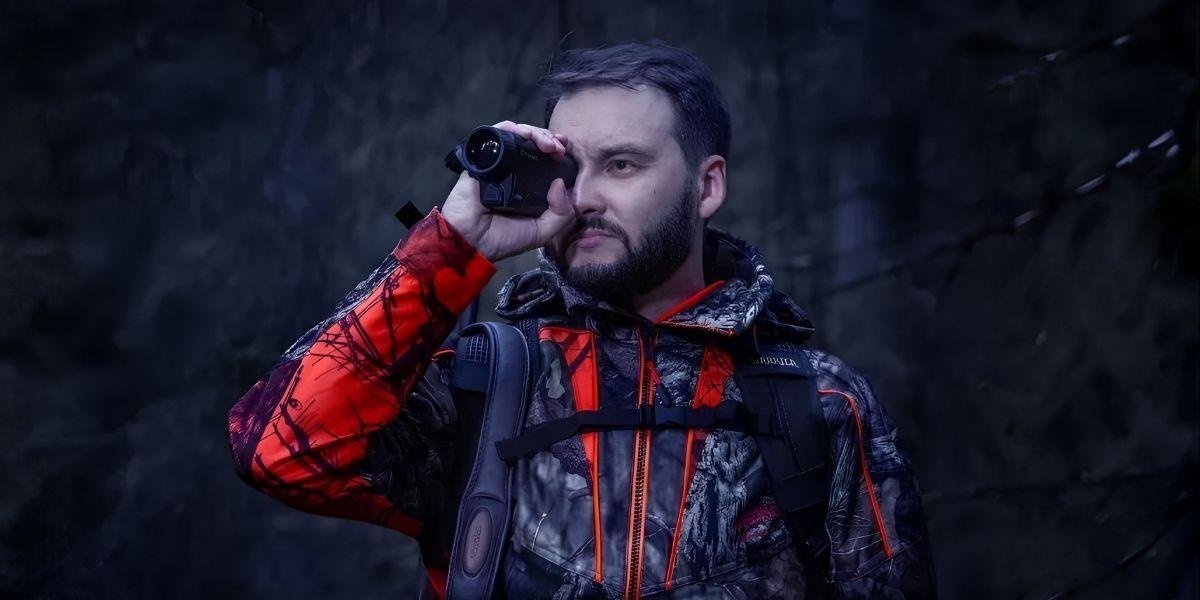
Handheld thermal monoculars were among the earliest and most widely used categories in the lineup. These devices were built for scouting and observation and did not require mounting to a firearm. Early models focused on basic heat detection and image clarity within short to medium ranges. Over time, sensor resolution increased, moving from lower pixel arrays to higher resolution microbolometer sensors that allowed clearer target identification. Processing electronics also improved, allowing faster refresh rates and smoother image movement. By the mid to late 2010s, many monocular models included digital recording and wireless connectivity for transferring images.
Thermal binoculars followed a similar path but were designed for longer viewing sessions and improved depth perception. Early versions used dual display systems while sharing a single thermal sensor, which reduced cost while improving comfort. Later generations added higher resolution displays and improved image scaling to reduce eye strain. Durability also became part of the update cycle, with housings designed to withstand rain, dust, and moderate impact. These changes reflected user feedback from hunting and wildlife observation markets, where long field sessions and variable weather conditions were common.
Thermal riflescopes became one of the most visible product groups associated with the brand during the 2010s. These devices combined thermal sensors with reticle systems and mounting hardware suitable for firearms. Early riflescope models focused on basic target detection and zeroing functions. As electronics advanced, later generations added digital zoom, ballistic profiles, and onboard video recording. Sensor improvements allowed higher base magnification without heavy image distortion. Housing materials were also reinforced to manage recoil stress and maintain zero over repeated use.
One feature that became more common across later generations was integrated software control. Devices introduced menu systems that allowed users to adjust contrast modes, color palettes, and brightness in the field. Wireless control through mobile devices also appeared on select models, allowing remote viewing and configuration. These updates did not replace earlier product families but were folded into existing series names, allowing users to recognize continuity while still gaining access to newer technology. This approach supported repeat buyers who were familiar with previous models.
Sensor development remained one of the most important drivers of generational change. Improvements in pixel pitch and sensitivity allowed detection of smaller temperature differences, which translated into clearer images at longer distances. Processing chips also improved, reducing lag and improving frame rates. While exact sensor specifications varied by model, the general pattern across the 2010s was a steady move toward higher resolution and better thermal contrast. These changes followed broader trends in the thermal imaging industry rather than isolated product jumps.
Durability standards also shifted over time. Early consumer thermal devices were often sensitive to moisture and temperature swings. Later models were built with sealed housings and wider operating temperature ranges. This allowed use in cold climates and humid conditions, which mattered for both European and North American outdoor users. Battery systems were also updated, moving from fixed internal cells to replaceable or rechargeable modular packs in some later platforms. These changes reflected practical field concerns rather than cosmetic updates.
Product continuity remained a consistent part of the development strategy. Instead of replacing entire lines, the brand updated existing families such as riflescope and monocular series with new internal components and revised housings. This allowed dealers and distributors to market newer models without reintroducing unfamiliar naming systems. It also helped maintain accessory compatibility in some cases, such as mounting solutions and power systems. From a market perspective, this reduced disruption while still allowing regular product refresh cycles.
By the late 2010s, thermal imaging had become one of the main product categories associated with Pulsar in consumer optics markets. The brand’s device families were positioned across price and performance tiers, with entry-level models aimed at casual users and higher specification units aimed at professional or frequent field use. Although not all models were available in every region due to local regulations, the core product families remained consistent across markets where civilian thermal optics were permitted.
The generational development of these devices continued into the early 2020s, with further updates to image processing and system integration. Some later platforms were designed to allow modular upgrades rather than full replacement, though this approach was still limited to select product lines. Throughout this period, development and production remained centered in Lithuania, with additional manufacturing support in Latvia under Yukon Advanced Optics Worldwide. This regional structure supported long-term product planning rather than short production runs.
From an industry perspective, the steady evolution of thermal monoculars, binoculars, and riflescopes reflected broader changes in consumer expectations. Users came to expect regular improvements in clarity, recording features, and battery life without major changes to device handling or controls. By maintaining consistent product families while updating internal systems, Pulsar followed a pattern common in electronics manufacturing, where brand recognition and technical upgrades move forward together rather than through complete redesigns.
As thermal imaging technology continues to develop, product families built during the 2010s remain part of the foundation for current and future models. While individual devices are replaced over time, the structure of monocular, binocular, and riflescope categories continues to define how thermal optics are marketed and used in outdoor and tactical settings. Within this framework, Pulsar’s generational approach reflects an emphasis on gradual technical change rather than abrupt shifts, shaped by both industry standards and field-based use patterns. The brand continues to operate under Yukon Advanced Optics Worldwide, maintaining its development centers in Lithuania and Latvia, where product updates are planned and tested before reaching international markets.