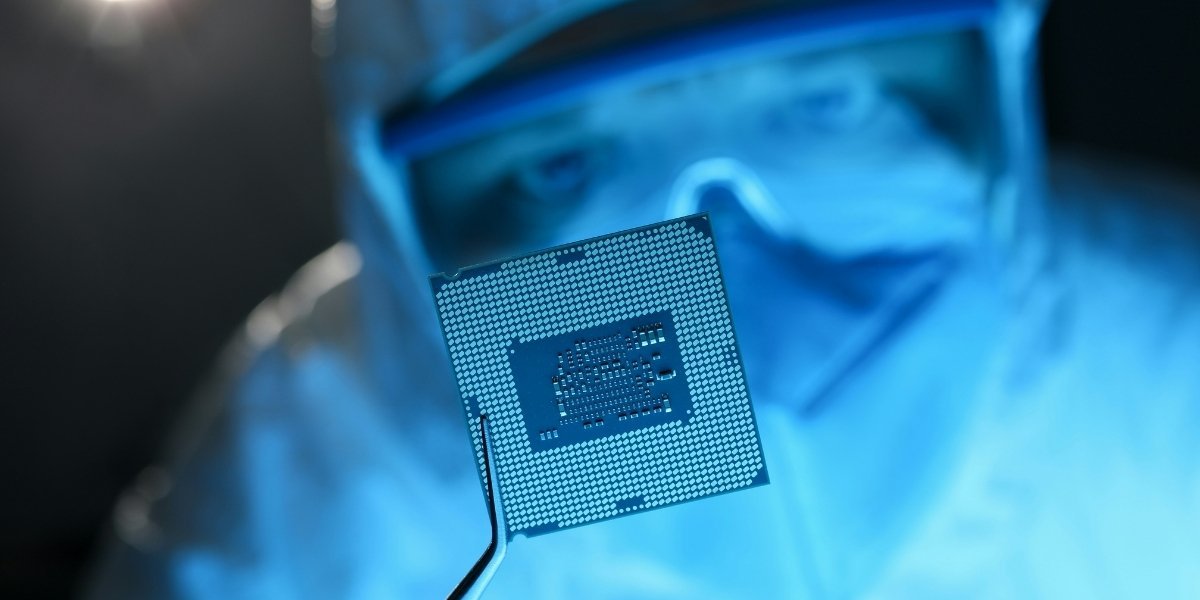
Intel AI infrastructure plans moved forward after the company announced increased investment in manufacturing capacity and raised its capital spending outlook in response to stronger enterprise demand for data center processors supporting artificial intelligence workloads. The announcement also reaffirmed Intel’s roadmap for its next-generation manufacturing technology and reflected continued investment in semiconductor production.
Key Takeaways
- Intel increased its capital spending forecast to support AI-related processor demand.
- Enterprise demand for data center CPUs contributed to expanded infrastructure plans.
- Intel reaffirmed its roadmap for high-volume production using its 14A manufacturing process.
- The company reported multi-year customer agreements for data center processors and AI accelerators.
- Intel said demand for AI computing has influenced its manufacturing investment strategy.
Intel announced expanded investment plans for AI infrastructure after reporting stronger demand for processors used in enterprise data centers. The company increased its capital spending forecast for the current year and confirmed continued investment in manufacturing technologies designed to support future generations of advanced semiconductors.
Company executives said demand for central processing units used in AI-enabled data centers exceeded earlier expectations, prompting Intel to revise its spending plans. The updated outlook reflects additional investment in manufacturing capacity intended to support long-term production requirements for enterprise computing customers.
The company also confirmed progress toward its 14A semiconductor manufacturing process, which remains a central element of Intel’s strategy to produce advanced chips for both internal products and external foundry customers. Executives stated that customer engagement surrounding the manufacturing platform strengthened during the latest quarter.
Intel Expands AI Infrastructure Plans Following Enterprise Demand
Intel said growing enterprise adoption of AI applications has increased demand for processors used in cloud computing and data center environments. Company executives reported that organizations deploying AI workloads continue to require high-performance CPUs alongside specialized AI accelerators to support a broad range of computing tasks. Businesses expanding AI deployments are also evaluating new Google AI chips for enterprise inference as organizations assess computing options for AI workloads.
The company stated that demand has been particularly strong for processors supporting enterprise AI deployments, including workloads involving autonomous software agents and advanced computing applications. Intel reported that orders for certain data center CPUs exceeded available manufacturing capacity during the quarter.
Executives also confirmed that customer demand contributed to the company’s decision to expand investment in production capabilities. Intel said it remains focused on increasing manufacturing output while maintaining its long-term technology roadmap.
The company reported that enterprise customers continue to sign multi-year agreements covering future processor deliveries. These agreements include products intended for data centers and AI computing environments, providing greater visibility into future production requirements.
Capital Spending Outlook Increases for Semiconductor Production
Updated Investment Forecast
Intel increased its projected capital expenditures for the year from $18 billion to $20 billion. Company executives stated that spending is also expected to rise further during the following year as manufacturing projects continue.
The increased investment is intended to support production capacity for processors used in enterprise computing and artificial intelligence workloads. Intel said manufacturing expansion remains aligned with customer commitments and anticipated demand for future products.
Executives stated that the company continues to evaluate investment decisions carefully while maintaining financial discipline. They also noted that long-term customer agreements provide additional confidence when planning manufacturing capacity.
Manufacturing Capacity Priorities
Intel said its investment strategy focuses on expanding semiconductor production capabilities while preparing facilities for future manufacturing technologies. These investments support both Intel-designed products and the company’s contract manufacturing operations. The company’s manufacturing priorities also align with ongoing discussions surrounding U.S. AI semiconductor export rules and their impact on domestic chip production.
The company continues to position its foundry business as an important component of its manufacturing strategy. Executives stated that customer engagement for future production technologies has improved, supporting confidence in planned manufacturing expansion.
Intel also confirmed that production planning considers both current processor demand and future customer commitments. Manufacturing investments are expected to support increasing requirements from enterprise customers deploying AI-enabled computing infrastructure.
Data Center CPU Orders Support Manufacturing Strategy
Multi-Year Customer Agreements
Intel reported that it has secured multi-year agreements with customers purchasing data center processors and AI accelerators. Company executives said these agreements typically extend between three and five years and include commitments covering future product deliveries.
Some agreements include both pricing and volume commitments, while others focus primarily on production volumes. Intel stated that these long-term arrangements assist manufacturing planning by providing greater visibility into customer demand.
The company said enterprise customers continue investing in infrastructure capable of supporting AI computing workloads. These purchasing commitments contribute to Intel’s production planning and capital allocation decisions, reflecting a new frontier for enterprise AI as organizations integrate advanced computing into business operations.
AI Workload Requirements
Intel stated that enterprise AI deployments require substantial computing resources beyond specialized accelerators alone. Central processing units remain responsible for many core computing functions within data center environments, including workload management, system coordination, and application execution.
Executives reported that growing adoption of AI agents has contributed to stronger demand for server processors. These systems support enterprise applications that perform automated tasks requiring continuous processing across large-scale computing environments.
Intel also reported stronger performance in its data center and AI business during the latest quarter, reflecting continued customer demand for enterprise computing products.
Intel Reaffirms 14A Process Roadmap for Future Production
Intel confirmed that development of its 14A manufacturing technology continues according to its planned roadmap. Company executives said recent customer engagement increased confidence in achieving high-volume production using the process beginning in 2028.
The 14A process represents Intel’s next generation of semiconductor manufacturing technology. The company intends to use the platform for future processors while also offering manufacturing services to external customers through its foundry business.
Executives stated that progress during the latest quarter strengthened the company’s commitment to advancing the manufacturing process. Intel said customer interest has improved compared with previous expectations, supporting continued investment in production technology.
The company also indicated that manufacturing development remains an important element of its broader semiconductor strategy. Continued investment in advanced fabrication technologies is intended to strengthen production capabilities for future enterprise computing products.
Enterprise AI Adoption Shapes Long-Term Infrastructure Investment
Demand for Data Center Computing
Intel reported that enterprise customers continue expanding data center infrastructure to support artificial intelligence applications. Organizations deploying AI workloads require computing platforms capable of processing increasing volumes of enterprise data while maintaining system performance.
The company stated that CPUs remain essential components of these environments because they coordinate many computing tasks performed alongside AI accelerators. Enterprise deployments typically combine multiple processor technologies depending on workload requirements.
Intel said the continued expansion of enterprise AI computing has influenced customer purchasing decisions for both processors and supporting infrastructure.
Long-Term Production Planning
Intel stated that future manufacturing decisions will continue to reflect customer demand and long-term production requirements. The company said multi-year agreements and increased enterprise investment in AI computing support continued expansion of manufacturing capacity.
Executives confirmed that production planning includes both internally designed products and semiconductor manufacturing services provided to external customers. The company also reaffirmed its commitment to advancing manufacturing technologies that support future enterprise computing platforms.
Intel’s updated investment plans reflect the company’s focus on expanding production capabilities while meeting growing requirements from organizations deploying AI-powered data center infrastructure. Companies scaling these facilities are also monitoring AI data center electricity costs as power demand becomes an increasingly important operational consideration.
Frequently Asked Questions
What are Intel AI infrastructure plans?
Intel AI infrastructure plans include increased capital spending, expanded semiconductor manufacturing investment, and continued development of advanced chip production technologies to support enterprise AI computing.
Why did Intel increase its capital spending forecast?
Intel increased its capital spending forecast after reporting stronger enterprise demand for data center processors supporting artificial intelligence workloads and additional manufacturing requirements.
What is driving demand for Intel’s data center processors?
Intel said enterprise adoption of AI applications and expanding data center computing requirements have increased demand for processors used alongside AI accelerators.
What is Intel’s 14A manufacturing process?
Intel’s 14A manufacturing process is the company’s next-generation semiconductor fabrication technology that it plans to use for future processors and foundry customers, with high-volume production targeted for 2028.
How does enterprise AI affect demand for data center CPUs?
Enterprise AI deployments require central processing units to manage computing tasks, coordinate workloads, and support applications operating alongside specialized AI accelerators, contributing to increased demand for data center processors.