Bristol Myers Squibb plans to invest about $2.3 billion in a new pharmaceutical manufacturing facility in Houston, Texas. The roughly 600,000-square-foot site is expected to create nearly 500 skilled jobs and about 2,000 construction-related jobs as the company expands its U.S. manufacturing capacity.
Key Takeaways
- Bristol Myers Squibb plans to invest about $2.3 billion in the Houston facility.
- The site is expected to cover roughly 600,000 square feet.
- The facility is expected to create nearly 500 skilled jobs.
- Construction and related work could generate about 2,000 jobs between 2027 and 2030.
- The facility is planned to manufacture small-molecule medicines, biologics and antibody-drug conjugates.
Bristol Myers Squibb plans to invest about $2.3 billion in a new manufacturing facility in Houston, Texas, adding pharmaceutical production capacity and creating jobs connected to the project. The planned investment makes the Houston site a major U.S. manufacturing project for the company.
The facility is expected to cover roughly 600,000 square feet. Its planned scale will provide space for manufacturing operations involving several types of medicines, including small-molecule medicines, biologics and antibody-drug conjugates.
The project also has a direct employment component. Bristol Myers Squibb expects the completed facility to create nearly 500 skilled jobs. Those positions will add to the workforce associated with pharmaceutical manufacturing operations at the Houston site.
Construction and related work are expected to generate additional employment. The project could create about 2,000 construction-related jobs between 2027 and 2030.
The investment therefore covers both the long-term manufacturing operation and the construction activity required to establish the facility. The separate employment figures reflect the different stages of the project.
For Houston, the planned facility represents a significant pharmaceutical manufacturing investment with both construction and operational employment components. For Bristol Myers Squibb, the project provides additional physical capacity for manufacturing medicines across multiple product categories.
Houston Facility Adds Pharmaceutical Manufacturing Capacity
The planned Houston facility will be used for pharmaceutical manufacturing rather than serving only as an administrative or corporate location. Its approximately 600,000-square-foot footprint is intended to accommodate production operations for different types of medicines.
Small-molecule medicines are included among the products planned for the facility. The site is also expected to support the manufacture of biologics and antibody-drug conjugates.
The inclusion of these product categories gives the facility a broader manufacturing purpose than a site dedicated to a single type of medicine. Each category represents a distinct area of pharmaceutical production covered by the planned operation.
The facility’s manufacturing role also distinguishes the investment from projects focused primarily on research, offices or other corporate functions. The planned site is intended to provide physical production capacity in Houston.
The $2.3 billion investment is tied directly to establishing this manufacturing operation. The project combines the construction of a large facility with the equipment and infrastructure required for pharmaceutical production.
The planned capacity will also require skilled workers. Bristol Myers Squibb expects nearly 500 skilled jobs to be created once the facility is established.
The Houston project therefore connects capital investment with manufacturing infrastructure and employment. These elements form the central components of the company’s planned development.
The planned investment also relates to broader discussions around domestic pharmaceutical production. Previous coverage of U.S. pharmaceutical supply chains has examined how manufacturers are responding to pressures involving domestic production and drug sourcing.
Small-Molecule and Complex Drug Production
The facility is planned to manufacture both small-molecule medicines and more complex products. Biologics and antibody-drug conjugates are specifically included in the planned production activities.
This combination means the site is designed to support multiple pharmaceutical manufacturing requirements within the same facility. The product mix also requires the site to accommodate different production processes associated with these medicine categories.
The planned operations will make the Houston location part of Bristol Myers Squibb’s U.S. pharmaceutical manufacturing capacity. The company is committing $2.3 billion to establish the facility and its associated production capabilities.
New Campus Targets Nearly 500 Skilled Jobs
Employment is a central component of the Houston project. Bristol Myers Squibb expects the completed facility to create nearly 500 skilled jobs.
The jobs will be associated with the operation of the pharmaceutical manufacturing site. Their inclusion in the project plans reflects the workforce required to operate a facility producing small-molecule medicines, biologics and antibody-drug conjugates.
The employment figure applies to the facility’s ongoing operations rather than the temporary construction workforce. Construction and related work are expected to generate a separate group of approximately 2,000 jobs.
The distinction between the two employment figures is important to the project’s overall economic footprint. Nearly 500 skilled jobs are tied to the manufacturing operation, while approximately 2,000 jobs are connected to construction and related work between 2027 and 2030.
The planned workforce also corresponds with the size of the facility. A site covering roughly 600,000 square feet will require personnel to support its manufacturing activities and related operations.
The project consequently has two distinct employment phases. Construction and related activity will generate jobs during the development period, followed by the skilled manufacturing positions associated with the completed facility.
The employment plans are part of the project’s stated scope and provide a measurable component of the $2.3 billion investment.
The employment component also fits with the workforce requirements associated with large commercial and industrial projects. A previous report on skilled construction workforce demand examined labor needs connected with major commercial development in Texas.
Construction Project Includes About 2,000 Related Jobs

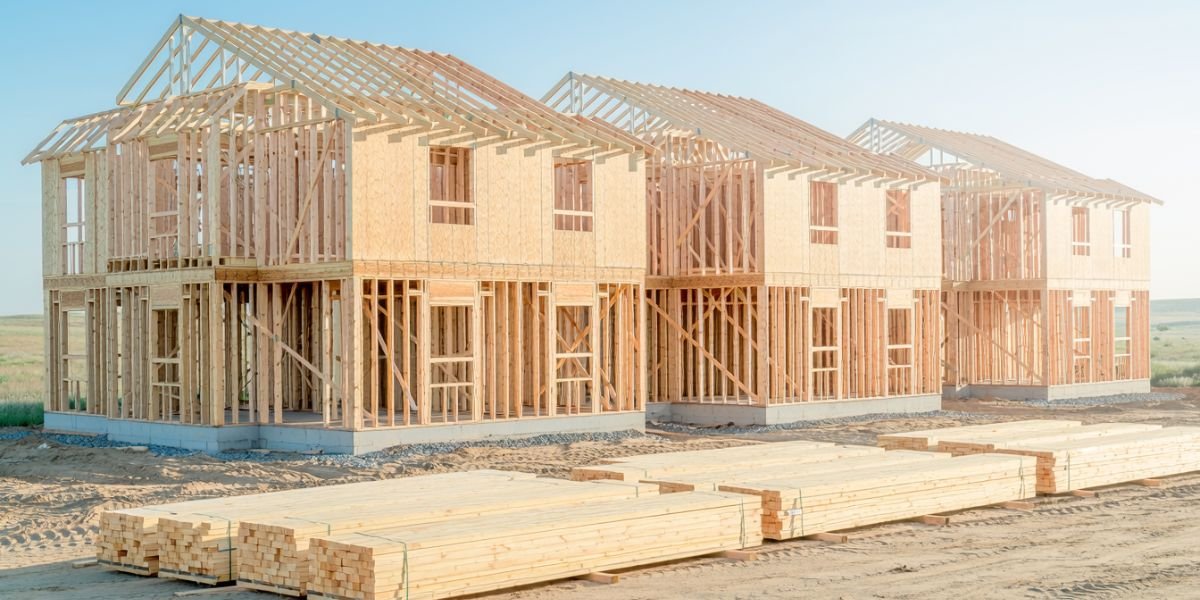
Photo Credit: Unsplash.com
Construction and related work connected with the Houston facility could generate about 2,000 jobs between 2027 and 2030.
Those positions are separate from the nearly 500 skilled jobs expected at the completed manufacturing site. The construction-related figure represents employment connected to building and establishing the facility.
The 2027–2030 period provides the stated timeframe for the construction and related employment associated with the project. The manufacturing workforce figure applies to the facility’s planned operations.
The project therefore extends beyond the eventual pharmaceutical manufacturing workforce. Its development phase is expected to involve a substantially larger number of construction-related positions than the number of ongoing skilled manufacturing jobs planned for the finished site.
The construction activity will support the physical development of the approximately 600,000-square-foot campus. The scale of the facility requires a substantial construction effort before pharmaceutical manufacturing operations can begin.
The employment figures provide two measurable indicators of the project’s scope. The nearly 500 skilled jobs represent the planned operational workforce, while the approximately 2,000 construction-related jobs represent employment associated with development of the site.
The stated timeframe also gives the construction phase a defined period. Jobs connected with construction and related work are expected between 2027 and 2030.
Facility Designed for Multiple Drug Manufacturing Needs
The Houston facility is planned to support the manufacture of several categories of medicines, including small-molecule medicines, biologics and antibody-drug conjugates.
Future Expansion and Reconfiguration
The facility is designed with the ability to support future expansion or reconfiguration as production requirements change.
That design provides flexibility within the planned manufacturing site. Rather than limiting the facility to a single fixed production purpose, the project is structured to accommodate changes in manufacturing needs.
The ability to expand or reconfigure the site is part of the facility’s planned design. It provides space and infrastructure intended to support different manufacturing requirements over the life of the facility.
The planned production mix also gives the site several manufacturing functions. Small-molecule medicines, biologics and antibody-drug conjugates are all included in the facility’s intended operations.
Texas Incentives for the Project
The Houston project includes state support. Texas has offered the development a Texas Enterprise Fund grant of $4.89 million.
The project is also eligible for additional state incentives. These incentives are connected with the planned development and provide public support alongside Bristol Myers Squibb’s $2.3 billion investment.
The state support is separate from the company’s capital commitment. Bristol Myers Squibb remains responsible for the planned $2.3 billion investment in the manufacturing facility.
The combination of corporate investment and state incentives forms part of the project’s financing and development framework. The planned facility will add pharmaceutical manufacturing infrastructure in Houston while creating both construction-related and skilled operational jobs.
Frequently Asked Questions
How much is Bristol Myers investing in Houston?
Bristol Myers Squibb plans to invest about $2.3 billion in the new Houston pharmaceutical manufacturing facility.
How large will the Bristol Myers Houston facility be?
The planned facility is expected to cover roughly 600,000 square feet.
How many jobs will the Houston project create?
The completed facility is expected to create nearly 500 skilled jobs. Construction and related work could generate about 2,000 additional jobs between 2027 and 2030.
What medicines will the Houston facility manufacture?
The facility is planned to manufacture small-molecule medicines, biologics and antibody-drug conjugates.
When will construction-related jobs begin?
Construction and related employment connected with the project is expected during the 2027–2030 period.