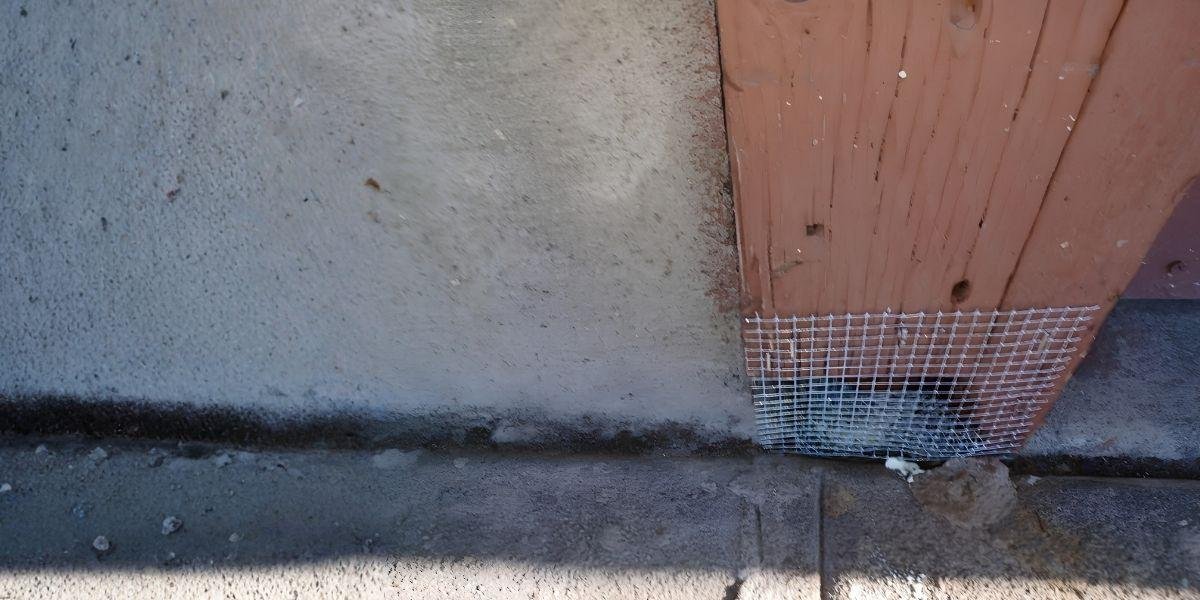
Rodent control has long been a routine part of property maintenance in both residential and commercial environments, yet the needs of large institutions and specialized facilities often present challenges that are not easily solved through standard extermination practices. Many property owners rely on conventional trapping and poison-based systems, although these methods do not always resolve recurring problems. In regions where urban growth, aging structures, and dense utility networks intersect, rodents can exploit weak points that require more extensive solutions. These circumstances have influenced how specific organizations approach prevention and management strategies across the western United States.
Within this broader context, Myzzer Rodent Exclusion emerged as part of a movement toward physical exclusion methods rather than chemical dependency. The company was founded in 2003 in Seattle by Chris Sean and grew during a period when many property managers were reevaluating the long-term effectiveness of standard extermination services. As the company developed its service model, it began receiving requests from clients facing complicated infestation patterns that needed more than periodic treatment cycles. Over time, the organization expanded from its Seattle base to cities such as Los Angeles and Las Vegas, areas known for diverse building types and high demand for facility maintenance.
The client base for the company widened as its approach became more familiar to organizations with recurring structural concerns. Homeowners formed a large portion of early service requests, particularly in neighborhoods where attics and crawl spaces created small but persistent entry points. These visits often involved sealing gaps and removing interior rodents, along with repairing related damage. The company’s records indicate that more than 50,000 properties have been serviced under its program across the western region, a figure that suggests sustained demand for preventive exclusion methods rather than reactive extermination routines. The scale of that number reflects repeated reliance from local communities over a span of two decades.
Property managers became another significant group using the company’s services. Multifamily buildings, rental complexes, and commercial structures often house numerous utility conduits, vents, and shared walls that can create multi-unit infestation challenges. Traditional treatment can reduce rodent populations for a period of time, yet management teams sometimes find themselves dealing with recurring problems when underlying structural access points are not sealed. The exclusion approach used by the company, guided by Sean’s methods, brought property managers a service that focused on longer-term adjustments to the building envelope. This positioned the organization as a recurring option for those seeking preventive maintenance rather than repetitive extermination cycles.
City agencies also became part of the company’s client range. Municipal facilities may include storage buildings, maintenance yards, and older administrative structures that experience rodent activity linked to waste handling or aging infrastructure. These agencies handle public assets and, therefore, often seek approaches that limit chemical exposure in places used by employees or the public. As local governments explored non-toxic methods for compliance and safety reasons, several turned to exclusion-based services. This shift reflected a growing interest in structural solutions rather than chemical dependence in public facilities, particularly in environmentally cautious regions.
Another notable group of clients consisted of cell tower operators. These sites involve electrical panels, wiring cabinets, and transmission equipment that must remain undamaged to maintain service reliability. Rodent activity in such locations can cause costly outages, making prevention a priority. The company provided sealing work around conduits and equipment bases to reduce the chance of rodents compromising sensitive components. These tasks required attention to small but vital access points, demonstrating how exclusion methods were applied in specialized technical environments.
Branches of the United States military also sought support from the company for specific rodent-related concerns. Military properties can include varied structures such as administrative buildings, storage units, and training facilities. Some of these locations face environmental conditions that support rodent movement, especially in rural or semi-rural surroundings. When standard extermination methods did not fully contain these issues, the military turned to exclusion-based services to protect assets and maintain operational readiness. These engagements demonstrated that the company’s methods reached beyond residential and commercial fields into institutional settings requiring consistent environmental control.
Across these client categories, the company encountered infestations that had persisted despite attempts by traditional exterminators. In many cases, chemical treatments eliminated some rodents but did not block structural access points that allowed new populations to enter again. As a result, organizations experiencing repeated cycles of infestation began exploring more preventive strategies. The company positioned itself not through promotional messaging but through its ability to work in environments where sealing and repair were necessary for long-term reduction. This approach gradually shaped its reputation within sectors that needed structural intervention more than short-term removal.
Client relationships also contributed to the company’s market reach. Long-term partnerships developed when organizations realized that exclusion required periodic inspections and occasional updates. Property managers sometimes arranged annual or semi-annual checks, while city agencies scheduled services as part of routine facility maintenance. These repeat engagements allowed the company to expand its operational footprint and maintain steady demand across multiple regions. The growth into Los Angeles and Las Vegas reflected a response to requests from clients with multi-city portfolios as well as from new customers seeking alternatives to conventional methods.
Myzzer Rodent Exclusion, led by Chris Sean, built its client base across homeowners, agencies, and institutions over several decades by providing exclusion-based services in place of standard treatments. Its role within the industry reflects a broader shift toward preventive building maintenance and reduced dependence on chemical methods. As of today, the work performed by the company illustrates how rodent control practices have diversified across the western United States and how clients with specialized needs have adopted alternative methods as part of their long-term maintenance strategies.