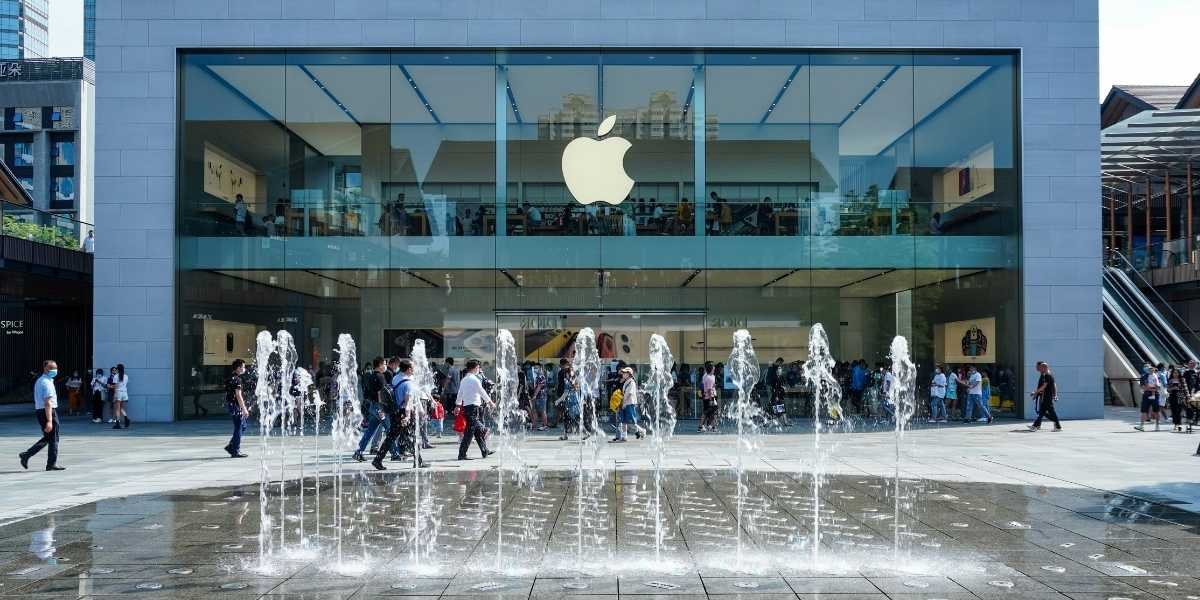
Apple store closures are drawing attention as Apple Inc. continues to review parts of its U.S. retail network, with select locations identified for potential shutdown based on local conditions and long-term performance.
Apple Store Closures Reported in Select U.S. Locations
Apple has evaluated certain U.S. stores as part of its ongoing retail review process. Locations referenced in industry coverage include Towson, Maryland; Trumbull, Connecticut; and Escondido, California.
At this stage, there is no widely confirmed corporate announcement from Apple or major financial disclosures outlining a coordinated closure across all three sites. Available information suggests that any decisions tied to these locations are being handled individually rather than as part of a large-scale reduction.
Apple’s public position has remained consistent, indicating that store openings and closures are reviewed periodically to ensure each location aligns with customer demand and operational priorities. This suggests that adjustments may continue to occur on a selective basis.
Apple Prioritizes Locations With Sustained Foot Traffic
Apple’s retail strategy places weight on store environments that continue to attract steady visitor traffic. Locations within high-performing shopping districts or urban centers tend to remain a focus, particularly where surrounding tenants contribute to consistent consumer activity.
Retail observers have pointed to ongoing changes in traditional mall performance across the United States. Some enclosed shopping centers have experienced reduced occupancy as retailers shift toward open-air developments or standalone formats. These changes can influence the performance of technology stores that rely on regular foot traffic and a broader mix of nearby services.
In situations where surrounding retail activity declines, companies may reassess whether maintaining a presence in that specific location remains effective over time. Apple’s approach appears to reflect this type of evaluation, with decisions tied to long-term viability rather than short-term fluctuations.
Apple Continues Investment in Flagship Retail Spaces
While select closures are under review, Apple continues to develop and upgrade flagship stores in key markets. These locations are designed to accommodate a higher volume of visitors while offering expanded services and product displays.
Flagship stores often feature larger layouts and dedicated areas for technical support, product demonstrations, and training sessions. The design of these spaces reflects a broader shift toward creating environments where customers can interact with products and receive assistance beyond a standard retail transaction.
This approach allows Apple to concentrate resources in locations that support both customer engagement and operational efficiency. Fewer but larger stores may serve wider regions, depending on local demand and accessibility.
Apple Stores Shift Toward Service and Support Functions
Apple’s physical stores are increasingly positioned as service-oriented spaces. Customers frequently visit for technical assistance, device setup, and software support rather than solely for purchases.
This shift aligns with broader consumer behavior, where a significant portion of product transactions now occurs through online channels. Physical stores remain relevant as locations for in-person guidance, troubleshooting, and hands-on interaction with devices.
For customers affected by potential closures, Apple typically directs support through nearby stores, authorized service providers, or digital channels. This layered approach allows the company to maintain service access even where a dedicated store may no longer operate.
Apple Expands Digital Retail and Remote Assistance
Apple has continued to expand its digital capabilities alongside its physical retail presence. Online platforms offer product guidance, customer support, and purchasing options that replicate many in-store functions.
Virtual consultations with Apple specialists provide an alternative to in-person visits, while app-based tools allow users to manage support requests and explore product features remotely. Augmented reality features also enable customers to visualize devices in real-world settings, which may reduce reliance on physical demonstrations.
Logistics improvements, including more efficient delivery networks, have supported faster order fulfillment. These developments allow customers to access products without depending on local store inventory.
Apple Manages Workforce Transitions With Store Changes
When store adjustments occur, Apple has indicated in past instances that it aims to provide employees with options to transition within the company. This may include transfers to nearby locations or opportunities to apply for other roles.
Such practices help maintain continuity in staffing and customer service. Workforce planning remains part of broader operational changes, with attention given to both employee retention and evolving business needs.
Specific arrangements can vary depending on location, local employment conditions, and internal policies.
Apple Store Closures Reflect Measured Retail Adjustments
Apple store closures remain limited in scope and appear to be part of a measured process rather than a broad shift away from physical retail. The company continues to balance selective closures with investments in larger stores and expanded digital services.
The overall direction suggests a focus on maintaining a streamlined network that supports both in-person and remote engagement. Changes to individual locations may continue as Apple evaluates performance, customer patterns, and the condition of surrounding retail environments.
How Apple continues to adjust its store network alongside digital growth will likely remain a point of attention as retail conditions evolve.