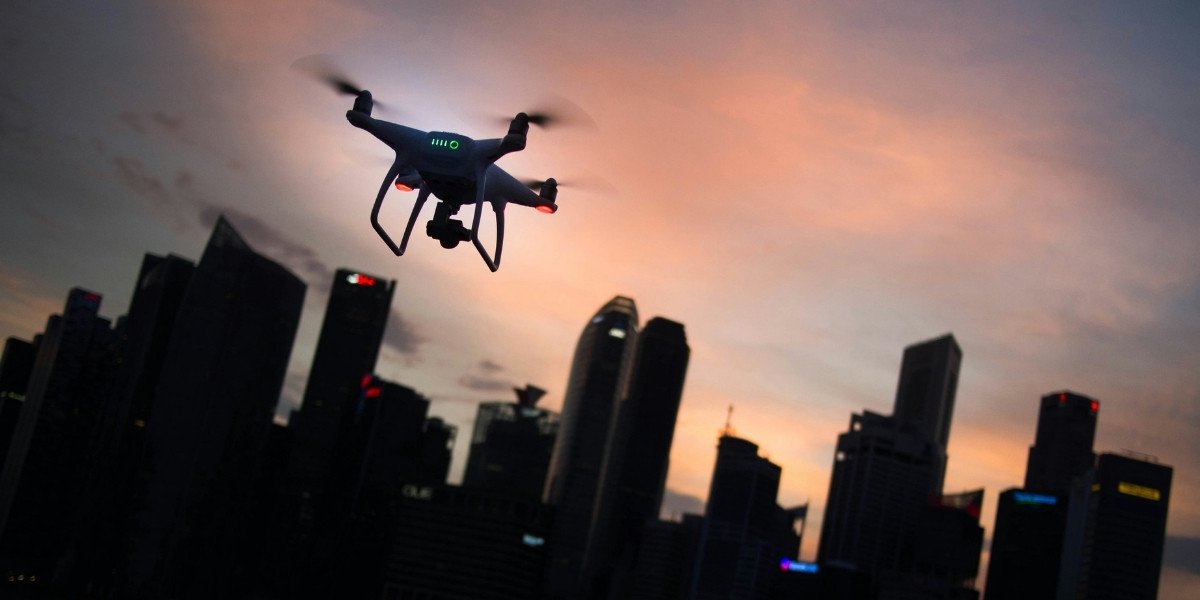
Commercial drone delivery providers and major retailers are preparing for broader U.S. operations as proposed Federal Aviation Administration rules aim to simplify drone flights beyond an operator’s visual line of sight. The changes could reduce operational barriers and support expanded last-mile delivery services for businesses and consumers.
Key Takeaways
- The FAA has proposed rules that would simplify certain commercial drone operations.
- Drone companies and retailers are preparing to expand U.S. delivery networks.
- Beyond-visual-line-of-sight operations could reduce deployment costs and improve scalability.
- Retailers are testing drone delivery for small, time-sensitive consumer orders.
- Industry participants expect regulatory changes to support broader commercial adoption.
Commercial drone delivery companies, retailers and logistics providers are preparing for broader deployment across the United States following proposed Federal Aviation Administration rules that would simplify flights beyond an operator’s direct visual line of sight. The proposal is significant because current operating requirements have limited the scale of many commercial programs despite growing interest from retailers and technology companies.
The proposed FAA framework would reduce reliance on lengthy waiver processes that operators currently use to conduct beyond-visual-line-of-sight flights. Industry participants have stated that obtaining these approvals can require substantial time and resources, slowing commercial expansion even after successful pilot projects.
The regulatory proposal follows federal efforts to support wider adoption of drone technology for commercial applications. Businesses involved in logistics and autonomous aviation are evaluating how the revised framework could allow larger delivery networks while reducing operational complexity.
What Changes Has the FAA Proposed for Commercial Drone Delivery?
The FAA has proposed rules that would establish a broader pathway for certified operators to conduct commercial drone flights beyond the pilot’s direct visual line of sight. Existing regulations generally require operators to secure individual waivers before conducting these missions.
Beyond-visual-line-of-sight operations
Beyond-visual-line-of-sight operations allow drones to continue flying without a person maintaining continuous visual contact with the aircraft throughout the mission. Commercial operators have identified this capability as an important requirement for expanding delivery networks across larger service areas.
Several drone companies have previously received FAA waivers allowing these operations, but the approval process has varied by project. The proposed rule is intended to provide a more standardized regulatory framework for qualifying operators.
Industry participants have indicated that removing the need for repeated waiver applications could reduce deployment timelines and improve planning for commercial services.
Why Are Companies Expanding Commercial Drone Delivery?
Businesses are evaluating commercial drone delivery as one option for improving last-mile logistics, particularly for lightweight and time-sensitive purchases. Retailers have tested the technology for products such as household essentials, over-the-counter medications, pet supplies and prepared food.
Companies involved in autonomous aviation also view drone delivery as a way to reduce travel distances for certain local deliveries while providing faster fulfillment within defined service areas.
Operational costs and delivery efficiency
Current commercial operations often require additional personnel to comply with existing regulations. Industry executives have stated that broader authorization for beyond-visual-line-of-sight flights could allow fewer operators to supervise multiple aircraft simultaneously, improving operational efficiency.
Businesses are also evaluating drone delivery alongside existing transportation methods rather than as a replacement for traditional vehicle fleets. Weight limits, operating range and weather conditions continue to influence where drones can be deployed effectively.
Retailers have generally concentrated drone operations in suburban communities where delivery distances are relatively short and properties provide suitable landing or drop-off locations. As companies modernize fulfillment strategies, many are also investing in AI-powered inventory systems for retail logistics to improve warehouse coordination and inventory visibility alongside emerging delivery technologies.
How Are Retailers Using Drone Delivery Services?
Several major U.S. retailers have expanded pilot programs and commercial services through partnerships with drone operators. These services are primarily designed for smaller purchases requiring rapid delivery instead of large grocery orders or bulk shipments.
Consumers typically determine eligibility during the online checkout process. Retail systems evaluate whether products meet payload limitations before offering drone delivery as an available fulfillment option.
Retailers have reported expanding the number of participating stores while continuing to test customer demand, delivery performance and operational reliability. Companies have also introduced additional delivery locations as regulatory approvals have increased.
Delivery speed remains one of the primary advantages promoted by operators. Drone services are intended to shorten transportation time for eligible products while reducing dependence on road traffic for nearby deliveries.
Community concerns remain part of the deployment process. Noise, privacy and local acceptance continue to be factors that companies must address as they expand commercial operations.
Which Businesses Are Investing in Commercial Drone Operations?
The commercial drone delivery market includes retailers, logistics providers and specialized aviation companies developing aircraft, flight management systems and operational services.
Retail partnerships with drone operators
Retail companies have established partnerships with drone operators to integrate aerial delivery into existing fulfillment networks. These collaborations allow retailers to test commercial services without building proprietary aviation systems from the ground up.
Specialized drone companies are also working with restaurant chains and food delivery providers to expand service offerings beyond traditional retail deliveries.
Technology developers continue investing in aircraft capable of carrying larger payloads, extending flight range and improving reliability. Battery performance, navigation systems and autonomous flight software remain key areas of development for commercial platforms.
Engineering researchers have noted that continued field deployment contributes to improvements in hardware performance and operational reliability as companies gain additional experience through commercial use. Businesses evaluating autonomous logistics are also monitoring advances in vertiport infrastructure planning, which examines how future aerial transportation networks may support commercial drone operations.
Frequently Asked Questions
What is commercial drone delivery?
Commercial drone delivery is the use of unmanned aircraft to transport eligible products from businesses to customers as part of a retail or logistics operation.
What are beyond-visual-line-of-sight drone operations?
Beyond-visual-line-of-sight operations allow qualified drone operators to conduct flights without maintaining continuous direct visual observation of the aircraft throughout the mission, subject to regulatory approval.
How could the FAA’s proposed rules affect drone delivery?
The proposed rules would establish a broader framework for qualifying commercial operators to conduct beyond-visual-line-of-sight flights, reducing reliance on individual waiver applications.
Which retailers currently offer commercial drone delivery?
Several U.S. retailers have introduced commercial drone delivery through partnerships with specialized drone operators, primarily for small, time-sensitive purchases in selected service areas.
Why are businesses investing in drone delivery technology?
Businesses are evaluating drone delivery as one approach to improving last-mile delivery efficiency, expanding fulfillment options and supporting faster local deliveries for eligible products.