By: Daniel Mercer
Most sales teams are still doing what worked ten years ago.
More outreach. Better scripts. Tighter closes.
And yet response rates are dropping, deals are dragging, and prospects feel harder to reach than ever.
According to Dennis Cummins, the issue is not effort. It is a disconnect. Sales has optimized for speed and efficiency, but lost something far more important in the process.
Connection.
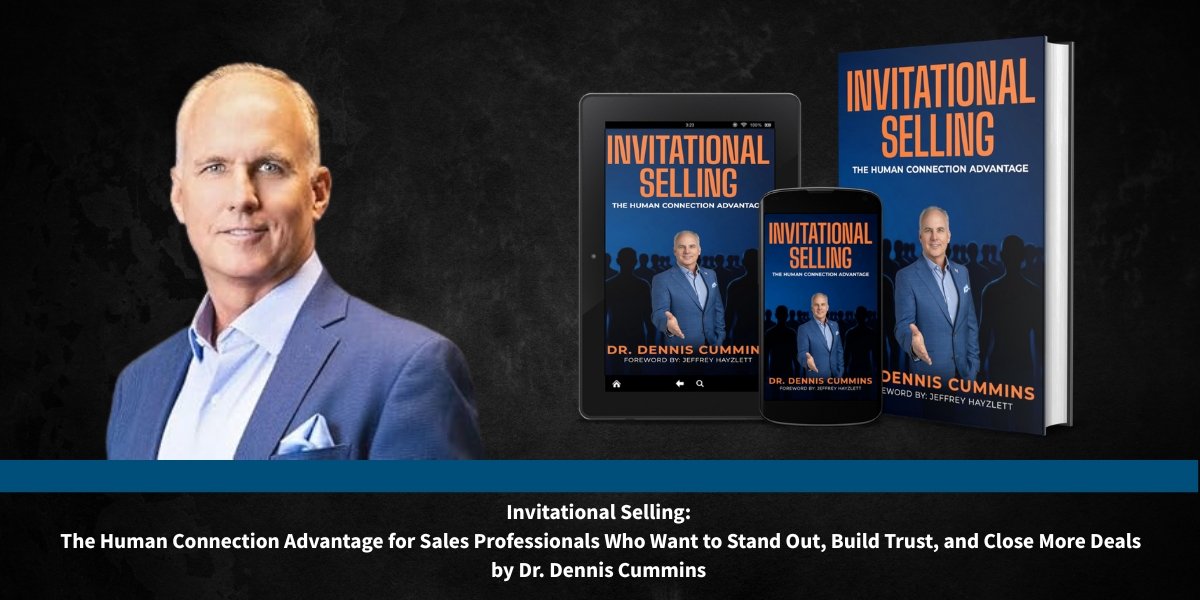
His book, Invitational Selling: The Human Connection Advantage, does not try to tweak the old model. It calls it out.
Where This Philosophy Actually Comes From
Dennis did not start in sales. He started in healthcare.
And that changes everything.
In that environment, trust is not a bonus. It is the foundation. If a patient does not trust you, they do not follow through. And the consequences are real.
That is where his approach took shape.
Instead of pushing decisions, he would walk patients through them. He would explain what normal looked like, help them see what was off, and then share what others in their situation typically chose.
Then he would ask a simple question.
What would you like to do?
That moment matters more than most salespeople realize. Because when people choose, they commit.
Later, when he moved into business, he saw the opposite approach everywhere. Pressure, scripts, chasing, trying to force decisions.
It felt off. Not just ineffective, but disconnected from how people actually decide.
Even on a personal level, the pattern showed up. His daughter Lauren is selling bracelets with one question.
How many would you like?
No pitch. No pressure. Just an invitation.
That contrast became the foundation of everything.
Why Traditional Selling Is Quietly Failing
The old model was built for a different world.
When information was limited, salespeople controlled the conversation. They guided the buyer by default.
That is gone.
Today, buyers walk in informed, skeptical, and overwhelmed. The moment something feels like a pitch, they pull back.
Not because they are difficult. Because they do not trust the intent.
Dennis makes a sharp point here. Selling itself is not broken. The way we have been taught to do it is.
Most teams are trained to talk to prospects rather than connect with them. And that creates friction at every stage.
Longer sales cycles. More objections. Less follow-through.
A Different Way to Think About Conversations
The core of Dennis’s approach is simple, but not easy.
Connect. Convey. Convert.
Most teams jump straight to the last two. They try to explain value and move the deal forward without ever building a real connection.
But if the person on the other side does not feel understood, nothing else lands.
Connection is not about being likable. It is about being relevant.
It is showing someone you understand their situation, not just their industry or role.
Then comes Convey. This is where meaning matters more than information. You are not just explaining what you do. You are helping them see how it fits their world.
Only after that does Convert happen. And even then, it is not forced. It feels natural.
Companies that get this right notice something quickly.
They stop chasing.
Trust Is the Only Real Advantage Left
One of the clearest ideas Dennis brings up is how trust works now.
It comes down to one question.
Does the other person believe you understand them and have their best interest in mind?
That is it.
Not credentials. Not polished presentations. Not perfect messaging.
Intent.
And in a world where everyone has access to the same tools and AI-generated content, that becomes the only real differentiator.
Most outreach today sounds the same. Feels the same. Gets ignored the same.
What cuts through is relevance.
When someone feels like you actually see them, not just an opportunity, the conversation changes.
The Skills Most Teams Overlook
A lot of sales training focuses on what to say.
Dennis focuses on something else entirely.
Paying attention.
High performers are not just listening to words. They are noticing hesitation. Tone. Energy shifts.
They can tell when someone is leaning in or pulling back, even if it is not said directly.
That awareness changes everything.
It allows them to adjust in real time instead of pushing forward blindly.
He breaks it down into three simple areas.
Presence. Are you actually listening?
Awareness. Do you notice what is not being said?
Adaptability. Are you willing to change how you respond?
These are not flashy skills. But they separate average conversations from meaningful ones.
Small Shifts That Change Outcomes
What makes this approach practical is that it does not require a complete overhaul.
It starts with small changes.
Stop leading with what you do. Start with what matters to them.
That alone shifts the entire tone of a conversation.
Instead of presenting solutions, ask better questions. Let the other person talk through their situation.
Another shift is removing pressure from language.
Instead of telling someone what they should do, invite them into the decision.
It becomes a conversation, not a pitch.
And then there is pace.
Most people respond too quickly. They miss what is actually happening.
Slowing down creates space for better understanding.
And better decisions.
What Leaders Are Getting Wrong
For organizations, the problem often starts at the top.
Communication is treated like a soft skill. Something secondary.
Dennis sees it differently.
Communication drives trust. Trust drives revenue.
If leadership is still measuring activity over impact, nothing changes.
You cannot say you want relationships while rewarding volume.
Leaders also set the tone. If they communicate transactionally, their teams will too.
This is not about adding a new script. It is about changing how conversations are valued across the entire organization.
The Shift That Actually Matters
At the center of all of this is a simple idea.
Stop trying to be impressive.
Start trying to be interested.
Most salespeople walk into conversations thinking about what they will say next. How they sound. How do they position themselves?
That mindset creates pressure.
When you shift to understanding the other person, everything changes.
The conversation feels different.
The trust builds faster.
And the outcome becomes clearer for both sides.
Dennis is not offering a trick or a tactic.
He is pointing to something more fundamental.
People do not want to be sold.
They want to feel understood.
And the teams that figure that out are the ones that stop blending in and start actually standing out.
To learn more about Dennis Cummins and his work, visit his official website or explore his book Invitational Selling available on Amazon.