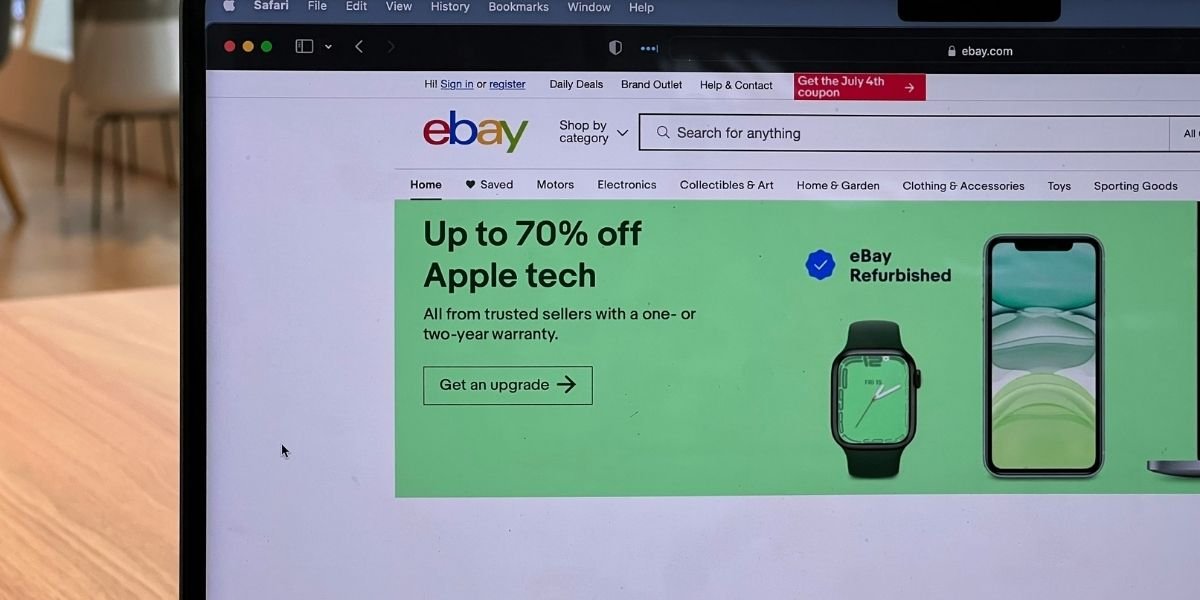
eBay confirmed that its board formally rejected GameStop’s proposal after reviewing the offer with financial and legal advisers. The proposal valued eBay at approximately $125 per share through a combination of cash and GameStop stock.
The company stated that the offer did not provide sufficient value for shareholders and raised concerns tied to financing certainty, operational execution, and long term business direction. The rejection immediately drew attention across the U.S. retail and marketplace sectors because of the size of the proposed transaction and the visibility of both companies.
GameStop announced the proposal publicly earlier this month and described the potential acquisition as a move designed to combine physical retail operations with digital marketplace activity. eBay’s response indicated that the company does not believe the proposal supports its current strategy or shareholder interests.
The development quickly became one of the largest retail business stories this month because it involved two consumer facing brands with established positions in different parts of the commerce sector.
eBay Raises Concerns Over Financing and Deal Structure
A major issue identified by eBay involved the financing structure tied to the proposal. According to public statements, the offer included a mix of stock, cash, and debt financing.
Large acquisitions often face close scrutiny because financing arrangements can affect operational flexibility, borrowing capacity, and shareholder value. eBay’s board questioned whether the structure could support a transaction involving a company of eBay’s scale without creating operational pressure on the combined business.
The proposal also raised questions among analysts regarding the size difference between the two companies. eBay operates one of the largest online marketplace platforms in the United States, while GameStop continues working through a broader retail business transition tied to digital commerce trends and changing consumer behavior.
The stock portion of the proposal created another layer of uncertainty because share based offers can shift in value depending on market performance. Boards reviewing acquisition proposals frequently examine how those fluctuations could affect shareholders during negotiations and after a transaction closes.
eBay stated that the board reviewed the proposal carefully before reaching its decision. The company maintained that the offer was not considered attractive after evaluating the financial structure and operational risks connected to the proposal.
GameStop Ties eBay Bid to Marketplace Expansion
GameStop presented the proposal as part of a larger effort to expand beyond its traditional retail model. The company stated that combining with eBay could connect physical stores with online marketplace operations in areas involving fulfillment, authentication, and customer support.
According to GameStop’s public announcement, store locations could potentially support intake services, product verification, and live selling activity connected to eBay’s marketplace categories. Those categories include electronics, trading cards, collectibles, watches, sneakers, and resale goods.
eBay already operates authentication services and seller focused programs across several categories. GameStop argued that its national retail footprint could support those operations through in person logistics and service functions.
eBay’s board, however, appeared unconvinced that the proposed operational benefits outweighed the risks associated with a transaction of this scale. The rejection reflected concerns tied to integration challenges, financing exposure, leadership structure, and marketplace direction.
The proposal also highlighted broader changes taking place across the retail sector as companies continue adjusting to increased digital commerce activity and rising demand for resale marketplace services.
eBay Continues Backing Its Current Business Strategy
eBay stated that the company remains confident in its existing direction under CEO Jamie Iannone. Over the past several years, eBay has focused on category based marketplace activity, seller tools, advertising systems, authentication programs, and buyer trust features.
Unlike retailers that operate through warehouse inventory systems, eBay’s marketplace model centers on connecting buyers and sellers across multiple categories. The platform continues to maintain a strong presence in collectibles, refurbished goods, specialty products, electronics, and resale commerce.
The rejection of GameStop’s proposal signals that eBay’s board believes the company’s current strategy remains the preferred path forward. Corporate acquisitions involving large consumer brands can create uncertainty involving leadership, technology integration, operational systems, customer support, and marketplace oversight.
eBay’s response suggested that the board did not view the proposal as offering enough certainty or strategic value to justify those risks. The company also emphasized that its review process involved evaluating both short term financial terms and long term operational considerations.
The board’s position reinforced eBay’s focus on maintaining its current structure while continuing to develop its marketplace operations independently.
eBay and GameStop Draw Broader Market Attention
The rejected proposal generated significant attention because it involved two widely recognized companies operating in different segments of the retail industry. GameStop remains closely associated with physical gaming retail stores, while eBay continues operating one of the largest online resale and marketplace platforms in the country.
The proposed acquisition would have connected a national retail store network with a major digital marketplace business. That possibility created broader discussion surrounding logistics systems, fulfillment operations, seller support, authentication services, and customer experience management.
The proposal also reflected increased attention on resale commerce across the United States. Online marketplace activity involving electronics, collectibles, luxury accessories, apparel, automotive products, and refurbished goods continues drawing strong consumer participation.
Although eBay rejected the proposal, the situation has already become one of the most closely watched corporate developments involving the retail and marketplace sectors this year.